In this article
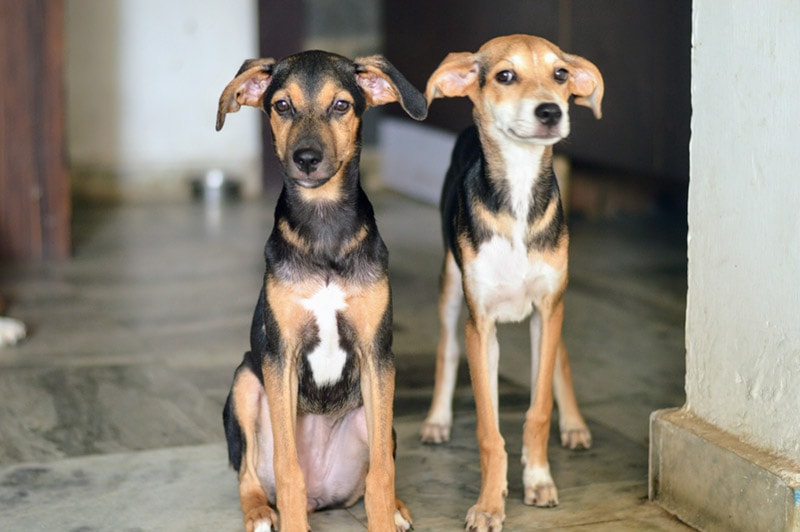
View 8 More +The Indian Pariah Dog is an ancient landrace dog breed from India. Although many dogs of this breed do live on the streets of India, they are also kept as pets, and many are trained as police dogs and service dogs. As a pet, the breed does need early socialization and consistent training, or it can be somewhat aggressive towards other dogs. Otherwise, they get along very well with all family members and will usually get along well with other people.
They can live in any temperature, adapt to life in any environment, and are independent enough that they don’t need round-the-clock care.
Breed Overview
Height:
18–25 inches
Weight:
32–65 pounds
Lifespan:
13–15 years
Colors:
Brown, tan, fawn, white, black
Suitable for:
Active families with older children
Temperament:
Loyal, loving, alert, energetic, intelligent, independent
The Indian Pariah Dog is a landrace dog breed, which means that it has evolved naturally to survive in its surroundings, rather than thoroughbred or purebred dogs that have been bred by people to display certain characteristics and behaviors.
In the case of the Pariah Dog, this has led to an adaptable breed that is independent. It has also led to some degree of territorialism, which means that a pet Indian Pariah will need early socialization and consistent training to ensure that it doesn’t become overly aggressive with other dogs and animals.
The independent streak also means that the breed is a good choice for owners who go out to work or school all day and don’t want to provide 24 hours of attention every day.
Indian Pariah Dog Characteristics

Indian Pariah Dog Puppies
Because Indian Pariah Dogs aren’t usually bred intentionally, and they originate from the streets of India, they can be difficult to find outside their native country. Most often, Pariah Dogs are adopted, and it may be possible to adopt one and have it transported over from India.
If you do get a Pariah Dog puppy, you can expect it to be alert and playful from a young age and you will need to start socializing the breed as early as possible to ensure that it isn’t aggressive with other dogs. Because the breed is independent and very good at finding and scrounging its own food, training is also a good idea because it will help discourage the Pariah from going looking for its next meal.
Plenty of mental and physical stimulation is important. The puppies can be very active and without stimulation, they may not develop into the loving and lively dogs that they are known for being.
Temperament & Intelligence of the Indian Pariah Dog
The Indian Pariah Dog is considered an intelligent dog breed and usually gets along with all the family. It can take time for the breed to warm up to strangers and will look to its family for guidance when meeting new people.
Although the Pariah Dog is said to be aggressive with other dogs, this isn’t necessarily true, and good socialization will help ensure that yours gets along with other dogs it meets.
Are These Dogs Good for Families? 👪
The Indian Pariah Dog’s loyal attitude and live demeanor make it a good breed for families with children. It will especially enjoy living with older children who can match, or attempt to match, the dog’s high energy levels.
They will also enjoy time with adults and while they can be wary of strangers, they will usually follow the family’s lead, therefore welcoming any family friends to the house.

Does This Breed Get Along with Other Pets 🐶 😽
The Indian Pariah Dog can be territorial, having spent much of its history living on the streets. As such, there are reports that the breed can be aggressive toward other dogs outside the house. With early socialization, it is possible to avoid this, and through a gradual and sympathetic introduction, the Pariah will also get along with other dogs in its family.
Similarly, with good introductions, they will usually get along with cats, having shared the streets with them for centuries. You should never leave a dog unattended with smaller animals, and this is as true of an Indian Pariah Dog as it is of any other breed.
Things to Know When Owning an Indian Pariah Dog
The Indian Pariah Dog can get along with all family members, regardless of their age, and they will usually get along with friendly visitors. They can also be introduced to other family pets. But they are very energetic dogs that require a lot of exercise, as well as mental stimulation, which means that they are not the ideal dog for all potential owners.
Food & Diet Requirements 🦴
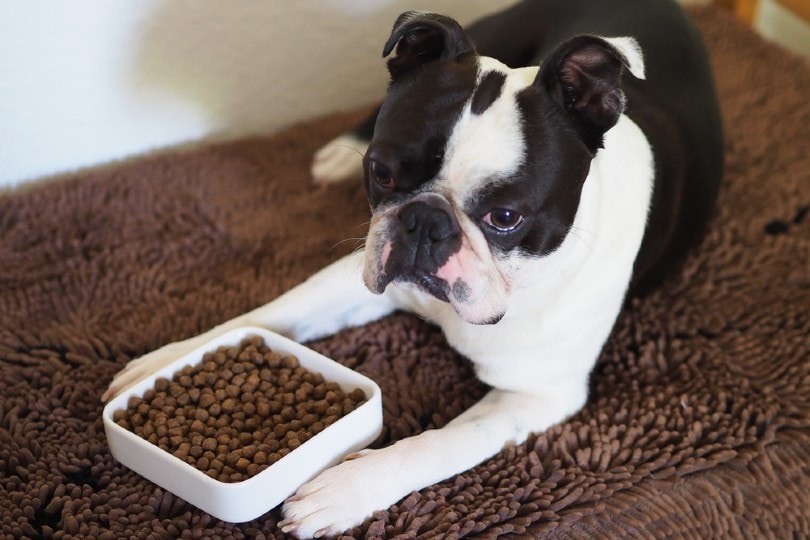
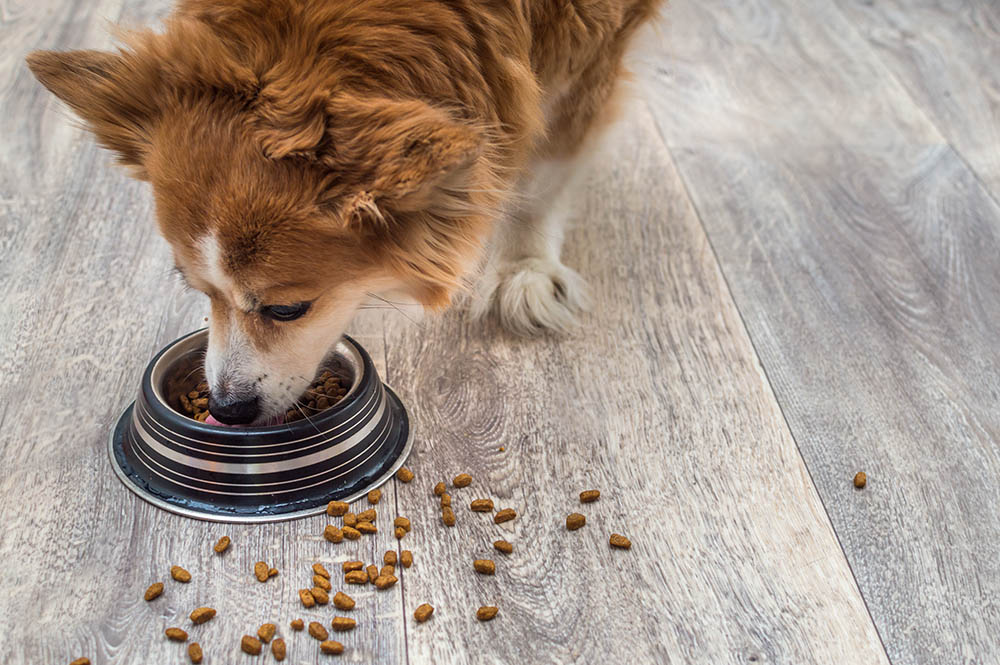
The breed will do well on a balanced commercial diet. Puppies should be given three to four meals a day, while adult dogs can be given two or three meals a day. The breed does not have any special dietary or nutritional requirements, but most Pariah Dogs will eat whatever is put in front of them.
Therefore, you do need to ensure that you calculate and measure the food given, and if you give treats, either for training purposes or just as a treat, you will need to take the calories into account when doing your calculations. Fresh water should always be provided and available.
Exercise 🐕
The breed is a high-energy dog that requires a lot of exercise. You should provide two walks a day and, ideally, provide an enclosed and secure yard or garden where they can play and burn off their energy with more intensive exercise. Expect to provide 60 to 90 minutes of exercise a day.
Training 🎾
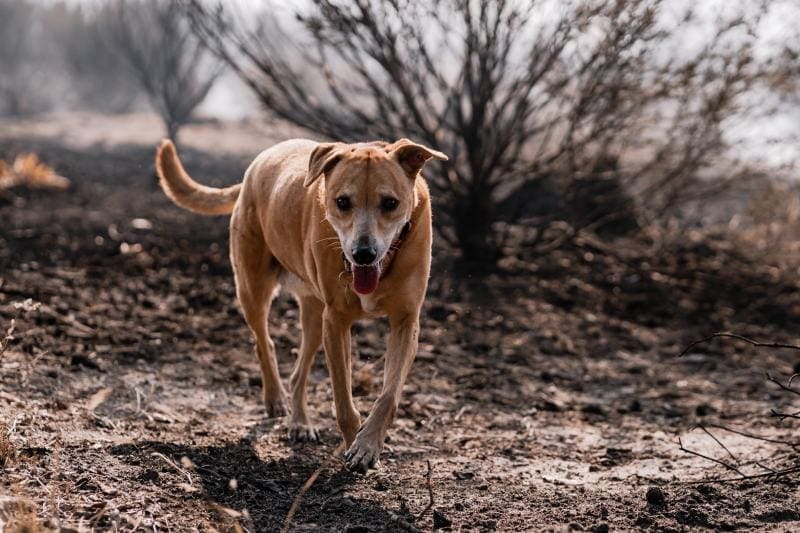
The Indian Pariah is considered an intelligent breed and it can be trained quite easily, but it is an independent dog. If your training sessions don’t keep the dog entertained well enough, it will be prone to wandering and finding something more entertaining.
The Pariah needs to be socialized from a young age. Enroll in puppy training classes and consider agility or another canine sports group. These groups will help introduce your young puppy to other dogs and other people while also providing the physical and mental stimulation that it needs.
Grooming ✂️
With minimal grooming and coat care requirements, the Indian Pariah is considered a low-maintenance breed when it comes to grooming. Owners typically find that the most demanding aspect of owning this type of dog is meeting its exercise requirements.
Health & Conditions 🏥
Having evolved to survive on the streets of India, the Pariah breed is adaptable and can usually live in hot or cold climates. It is a hardy breed that does not have many illnesses or hereditary conditions associated with it.
Obesity is one of the most common problems for this breed. Because they have evolved to scavenge for food, they will generally eat as much as possible when food is put in front of them, even though the dog has relatively minimal dietary requirements. Ensure your Pariah is getting adequate exercise and fed a suitable diet to help avoid the potential for obesity.
They are also somewhat prone to ticks, fleas, and other parasites, so you will need to keep an eye out for signs of these.
- Ticks, fleas, and parasites
- Obesity
Male vs Female
Generally, female Indian Pariah Dogs will be slightly shorter and lighter than the bigger males. Otherwise, there are no behavioral or attitude differences between the genders.
3 Little-Known Facts About the Indian Pariah Dog
1. They Are a Landrace Breed
While most dog breeds have been developed by people to exhibit specific physical and behavioral characteristics, Indian Pariah Dogs are a landrace breed. This means that they have evolved naturally to survive in their environment.
In the case of the Indian Pariah, their native environment is on the streets of India and Bangladesh. They are not hunters, but rather scavengers that would typically take food from the humans they have evolved around.
2. The Breed Name Was Introduced by the British
Although the breed has existed for thousands of years, it was named the Indian Pariah Dog by the British before Indian independence and was named after the pariah tribe of India. The breed is also commonly referred to as the Desi Dog, Indian Feral Dog, Indian Pye Dog, and the INDog (Indian Native Dog).
3. These Dogs Are an Ancient Breed
There is evidence that the breed existed during the Late Stone Age or Neolithic Times, approximately 15,000 years ago. Since then, they have been used as hunting dogs and companion dogs and have evolved on the streets of cities and towns around India and Bangladesh.
However, not all stray and street dogs in India are Pariah Dogs. Many mixed-breed mongrels also live on the streets of the country.

Final Thoughts
Indian Pariah Dogs are quite different from most dog breeds that are kept as pets. While they do make excellent family companions, they have developed through natural selection, rather than through the selective breeding of most other popular breeds. They are native to India and have existed for many thousands of years, but they are rarely found outside their native lands. They do make excellent family companions, however, as they are lively, alert, and loyal.
The breed needs early socialization and a lot of regular exercise, but they are deemed hardy and largely free from genetic disorders and illnesses thanks to their natural evolution. If you do get an Indian Pariah Dog pet, ensure it gets good socialization, and lots of exercise, and that you carefully monitor its diet to avoid overfeeding.
Related Read:
Featured Image Credit: Palashpriya, Shutterstock