For dog lovers with allergies, the search for a breed that won’t cause their allergies to flare up is unending. While no dogs or cats are truly hypoallergenic, there are breeds out there that produce fewer allergens, making them ideal for suffering pet lovers.
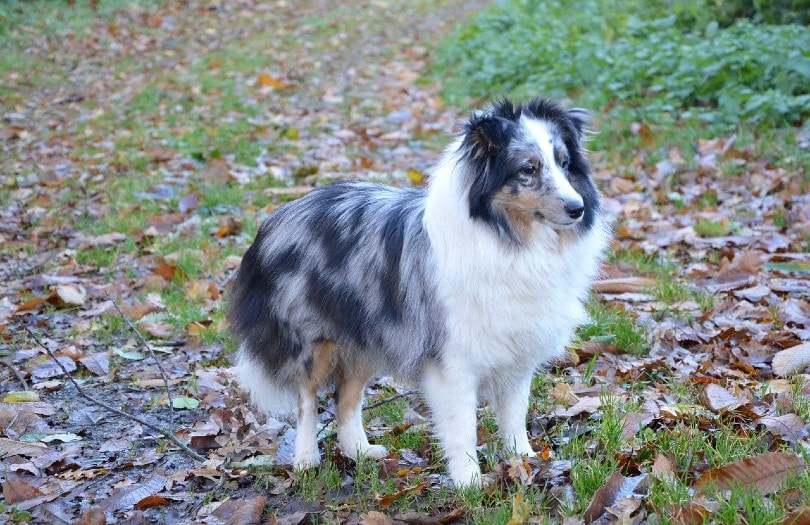
One popular breed that is highly trainable, loving, and people-pleasing is the Shetland Sheepdog, or Sheltie. It’s easy to see why so many dog lovers want to bring this pup into their homes. This leaves allergy sufferers asking whether Shelties are hypoallergenic or are at least one of the breeds less likely to trigger allergies. Unfortunately, Shelties are not hypoallergenic. They are double-coated dogs known for their shedding.
Still, if you’re a fan of Shelties but have allergies, read on! We explain a bit about canine allergies and what causes them and the ways that you can help control the allergens in your home. Hopefully, this will help you decide whether a Sheltie is still the breed for you.

Are Shelties Hypoallergenic?
While they make great dogs for families, Shelties are not considered hypoallergenic dogs. No breed is truly hypoallergenic, but some breeds, such as Poodles, are known for producing less of the fur that can cause allergies to ensue. The Shetland Sheepdog is a small dog with big hair. Their fur is double-coated, which means they have an upper layer of protective hair and an under layer of soft, thick fur.
Most breeds with a double coat are known for the amount of hair that they shed. Shelties are no exception and blow their coats twice per year but can shed year-round. The main difference that comes into play is size. Shelties are considered medium-sized dogs weighing around 25 pounds. Other breeds known for shedding, like the Husky or Golden Retriever, grow to be much larger than a Sheltie, which means they will lose more hair during shedding season.

Is Hair the Real Problem?
When people talk about canine allergies, they immediately talk about how much hair a dog sheds. Yes, a shedding dog can be annoying when you’re trying to clean around the house, but the hair isn’t the true issue when it comes to allergies. The main problem is dander, the dead skin cells from your dog that contain allergy-inducing proteins.
The reason that shedding is often regarded as the culprit for allergies is due to dander getting trapped in the hair. When a dog sheds, the dander hitches a ride into the environment and surfaces of the home. Dogs like Shelties that are heavy shedders release more dander into the air due to the amount of hair that they have. This makes it difficult for people with allergies to make heavy-shedding dogs their household pets.
Drool Isn’t Cool for Allergy Sufferers
One area where Shelties have an advantage over many other breeds is the drool department. It’s not unusual for a pet owner to allow their best friend to kiss them now and then, but that doesn’t mean they are fans of drool or the mess that it causes. Drool is also another way to trigger a person’s allergies. Your dog’s drool contains a lot of allergens and proteins, and just like with shedding, drooling can leave traces of these proteins on several surfaces in your home.
Shelties may not be hypoallergenic or ideal for pet lovers with allergies, but at least they are a low-drooling breed that won’t be stirring up allergies in such a messy way.

Can I Own a Sheltie If I Have Allergies?
Dog allergies aren’t all the same. For some people, there is no way that they can own a dog without itching, sneezing, or swelling becoming a huge issue. However, not every allergy sufferer deals with such extreme situations. People who suffer from mild allergies may still be able to have their dream breed in their lives, including a Sheltie. Here are a few tips to help make having your dream dog possible even if you have allergies.
- After petting or interacting with your Sheltie, thoroughly wash your hands.
- Practicing good grooming for your Sheltie can help control the amount of hair that they shed.
- For heavy shedding dogs like Shelties, regular vacuuming of floors and furniture is a must.
- Keeping your home clean can help reduce allergens from hair and drool.
- Using a HEPA air purifier can help filter the airborne dander.
- Have pet-free areas in your home (especially your bedroom, so you can sleep comfortably at night).
- Do not allow your Sheltie on furniture or beds, to help reduce allergens.
- Clean any couch covers, blankets, draperies, and bedding in your house regularly to reduce allergens.
- Feed your Sheltie a healthy diet to reduce the potential of skin issues that can make shedding worse.
- Consult with your doctor, as there are many medications available that can help ease your allergic symptoms.
Grooming a Sheltie
Shelties are amazing dogs that will make your family more complete. However, with their long hair, grooming can become a chore. These dogs need to be brushed at least once or twice a week. If you deal with canine allergies, it may be best to brush your Sheltie daily to help deal with the loose hair and attached pet dander. If possible, get a non-allergic family member to undertake the grooming and, ideally, brush the dog outside.
Spring and fall are the seasons when these dogs shed the most. Brushing and grooming will need to be stepped up at these points, or your allergies could be constantly triggered. Other than lots of brushing and vacuuming, you’ll need to bathe your Sheltie every 1 to 2 months. Before the bath, however, make sure to brush them thoroughly. Whenever you finish any grooming of your Sheltie, make sure to thoroughly clean and vacuum the area, wash your hands, and change your clothes. This will help keep allergies at bay.

Final Thoughts
Shetland Sheepdogs, or Shelties, are amazing pets to have as part of the family. It’s easy to understand why this charming, loving, and loyal breed is a dream pup for many canine lovers. People with allergies, however, find themselves wishing that Shelties were hypoallergenic. Unfortunately, they aren’t, but that doesn’t mean you can never have one. If you suffer from mild allergies, the tips discussed here, such as proper grooming, cleaning, and using HEPA filters, can make it possible to have one of these amazing dogs in your home.
Related Reads:
Featured Image Credit: JackieLou DL, Pixabay
 Are Shelties Hypoallergenic?