10 Incredible Vet-Reviewed Facts About the Australian Shepherd


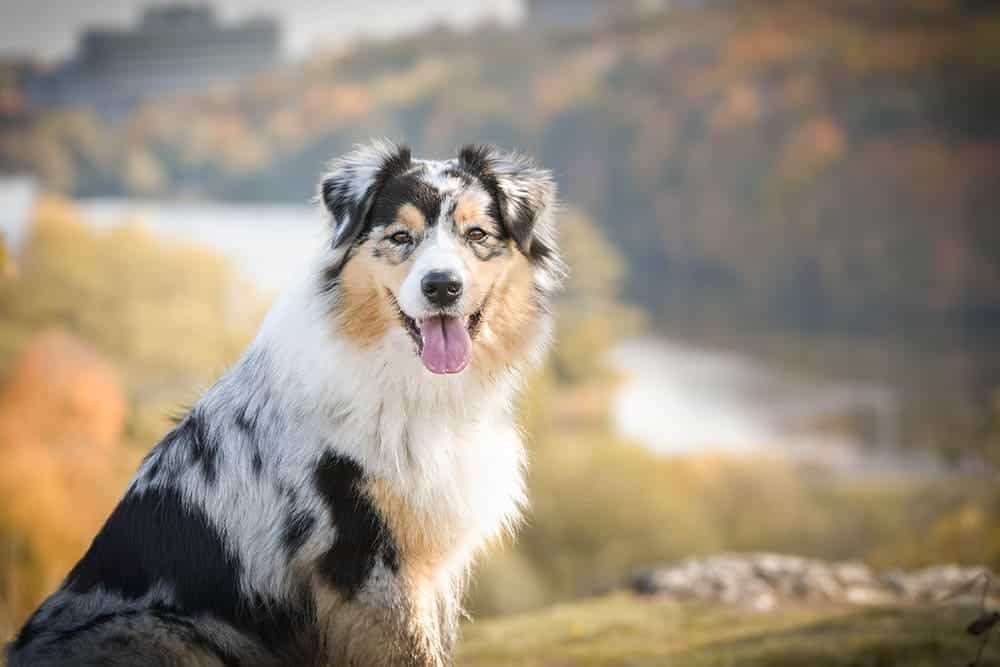
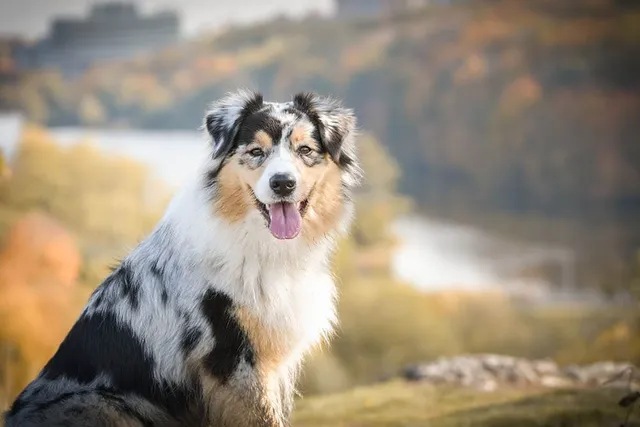
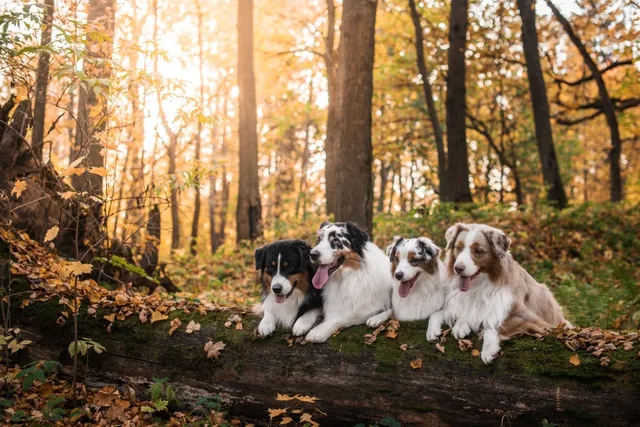
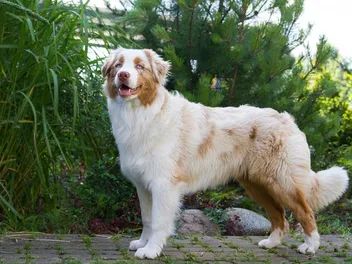
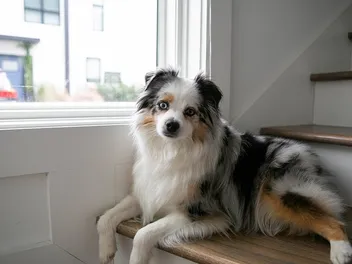
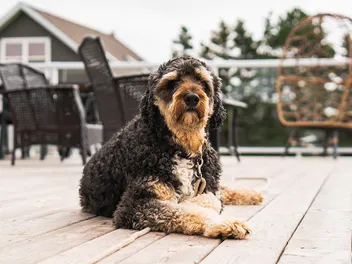
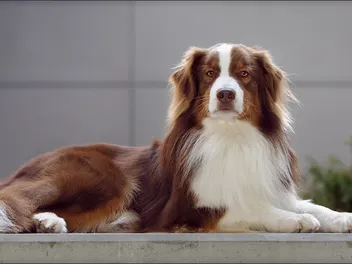
Australian Shepherds are bubbly, social, and very loyal dogs with a razor-sharp wit and a cute and distinct appearance. Many people know them by their famous odd-colored eyes or the eyepatch, but there’s much more to the breed than meets the eye!
Whether you’re a lover of the Aussie or just think they’re remarkable, we’re right there with you. Australian Shepherds are an intriguing breed with a curious history, sterling work experience, and quirks aplenty. Read on as we break down some fascinating facts you probably didn’t know about the Australian Shepherd.

The 10 Incredible Facts About the Australian Shepherd
1. They Are One of the Smartest Dog Breeds
Based on their intelligence, Australian Shepherds might be eligible to join a canine Mensa group. Aussies are regularly included on lists of the most intelligent dog breeds, and the AKC notes they’re easily capable of tricking novice dog owners1. They can learn commands faster than the typical breed and require fewer repetitions during training sessions.
Australian Shepherds test you regularly by figuring out tasks like opening doors, sniffing out their favorite treats, and leaping over baby gates.
2. Aussie Shepherds Are Canine Athletes
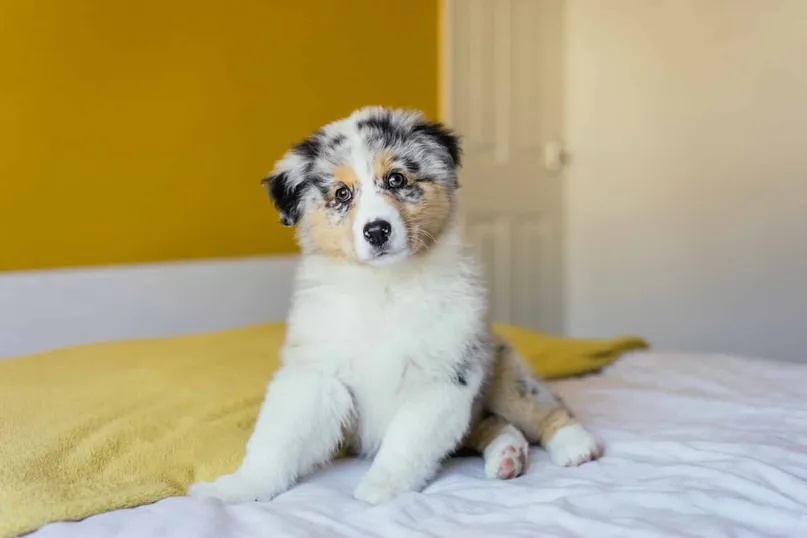
As one of the most active breeds, Australian Shepherds need at least 2 hours of vigorous exercise (ideally more) every day to stay healthy, happy, and sane. They have such an intense drive to work and perform that they can get listless without enough stimulation. In addition to brisk daily walks, you can train them to run agility courses and participate in canine sports.
Without ample stimulation and exercise, Aussies can vent their frustrations in destructive ways. Namely, chewing up all your good shoes and digging vast chasms in your yard.
3. They’re Not Australian
Australian Shepherds were originally developed in the Western US states, like California. They’re descended from Basque herding dogs in Europe and don't have relatives from Australia.
4. They Performed in Rodeos
Australian Shepherds were once herding superstars, but their numbers and popularity dwindled in the early 20th century. Mid-century rodeo performer Jay Sisler brought the breed into the limelight.2 His Australian Shepherds became famous for performing all sorts of entertaining acrobatic feats; some even starred in early Hollywood films! Post-WWII, this led to a massive boom in demand for Aussies as Americans became aware of their incredible intelligence and athletic abilities.
5. Aussie Shepherds Are Born Herding Dogs
Basque Shepherds carried the Australian Shepherd’s ancestors from Europe to North America and Australia. The dogs made ideal guardians for large flocks of livestock because of their keen intelligence, independence, endurance, and rock-solid herding instincts. They can work for long periods without close supervision, aren’t afraid of snappy herd animals, and feel a need to guide livestock. Even today, you can see remnants of the breed’s herding instinct when they nip at your heels or attempt to herd children toward a specific location.
6. They Have Very Short Tails
Once devised to protect a dog’s tail from harm out in the fields while working, tail docking has been banned and strongly discouraged in most of the world. Like Dobermans, Aussies were victims of this inhumane practice for some time. Eventually, it was deemed inhumane and ceased in the US and other parts of the world.
However, due to ranchers selectively breeding dogs that had short tails, about one in five Aussies today have a naturally bobbed tail.
7. Heterochromia is Common
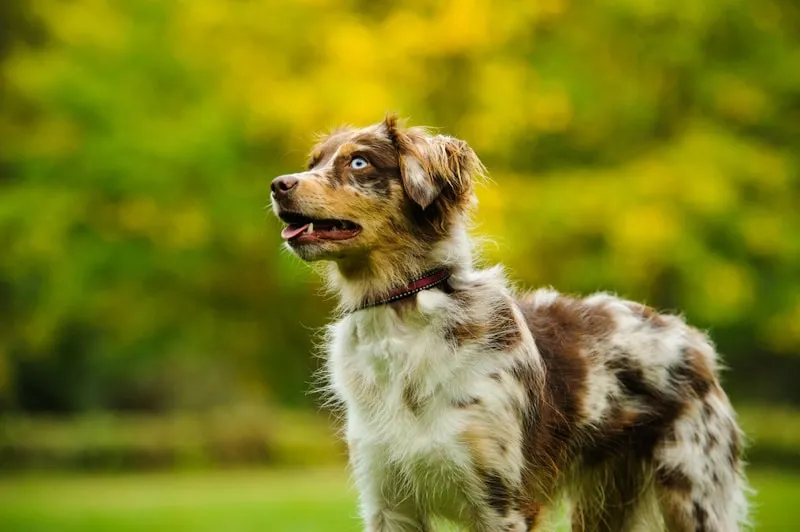
Australian Shepherds typically have brown, blue, green, hazel, or amber-colored eyes, but many have eyes of different colors. This is called heterochromia and is the effect of the Merle gene, which causes dilute patches of pigment on the skin and hair. This effect is also sometimes seen in the irises or on the nose. The Merle gene is also present in other breeds and is not exclusive to the Australian Shepherd.
8. Australian Shepherds Are Still Working Dogs
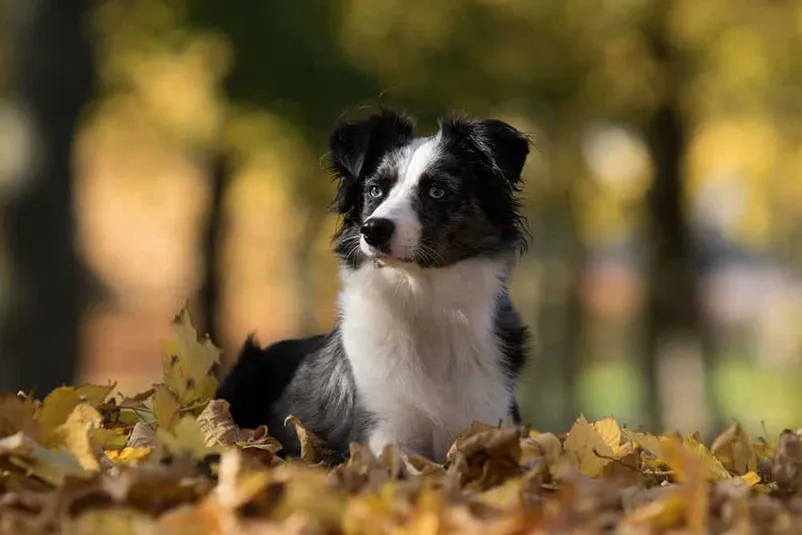
Though nowhere near as popular for working purposes as they used to be, Australian Shepherds still make ideal working dogs today. Their intelligence, trainability, and tenacious work ethic make them ideally suited for many jobs. Among them, Aussies serve as herding dogs, search-and-rescue dogs, emotional support dogs, and more! They’re an adaptable breed that excels at nearly anything they set their minds to do.
9. Native Americans Called Them Ghost Eye Dogs
As one of the predominant working dog breeds in the US, Australian Shepherds became known as “ghost eye” dogs by natives due to their hauntingly pale blue eyes. According to legend, Native Americans considered them sacred animals whose unique eyes linked them to the spirit world. Other legends speak of heterochromatic dogs as being able to view heaven and earth simultaneously. They may not be supernatural, but it seems like it when you stare into their gorgeous eyes!
10. They Come in Miniature Version
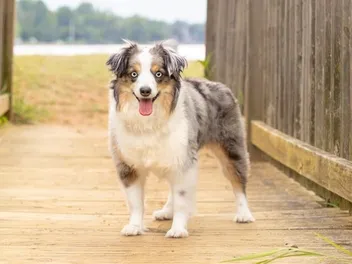
Australian Shepherds originally only came in their large standard size, but breeding efforts in the 1960s yielded a smaller, more petite dog. However, this smaller Aussie went unrecognized and was eventually considered a separate breed entirely: the Miniature American Shepherd.
Conclusion
Australian Shepherds are one of the most popular breeds in the US because of their unique appearance, intelligence, loyalty, and energetic nature. If you can provide enough exercise and plenty of space, the Australian Shepherd makes an excellent pet. Due to their high intelligence, they're relatively easy to train, but they're better suited for experienced dog owners.
See also:
Do Australian Shepherds Have Tails? Breed Characteristics Explained
Why Does My Australian Shepherd Whine So Much? 6 Likely Reasons
Featured Image Credit: dodafoto, Shutterstock
Expert dog care, straight to your inbox
News, insights, expert advice, and everything dog.

No spam — unsubscribe anytime.
By signing up, you agree to our Terms & Conditions and Privacy & Cookies Policy.
How useful was this post?
Click a star to rate. You can leave written feedback afterwards. (We read all feedback.)
Codee Chessher is a freelance writer whose motto is: there is nothing a well-worded sentence can't accomplish! He loves to write about pets, travel, DIY, and more. Codee's experience is varied, but the written word has always been his strongest and biggest passion.