
How to Get Your Dog to Like Swimming: 5 Vet-Approved Teaching Tips


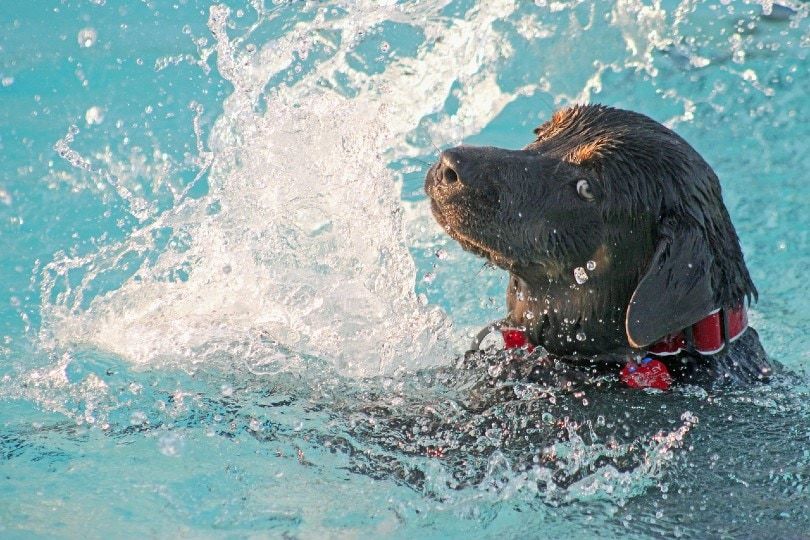
Swimming is a great way to cool down, especially on hot summer days. It’s also a great way to encourage your dog to exercise or lose weight, or to help an aging canine with their mobility. Not all dogs are happy to spend time in or around water, though.
Teaching your dog to enjoy swimming will help keep them safe when they’re around water. It’s also a great way to help build their confidence in a range of different situations. Plus, if you’re a fan of water-based hobbies like kayaking or canoeing, having a dog confident in water can lead to a fun day out for both you and your pooch.

How to Get Your Dog to Like Swimming
1. Start Young

All dogs can learn how to swim, including your older pooch. The easiest way to get your dog to enjoy swimming, however, is by starting as early as possible. The younger your dog is, the less likely they are to have had previous bad experiences with water. This makes it much easier for you to teach them that water isn’t something to be afraid of and is fun.
While you can teach your aging dog to swim, take into account any negative experiences that they might have had in the past and adjust your training accordingly, especially if they’re a rescue and you’re unsure about their history. Take the time to reintroduce water as a fun thing, and be patient throughout the process.
2. Build Courage
Your first step is to build your dog’s confidence around water. This means starting small. Find a game your dog adores, like fetch or even tug, and slowly introduce water to your play sessions. Start with a small kiddie pool filled with a small amount of water. Fetch is an especially great way to coax your dog to follow the ball and collect it out of the water.
Sprinklers are also ideal for getting your dog used to having water splashing around them. It may take a while to build up your dog’s confidence around running water. This is especially true if your pooch hates bath times and associates running water with the shower. In this case, work on making bath time a fun experience too.
As your dog builds confidence, slowly introduce them to deeper water. Don’t push them too far, though. For the first few sessions, they might only be comfortable dipping their feet in for brief moments.
Building your dog’s confidence is essential. While it might seem faster to drop your dog straight into the deep end, it’s never a good idea. If you push your dog too hard too fast or push them out of a boat, you’re likely to teach them to fear water rather than enjoy it. Slow and steady is the best way to go.
3. Positive Reinforcement

Whether your dog jumps straight in or is a little wary, positive reinforcement is essential to convincing them to associate water with fun. Use treats or their favorite toy whenever they show any interest in water.
Avoid getting frustrated when they progress slower than you want them to or choose not to have anything to do with water at all. Instead, take a step back and try again later.
By keeping your training sessions short and lighthearted, your dog is more likely to associate getting in the water with a reward. The more positive you are, the more comfortable your dog will be with venturing farther out in future sessions.
4. Support Their Rear End
Once your dog is in the water, teaching them how to swim properly will help encourage them to enjoy it. Many dogs struggle to remember their rear ends when they first start swimming and can find it harder to swim properly if their back legs are trailing behind them. This is why you need to get your swimming gear on and stay close to your pooch.
Until your dog is familiar with using all four legs in the water, you can help lift their back end by keeping an arm under their stomach.
Both you and your dog, no matter what breed they are, can benefit from life vests here. Not only does a canine life vest have handles for you to grab onto, but it’ll also help lift their back end. If you’re teaching a big dog how to swim, wearing a life vest yourself can keep you safe if they panic and try to use you as a climbing frame to get out of the water.
Stay calm even if your dog doesn’t, and be prepared to help your dog out of the water if they show signs of distress. Remember to keep praising them.
5. Learning by Example

Dogs learn by watching their peers. If you have another dog that is comfortable in the water or your pooch has a canine friend, getting them to tag along during your swimming sessions can make the lessons more of a game. Another dog will show them how fun swimming is and how they should do it.
The important thing here is to make sure your dog gets along well with the other canine. Even with their doggy tutor, you should supervise both dogs to make sure they stay safe.
Water Safety Tips for Dogs
Before you consider taking your dog near any kind of water body, you should always be aware of how to keep yourself and your best friend safe — these safety tips are similar for humans too!
1. Swimming Capability
Despite common belief, not all dogs are natural swimmers. While all dogs can learn how to swim, some breeds can find the form of exercise far more challenging than others. Dogs that were originally bred to work in and around water, like the Labrador Retriever or the Poodle, will be more likely to find swimming easier than breeds that weren’t bred for water retrieval.
Your dog’s weight distribution and the length of their legs also play a part in how easy they’ll find swimming. You can still teach them how to swim but they’ll be more likely to require assistance from a life vest and you.
2. Canine Life Vest
Due to the belief that all dogs can swim well, many people forego a life vest. Whether your dog is a well-known water-loving breed or not, though, a life vest can make their first experience swimming much easier and less traumatizing. If you like to go boating, the life vest will ensure that your pooch remains safe in emergencies.
Not all breeds will need a life vest once they're more confident in the water. However, dogs that have more difficulty in water can benefit from the extra security that a properly fitting life vest can offer.
Life vests also have the benefit of handles in case something goes wrong or your dog panics. Make sure your dog’s life vest has a sturdy design and even a D-ring for attaching a leash if needed, so you can help them more easily if they start to struggle or tire themselves out.

3. Water Contents and Toxicity
Submerged objects, wild animals, chemicals, fishing lines, and toxic algae are all important things to consider when choosing a place for your dog to swim. While your backyard pool might not have any of these problems, you should double-check local health department warnings for any natural bodies of water that you’re visiting.
Also, consider any local wildlife that lives in the water. Alligators, snapping turtles, and snakes all pose a danger to you and your pooch.
Remember, do not let your dog swim in rivers when the current is too fast. They can be swept away just as easily as you can.
4. Locate the Exits
If you’ve ever traveled on a plane or boat, you’ll know one of the first things that you’re told is where the exits are in case of emergencies. Even if you're in your local shopping mall, these exits are always clearly marked. The same should be true for your backyard swimming pool.
With all the steep sides surrounding the pool, your dog will find it difficult to climb out of the water once they’re in. Giving them a visual clue as to where shallow water and the ramp are will help them leave when they need to.

5. Take Breaks
Unlike humans, dogs can’t tread water. Some breeds are also not built for long swimming sessions, even if they’re used to swimming. Whether they’re seasoned swimmers or just starting out, you need to give them regular breaks out of the water. Keep an eye open for any signs of tiredness — like their rear ends dropping — as this will tell you when they need to take a break.
6. Temperature
It’s no fun swimming in cold water, even for your dog. Frigid temperatures can also pose a health risk. Even if your dog loves swimming, if the water is too cold, it’s best to keep them out of it. Cold water can result in a condition known as limber tail or swimmer’s tail, where your dog’s tail will no longer lift or wag. Your dog is also susceptible to developing hypothermia, as are you if you need to hop in to rescue them.

7. Don’t Be Afraid to Get Wet
If you’re teaching your dog to enjoy swimming, you are eventually going to have to get in the water too. Even if you just start with a sprinkler or kiddie pool, don’t be shy about getting a little soggy. Dogs take many of their cues from their favorite humans, and you can help ease their concerns by not freaking out about getting your clothes wet.
Final Thoughts
Not all dogs are drawn to water, especially breeds that weren’t originally bred for working in or around it. Some dogs prefer not to get their feet wet at all, but their wariness around water doesn’t mean they’ll never enjoy swimming.
Take your time and make water a fun experience for your pooch, no matter how old they are when you start. With plenty of positive reinforcement, patience, and soggy training sessions, your dog will be joining you in water-based activities in no time at all.
See Also:
Featured Image Credit: JCFUL, Pixabay
Expert dog care, straight to your inbox
News, insights, expert advice, and everything dog.

No spam — unsubscribe anytime.
By signing up, you agree to our Terms & Conditions and Privacy & Cookies Policy.
How useful was this post?
Click a star to rate. You can leave written feedback afterwards. (We read all feedback.)

Nicole has loved animals of all sizes her whole life so it's no wonder she has dedicated her career to helping them through what she loves best: learning, writing, and sharing knowledge with others. She’s the proud mom of two dogs, a cat, and a human. With a degree in Education and 15+ years of writing experience, Nicole wants to help pet parents and pets around the planet to live happy, safe, and healthy lives.