Things I've Been Wrong About (and I'm Not Too Proud To Admit It)
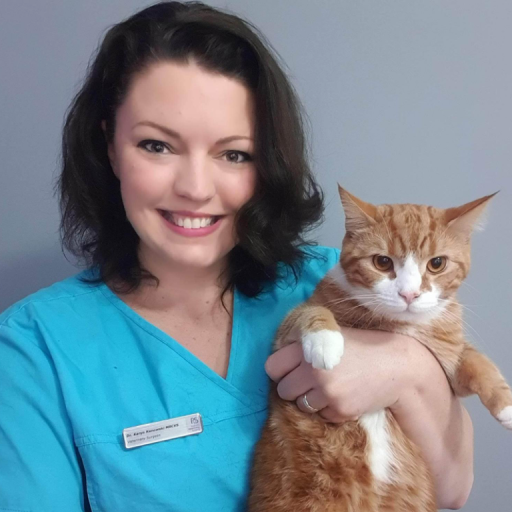

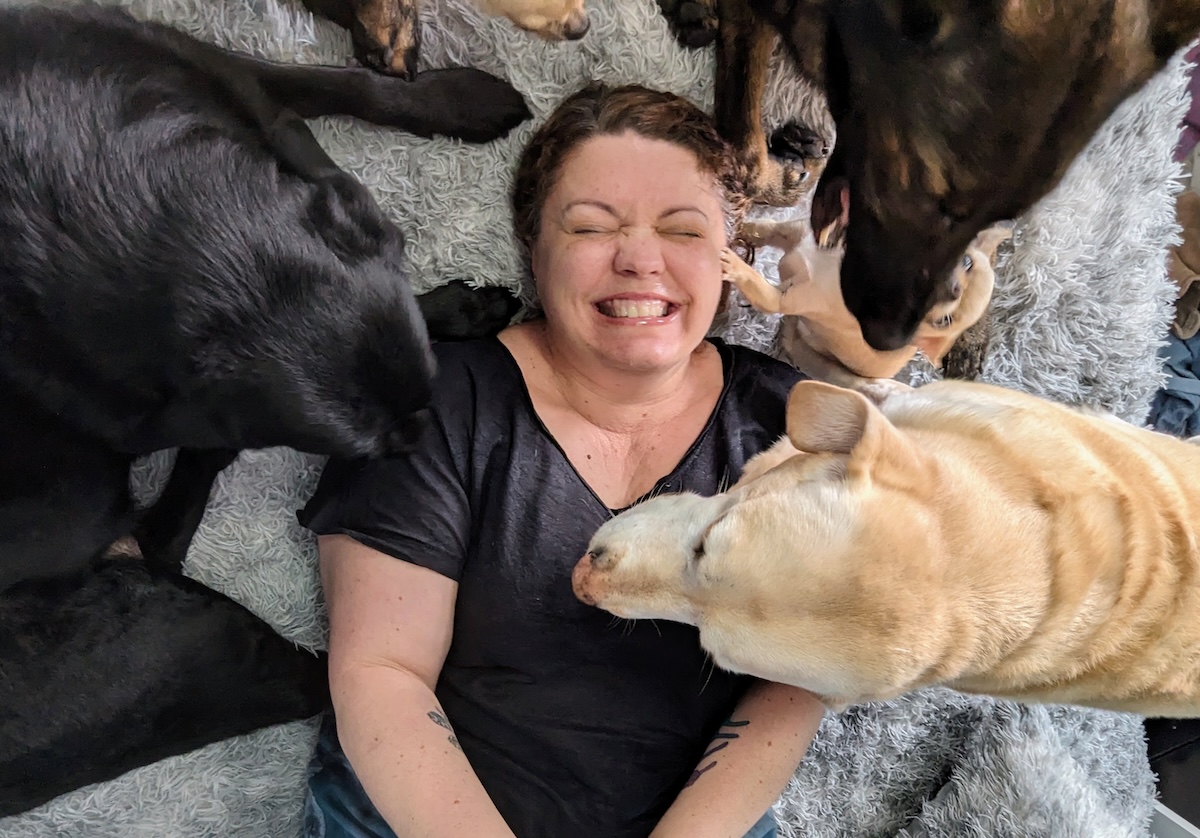
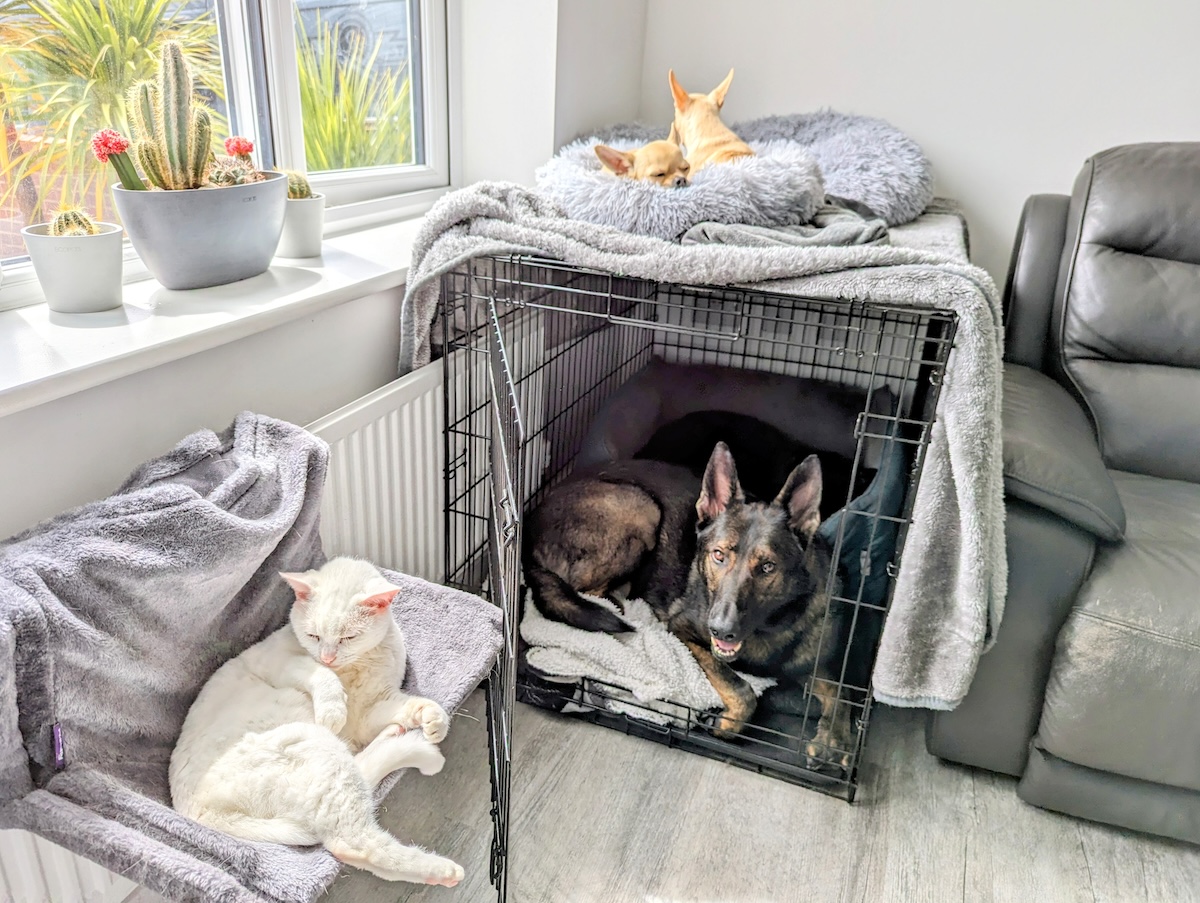
Hi, I’m Dr. Karyn! Read my introduction to learn more about me and my five funny dogs, Poppy, Bailey, Kodah, Ned, and Fred.
I have found there are three stages to being a good veterinarian:
Newly graduated - worrying that you know nothing
Gaining confidence - thinking that you know everything
Years of experience - realizing that you can never know everything
The reason we can’t know everything is that it is simply impossible for one person to know and remember every detail of anatomy, physiology, disease, treatment, or behavior. Plus, our understanding of these things is constantly changing. When you start to believe you have nothing left to learn, you start down a slippery slope toward narrowmindedness and failure. It is a stage that most vets will experience; what makes a great vet is coming out the other side, being open to new information and different points of view.
I wanted to take this opportunity to revisit some ideas that I once “knew”, that I have since learned that I were either completely off base, or that there are a number of valid points of view.

Nutrition and Raw Feeding

Over the last few years in particular, I have come to realize how much our nutritional education is driven by the pet food industry. More specifically, the large companies that control the vast majority of pet food brands. I definitely came away from university with a clear idea of what was ‘good’ pet food, and what wasn’t. Throughout most of my career, I would steer my clients towards the two major veterinary pet food brands, taking little time to really explore other options. Don’t get me wrong, these foods are a good option, and I still use them as part of my pets’ and patients’ diets, but I no longer believe they are the best.
Until quite recently, I was, at best, skeptical about raw food diets. While I am still wary of the potential for foodborne pathogens, particularly after seeing an entire litter of pups succumb to botulism from some incorrectly stored meat, I believe that raw diets definitely have a place in canine and feline nutrition. When stored correctly, and formulated to meet nutritional requirements, there are actually some major benefits to raw feeding.
My personal favorite these days is the fresh-frozen diets, that combine the benefits of raw food with the safety of gentle cooking, and the confidence of feeding a balanced diet. For me, price and convenience are the only reasons to choose kibble, and that’s not something I would have said five years ago.
Behavior
I was very much a subscriber to the dominance hierarchy approach to dog behavior and training, believing in a linear relationship between members of a pack. Following this belief, I recommended that my clients assert dominance and ensure submission from their dogs. In the past couple of years, I have learned of a slightly different view of pack behavior, with individuals assuming different roles within a group. Although a lot of what I previously thought and taught still applies, as it is important for dog owners to establish themselves in a leadership role, this different approach has allowed me to better understand the dynamics between different dogs, and allow me to tailor my training and interactions.
Spaying and Castration
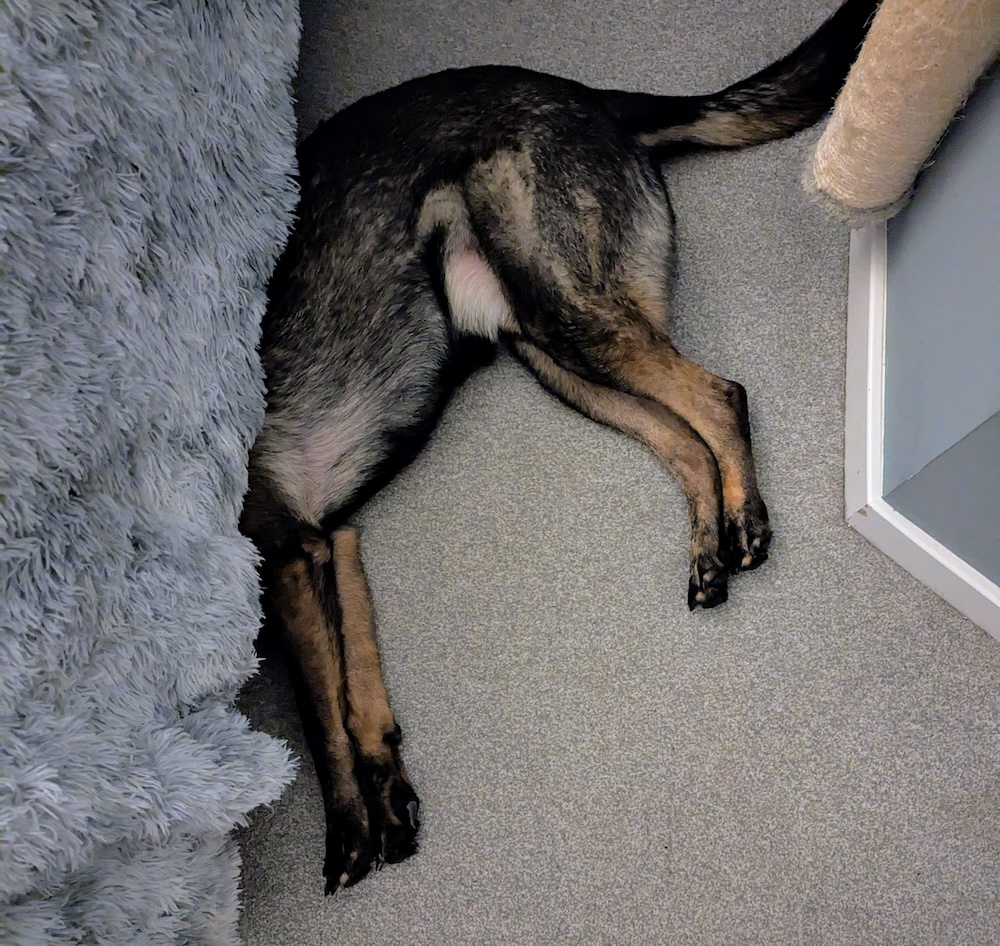
I trained in Australia, where there is a considerable stray and abandoned dog and cat population, which has had a significant influence on the recommendations about whether or not to spay or castrate, and at what age. I was taught to perform these surgeries before or at six months of age; something I am still happy to do with cats, but not with dogs.
We know that early-age spaying reduces the risk of mammary cancer in dogs, but this risk increases only slightly after the first season (but significantly more after the second). Allowing female dogs to reach sexual maturity before spaying - particularly large and giant breeds, who may not reach this stage until 2-3 years old - is just as important as reducing their cancer risks, as it can have major health implications if performed too early.
Similarly with male dogs, having a blanket castration age of 6 months can seriously impair some dogs’ social and physical development, while for some it may be the ideal age. Some males have low testosterone levels, and may never require castration, while others will be so sexually frustrated that they won’t respond to training or commands without it. Then there are breeds like Rottweilers, whose risk of osteosarcoma (bone cancer) may actually increase with neutering.
So I have learned that it is far better to treat each case individually, rather than have a set-in-stone policy.
Holistic and Alternative Therapies

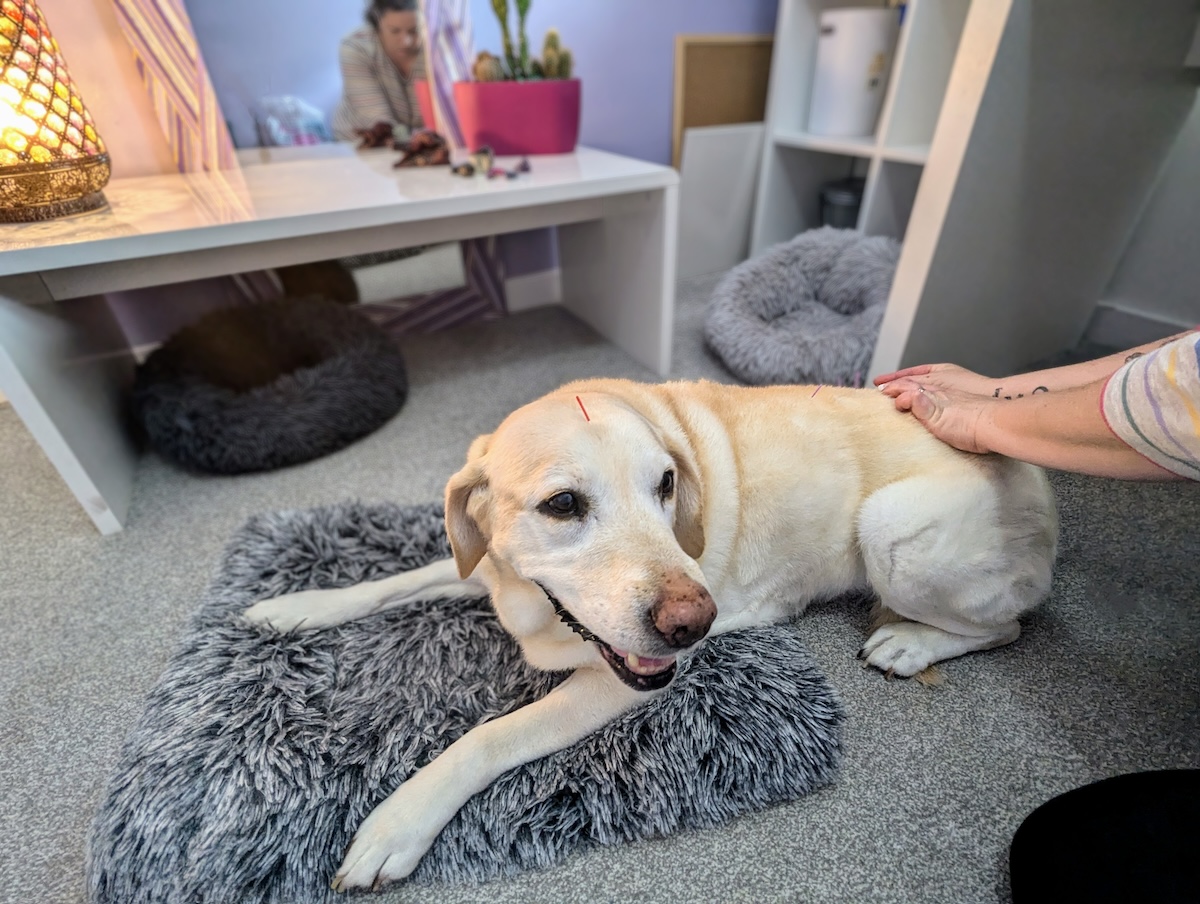
If you’d asked me five years ago about my opinion of holistic treatments, I would have rolled my eyes and said they were a load of nonsense. Since then, I have undertaken a course in veterinary acupuncture, have become open to the idea of reiki, and am very keen on exploring the herbalistic manipulation of the endocannabinoid system. Realizing that holistic treatments are about diagnosing and treating the body as a whole, rather than being the ‘airy-fairy’ methods I once thought them to be, has opened my eyes to a wider world of therapeutic options.
The Biggest Lesson

Look, I’m not going to lie. I have heard some crazy, absurd, and even dangerous ideas from pet owners over the years, and it can sometimes make you a bit jaded about listening to different opinions. But some of the more interesting and nuanced approaches to pet care have also come from my clients; I just had to be willing to listen to them and do my own research. Coming to terms with the things I was wrong about has not been disheartening, it has been freeing, because I know that I can be open to learning new ideas, and seeing things from different perspectives.
As Socrates once said, the only true wisdom is in knowing that you know nothing.

This article is a part of Dr. Karyn's series with her five dogs.
Expert dog care, straight to your inbox
Vet-reviewed advice, training tips, and the best of Dogster. Free, and you can unsubscribe anytime.
By signing up, you agree to our Terms & Conditions and Privacy & Cookies Policy.
Dr. Karyn Kanowski, BVSc MRCVS (Vet)
Dr. Karyn is originally from Queensland, Australia, and has resided in the UK for the past 10 years. She graduated from The University of Queensland School of Veterinary Science in 2010, and also holds a Bachelor’s degree in Zoology. Karyn is passionate about using experience, evidence, and working with pet owners to provide the best solutions for pets. She also believes in making reliable information about animal health accessible to everyone. 5 cats and 4 dogs let her share their home with her and her husband, and when she is not practising as a veterinary surgeon, she spends her time writing, gardening, and cleaning up pet hair!
Join the conversation
Ask a question, share your story, or send private feedback.