Dogue De Bordeaux Dog Breed: Info, Pictures, Care & More

In this article
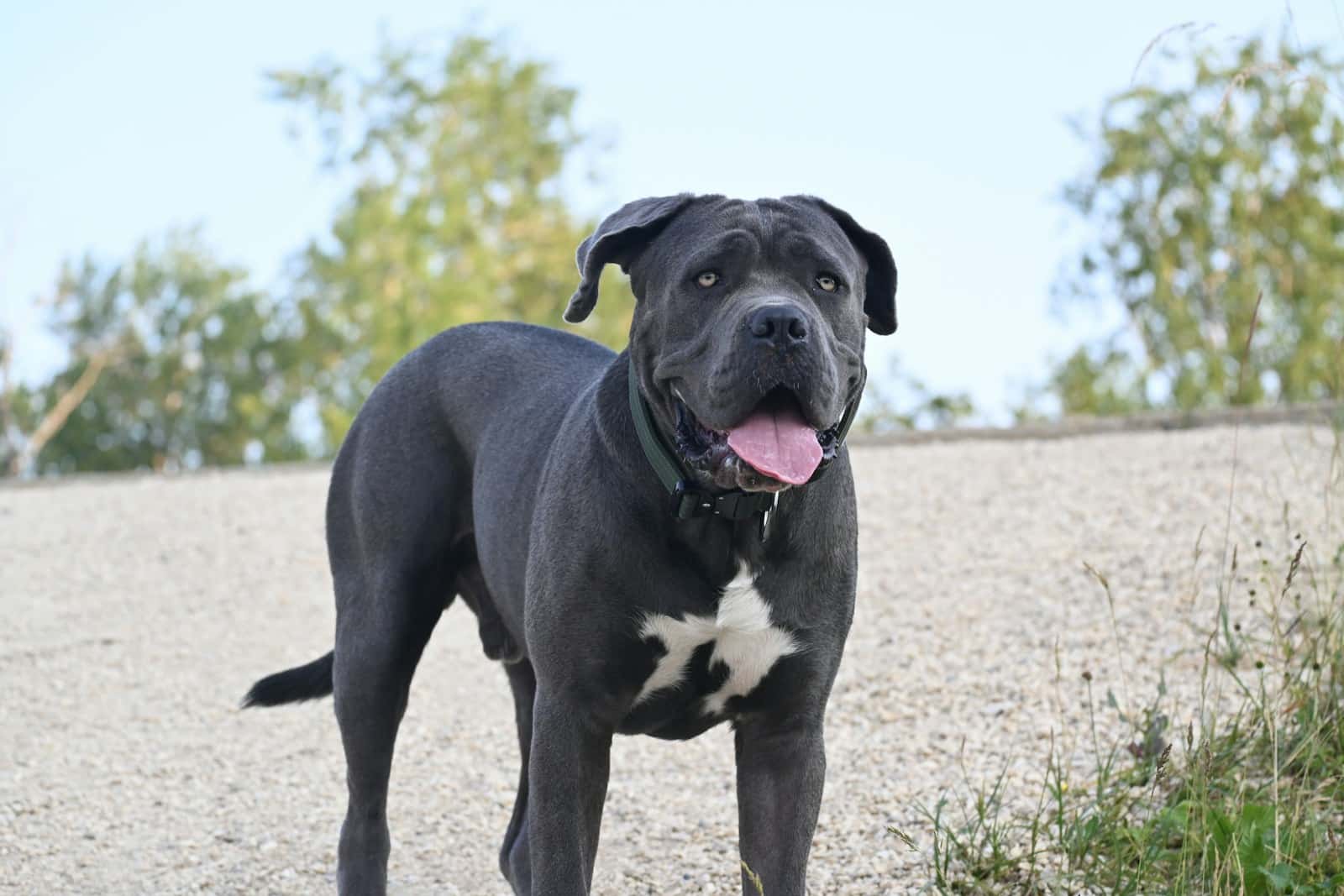
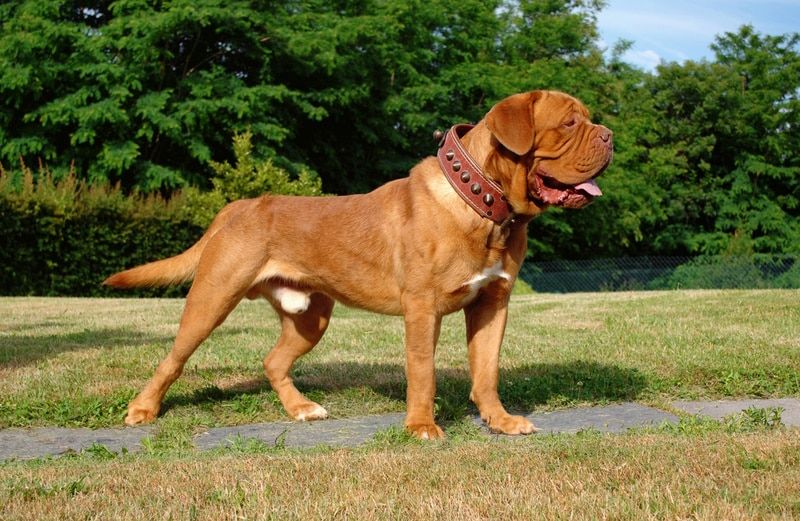
View 8 More +The Dogue De Bordeaux is a powerfully built, almost brutish fawn Mastiff-type breed with a soft heart of gold and a staunch loyalty to their families. Known for their subtly beautiful, masked faces, French lineage, and good-natured personalities, this breed is an excellent gentle giant guardian that does well with kids. If you’d like to know more about these robust dogs, including a bit about their background and how to take care of them, you’re on the right page! Let’s dive into everything you could ever want to know about the Dogue De Bordeaux.
Breed Overview
Height:
Weight:
Lifespan:
Colors:
Suitable for:
Temperament:
The Dogue De Bordeaux is distinguished by its long lineage back to 14th-century France, as well as having the proportionally largest head in the whole dog world. They’re distinctly Mastiff in the body but with a variety of fawn/reddish colors and a pronounced Bulldog-like jaw. This breed was mostly a guard and working dog, helpful for pulling carts and other brute-force labor.
Dogue De Bordeaux Characteristics

Dogue De Bordeaux Breed Puppies

Once nearly unknown in the US, this breed is considered more common, but you’ll still have a hard time finding a reputable breeder. Breeders are far and few between, which makes doing your homework crucial. You can try locating breeders through your vet, Dogue De Bordeaux enthusiast groups on social media, and by searching the AKC’s marketplace of accredited DDB breeders.
Your work isn’t over once you find a breeder. You need to learn what to look for in a good breeder, how to sift out shady breeders, and what to ask the breeder. For the sake of this article, let’s get a list of tips going down below on how to spot a reputable breeder.
Tips for Finding a Good Dogue De Bordeaux Breeder:

Temperament & Intelligence of the Dogue De Bordeaux 🧠
The Dogue De Bordeaux is a courageous dog with a milder personality than their immense body implies. They’re a devout and affectionate companion who bonds closely with their family, thriving on quality time. They’re not rowdy dogs, poised with the grace and ferocity of a lion at rest. DDGs carry a powerful momentum in everything they do, whether it’s frolicking outside with a rope, exploring new frontiers on a hike, or snoozing inside at your feet on a cold morning.
If you’re looking for a watchful guardian, the Dogue De Bordeaux may be perfect for you. They’re a quieter family-friendly dog, but not at all afraid to express their displeasure at unexpected visitors, strangers, or intruders. Slow to anger and quick to forgive, DDGs have a very well-balanced temperament for a family pet in most areas.
Are These Dogs Good for Families? 👪
Yes, with some supervision. A Dogue De Bordeaux is a huge dog that may not realize their size, so they can easily topple over small kids on accident. It takes a lot of work to help them learn how to appropriately interact, and you need the whole family on board considering how large they get!
Some dogs can be more dominant than others, too. Still, at the end of the day, the Dogue De Bordeaux is well-mannered and remarkably tolerant of kids among large breeds. They bond with all family members and settle into a natural furry guardian role with ease.
Does This Breed Get Along With Other Pets? 🐶 😽
Yes, this breed can get along with other pets if they’re properly socialized and, ideally, raised from a young age around other pets. Small prey animals aren’t a good idea because of their strong prey drive, and sometimes even cats can be an issue, depending on the dog. DDGs are a fiercely protective breed that can become unexpectedly aggressive at any perceived threat to their family, and every dog has a unique personality despite breed standards.
Socialization alongside obedience training can help your dog become familiar with the world. This means lots of trips out and treats for behaving calmly around new, potentially upsetting sights. The Dogue De Bordeaux is usually a polite pup, but as with most pets, they need your help to learn the rules.

Things to Know When Owning a Dogue De Bordeaux:
Food & Diet Requirements 🦴
Big dogs like the Dogue De Bordeaux demand lots of high-quality nutrition. Your optimal dog food will have at least 18% to 22% protein (25% to 30% for puppies), healthy carbs, fats, veggies, fruits, and a bunch of vitamins/minerals. Skip the grain-filled cheaper kibbles, which leave your dog feeling full but without the nutrients their body needs. You can also supplement with healthy meats like lean turkey, lamb, chicken, beef, or scrambled eggs, although this isn’t necessary if they’re provided a complete and balanced dog food.
To reduce the chances of bloat, we recommend feeding the Dogue De Bordeaux with a slow-feeder dog bowl that cleverly portions food so that your dog has to pause between bites. Always make sure they have plenty of fresh, clean water at all times too. Proper hydration will help keep your dog healthier and aid their immune system in fighting illness.
Exercise 🐕
This isn’t a high-energy breed, despite their great bulk. The Dogue De Bordeaux is happy with just 30 to 45 minutes of exercise per day, and in fact, needs you to enforce an exercise routine. Without it, they’re glad to be couch potatoes and lounge around. You can get away with a nice moderate walk in the morning and evening, with shorter potty breaks as needed in the middle of the day.
To help keep them active in the house and during lazy afternoons, we suggest lots of indoor toys, puzzle feeders, and games. Dogue De Bordeaux are intelligent and inquisitive, so the key to keeping them active is to keep them interested in a variety of games and toys.

Training 🎾
Dogue De Bordeaux owners must prioritize early obedience and leash training to help them learn good manners before they grow into their immense mature size. They’re eager to please and inclined to listen with the right treat as an incentive, but they still need firm handling as puppies to curb more dominant dogs before they can become unruly adults. With patience, you can help your Dogue De Bordeaux become a more well-behaved and polite member of the family.
You can start with very short training sessions as a young puppy. Just remember that their attention span is very short to start and doesn’t grow as much as you’d think. For a rough rule of thumb, a puppy can pay attention for 1 uninterrupted minute per month of age. That means a 6-month-old puppy can still only do fairly short training sessions before getting bored. Frequent short sessions throughout the day will help get them used to being calm for commands, paying attention to you, and what not to do during and outside sessions.
Positive reinforcement is key while training a Dogue De Bordeaux. They thrive when you reward desirable behavior and ignore bad behavior, making the mental connection that being good leads to a treat or attention. Scolding and punishing aren’t effective techniques and may in fact hinder your training efforts. Always treat your dog with respect and they will learn respect for you as an owner and trainer in turn.
Grooming ✂️
You won’t spend a ton of time grooming the Dogue De Bordeaux’s short and straight brown coat. A quick session with a soft brush once every week or two should do the trick to remove dead and shedding fur. Expect their coat to “blow” during spring and fall shedding seasons, like most breeds. This still doesn’t add up to a ton of hair, but it’s enough to trigger pet allergies.
We can’t forget baths either, which should be every month or as needed with quality dog shampoo when they get dirty. A gentle oatmeal-based formula is best because the breed is known to have some dry, flaky skin issues like ichthyosis. Try not to over-bathe them because that can actually exacerbate skin problems by stripping natural oils from the skin and fur.
Health and Conditions 🏥
Unfortunately, the Dogue De Bordeaux is known for its tragically short lifespan—just 5 to 8 years on average. This is similar but slightly shorter than other big breeds, and they’re also known to suffer a host of health problems to boot. Pet insurance can help manage medical costs for owners, and we especially recommend it for breeds prone to health issues like the DDG.
Good breeders have high health standards that make certain conditions and ailments less likely, but you can never 100% rule them out. From the minor and treatable to the severe, let’s take a quick look at what types of illnesses plague the Dogue De Bordeaux.
Male vs. Female
Female DDGs are lighter at 100 to 120 pounds, while males often grow up to 150 whopping pounds. Males are more predisposed to be dominating and active than females, who are more likely to be docile and affectionate. You also have to take into account the unique individual personality of the dog, which can vary the spectrum from gregarious to reserved.
3 Little-Known Facts About the Dogue De Bordeaux
1. Tom Hanks Made Them Cool Again
The popularity of the Dogue De Bordeaux waned in the 20th century, and few even knew of the breed in the mainstream. When one starred alongside Tom Hanks as Beasley in 1989’s comedy film Turner & Hooch, interest in DDGs skyrocketed. They’ve remained modestly popular ever since and maintain a healthy following.
2. The Dogue De Bordeaux Is Older Than France Itself
Rarely seen outside Europe for most of their history, the Dogue De Bordeaux has mastiff roots in the ancient Roman Empire’s war mastiffs. The more modern Bulldog-like DDG has been known since the 14th century in their namesake city of Bordeaux. French breeders were extremely particular about their bloodline, especially the standard black mask.
3. The Largest Head in the Dog World
It’s true! DDGs once had a small-headed variety, but breeders overwhelmingly favored the prodigiously big-headed dogs that we see today. They have a loose jaw and pronounced neck skin folds, which help distinguish them from regular Mastiffs or Bulldogs.

Final Thoughts
The Dogue De Bordeaux has a quiet nobility, protectiveness, and bravery at home in nearly any family. They require early firm handling to learn good manners but are big softies at heart underneath the gruff exterior. The DDG is a perfect fuzzy guardian that does well with children but still needs supervision to stay on their best behavior.
Sources
Featured Image Credit: Ricantimages, Shutterstock
Expert dog care, straight to your inbox
News, insights, expert advice, and everything dog.

No spam — unsubscribe anytime.
By signing up, you agree to our Terms & Conditions and Privacy & Cookies Policy.
How useful was this post?
Click a star to rate. You can leave written feedback afterwards. (We read all feedback.)
Codee Chessher is a freelance writer whose motto is: there is nothing a well-worded sentence can't accomplish! He loves to write about pets, travel, DIY, and more. Codee's experience is varied, but the written word has always been his strongest and biggest passion.