Pandemic Dogs & Puppies: Vet-Reviewed Behavioral Issues


In this article
The Covid-19 pandemic brought tons of uncertainty to our lives. From lockdowns to new vaccines being developed quickly, the uncertainty caused great stress to many. However, while stuck at home, many people adopted puppies and dogs to help deal with boredom and for companionship. But was this a good idea? How did it affect dogs’ and puppies’ socialization and behavioral skills afterward?
Puppies and dogs certainly enjoyed the added time with their owners, but the lockdowns meant that there was a lack of socialization opportunities with both other people and dogs which has contributed to behavioral issues. Let’s explore this topic in depth.

Pandemic Puppies and Dogs
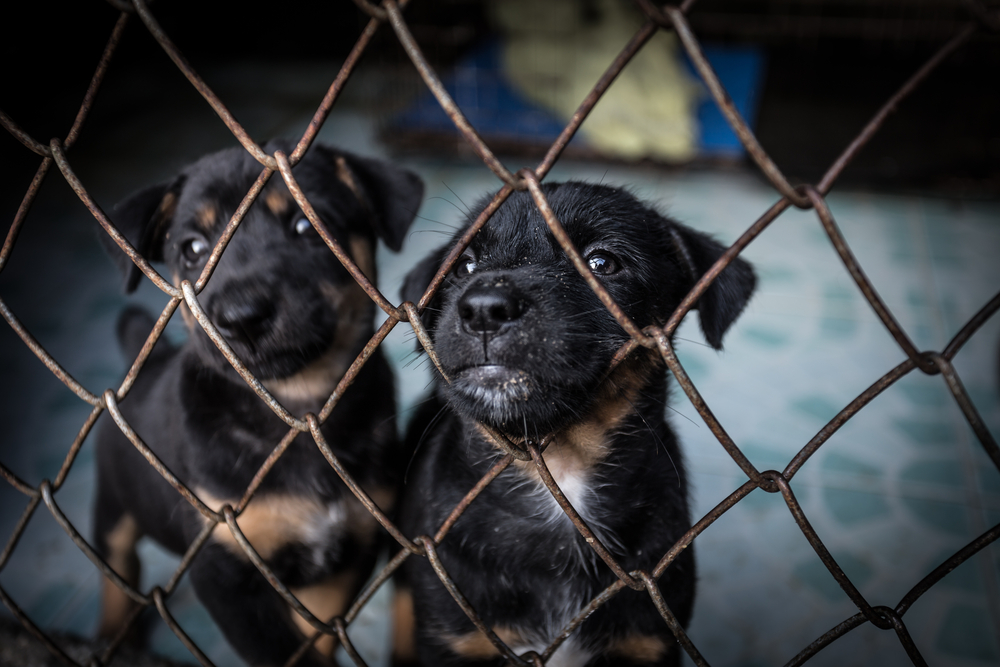
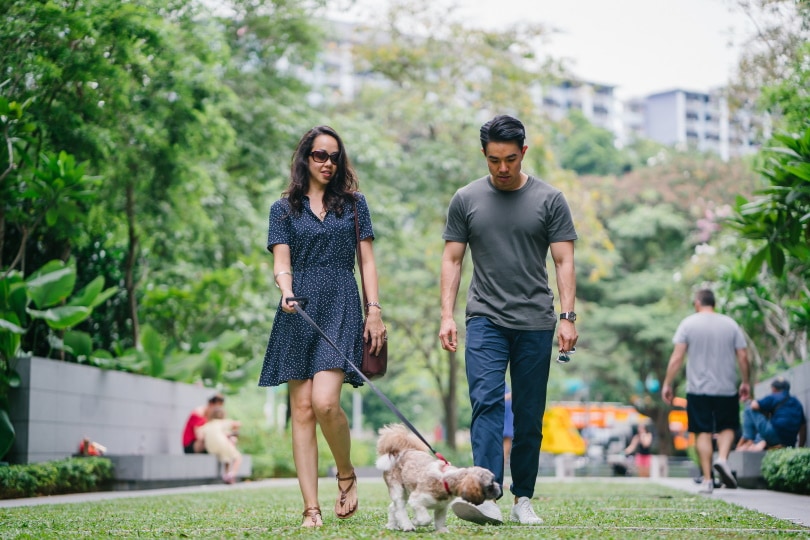
If you’ve never heard the phrase “pandemic puppies,” you can guess what it means—pandemic puppies are puppies and dogs that were adopted during the Covid-19 pandemic lockdown. According to data from the American Society for the Prevention of Cruelty to Animals (ASPCA),1 23 million Americans adopted a dog or cat from the beginning of the pandemic to 2021, which equates to 1 in 5 households based on the 2019 U.S. Census.
According to Frontiers of Veterinary Science,2 global online searches for dogs and cats peaked between April and May 2020; however, dog adoption searches decreased in July 2020 and returned to average compared with 2019 stats.

Are Most Pandemic Dogs Still in Their Homes Today?
When researching this topic, we found conflicting information about whether dogs were returned to shelters once the lockdown was lifted. A survey conducted in May 2021 revealed that from March 2020 through May 2021,3 90% of dogs adopted during the pandemic remained in their homes, while 87% of adopted cats also remained in their adoptive homes, which were promising numbers but the data was collected while some of the pandemic related restrictions were still in place
At the end of 2023 the Shelter Animals Count,4 an organization that tracks unhoused pet populations, reported that the numbers of dogs taken in had continued to rise over the previous few years causing a post-pandemic shelter crisis. The numbers had increased by 2.5% from 2022 and by 14.2 % from 2021. It is thought that the number may have been higher if the shelters were not already overcrowded and had more space to keep animals.
Are Pandemic Puppies More Likely to Have Behavioral Problems?
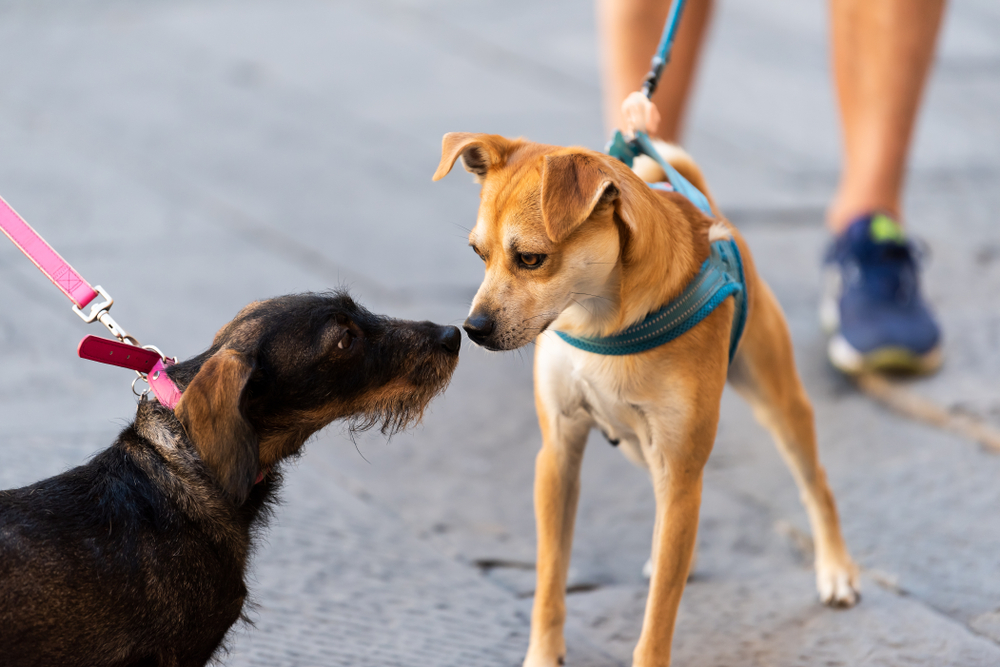
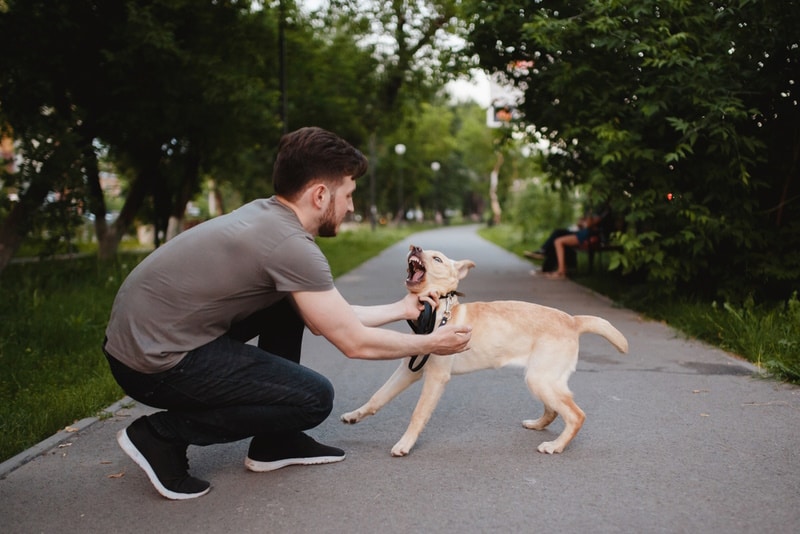
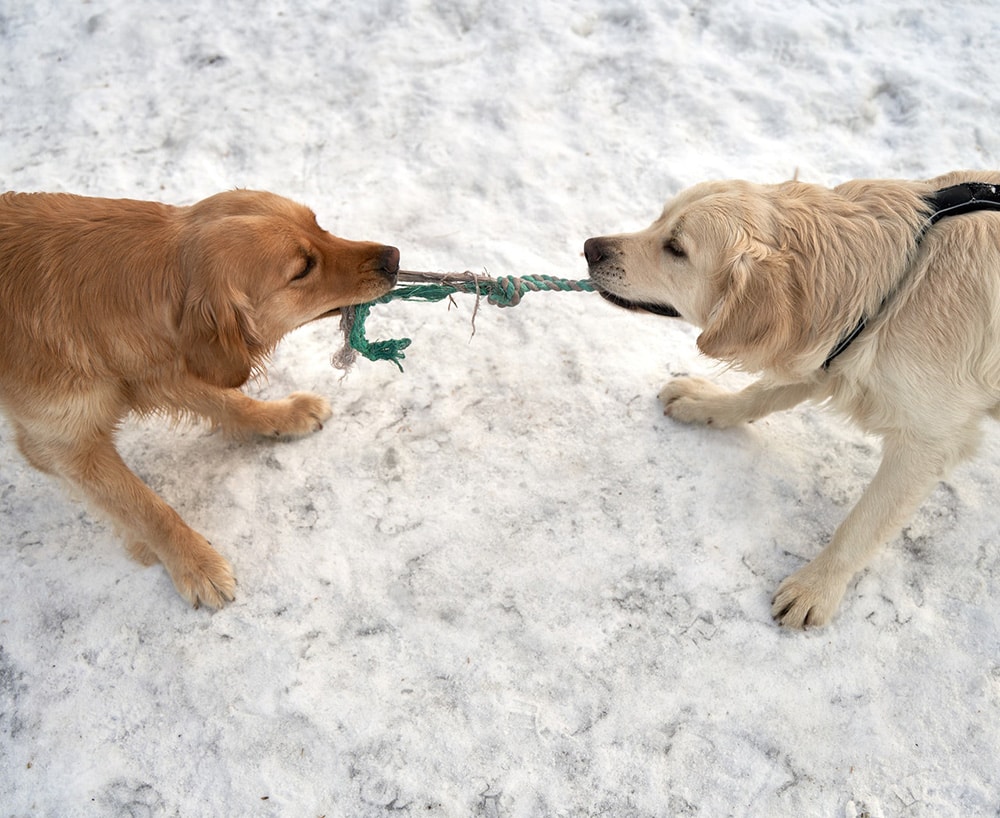
Studies have shown that there was a variation in the experiences of different dog owners during the pandemic, which partly depended on the age and background of the dog, as well as the experience of the owners. Although the pandemic restrictions often led to an increase in the amount of time owners were able to spend training and playing with their pups, there was a lack of socialization opportunities with other people and dogs. There was also an increase in first-time dog owners and they were unable to attend in person puppy classes.
Early appropriate puppy socialization has been shown to reduce the incidence of behavioral problems in adult dogs. In their first few months of life, puppies have what is termed a ‘socialization window’ when it is important they have lots of positive experiences with different animals, people, and situations. This allows them to learn and understand what to expect and how to react later on in life, and results in a more flexible and resilient adult dog.
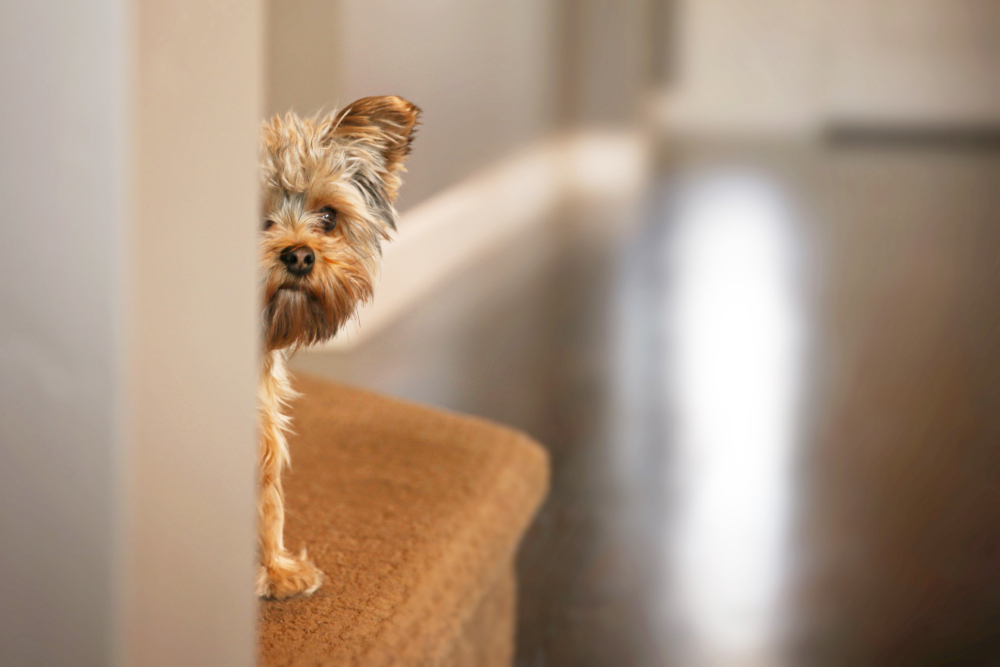
A UK study followed a cohort of over 1,000 puppies that were purchased in the pandemic and were under the age of 16 weeks. 97% of owners reported their dogs displayed at least one problem behavior but the average number of reported problems at 21 months was five. The most frequent behavioral issues were control behaviors (84%), attention-seeking (77%), fear/avoidance behaviors (41%) and aggressive behaviors (25%). In addition separation related behaviors were seen in one third of dogs and this was more likely in dogs with younger owners aged 25-34.
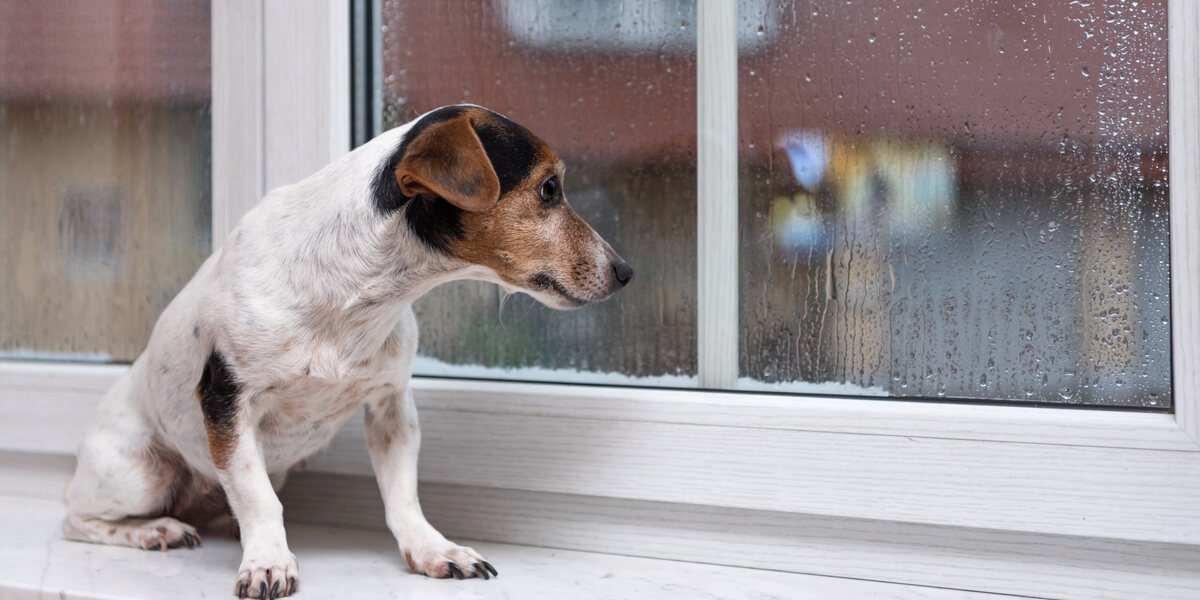
However, veterinary behaviorists presenting at a Florida Behavior Symposium in January 2023 did not report seeing a large increase in dogs with separation anxiety and stated that the behavioral issues arising from poor socialization were similar to pre pandemic levels. They suggested there is an ongoing lack of understanding about the importance of proper socialization.
Another study performed by Green Element, a CBD supply company, stated that there had been an increase in dogs’ anxiety from 2020 to 2022 in Finland. It also seems that dogs who were known to have issues pre-pandemic were the ones who were more likely to experience problems during the lockdowns.
Still, different households have experienced different outcomes, and further research is needed to fully understand the socialization and behavioral issues in pandemic puppies and dogs.


How to Socialize Your Pandemic Pup
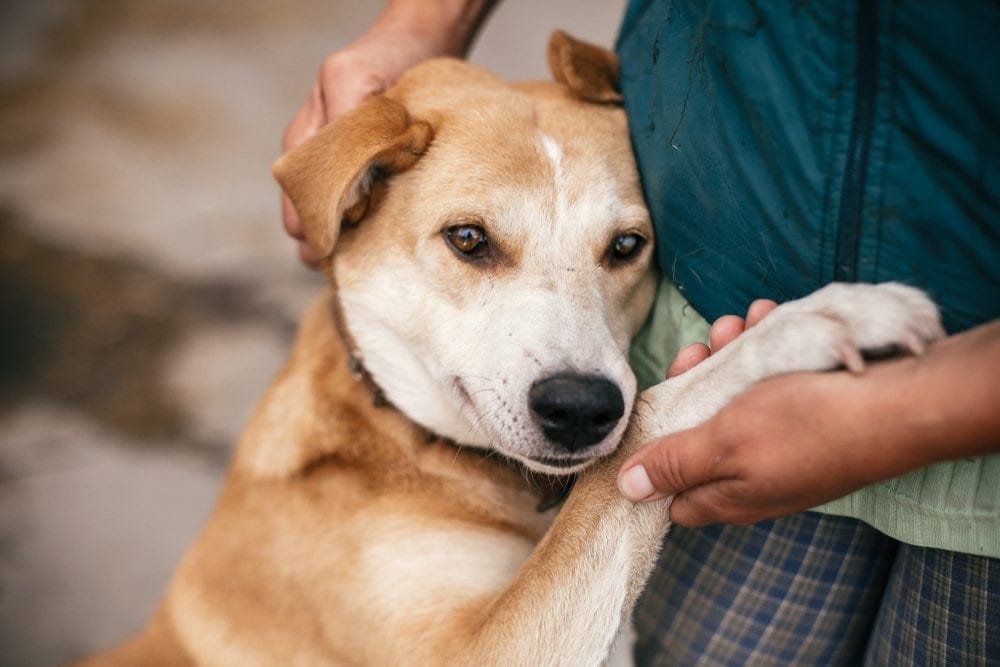
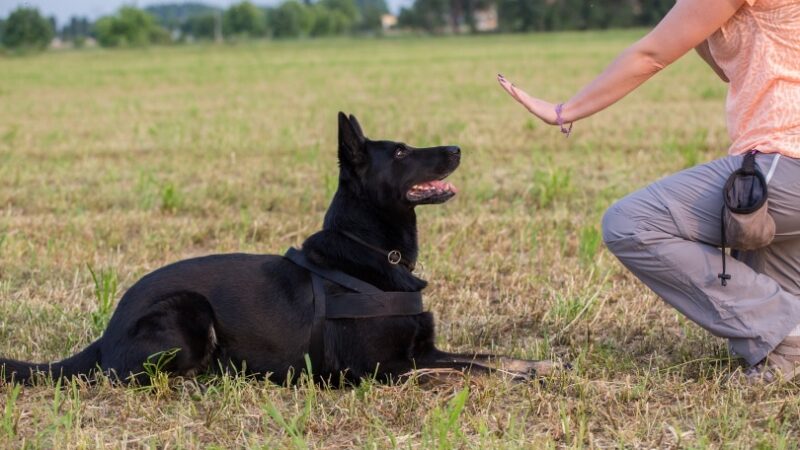
If you adopted a dog during the pandemic and are now experiencing socialization or behavioral problems, it's important to seek help as soon as possible. Progress can always be made with training and a behavioral modification program but it takes time and patience. Understanding and working with the dog you have with the help of a trainer or behaviorist is advisable. While we talk about the vital socialization window it is important to remember that socialization doesn’t end there. It is a lifelong learning process. Here are some tips to help socialize an older dog:
- Focus on your dog's issues, but don’t bombard them all at once. Work at your dog’s pace, starting slowly, and always use positive reinforcement and never punishment.
- Never force or drag your dog into an uncomfortable situation, such as a dog park.
- It’s best to set realistic expectations. Your dog may never be comfortable interacting with all other dogs,and may always be fearful of some new people for example, but situations can be managed if you are aware of what your dog struggles with. Never force your dog to be around other dogs or strangers if they’re uncomfortable, especially unsupervised.
- Provide sufficient physical exercise. Mental stimulation such as games and puzzles, can also help relieve anxiety and stress.
- Seek help and advice from a veterinary behaviorist if necessary to formulate a behavioral modification plan specific to your dog.
Final Thoughts
Some surveys have shown an increase in problem behaviors in pandemic puppies partly due to a lack of adequate socialization during lockdowns, but different households have had different experiences of the pandemic.
Remember that training and socializing an adult dog takes time and patience, but it’s possible as long as you keep the expectations realistic and positive. We’d recommend enlisting the help of a certified canine behaviorist for advice specific to your pup.
Sources
https://www.avma.org/news/pet-behavior-lessons-learned-during-pandemic
https://www.forbes.com/uk/advisor/pet-insurance/pandemic-puppies/
https://aspca.app.box.com/s/v4t7yrwalwk39mf71a857ivqoxnv2x3d
https://secondchancehumane.org/2022/04/26/what-s-really-happening-with-pandemic-pet-surrenders/
https://www.akc.org/expert-advice/training/puppy-socialization/
https://www.preventivevet.com/dogs/how-to-help-adult-dog-with-socialization
https://www.akc.org/expert-advice/training/puppy-socialization/
https://www.ncbi.nlm.nih.gov/pmc/articles/PMC9264766/#B14-animals-12-01682
Featured Image Credit: thka, Shutterstock
Expert dog care, straight to your inbox
Vet-reviewed advice, training tips, and the best of Dogster. Free, and you can unsubscribe anytime.
By signing up, you agree to our Terms & Conditions and Privacy & Cookies Policy.
Rachel Giordano is a writer and musician living in Pensacola, Florida, with her partner and their two dogs, Aero, a Border Collie/Sheltie mix and Sophie, a Boston Terrier. Rachel holds a Bachelor of Arts degree in communication and loves writing about animals of all types. When she’s not writing about pets, she loves to write suspense/thriller novels. A musician by night and writer by day, she enjoys educating the public about the needs and requirements of animals, big and small.
Join the conversation
Ask a question, share your story, or send private feedback.