My Dog Is Regressing in Potty Training, How Do I Help? Vet-Approved Tips


In this article
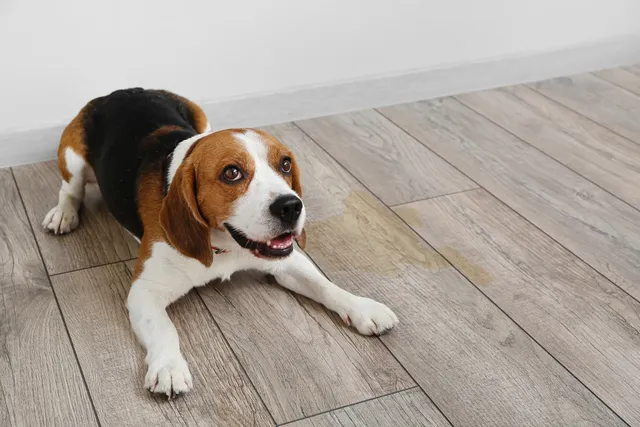
When your dog seems to forget to go outside to do their business or is marking around the house, it can be frustrating and even a little alarming. What’s causing this behavior is probably the first question that comes to mind, but finding the answer is easier said than done, as there are numerous reasons for potty training regression in dogs depending on the context of your situation.
Pinpointing why your dog is regressing in potty training can take some time because there are many different causes for regression, from simple stress to serious bladder conditions. To help you find the answer that best describes your dog’s unique case of puppy training regression, join us below as we break down the most common causes of potty training regression, as well as what you can do to remedy it.

The 4 Causes of Dog Potty Training Regression & What to Do
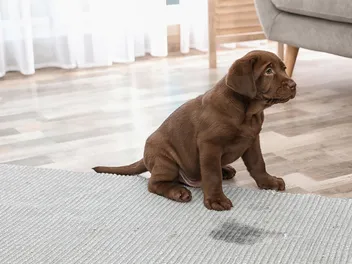
Like in children, dog potty training can go from flawless one day to two steps back the next day with little to no warning. The first and most important thing to understand is that your dog isn’t doing this out of spite or any negative emotion. Dogs can’t feel spite and certainly don’t potty in the house as petty revenge. It’s also usually not something that’s your fault, save for a few occasions when your training lacks consistency.
Unfortunately, dog potty training regression has so many causes that it’s impossible to tell at a glance what’s wrong without additional context. It’ll take some sleuthing and careful observation to narrow the possibilities below, so let’s walk you through the potential culprits right below and then go into each with more detail further down.
1. It Might Be Normal
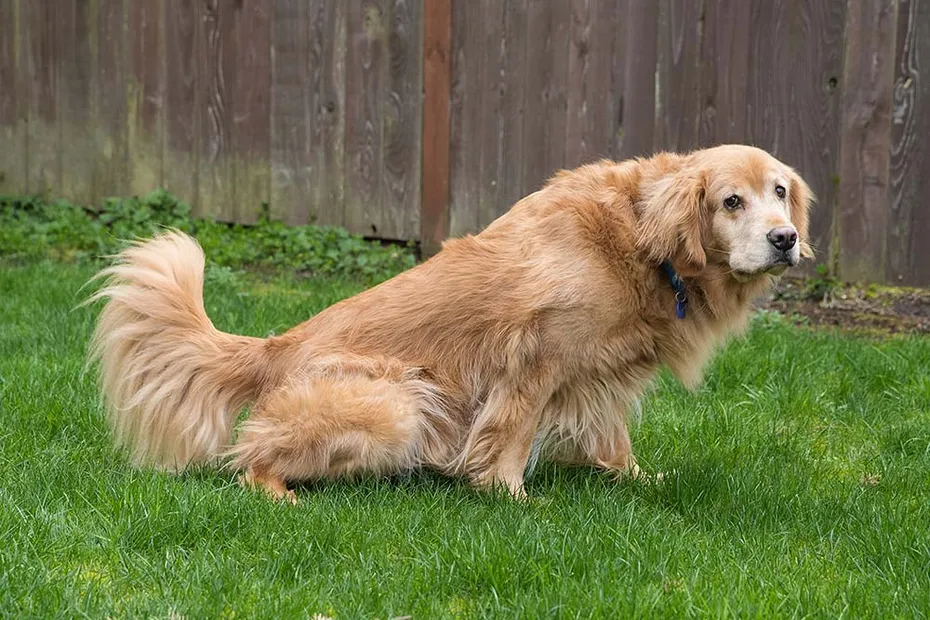
We know it’s not the answer you’re looking for, but sometimes regression is normal and just something you have to struggle through. This is most common during their juvenile period when your dog’s brain is changing and maturing. Their hormones go absolutely wild during this time, causing all sorts of harebrained behavior, including what might appear to be potty regression. Males might wish to mark their territory, for example.
You need to pay attention to notice the difference. When marking, the dog will only release a small amount of urine to leave an “open for mating” message or claim a territory as theirs.
What to Do
If you have identified that your dog is marking and did not have a potty regression, you need to decide the next steps. Deep cleaning the area with an enzymatic cleaner will reduce the likelihood of them being attracted right back by the smell. You can also consider blocking the dog’s access to a certain area, checking what’s going on with the dogs in the neighborhood, and talking to your veterinarian about the possibility of neutering your dog.
If you want to learn more about how to stop a dog from marking in the house, check out this post.
2. Stress or Anxiety
Nearly any sudden, life-altering change can be enough of a shock to cause your dog to regress in their potty training. For example, a new baby in the home, moving to a new home, and adopting a new pet are three of the most common life changes that can trigger potty regression in dogs of any age.
Stress and anxiety may also be something more subtle and unique to your dog, as some dogs get very attached to certain items, rooms, people, or other comforting parts of their routine. If any of those are removed or messed with, it could make your dog’s worries worse.
What to Do
Try spending more time with your dog, returning beloved objects that were removed from their crate, or minimizing the time they spend around suspected stressors, like other pets or crying babies. If you can figure out what’s triggering the stress, you might be able to remove it and get them back on track. Work alongside the veterinarian to figure out these stressors and how to deal with them.
3. Lack of Supervision and Consistency
While it’s not always possible to keep an eye on your dog at all times, if you’re not there to remind them of what to do, it could lead to accidents. Even if you catch your dog in the middle of a potty accident, you need to immediately take them outside to finish their business and continue to help them learn what to do.
Perhaps your dog still needs to be taken out more often to prevent such accidents. We know you likely already have a good routine down by this age, which makes it all the more frustrating to hear that your training may be to blame for your dog’s inconsistency. Unfortunately, neglecting to provide steadfast positive reinforcement throughout the housebreaking process could be a top perpetrator here.
What to Do
To help fix this, you should write down an ironclad mealtime and potty routine and never, ever deviate from it. Set an alarm if you need to—heavy sleepers, looking at you!
Keep a close eye on your dog throughout the day. When/if your dog goes potty, shower them with praise and pony up the highest value treat you can muster, then rinse and repeat for success! If your dog doesn’t go within 15 minutes at your potty spot, take them back inside and leash them to you so they can’t wander off to potty in a corner. Take them back out every 10–15 minutes, or whenever they start urgently sniffing and circling.
Avoid bringing your dogs inside right after they do their business. Reward the desired behavior with an opportunity to enjoy the fascinating outside world.
4. Visit the Vet—It Could Be a Medical Problem
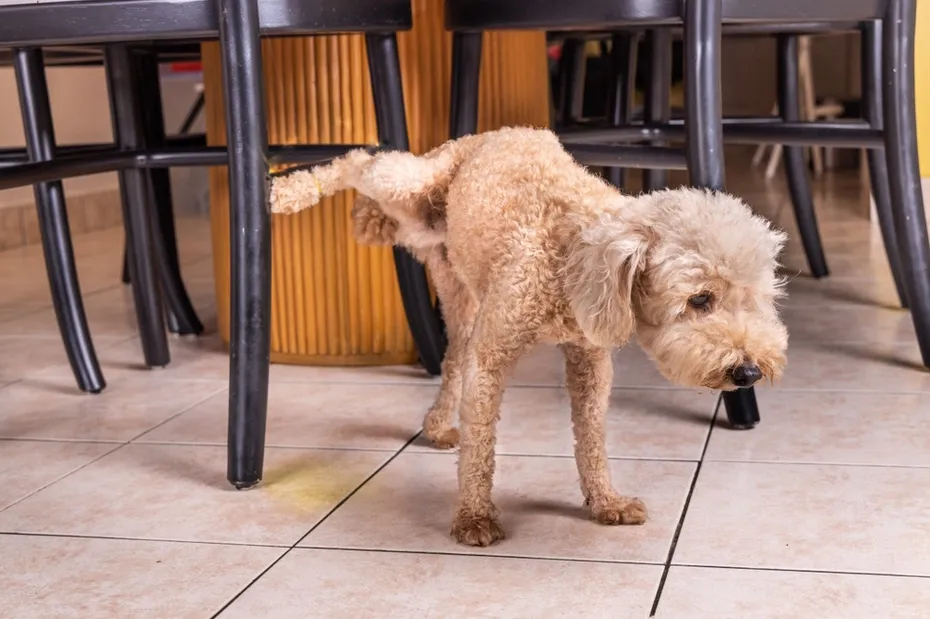
Unfortunately, in some cases, potty regression is indicative of a medical problem that makes going outside to potty painful or outright impossible. If your dog is older than 12 months or you’re seeing concerning signs alongside the regression, it could be time to visit a vet for a closer look.
Let’s take a look at some of the most common medical conditions that cause incontinence or potty regression in dogs. A few of these include:
- Urinary tract infection (UTI): An uncomfortable bacterial infection that causes bladder incontinence, painful urination, frequent urination, and licking/whining at the genital area.
- Inflammatory bowel syndrome (IBS): A painful digestive condition that causes frequent diarrhea, incontinence, vomiting, and appetite changes with weight loss, usually triggered by certain food types and stress.
- Diabetes: Diabetic dogs drink more water than average and are more likely to develop bladder incontinence that manifests as impromptu puddles or damp spots around the house.
- Bladder or kidney stones: Bladder and kidney stones are often caused by an imbalance in the urine or blood. Some common signs include urinary accidents, blood in the urine, abdominal discomfort, and difficulty urinating.
- Food Allergies: An inflammatory reaction to a certain ingredient in their food can result in irregular bowel function. A sudden attack of diarrhea may force an unavoidable episode of inappropriate elimination.
- Infections: Just like us, dogs are susceptible to gastrointestinal infections. Bacteria, viruses, and parasites can all cause a dog to lose control of their eliminations.
What to Do
Bear in mind these are just some of the most common causes and that many health problems or conditions can exhibit either bowel or bladder incontinence accompanied by other signs. It is important to note the frequency and consistency of their feces, as well as the frequency and volume of the urine. If something has changed, it might be medically related.
If you suspect your dog’s regression is health-related, you need to take your dog to the vet ASAP to get an accurate diagnosis. A vet will be able to figure out what’s going on and get your dog the help they need to feel better and get back on track with their housebreaking.

Other Tips for Handling Dog Potty Training Regression
Whenever your dog has an accident or they’re regressing in their training, the first rule is to always go back to the basics. Here are some additional tips to follow:
- Never yell at your dog or punish them for having an accident. Some owners resort to rubbing their dog’s nose in their mess and yelling, which could make them scared of you and make the regression worse.
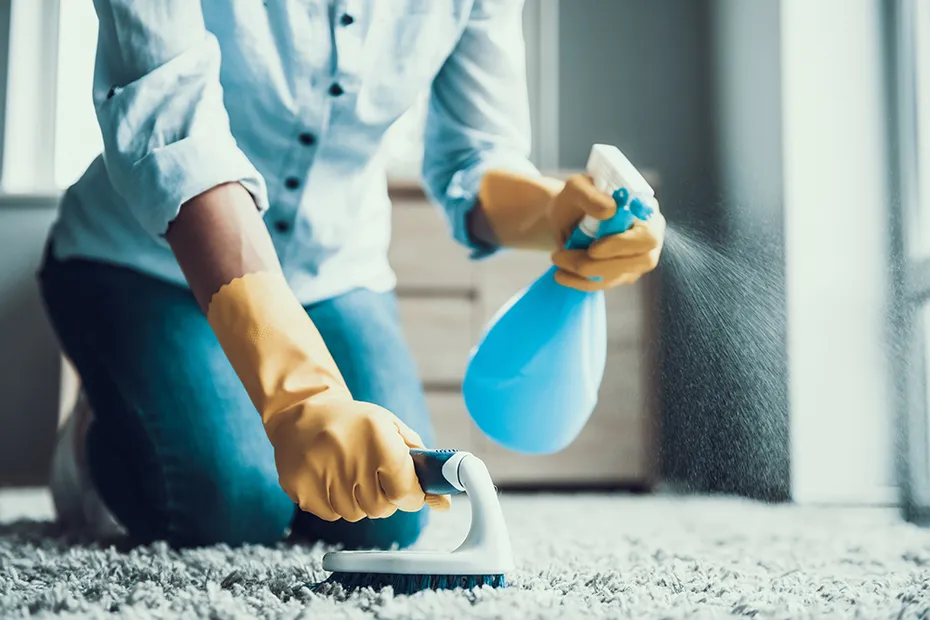
- Clean up any messes with an enzymatic spray. While a quick clean-up job looks and smells clean to you, your dog can still smell tiny traces of their own scent, encouraging them to go potty in that area again. With an enzymatic cleaner, the organic matter in urine is broken down and is more easily washed and wiped away.
- Whenever an accident happens, bring your dog’s attention to it and immediately take them outside. For example, if they pooped in the house, put on some gloves and pick it up while you take the waste and your dog outside. Put it in the area where they go potty to help them recognize that outside is the only acceptable place to eliminate.
- You might simply be waiting too long between potty breaks. Minimize the time between each potty break, and make sure you set a routine and stick to it.
Our Favorite Cleaner
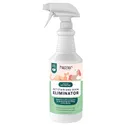
Hepper Advanced Bio-Enzyme Pet Stain & Odor Eliminator Spray is our favorite all-purpose cleaner for pet messes. It permanently lifts the very worst stains and odors, making clean-up and accident prevention a breeze. Hepper offers a 100% guarantee, which is a great bonus! Learn more about it here.
| Rating | Image | Product | Details | |
|---|---|---|---|---|
Best Enzymatic Cleaner
 |
|
Hepper Advanced Bio-Enzyme Pet Stain & Odor Eliminator Spray |
|
Check Price |
At Dogster, we’ve admired Hepper for many years, and decided to take a controlling ownership interest so that we could benefit from the outstanding products of this cool pet company!
Conclusion
Some dogs regress on their potty training between 4 months to a year old and return to their normal routine with time and patience. If your dog’s incontinence coincides with more serious signs like urgent bowel incontinence or excessive thirst, you want to talk to your vet about a diagnosis and next steps.
Sources
Featured Image Credit: Pixel-Shot, Shutterstock
Expert dog care, straight to your inbox
News, insights, expert advice, and everything dog.

No spam — unsubscribe anytime.
By signing up, you agree to our Terms & Conditions and Privacy & Cookies Policy.
How useful was this post?
Click a star to rate. You can leave written feedback afterwards. (We read all feedback.)
Codee Chessher is a freelance writer whose motto is: there is nothing a well-worded sentence can't accomplish! He loves to write about pets, travel, DIY, and more. Codee's experience is varied, but the written word has always been his strongest and biggest passion.