Lamb vs. Chicken vs. Salmon Dog Food: Pros, Cons & Differences


In this article
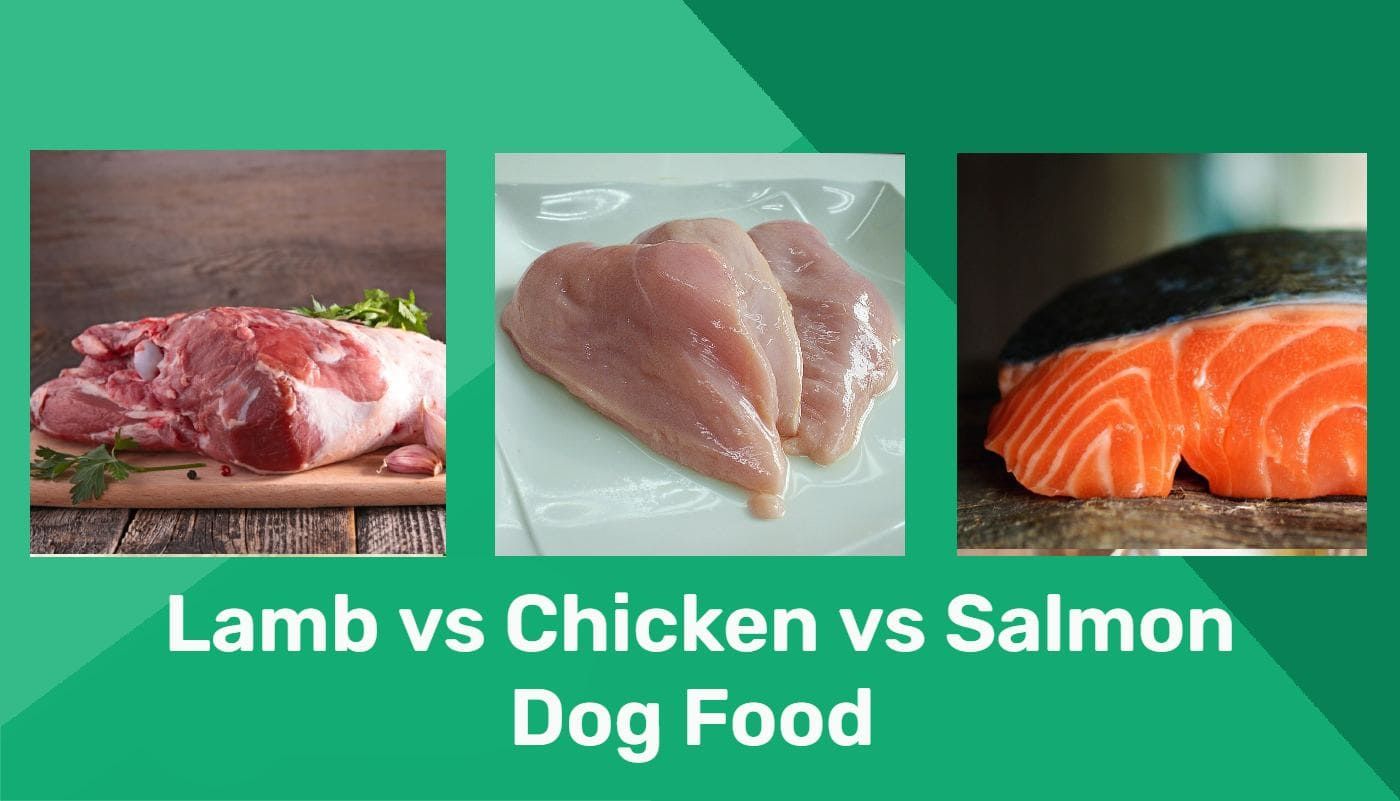
In this article, we’ll look at three of the most common protein sources found in commercial dog food: lamb, chicken, and salmon. Chicken is by far the most widely used protein. In fact, some chicken components may even be found in lamb and salmon diets. However, chicken is also a frequent culprit in food sensitivities among dogs. If your dog has confirmed food allergies or a sensitive stomach, lamb or salmon diets may be a better option, although you’ll need to read ingredient lists carefully to ensure there’s no chicken present. If you don’t have to be cautious about avoiding chicken products, congratulations! Your biggest issue will be deciding which of the dozens of chicken-based dog foods works best for your pup.

At a Glance
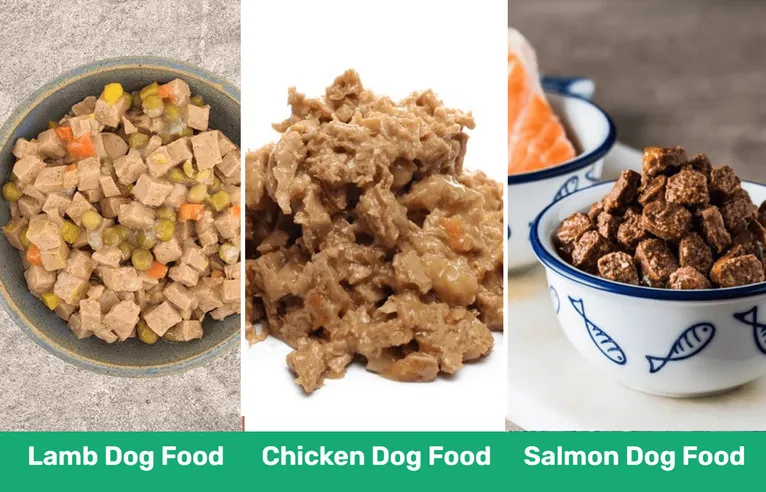
Let’s look at the key points of each product.
| Lamb Dog Food | Chicken Dog Food | Salmon Dog Food |
| Often used in allergy-friendly or sensitive stomach diets | Probably the easiest to find online and in stores | Frequently used in “novel protein” allergy diets |
| Not every brand makes a lamb-based product | Many different brands and food specifications (fresh, raw, grain-free, etc.) to choose from | Some brands do not produce salmon-based meals |
| Typically costs more because lamb is a more expensive protein | Generally cost-effective due to the overall cheaper price of chicken-based ingredients | Usually not available as a fresh food |
| Some lamb foods still contain chicken components | Chicken is a common cause of food sensitivities | It may have a “fishy” odor |
| It’s often sustainably sourced, which increases the cost |

Overview of Chicken Dog Food:
Chicken, chicken meal, and chicken by-products are the most common protein sources in dog foods. Chicken is sourced worldwide and affordable, especially if the manufacturing company has no qualms about buying from factory farms.
If you’re loyal to a particular dog food brand, you won’t have trouble finding meals with chicken. Chicken products are available in canned, dry, and fresh food for every life stage. Chicken dog foods are sold at your local pet store, grocery store, big-box chain, and convenience store.
The quality of the chicken used in these recipes can vary widely. For example, some brands advertise that they use “whole” or “real” chicken and shun by-products and meals. The term “chicken by-products” refers to the parts of the chicken leftover after processing for human consumption, essentially the organs, necks, feet, etc. Chicken meal is a high-temperature processed and dehydrated chicken product, and “whole” chicken is the actual meat of the bird.
All are commonly used protein sources for dog food, but dog food companies know that most pet parents would prefer to feed less-processed chicken meat and know exactly what is going into their pup's diet, and they will generally pay more for it. Some dogs would probably eat a dead chicken they found on the side of the road and don’t care which type of chicken they consume. However, studies have shown that high-temperature processed foods can have a higher content of advanced glycation end products or glycotoxins, and the current trend is feeding our furry family members gently processed foods with a clear list of ingredients.
However, since chicken is the most commonly used protein source in dog food, many dogs develop food sensitivities and allergies to chicken diets.
Pros
- Essentially every brand makes a chicken dog food
- Usually, the most cost-effective diets are chicken-based
Cons
- A frequent culprit in food allergies and sensitivities

Overview of Lamb Dog Food:
For many years, lamb dog food was considered the go-to choice for dogs with allergies or sensitive stomachs. Now, because it’s been available as an ingredient for so long, several dogs have been exposed to it, and lamb is not considered a true “novel (new) protein” for those dogs.
While not as common as chicken options, most dog food brands, offer at least one lamb-based diet. You’ll more than likely be able to find lamb food on shelves at pet stores, grocery stores, and big-box stores. Not all the specialty brands will offer lamb foods, however.
Lamb foods are also rarely available from the smaller, fresh pet food companies that are growing more popular. Real lamb is an expensive cut of meat, and private companies already have high production costs.
If you want to serve lamb to your pup, you may not be able to find it for every life stage of your dog. For example, a company may produce a lamb-based puppy or adult diet but not a senior one.
If you’re interested in lamb food because you suspect your dog is sensitive to chicken, you’ll need to check the labels carefully. Some lamb diets, especially lower-cost ones, use chicken products to fulfill their protein requirements.
Pros
- Offers an alternative choice for dogs with chicken allergies
- More corporate brands are using lamb
Cons
- It may not be available from smaller companies
- Not a novel protein for some dogs
- Some recipes will still contain chicken

Overview of Salmon Dog Food
Salmon dog foods are another alternative to offer different or novel protein diets. Limited ingredient diets often use salmon formulations suitable for use in food allergy trials and feeding to dogs with various digestive conditions. Besides the recipes designed for canines with allergies, you’ll also see salmon commonly used in sensitive skin and stomach formulas. The naturally high omega-3 fatty acid content of salmon makes it an easy choice as an ingredient to support skin health in particular.
Of the three dog foods, salmon diets will likely be the least accessible. Some pet food makers do not produce salmon food, and those that do are typically charging higher prices.
Of the three dog foods, salmon diets will likely be the least accessible. Some pet food makers do not produce salmon food, and those that do are typically charge higher prices.
Like lamb, salmon is rarely available as fresh dog food, and it typically costs more than chicken and lamb meals.
Because wild salmon is over-fished, you may want to be more particular about researching the source of the ingredients in your dog food. Dog food companies usually make it easy to find this information, especially because they know people are looking for it.
One problem with salmon dog food is that it has a strong, fishy odor that people find off-putting, and some dogs won’t care for the smell or taste of salmon meals either.
Pros
- Rich in omega-3 fatty acids
- Alternative choice for dogs with chicken or beef allergies
- A good option for dogs with sensitive skin
Cons
- Least accessible of the three foods
- Often has a strong odor
- Some dogs don’t like the taste

What Are the Differences Between Them?
Price
- Edge: Chicken
Manufacturers use several forms of chicken in their products, but the cheapest dog foods overall are generally made with chicken.
Convenience
- Edge: Chicken
Chicken is the most common protein used in dog food. If a rural gas station stocks a bag of dog food just in case a road-tripping pet parent forgets to pack theirs, chances are it’s a chicken diet.
Quality
- Edge: Salmon
The quality of the salmon will vary depending on the brand of dog food. However, salmon is generally only found as an ingredient in expensive dog food.

What the Users Say
Dog food manufacturers have their fans and their critics, so we’ve taken a look at customers’ opinions on lamb, chicken, and salmon foods overall.
Fans of chicken-based meals appreciate the low cost and convenience. However, they tend to be divided on their opinions of the various forms of chicken ingredients. Some are opposed to using recipes with by-products, for example.
We also noticed that users sometimes blame chicken dog food for any sign of itchy skin or digestive troubles in their pups, which may not always be fair.
Lamb dog food generally receives positive reviews, again with variations among brands. Several customers mentioned that even picky dogs seemed to enjoy the taste of lamb meals. Others found that lamb food did help with their dog’s potential food sensitivities. Some dog owners were frustrated that some lamb recipes also contain chicken ingredients.
Most customers were pleased with the quality and effectiveness of dog food with salmon, especially for sensitive pups. The primary complaint about salmon across the board was the smell. A few users warned pet parents to look out for hidden chicken ingredients in salmon-based meals, and others claimed the fish might not be the best choice for picky eaters.
Final Thoughts
For the average dog owner, chicken foods are the easiest and best option due to their broad appeal and wide availability. They generally work well for all life stages and breeds, barring those dogs with confirmed food sensitivities. Dogs with suspected chicken-triggered food allergies or sensitivities should look towards lamb or salmon options as long as they proceed cautiously to ensure there are no hidden chicken ingredients. Pups with severe food allergies will likely need a limited-ingredient diet with a true novel protein for their dogs. (check with a veterinarian before switching), making salmon dog food the superior choice.
Featured Image Credit: Lamb (margouillat photo, Shutterstock), Chicken (Pixabay), Salmon (congerdesign, Pixabay)
Expert dog care, straight to your inbox
Vet-reviewed advice, training tips, and the best of Dogster. Free, and you can unsubscribe anytime.
By signing up, you agree to our Terms & Conditions and Privacy & Cookies Policy.
Elizabeth Gray is a lifelong lover of all animals great and small. She got her first cat at 5 years old and at 14, she started working for her local veterinarian. Elizabeth spent more than 20 years working as a veterinary nurse before stepping away to become a stay-at-home parent to her daughter. Now, she is excited to share her hard-earned knowledge (literally--she has scars) with the readers. Elizabeth lives in Iowa with her family, including her two furry kids, Linnard, a husky mix and Algernon, the worldʻs most patient cat. When not writing, she enjoys reading, watching all sports but especially soccer, and spending time outdoors with her family.
Join the conversation
Ask a question, share your story, or send private feedback.