Can Dogs Eat Deer Meat? Vet-Verified Nutrition Facts & Risks


In this article
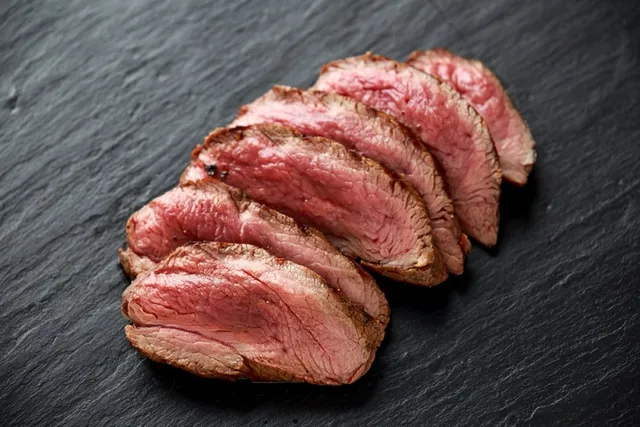
The short answer to this question is yes, dogs can eat deer meat, also known as venison. It's fairly similar to other types of meat, such as beef. Dogs are facultative carnivores, which means they prefer meat, they do best when they consume a large amount of meat, and they will typically choose meat when it is available. However, they can also consume and digest certain types of plant matter.
How you prepare deer meat matters. For one thing, it should always be completely cooked, as offering it raw may pass foodborne illnesses and parasites to your dog. You can also choose a venison-based food. However, be aware that many “venison-flavored” foods don't contain much actual meat, as venison is quite expensive. Always check the ingredient list if you’re set on specifically feeding deer meat to your dog.

The Benefits of Deer Meat
There are several benefits you may want to consider when giving your dog venison.
High in Protein
Firstly, venison is extremely high in protein, like most meats. Protein is vital for your dog’s health, as it helps them build and maintain muscles. More active dogs often need more protein, as their muscles become damaged and stretched more often.

Lean Meat
Venison is a lean meat, which means it is low in fat. All dogs, though particularly young and active dogs, need certain levels of fat to thrive. However, too much fat can also be bad.
High levels of fat may lead to certain health conditions, like pancreatic problems. Overweight dogs may benefit from a lean meat source like venison, as it provides the protein that they need without the extra calories from fat.
Hypoallergenic
Venison isn’t a common allergy for dogs, as they do not eat it as much as chicken and beef. Dogs do not develop allergies like people. Instead, they’re more likely to become allergic to a food the more they eat it. Chicken and beef are extremely common in dog foods. However, venison is quite rare, so is often a good choice for pups with allergies.

Nutrient-Dense
Venison is a fantastic source of many nutrients that your dog needs to thrive. It’s a complete protein, so it includes all the amino acids your dog needs for muscles and other bodily functions. It’s also high in several B vitamins, which can be hard to find in other foods.
Like most meats, venison is also high in iron, which is vital for blood production. Without iron, your dog can become anemic.
Downsides of Venison
While venison does have many benefits, it isn’t all good news. There are potential downsides you need to keep in mind before feeding venison to your dog.
Expensive
Venison tends to be much more expensive than other meats. Even if you just want to offer a commercial dog food, it tends to be more expensive, as venison is not as widely produced as beef, chicken, pork, or lamb.
Limited Availability
Venison can be hard to find. Deer aren’t farmed nearly as much as other animals. If you’re purchasing meat, it may only be available seasonally.
If you’re purchasing venison dog food, there are fairly few options available. Since there are fewer recipes to choose from, you may be unable to find a food that works well for your dog.

Excessive Protein Intake
Venison is lean with a high protein content. It can be excessively high in protein for some dogs, especially if it’s the only source of protein that they're getting. They may not fill up fast due to the low-fat content, leading to overconsumption of the meat.
Too much protein over a long period can lead to several health problems, like kidney disease and liver problems. Therefore, it’s just as important not to give your dog too much protein as it is too little.
Different dogs need varying amounts of protein, though. Large dogs need more protein than small dogs. Active dogs may require more protein, as they’re using their muscles more than sedentary dogs. Puppies and seniors sometimes also need more.
If you’re concerned about your dog’s protein content, you should ask your vet about their specific needs. There is no one-size-fits-all answer.
Can Dogs Eat Deer Bones?
While deer meat is safe for dogs, deer bones are significantly less safe, though that doesn’t mean you should never give your dog deer bones. They’re a natural food source that can provide dogs with added nutrients. Chewing on bones may also have oral health benefits (though some dogs chew so aggressively that they can injure their teeth). However, you should never give your dog cooked bones, as these can splinter and cause injuries. Cooked bones are incredibly brittle, and the sharp pieces can pierce the dog’s intestines and throat. Raw bones can be a risk, too. They may carry food-borne illnesses that can cause harm to you and your dog. If you have younger children, you should be especially cautious. Dogs can spread the bacteria to other surfaces, and young children tend to put everything into their mouths. You should also choose the right size bone for your dog. Large dogs often need large bones, as they have more jaw strength. Dogs that are voracious chewers may need thicker bones too. For instance, knuckle bones are often good options. A basic guideline is to aim for bones that are longer than the width of your dog's head and wider than their front leg. This greatly reduces the risk of the bone being swallowed or getting stuck in their mouth. Always monitor your dog if you decide to give them a deer bone. You should remove the bone after half an hour and throw out all bones within 3 or 4 days. This will help prevent food-borne illnesses from spreading due to the bone. Be sure to introduce deer bones gradually, as these can cause stomach upset and similar issues for some canines. Even dogs that have previously eaten venison may not do well on deer bones. Dogs should chew the bone—not eat it. If your dog starts eating the bone, it should be removed.
Conclusion
Dogs can eat venison as long as it is part of a balanced diet. It’s perfectly safe for canines to eat when cooked properly with no added seasonings. It is quite lean, meaning that it has a lower fat and cholesterol content than other types of meat. It’s not a common dog allergy either. For these reasons, it can be an excellent option for certain dogs with underlying conditions. Venison can be given as part of commercial dog food too. These diets tend to be rather expensive, though, which is something you should keep in mind before switching your dog to one. From a practical standpoint, introducing venison purely for the sake of adding variety is not necessarily a good idea. As mentioned, meats like venison are often good options for dogs with food allergies or sensitivities, but these are most effective when the dog has not eaten them before. You are much better off sticking to one or two protein sources rather than offering your pup a smorgasbord of options. See also:
Sources
Featured Image Credit: wax111, Pixabay
Expert dog care, straight to your inbox
Vet-reviewed advice, training tips, and the best of Dogster. Free, and you can unsubscribe anytime.
By signing up, you agree to our Terms & Conditions and Privacy & Cookies Policy.
Kristin loves to help pet parents create a fulfilling life for their pets by informing them on the latest scientific discoveries and helping them choose the best products for their pets. She currently resides in Tennessee with three cats, four dogs, two fish, and a lizard, though she has dreams of owning chickens one day!
Join the conversation
Ask a question, share your story, or send private feedback.