Dogs bark for many reasons: Perhaps they saw a squirrel run past the window or heard something fall over somewhere nearby. Sometimes, it’s just their way of telling off the cat that’s stolen their favorite spot. Sometimes they bark at things for no discernable reason.
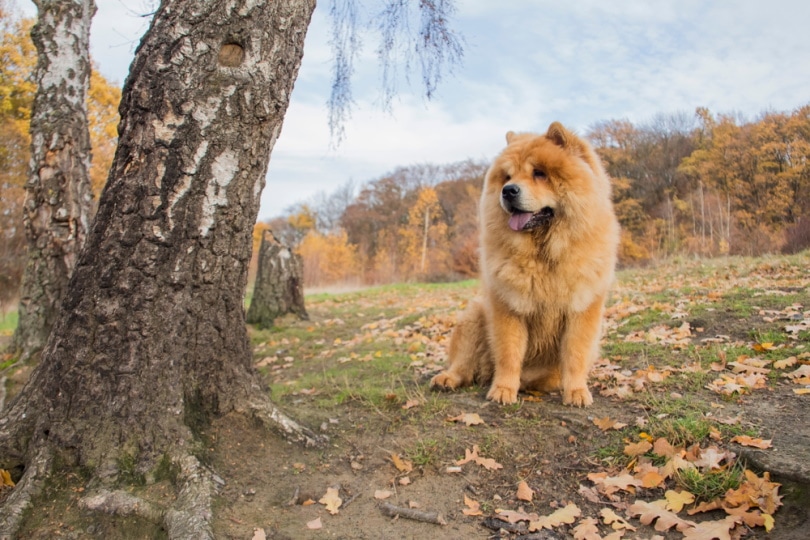
Barking at trees is one example of this behavior. If your dog typically only barks at people walking past the house or at cars and now they’re barking at an inanimate object, it can be a perplexing change. While it can be concerning, there are plenty of reasons that your dog could be barking at a tree.
While this behavioral issue can be annoying, it only takes a little persistence and hard work to fix it.

The 4 Reasons Your Dog Is Barking at a Tree
Many people let their dogs bark simply because it’s too much work to get them to stop or they just don’t understand why their dog is making so much noise. This isn’t ideal, especially if you live in a quiet neighborhood — nobody wants to listen to your dog barking all day. While most, if not all, dogs will bark on occasion and it’s completely normal behavior for them, excessive barking can be problematic.
Dogs always bark for a reason, though, and it’s not always something obvious. Overall, there are a few big reasons that your dog barks — at trees or otherwise.

1. Anxiety
One of the biggest causes of your dog barking at or even circling trees is anxiety. Dogs are incredibly sensitive to changes in their environment, even if it’s something minuscule to us, like redecorating. An empty room, the smell of paint, and hired help can all overwhelm your dog.
They can also become anxious when they’re left alone for too long, especially if they’re susceptible to separation anxiety.
If your dog is showing signs of anxiety, we suggest you speak to a vet.
If you need to speak with a vet but can't get to one, head over to PangoVet. It's our online service where you can talk to a vet online and get the advice you need for your dog — all at an affordable price!

2. Boredom
While some dog breeds are more active than others, any dog is likely to feel bored if they’re not given enough exercise or entertainment. Like anxiety, boredom can increase the amount of stress that your dog feels. If they don’t have any other outlet for their energy, barking is the next best thing. It’s similar to screaming into a pillow at the end of an especially bad week!

3. Communication
Dogs might not talk to us or each other in the same way that we do, but they still have methods of communicating. To them, barking is just a way of talking and expressing themselves. They’ll bark to get your attention if you’re too absorbed in your favorite show or to show their displeasure at the cat blocking the hallway.
4. Squirrel!
At first glance, it might seem like your dog is barking at a tree, an inanimate object. But sometimes, your dog isn’t barking at the tree so much as the squirrel — or another animal — that they can smell in or around the tree.
If your dog chased the creature up the tree in the first place, they’ll be hyped up enough from the chase that barking is the only way to alleviate their frustration. A strange animal being in their yard may set off your dog’s territorial instincts too.


The 5 Ways to Stop Your Dog Barking at Trees
1. Figure Out Their Trigger
First, you’ll need to work out why your dog is barking at trees if you want to properly correct the behavior. Knowing whether their new habit is a result of anxiety, boredom, or just strange animals encroaching on their territory will help you figure out the best way to redirect your dog’s attention.
Figuring out your dog’s triggers can be easier said than done, though, and it will take keen observation or trial and error to properly work things out. Pay extra attention to any signs of wild animals, like squirrels, living in your yard that might set off your dog.
You also need to consider any recent events that could trigger your dog’s anxiety. Long days at work, skipping your lunch break, a new puppy, or even a house guest can all be enough to upset your dog. Missing your daily walks because of the weather or not engaging in playtime are also possible anxiety triggers.
2. Target the Cause
Once you’ve figured out your dog’s trigger, you can make a game plan to correct your dog’s excessive barking. It can be easy to block your dog’s view through the window or even shut them in another room, but those solutions don’t teach your dog to not bark at whatever it is that sets them off. If their behavior is due to anxiety or boredom, ignoring them won’t help.
This can be easier said than done, of course, especially if your dog is barking at the persistent squirrel living in your yard. While you can try to use deterrents to convince the squirrel — or another wild creature — to leave your yard alone, teaching your dog not to bark at it is the more reliable option.
How you target the cause depends on what your dog’s trigger is. Anxiety and boredom can be alleviated by changing your dog’s environment and keeping their routines as familiar as possible. For other animals or people walking past the fence, you’ll need to retrain your dog’s response to the situation.

3. Obedience Training
One surefire way of targeting behavioral issues, whether it’s barking or other unwanted habits, is properly training your dog. Obedience training is a great deal of work, but it’s incredibly rewarding.
To stop your dog barking at the tree in your yard, you’ll need plenty of persistence and positivity. A pocketful of treats will help too. Start with your dog on a leash, and gradually reduce the distance between them and the tree. Whenever they don’t bark, reward them with praise and a treat. When they do bark, avoid yelling and instead, take them away from the tree again.
More than anything else, remember that obedience training takes time and effort to be effective. Keep sessions short and sweet, and don’t give up, even when your dog does better on some days than others. It’s an ongoing process that shouldn’t be rushed.
You can also train your dog how to be quiet on command. With a treat in your closed fist, hold your hand in front of their nose when they start barking. Once they stop, give them a command, like “quiet,” and reward them.
The more times that you do this, the more time you can leave between the command and the treat until you can wean them off the food entirely and praise the good behavior instead. With consistency and positive reinforcement, your dog will learn to stop barking on command. You can also teach them this command before exposing them to their trigger and other distractions.
4. More Exercise
Boredom is a common cause of a dog’s behavioral issues, and it’s one of the simplest to fix. Going with your dog on regular walks or lengthening the ones that you already take can help manage their energy levels. Giving them plenty of things to do is also another way to keep their minds active.
Toys that they can play with on their own are ideal for redirecting any destructive tendencies while you’re busy at work. Don’t forget to spend time playing with them, though. A game of fetch at the local dog park or tug in your backyard will use up their energy. You can even consider agility and swimming classes for dogs if you want to be more adventurous.

5. Build a Stable Routine
Life can get in the way of the best-laid plans, but having a dog is a great way to encourage even a small amount of routine in your everyday life. They love knowing when they’re going to be fed and when their daily walks are. Keeping them happy by sticking to a set schedule is a great way to alleviate any anxiety that they might develop.
If your dog is prone to worrying over the smallest of changes in their environment, a steady routine will help reassure them that everything’s still okay. You can even ease their separation anxiety with trips home for your lunch break if you work close enough to home to do so.
Conclusion
Excessive barking is a common behavioral issue when it comes to dogs, and it’s not always easy to tell why they’re being so noisy. If your dog has only recently started barking at the tree in the backyard, it can be both amusing and bewildering. Obedience training, more exercise, and a stable routine can all help curb the behavior.
See also:
- How to Keep a Dog Entertained in the Yard
- Why Is My Dog Barking at Nothing? 6 Reasons & How to Stop It
Featured Image Credit: Debbie Kanders, Shutterstock
 The 4 Reasons Your Dog Is Barking at a Tree