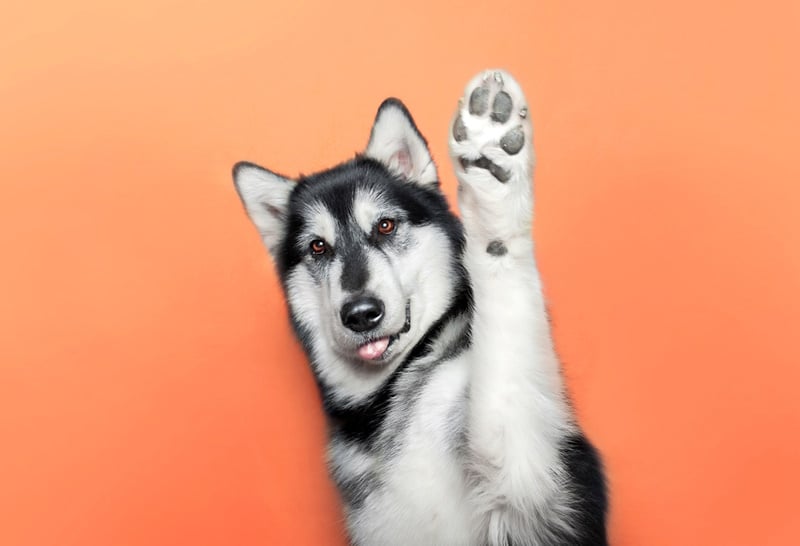
Gnaw, gnaw, gnaw—will the noises ever stop? You are looking over at your dog nipping the daylights out of their paw pads, and it honestly looks kind of painful! They’ve been itching so much lately that it’s got you thinking—could something be wrong?
While the occasional itch is normal and to be expected, excessive itching in a dog’s feet could indicate a problem for sure. Luckily, most of the issues are easy to control. Let’s get a closer look at what could be going on with your pup.

What Can Cause Itchy Feet?
There is no one-size-fits-all answer to the quandary of what causes itchy feet in dogs. In fact, we have seven different potential causes in this article alone.
1. Food Allergies
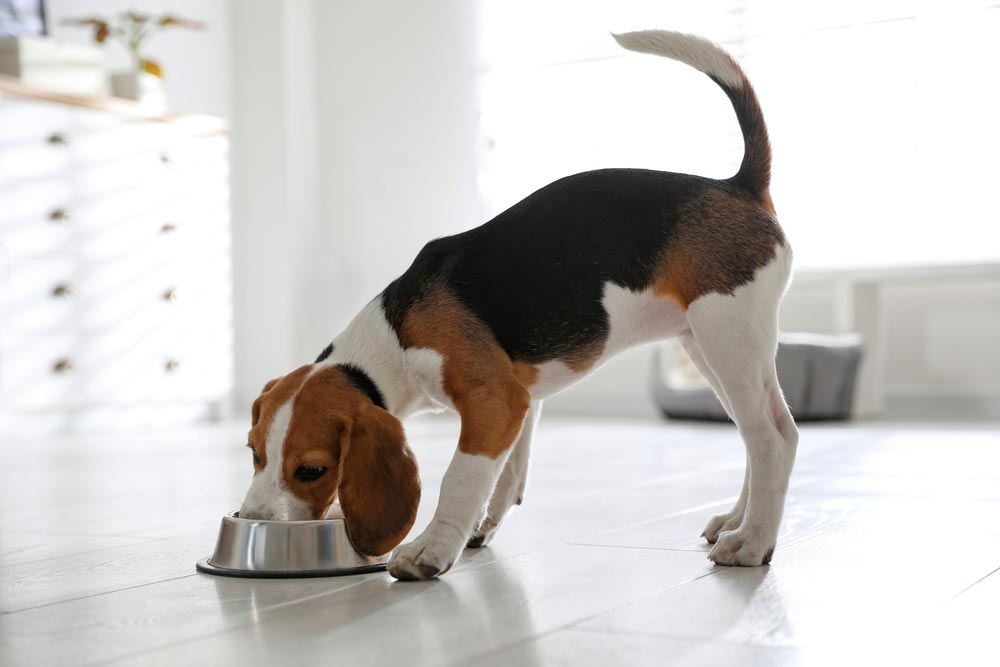
Food allergies are a pretty common problem in dogs, so it would be no wonder if this might be the underlying issue. Your dog could be sensitive to many ingredients in their daily food dishes—who would know which without further examination?
Food allergies can be tricky to diagnose and hard to treat. Dogs can be sensitive to several additives in dog food, most commonly protein such as chicken and beef, but also ingredients such as soy, wheat, and dairy.
- Itchy or skin
- Vomiting
- Diarrhea
- GI upset
- Weight loss
- Treatment
Diagnosis and treatment for food allergies can take a lot of trial-and-error. It usually involves elimination diets, in which you eliminate certain ingredients in your dog’s food until you figure out which one is causing the allergy. Once your vet has determined what type of food allergies your dog has, you can take the best course of action from there.
- Long-Term Solution
The only real long-term solution to food allergies is to provide your dog with a diet free of irritating ingredients.
2. Environmental Allergies
Environmental allergies include anything in your dog’s environment that might be irritating their skin or nasal passages. Triggers can be anything from pollen, grasses, molds, and chemicals they come in contact with frequently.
Since allergy symptoms come on suddenly when your pet is exposed, it might be easier for you to pinpoint the change to identify the trigger than it is with food allergies.
- Itching
- Sneezing
- Skin irritation
- Hot spots
- Treatment
If you are not sure what caused your dog’s allergies, your vet can run some tests to determine the allergen, which usually involves exposing your dog to different triggers to see what is causing the reaction. If your dog’s environmental allergies are pretty bad, your vet will prescribe them medication to manage the symptoms. There are many different treatment options, so your vet will choose the one that they feel works the best for your particular breed.
- Long-Term Solution
Environmental allergies cannot be cured, but they can be worked around. If your dog is allergic to an environmental trigger, you can try to keep them away from it as much as possible. Vets can also prescribe antihistamines for your dog in the event that they do have an allergic reaction to something.
3. Yeast Infections
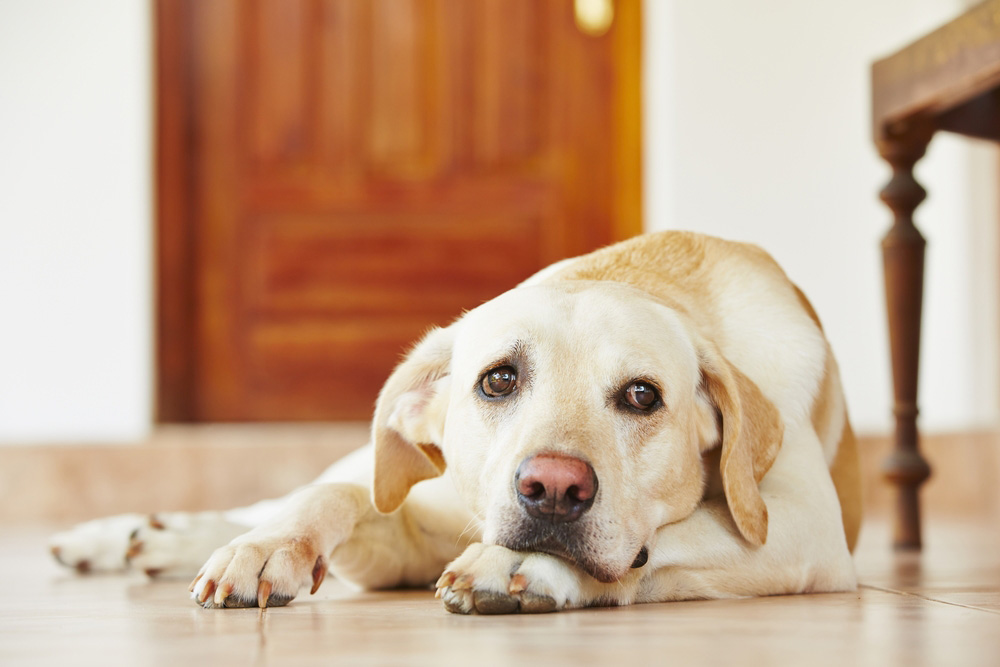
Yeast infections are relatively common in dogs and affect the skin. These infections can happen as a result of different environmental allergies or imbalances in the body. You can often easily distinguish a yeast infection once you are familiar with it, so it is important to make sure they are not recurring if that’s the issue.
- Red irritated skin
- Itching
- Dark pigmented spots
- Flaking skin
- Sores
- Musty odor
- Hair loss
- Treatment
When treating yeast infections, oral medications and medicated baths can help to completely resolve the issue. Your vet might prescribe topical or antifungal medications for the paw pads. Your pup also might be given steroids to reduce inflammation.
- Long-Term Solution
Long term, it is important to prevent yeast infections from occurring. To do this, it is important to treat the underlying issue that is causing the yeast infection, which can vary from dog to dog. Only your vet can determine the best course of action.
4. Fleas
Fleas are a very common parasite in dogs, which is the reason we have to treat our dogs so vigorously. Once your dog gets fleas, they can be extremely hard to eradicate and they can live in your fabrics and furniture for quite some time.
If you don’t keep up with routine flea treatments like you should, it is very possible that your pup has contracted this pesky parasite.
- Itchiness
- Skin redness
- Scabs
- Hot spots
- Fur loss
- Tapeworms
- Seeing fleas or flea dirt
- Treatment
Treating fleas should be relatively easy, but it can be quite a task! You have to kill all life stages of the flea for the treatment to be successful. This might mean implementing many different signs of flea preventatives to come at them from all angles.
It is important to keep up on it for several weeks to ensure that no fleas are living in your home or on your pets.
- Long-Term Solution
There is no injectable you can give your dog that prevents them from getting fleas for the rest of their life. So, it is crucial to treat your pup on a regular schedule as recommended per the flea treatment you choose.
5. Parasites
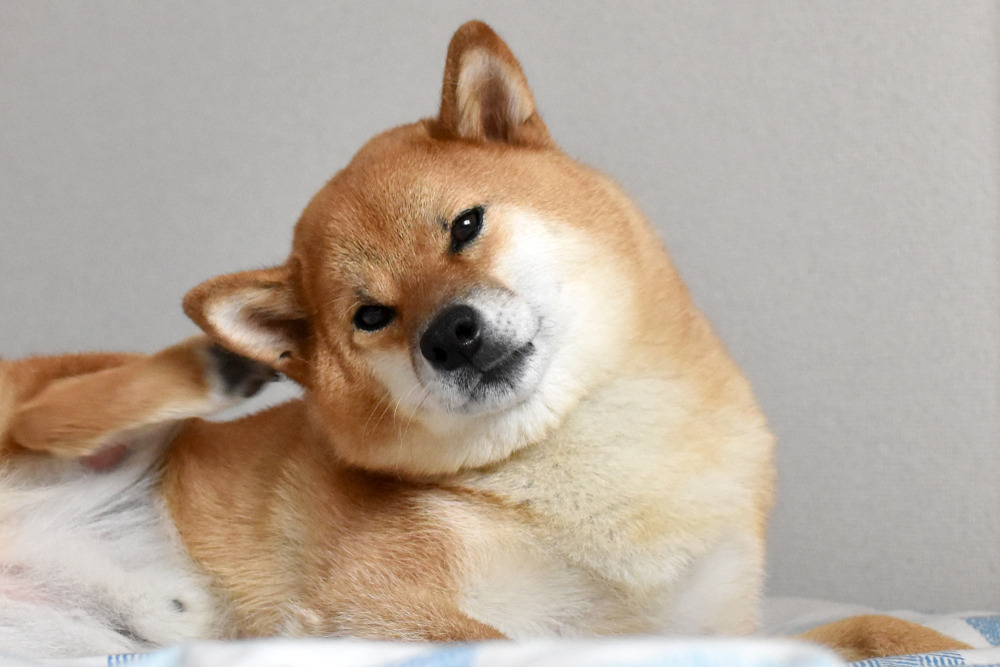
Parasites are super common for our pups, which is why we have to give so many treatments against them every year. If your part has certain parasites, it can cause itchiness on certain areas of the body along with a few other symptoms.
- Itchiness
- Diarrhea
- Weight loss
- Lethargy
- Bloated abdomen
- Cough
- Appetite loss
- Treatment
Parasites are treated with anti-parasitic treatments. Ultimately, the type of parasitic treatment will depend on the parasite in question. Once it is eradicated from your pup’s body, the symptoms should subside.
- Long-Term Solution
Parasites require frequent and constant prevention. The only long term solution is to give your dog anti-parasitic treatments or natural treatments at home that are equally effective and vet recommended.
6. Dry Paw Pads
Dry and cracked paw pads are usually the result of environmental factors that affect our pups. Sometimes, it could be caused by an underlying health condition, though it’s much less frequent of a culprit. Usually, it happens from winter temperatures, hot pavement, or chemical exposure.
- Itchiness
- Paw swelling
- Chewing paw pads
- Holding paws up
- Thickened paw pads
- Bleeding
- Treatment
The treatment of dry and cracked paw pads varies depending on the severity. Ultimately, you want to keep the paw pad clean and debris-free.
There are tons of options and treatments available online and in-store, and you can whip up a few of your own concoctions to soothe the issue as well after consulting with your vet. For example, shea butter, vitamin E, beeswax, coconut oil, and olive oil are all-natural methods to soothe dry and cracked paw pads.
If you need to speak with a vet but can't get to one, head over to PangoVet. It's our online service where you can talk to a vet online and get the advice you need for your dog — all at an affordable price!
- Long-Term Solution
In the long run, you will simply need to make sure that you are keeping an eye on your dog’s paw pads. This is especially true if it is icy or snowy outside, as the temperatures and the salt on sidewalks can sometimes cause cracking.
You can also buy a humidifier for your house to make sure that your dog is getting the proper humidity in the air. Hydration is also important, so if you think that your dog might be lacking in this department, think of creative ways to add more moisture to their diet.
7. Irritation from Poor Hygiene
If your pup’s paw pads are pretty dirty, this can cause itching and irritation as well. Things like dirt, poor hygiene, or excessive moisture accumulation between the toes can all lead to itchy, red, and inflamed paws.
If your dog has long hair around their paws, it can be especially troubling as it can increase the moisture and debris trapped between toes.
- Itching
- Hyperpigmentation
- Red irritated skin
- Limping
- Paw chewing
- Treatment
When your pup’s paws are irritated, your first line of action will be eradicating the problem and mending the irritation. You can try different methods, but it is very important to keep your dog’s paw pads dry during this time.
- Long-Term Solution
Dogs generally require baths every 4 to 6 weeks. This part of canine care will remove any dander, dirt, and debris build up from the body, leaving your puppy fresh and clean head to toe. Keeping up with routine baths and ensuring your pup’s paw pads stay dry and moisture-free will prevent paw cracking.
If you are looking for the perfect product to clean your dog's sensitive areas, Hepper's Wash Wipes are our recommendation, plus it's a great on-the-go option. These premium wipes are thick and durable enough for the toughest of paw messes, while still being soft enough to use on your dog's ears or eyes. Formulated with pet-friendly, hypoallergenic ingredients they are the ideal product for all dogs of all ages, skin conditions, or sensitivities.
At Dogster, we’ve admired Hepper for many years and decided to take a controlling ownership interest so that we could benefit from the outstanding designs of this cool pet company! 
Take Your Dog to the Vet
While most causes of paw itching are irritating at best, it’s still best to have your dog evaluated by your veterinarian. Your vet can get to the bottom of the issue and recommend some relief options according to what they find.
How to Provide Relief to Suffering Dogs
Now that you know potential reasons for your dog’s feet being itchy, it’s time to get to the solutions! Here are a few ways you can prevent paw irritation and itchiness and keep your pup’s tootsies itch-free.
Good Hygiene
Good hygiene is always the best practice! During bath time, don’t forget to get in between each one of your dog’s toes on their paw pads to ensure that you are getting rid of any debris or build-up inside. Just remember to rinse well! Leftover soap or shampoo can also be an irritant.
Giving your pet a bath can be a difficult task, but the first step is to choose a great shampoo. We love Hepper's Shampoo Products, both of which are natural, pet-safe options specially formulated to clean your pet's skin and coat without causing irritation. Both formulas are also free of things like dyes, soaps, sulfates, and phthalates. Your pet will enjoy the soothing aloe vera and oatmeal, and you'll love the clean, fresh scents! At Dogster, we’ve admired Hepper for many years, and decided to take a controlling ownership interest so that we could benefit from the outstanding products of this cool pet company!
Image
Product
Details
For Bathing

Hepper Oatmeal Pet Shampoo
Check Price
For In-Between Baths

Hepper No-Rinse Pet Shampoo
Check Price
Treat the Underlying Condition
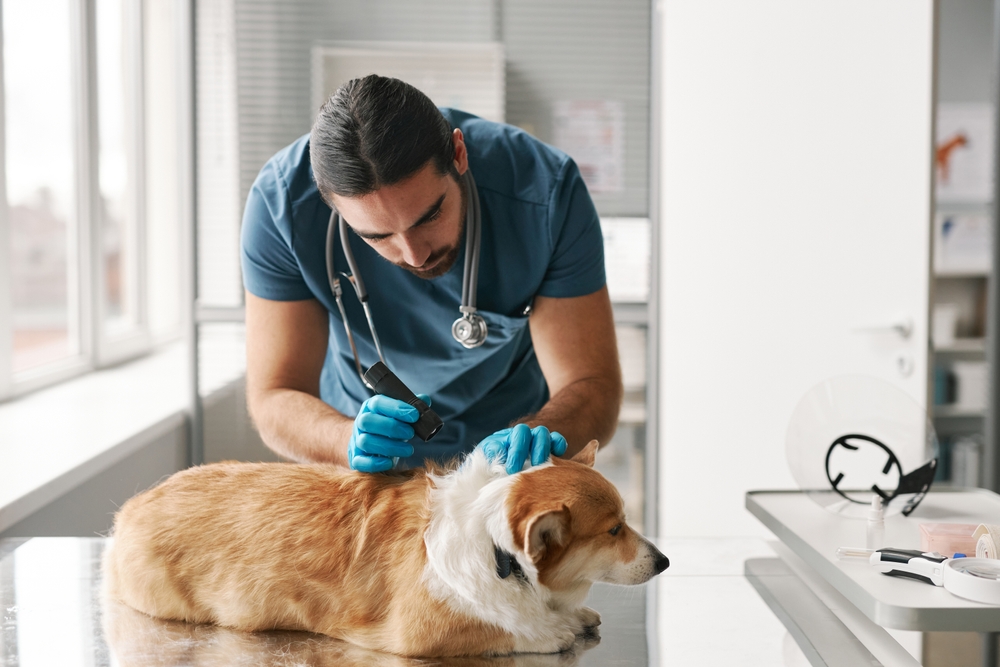
As we mentioned, working with your veterinarian directly can provide the fastest way to relieve the itchiness. They can work closely alongside you to ensure that your dog is taken care of and symptom-free.
Control with Medications
If your dog has allergies or another treatable condition, your doctor might prescribe medications to alleviate symptoms or control overall illness. It is important to stay on task and give your dog their meds on a timed basis for optimal results.
Buy Paw Balms or Protectants
There are certain things on the market you can buy that add an extra layer of protection between your pup’s paws and the environment. You can start by looking at paw balms online.
Use Hypoallergenic Products
Hypoallergenic products are always advisable to avoid any irritation whatsoever. You never know how dogs will react to certain chemicals in products with fragrances and other harsh additives. We recommend steering clear from the beginning and using only products that are safe for dogs and hypoallergenic.

Conclusion
Now you know a little more about what could be driving your pup wild. Itchy feet are no fun for anyone—furry or fleshy alike. So, getting to the underlying problem is always the quickest route to the best solution.
Make an appointment with your vet to get a professional opinion today! You will be one step closer to canine relief.
Featured Image Credit: KPhrom, Shutterstock
 What Can Cause Itchy Feet?