How Can Dogs Be Tested to See If They Are “Purebred”? Vet-Reviewed Facts & FAQ


In this article
When you have a dog with an uncertain lineage, you may wonder where they came from. What different breeds went into making the unique and individual look of your particular pup? Conversely, if your dog is purebred, would the results of the DNA test confirm that?
Fortunately, with the advancements in science today, we can know a whole lot more about our canine companions. But how exactly are our dogs genetically tested, and can they be tested to see if they are purebred? We have all the answers here!

How Do You Know If a Dog Is Purebred?
It's important to note that even if a dog is a single breed, it doesn’t necessarily mean the same thing as being a purebred. Purebred status is determined by pedigree papers and registration bodies like the American Kennel Club (AKC).
But maybe you got a dog from someone and this person told you that the dog was purebred, but you want to double check this and confirm what breed they are. There are three ways to help you determine this.
The first way is to compare your dog with the standard of the breed you think your dog is. This can be found on the AKC website.1 The second way (and the most reliable) is to get paperwork and the pedigree from the person you bought your dog from confirming that they are purebred. Paperwork is often needed to register your dog, anyway.
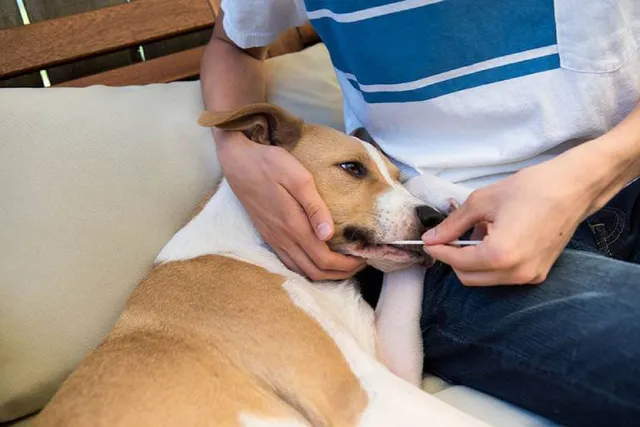
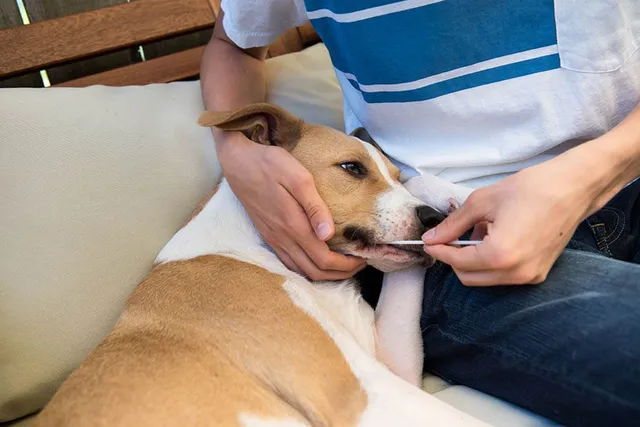
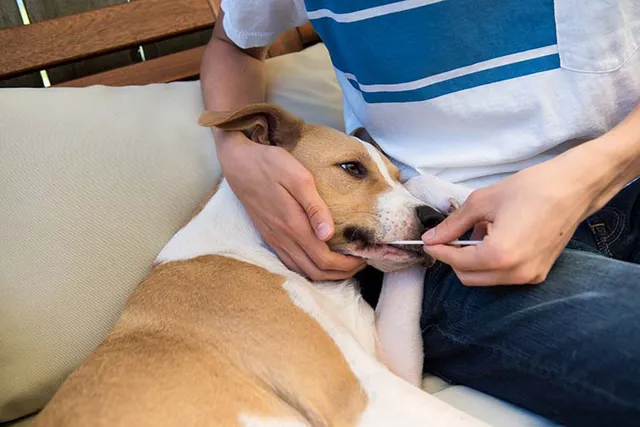
The third and most common way that people test if their dog is of unknown parentage is to have their DNA tested. A kit can be ordered and sent straight to your door. It just needs a saliva sample, which you can collect at home.

What Are Dog DNA Tests?
DNA tests work by analyzing your dog’s unique genetic code. This enables you to gain an understanding of their genetics and specific traits. It can help determine what breeds make up your particular pup.
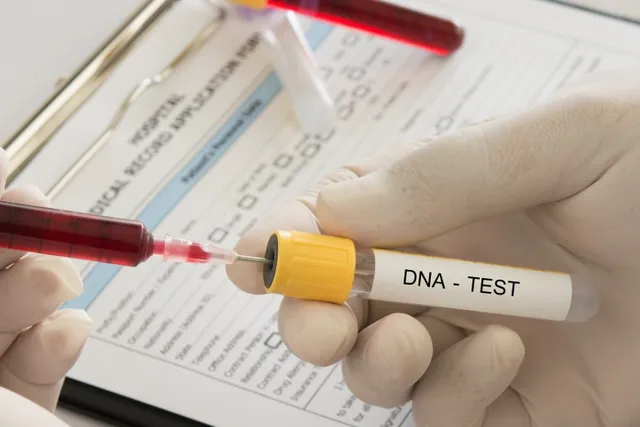
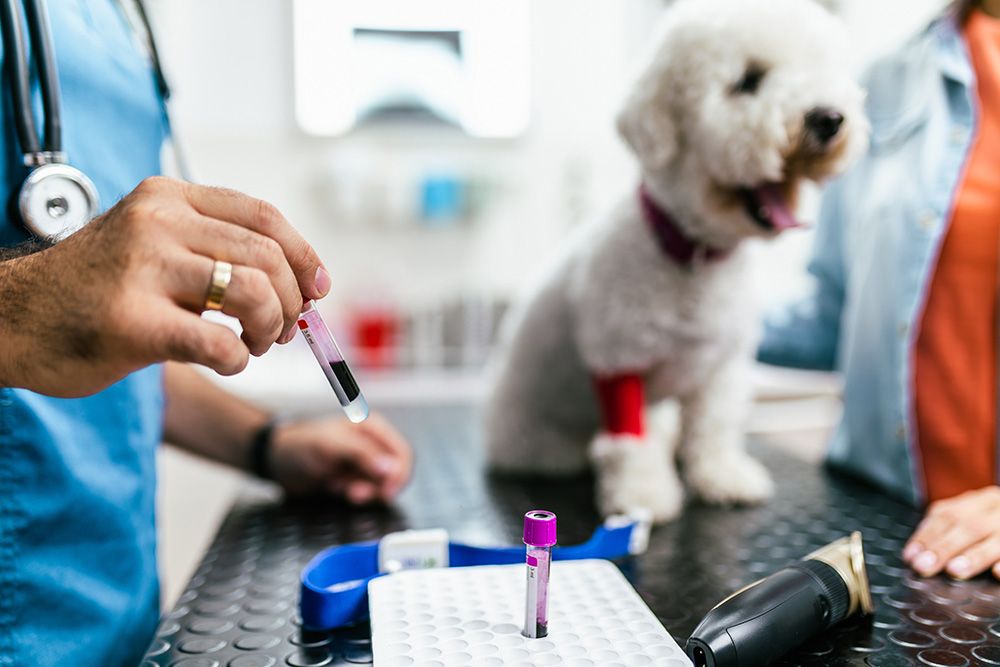
You don't even have to go through the process of taking your dog to the vet and having a bunch of lab tests run. While some DNA tests may require a blood sample taken at your vet practice, most are easily done at home. You can simply order a kit online, swab your dog’s mouth, and send it off, and you'll get results in a few weeks.
How Do Dog DNA Tests Work?
Dog breed DNA tests take samples of your dog’s DNA through saliva. It's sent off to a specialist lab where it is tested and analyzed against a database. Once the results come in, the detailed report is mailed to you for viewing. It will contain insights into your dog’s breed, health, and ancestry.
Many DNA test kits claim an accuracy of 90% or higher, but currently, there is little peer-reviewed research available to support these claims. The accuracy often relies on the size of the company’s database and how many DNA markers your pet’s sample can be compared to. By choosing a company with a large database, you can increase the accuracy of your dog’s results.
Keep in mind that even if a DNA test does confirm that your dog is 100% of a certain breed, DNA tests alone aren’t qualifiers for purebred registration with organizations like the AKC.

Why Test a Dog’s DNA?
We might wonder why people test their dogs' DNA. Here are a few common reasons!
Your Dog Was Purchased From a Sketchy Breeder
If you have purchased a dog that was advertised as a specific breed, but as they grow older, you see fewer of the purported traits, you might wonder if you've been duped. In such a case, it's not like it would change anything between you and your pet, of course. You've already formulated a bond and relationship.
But if you're curious, you can absolutely get a DNA test to see if there are any other breeds in the mix. If so, you might be a little upset that you were misled, but at least you can get to know a lot more about your dog’s actual breed.

Your Dog Has an Unknown Origin
If you adopted a dog from a rescue or shelter, you might have no idea where they came from. That means you are unaware of what their parents look like; you're just looking at the combined results.
Even shelters sometimes need help deciphering what breeds make up mixed-breed dogs. Getting a DNA test can help you figure it out once and for all.
You Want to Know Your Dog’s Lineage
It's pretty exciting to see your dog's lineage. You can check out the percentages of each breed's influence on your dog's overall genetic makeup. It might even really surprise you to see what some of the results are.
After all, you might have a dog that looks mostly Husky but has Pug in their DNA, and you never would've guessed! Many people these days are interested in their own family lineages, so it’s no wonder we’re curious about our furry friends too.

What Can a DNA Test Prepare You For?
A DNA test is a fun way to explore your dog's lineage. While it might not have a laundry list of purposes, it can be helpful for a few things.
Health Concerns
Getting your dog's DNA tested can help indicate which health conditions your dog may be at increased risk of. Besides testing for breeds, many companies also offer more comprehensive kits to screen for various health conditions. This typically provides a breakdown of certain genetic disorders and medical conditions your dog may be at risk of or carriers for.
Any potential health concerns should be discussed with your vet. The results can help you better care for your dog, but medical decisions should not be based purely on them.

Personality Potential
Personality is a completely individual thing that will vary from dog to dog. Just like people, dogs are completely unique, and you will have a different experience with each one.
Getting to know your dog's lineage can explain some of those personality characteristics and allow you to get to know their parent breeds a lot better.
You'll be able to see how certain breeds meld together to create different results and gain a newfound appreciation of where your dog's funny quirks come from.
Physical Characteristics
Each breed has their own set of physical characteristics. When you get to know your dog a bit better, you'll be able to see these characteristics develop. You might even pick up on tiny details you wouldn't have noticed before.
If you've ever seen a litter of mixed-breed puppies, you know how different the siblings can look. Some of them might not even look related at all. It is so intriguing how genetics come together to form various attributes.

Contribute to Posterity Research
Ultimately, by determining what kind of dog you have, you're helping companies assist future generations of dogs. They can see what types of dogs are circulating around out there and how different breeds combine.
Types of DNA Tests for Dogs
Despite what you may think, you can choose from multiple types of DNA tests for dogs. However, they essentially work in a similar way. You take a small sample of your dog's saliva, follow the instructions in the kit, and send it back to wait for your results. For best results, look for companies that have a comprehensive database that holds information about the area you know or suspect your dog is from.
Here are popular brands on Chewy:
Conclusion
So, now you know a bit more about what it means for a dog to be purebred and DNA tests for dogs. It's amazing how far advanced science has become, allowing us to look back at the long histories of our ancestors. It's always so much fun for us humans to look at our family tree, and it's equally as fun for us to do the same thing with our dogs.
See Also: EasyDNA Dog Allergy Test Review
Sources
Featured Image Credit: hedgehog94, Shutterstock
Expert dog care, straight to your inbox
News, insights, expert advice, and everything dog.

No spam — unsubscribe anytime.
By signing up, you agree to our Terms & Conditions and Privacy & Cookies Policy.
How useful was this post?
Click a star to rate. You can leave written feedback afterwards. (We read all feedback.)
Ashley Bates is a freelance dog writer and pet enthusiast who is currently studying the art of animal therapy. A mother to four human children— and 23 furry and feathery kids, too – Ashley volunteers at local shelters, advocates for animal well-being, and rescues every creature in need. Her mission is to create awareness, education, and entertainment about pets to prevent homelessness. Her specialties are dogs and cats.