Get

In Your Inbox

Dogster is reader-supported. When you buy via links on our site, we may earn an affiliate commission at no cost to you. Learn more.

What to Do if My Dog Ate Chocolate: 3 Vet-Approved Steps to Follow

If you know or suspect your dog has eaten chocolate, stop reading now and contact your vet or the ASPCA Animal Poison Control Center at phone number 888-426-4435. Chocolate is highly poisonous to dogs and cats. Ingestion of large amounts is potentially fatal if left untreated. It doesn’t matter if your pet is showing signs because the sooner they are treated, the better the prognosis. Below are the steps you need to take if your dog eats chocolate.

Here’s What to Do

1. Contact the Animal Poison Hotline and Your Vet

The first step to take once you notice your dog has consumed chocolate is to contact a professional. The sooner you act, the more likely it is that your pet will safely recover.

If you need to speak with a vet but can't get to one, head over to PangoVet. It's our online service where you can talk to a vet online and get the advice you need for your pet — all at an affordable price!

PangoVet_Mention-in-Content Savings V1


2. Gather Evidence

Your vet is likely going to ask you a series of questions, so you’ll need to start gathering evidence if you haven’t already. What kind of chocolate did they eat? How much? How much does your dog weigh? How long ago did they eat it? What other ingredients are in the chocolate? The more info you can provide, the more helpful they can be.


3. Follow Your Vet’s Instructions

How you move forward is going to depend on what type of chocolate your dog ate, how much of it was consumed and the size of your dog. In some situations your vet will recommend that you monitor your dog for physical signs before bringing them in. However, if large amounts have been ingested you will need to bring your dog in right away for emergency treatment. Regardless, it is best to follow the advice of a trusted veterinarian.


dog owner talking to vet
Image Credit: SeventyFour, Shutterstock

dogster face divider

Why Chocolate Is Bad for Your Dog

The problematic ingredients in chocolate are theobromine and caffeine. Dogs are unable to metabolize these two ingredients properly. Generally, the darker it is, the more toxic it is to dogs. Cocoa powder is the worst, with baker’s and dark chocolate not far behind. However, even milk chocolate is poisonous. As little as 0.5 ounces of milk chocolate per pound of body weight puts your dog at risk of chocolate poisoning 1.

Signs of Chocolate Poisoning or Toxicity

sick old dachshund dog lying on the floor
Image Credit: Renko Aleks, Shutterstock

Ingestion of smaller amounts of chocolate may only cause vomiting and diarrhea, and these are typically the earliest signs of chocolate toxicity. Many of the other signs of chocolate poisoning take a bit longer to become apparent. Usually, you’ll notice abnormal behavior, such as excessive thirst or restlessness, within 6–12 hours of ingestion. Your pup may urinate a lot because of the increased fluid intake. Cardiovascular signs begin later, which may not be evident to you other than knowing something is wrong with your pooch. Seizures are one of the most severe signs of extreme chocolate toxicity.

Here are signs to look for:

  • Diarrhea
  • Vomiting
  • Restlessness
  • Excessive thirst and urination
  • Hyperactivity
  • High heart rate
  • Seizures
dogster paw divider

Treatment of Chocolate Poisoning

Prompt action is imperative, even if your dog isn’t showing negative signs yet. Your vet can induce vomiting and give your pup activated charcoal to help prevent their onset. Your pet’s treatment plan begins with stabilizing their vitals if the signs are already evident. Your vet can then handle other issues as they present, which may include anti-seizure meds and intravenous fluids 2.
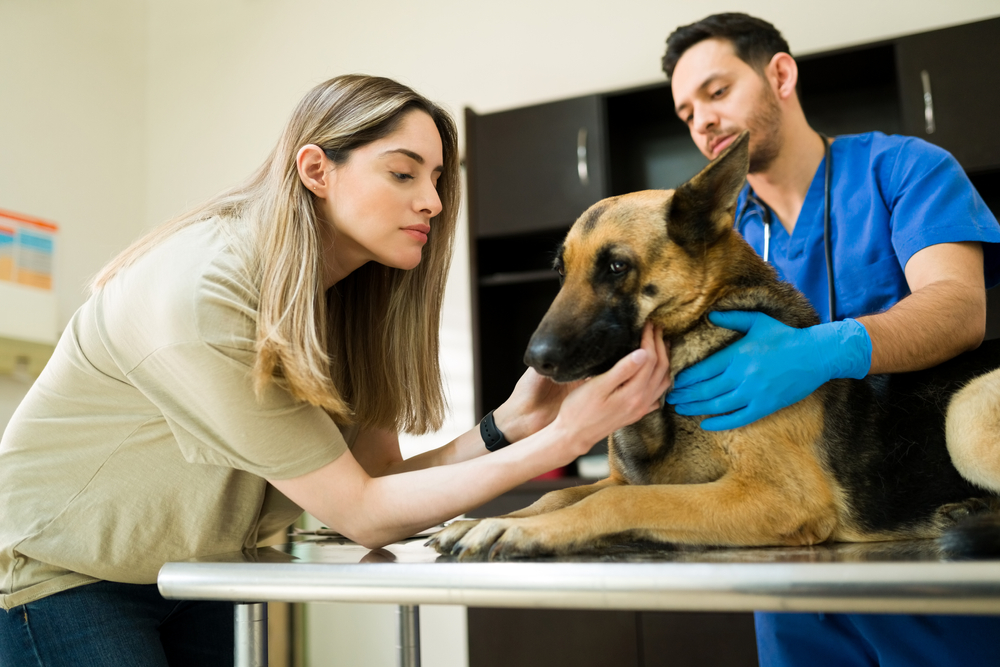
woman-and-sick-old-german-shepherd-at-veterinarian
Image Credit: Beach Creatives, Shutterstock

Other Complications

It’s one thing for your vet to manage chocolate poisoning, but it’s another matter if the chocolate contains other problematic ingredients, such as raisins or macadamia nuts. The signs may progress similarly, although the former adds the risk of kidney failure. Another concern exists if the candy contains xylitol. That’s why it’s imperative to get the wrapping of the chocolate if possible. Dogs don’t make it easy, either. Dogs often are picky eaters, meaning they often ingest anything they find. Interestingly, chocolate is the most widely reported food toxin in canines. Unsurprisingly, cases are very common around holidays when these foods are likely present. However, the critical takeaway is prompt action. The earlier your dog gets treated, the better the prognosis.

dogster paw dividerFinal Thoughts

The veterinary community has done an excellent job of getting the word out about the toxicity of chocolate. Many pet owners are aware of the potentially dangerous consequences of accidental ingestion. We think of our dogs as toddlers and follow the advice of many manufacturers about keeping things out of their reach. Diligence is vital when a food can adversely affect your pup, so be sure to keep all chocolate and other dangerous foods away from your curious pooch.


Featured Image Credit: Sebastian Duda, Shutterstock

Want content like this delivered to you?

Sign Up For Our Newsletter

News, insights, expert advice, and everything dog

* By submitting, you agree to our Terms & Conditions and Privacy & Cookies Policy.

How useful was this post?

Click on a star to rate (you can leave written feedback after clicking submit)

Help us improve Dogster for pet parents!

Your feedback really matters.

What did you like about this post? Also how can we improve it?

Join the conversation

Leave a Reply

You’re very welcome to leave a comment or question. Please know that all comments must meet our community guidelines, and your email address will NOT be published. Let’s have a positive and constructive conversation.

Talk With A Vet Online

Peace of mind,
anywhere, anytime

Affordable vet advice

How Many Ribs Do Dogs Have? Vet-Approved Anatomy Facts & Info

The rib cage of a dog serves the function of protecting the internal chest organs, particularly the lungs and heart. That speaks to...

American Foxhound Dog Breed: Info, Pictures, Facts, Traits & More

The American Foxhound is one of the oldest and most regal breeds in the United States. The dog has a rich history that...

Can Dogs Eat Huckleberries? Vet Reviewed Facts & FAQ

If you’re a dog parent, you know that one of the most important things about caring for your dog is providing them with...

6 Common Health Problems in Pugs (Vet Answer)

In the veterinary world, we have seen an uptick in what are referred to as brachycephalic breeds. These are more lovingly known as...

More related

Heterochromia in Dogs: Different Colored Eyes Explained

Have you ever noticed a dog with two different colored eyes, or maybe they had two colors in the same eye? What you...

What Do Emotional Support Dogs Do? Facts & FAQ

Dogs are highly attuned to our emotions. When we have a bad day or are stressed out, they seem to know and offer...

7 Golden Rules for Feeding Your Dog: Vet-Verified Advice & Info

As a dog owner, you know the key to your pup’s good health is proper nutrition. Navigating the different types of dog food...

Why Do Dogs Eat Leaves? Vet-Verified Reasons & Risks

While dogs have a reputation for being meat lovers, their diet actually follows an omnivorous style. Dogs can safely eat a variety of...

Keep reading

Can Dogs With Pancreatitis Eat Peanut Butter? Our Vet Explains

A big spoonful of peanut butter is delicious and comforting and certainly a much-loved treat for dogs. Unfortunately for pancreatitis patients, it is high in fat and can put a grumpy pancreas into a full-blown temper tantrum. For dogs that...

Can Dogs With Pancreatitis Eat Peanut Butter

Can Dogs Eat Sesame Oil? Vet Reviewed Facts & FAQ

Sesame oil is a flavorful oil that has multiple uses. It’s one of the first crop-based oils that humans developed, but it is one of the more expensive oils due to the inefficiencies surrounding the manual harvesting and processing of...

Can Dogs Eat_sesame oil

9 Best Treats for Puppies in 2026 – Reviews & Top Picks

Giving treats is one of the most fun parts of owning a dog. Selecting treats for your puppy can be a daunting task with all the different options on the market. Pet parents find themselves scouring reviews for the best...

puppy having treats

Can Dogs Eat Gravy? Vet-Reviewed Facts & Alternatives

Gravy can seem like a treat that many dogs can enjoy. Gravies are often meat-based, and many dogs lap them up enthusiastically. However, it’s generally not recommended for dogs to eat gravy because it can contain harmful ingredients, and it...

Can Dogs Eat Gravy

Can Dogs Eat Catfish? Vet-Verified Nutrition Info & FAQ

It’s always tempting to give our dogs some people food every once in a while. (And it has nothing to do with those begging puppy dog eyes, we swear!). But if you want to give your four-legged friend a bite...

Can Dogs Eat_catfish

Can Dogs Taste Spice? Vet-Verified Facts & Risks

Dogs find many human foods tasty. However, due to differences in our anatomy, dogs experience taste differently from humans. When it comes to spiciness, dogs are capable of tasting spice and can even feel the heat, but their taste for...

a variety of spices on wooden table

Why Do Dogs Eat Their Vomit? 4 Vet-Reviewed Reasons & What to Do

Dogs have some really weird habits that disgust us, but we just chalk it up to them being dogs. For example, your dog sniffing other dogs’ butts is normal to dogs but weird to humans. Another disgusting thing they like...

Toy poodle dog vomits yellow substance

10 Best Bowls for Puppies in 2026 – Reviews & Top Picks

Puppies haven’t necessarily learned the same feeding etiquette as some adult dogs. They can be inclined to wolf their food down and spread debris all over the floor. They transfer food to the water bowl, and vice versa, and give...

Great Dane Puppy Eating