How Long Does a Papillon Live? Vet-Reviewed Average Lifespan, Data & Care

In this article
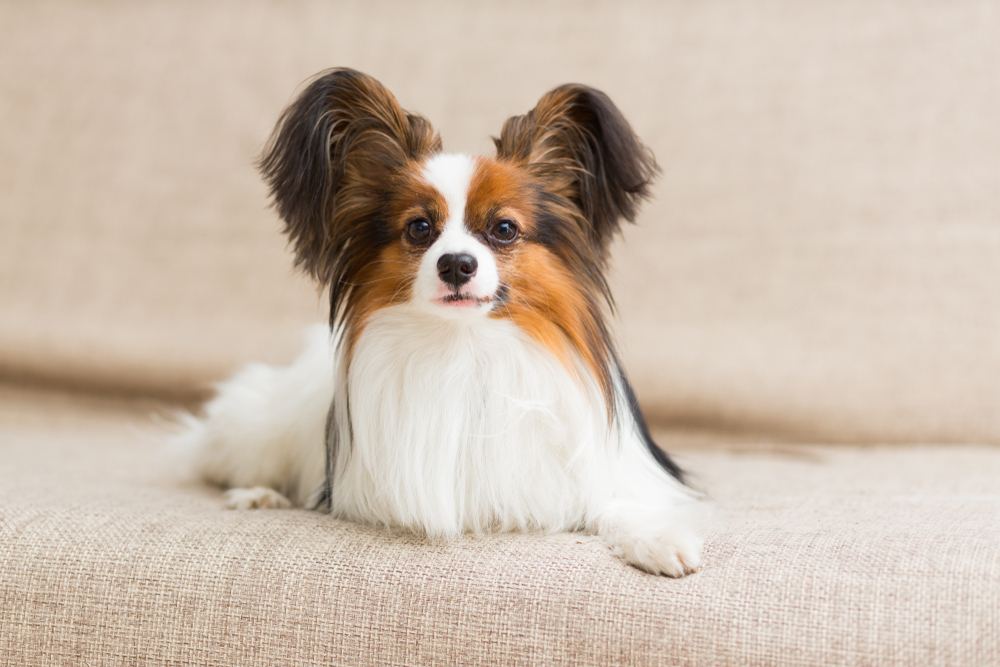
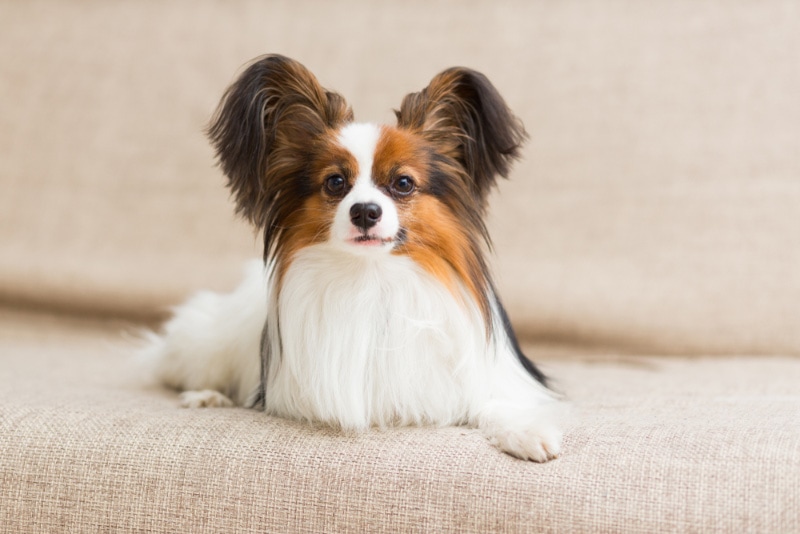
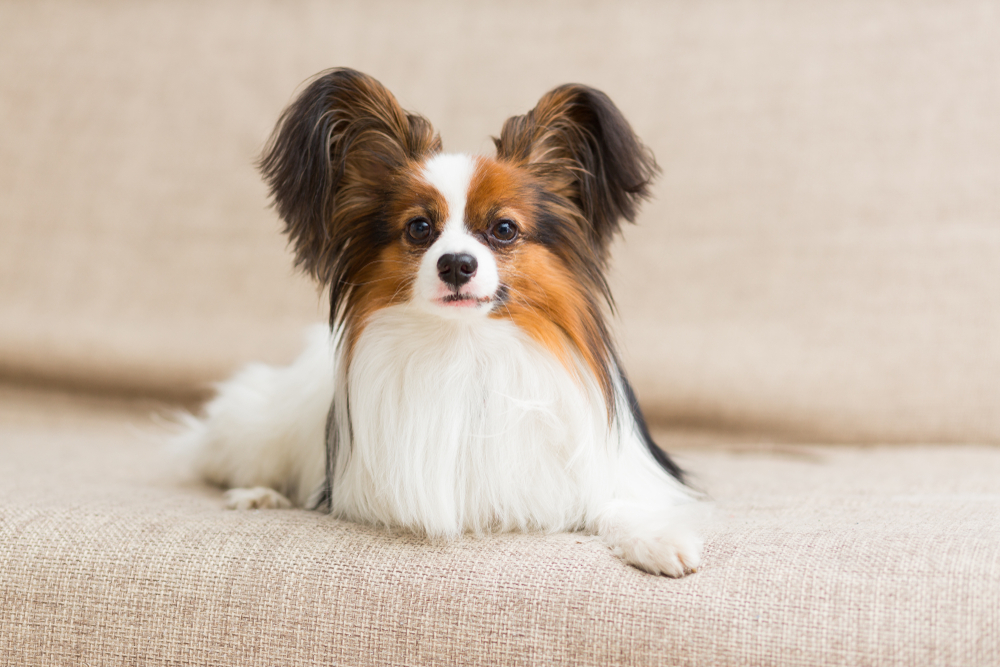
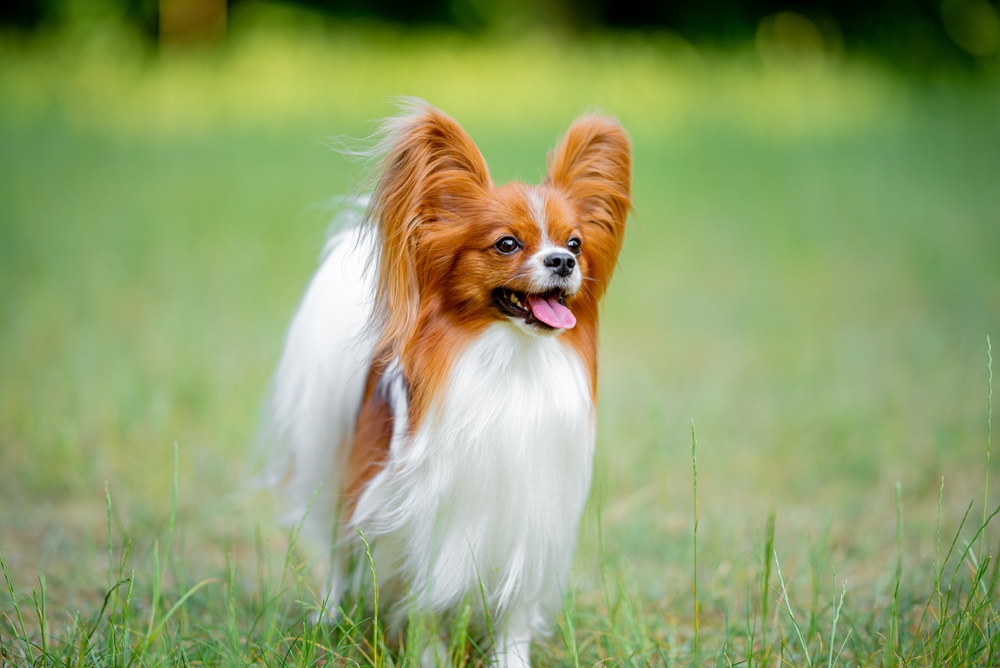
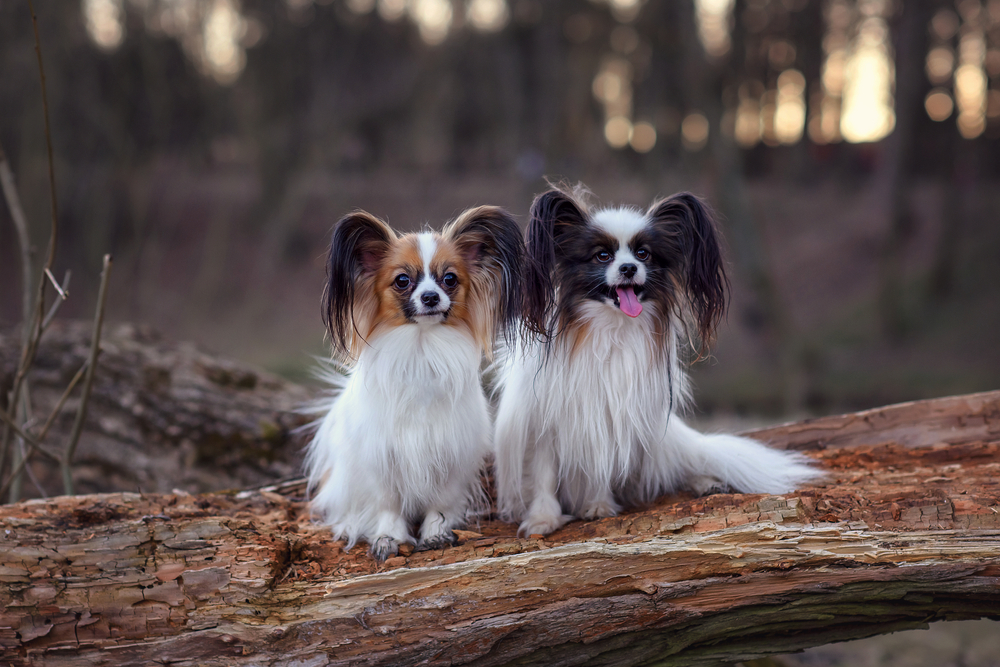
The Papillon is instantly recognizable due to their famous ears, which are what gave them their name. Papillon is the French word for “butterfly.” If you are considering bringing home a Papillon, it is good to know how long they live.
The good news is that most small dogs have long lifespans, and the Papillon is no different. They are one of the longer-living dog breeds. If you want to learn the best ways to help your dog live a long and healthy life, just keep reading!

Papillon Average Lifespan
The average lifespan for the Papillon is roughly 14 to 16 years, which is quite a long time for a dog. Small dogs have longer lifespans than large dogs because they age slower. The Papillon was initially developed as a companion and lapdog to European nobility during the 16th century. Besides being a pampered royal dog, the Papillon is a hardy breed due to the athletic Spaniel being part of their heritage. All these factors enable the average Papillon to live well into their teens.


How to Care For Your Papillon for a Long Lifespan
How long a dog lives depends on several factors contingent on an owner’s choices and the individual dog. Almost everything comes down to diet, exercise, and the general care of your dog, with some luck thrown in there, too.
1. Feeding & Diet
First, speak to a veterinarian for recommendations on the best food for your Papillon. Small dogs need specific food formulated for their size and life stage. It must meet their nutritional needs, which differ from those of medium and large dogs.
If you purchase kibble, it must be high-quality and small enough for your dog to chew easily. Papillons can easily become obese, so it’s essential not to overfeed them or give them too many treats. However, toy breed puppies can develop hypoglycemia1 when they don’t eat enough, so it is recommended that they be fed three to four small meals spread out throughout the day until they reach 4 to 5 months of age.
Most adult Papillons should be fed two or three meals a day, and you should follow the manufacturer’s instructions on their dog food about how much to provide. The amount varies depending on the brand. Weigh out the proper daily amount and divide it into two or three meals. Check with a vet if you have any concerns about your dog’s weight.
2. Exercise
Providing daily exercise is paramount to their physical and mental health. A lack of exercise can lead to obesity and an unhappy dog that will be more prone to misbehaving and destructive behavior.
Papillons require a fair bit of exercise because they are athletic and energetic dogs, but due to their size, it is easily accomplished. Aim for 30 to 45 minutes every day, broken down into at least two walks in addition to playtime. Try playing a game of fetch and visiting the dog park so that your pup can run and socialize with other dogs. Given their Spaniel heritage, Papillons enjoy chasing smaller animals, so watch them in the park with squirrels.

3. Environment
Since Papillons are active dogs, they are pretty adaptable to different circumstances and can do well in an apartment as long as they get enough exercise. They are excellent family dogs and get along with children of all ages because they are playful little dogs. However, due to their size, they do best with older children.
The Papillon is intelligent and eager to please, which makes them more trainable than other small breeds. Socialization should start early in life to help your pup feel safe and secure around children, loud noises, traffic etc. Obedience training can start once your puppy has had their vaccinations. These dogs form strong bonds with their owners and will suffer from separation anxiety if left alone for too long.
4. Care
Providing your Papillon with training and socialization is essential for a well-balanced and healthy dog. The Papillon is easy to train because they are smart and eager to please. However, socialization is necessary for all dogs to form positive associations and relationships with other pets and people. It's best to introduce your Papillon to as many places, environments, people, and animals as possible while they are puppies.
A well-socialized dog is likelier to live longer than those dealing with anxiety. Even if you adopt an adult rescue Papillon, you can start socializing them carefully. It will take time, but you can still have a well-adjusted dog. If your rescue dog is showing undesirable behaviors, speak to a veterinary behaviorist for advice. Your veterinarian can refer you to one after an initial examination.
5. Cleaning
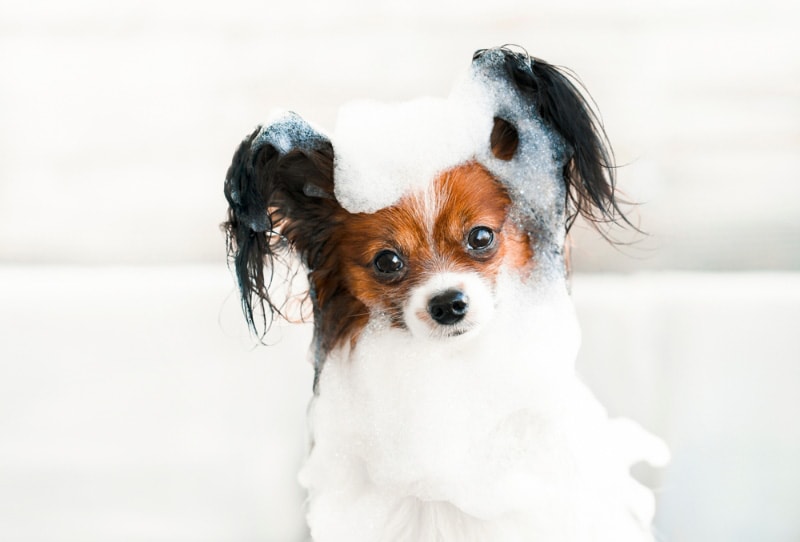
Papillons have medium-long silky fur but are single-coated, so grooming isn’t that intensive. They are moderate shedders and need brushing several times a week, though daily is best. Bathing them with dog shampoo should be done when necessary, but no more than once every 8 weeks should be needed. You may need to watch out for matted hair on the ears and on the insides of the hind legs.
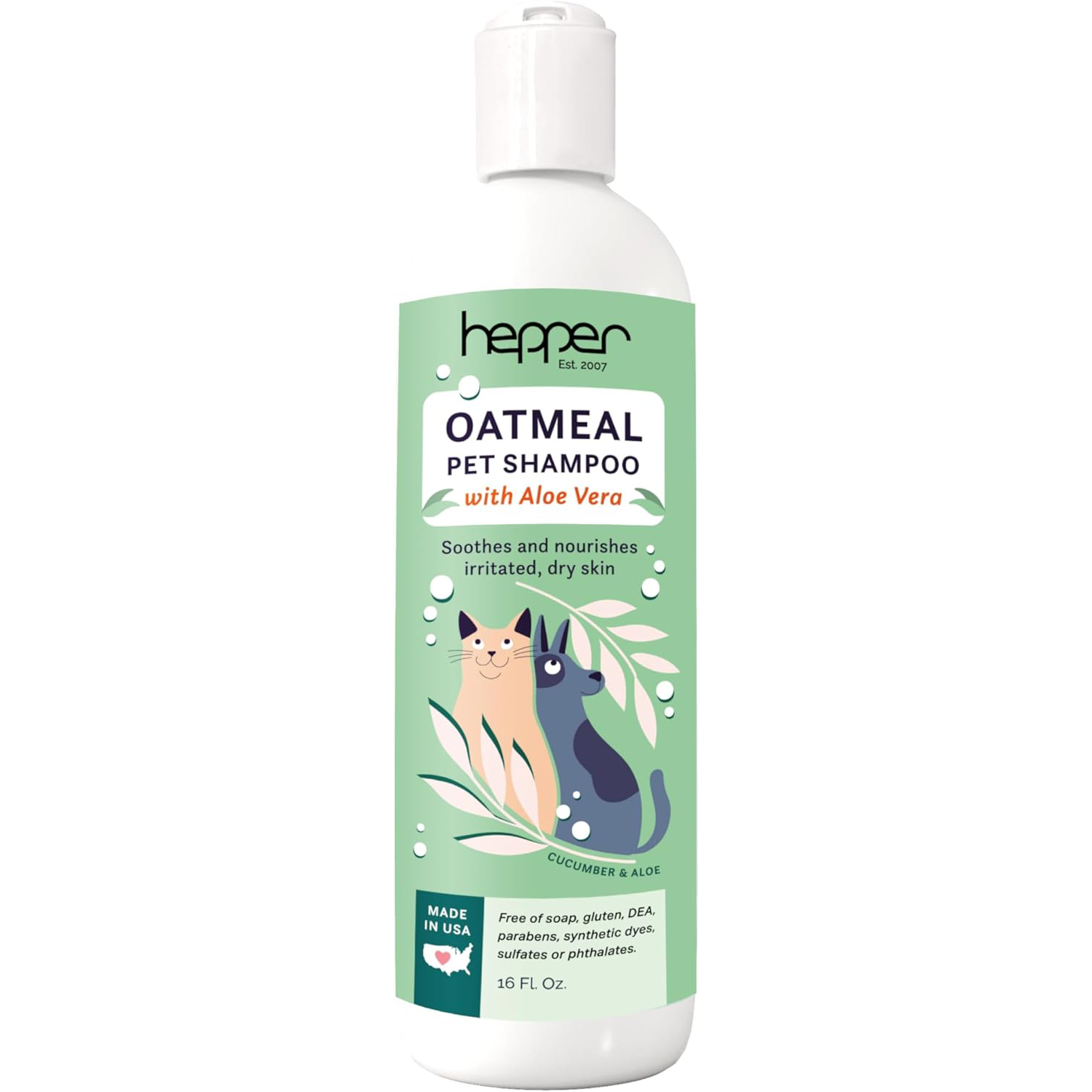
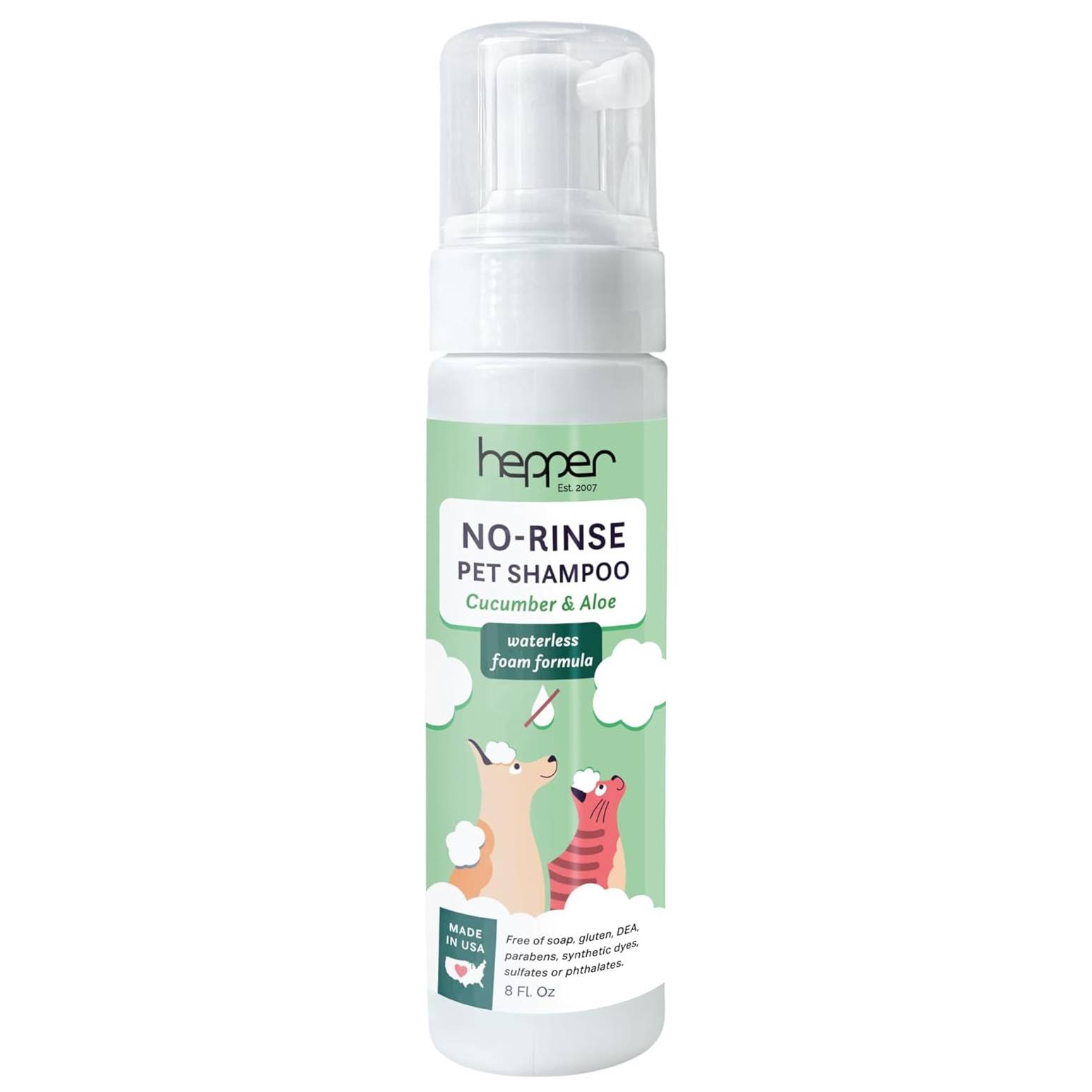
Giving your pet a bath can be a difficult task, but the first step is to choose a great shampoo. We love Hepper's Shampoo Products, both of which are natural, pet-safe options specially formulated to clean your pet's skin and coat without causing irritation. Both formulas are also free of things like dyes, soaps, sulfates, and phthalates. Your pet will enjoy the soothing aloe vera and oatmeal, and you'll love the clean, fresh scents!
| Image | Product | Details | |
|---|---|---|---|
|
Hepper Oatmeal Pet Shampoo |
|
Check Price |
|
Hepper No-Rinse Pet Shampoo |
|
Check Price |
At Dogster, we’ve admired Hepper for many years, and decided to take a controlling ownership interest so that we could benefit from the outstanding products of this cool pet company!
You’ll also want to trim their nails every 3 to 4 weeks since they grow quickly. You should brush their teeth every day or once or twice weekly. Regularly grooming your dog can prevent medical issues from cropping up and enable you to become familiar with your dog’s body. That way, you can alert your vet if you ever notice something unusual or new about your dog.
6. Breeding
You must obtain your Papillon from a reputable breeder or a rescue organization. The last thing that you want is to purchase a puppy from a puppy mill; you might save money, but it’s at the cost of the puppy’s health and supports unethical breeding.
Once you’ve found a good breeder, ask as many questions as necessary to ensure you’re getting a healthy animal. Your breeder should have tested the puppies, so you should know if your dog is predisposed to specific health conditions.
The following are a few of the inherited conditions that the Papillon is susceptible to:
- Luxating patellae (knee caps)
- Periodontal disease
- Open fontanelle (area of the skull that may not close properly)
- Progressive retinal atrophy
- Von Willebrand disease
- Cataracts
7. Healthcare
A key ingredient in helping your Papillon live a long life is keeping on top of annual wellness checks with your vet. Even when your dog seems to be in perfect health, you should take them every year to get a physical exam, vaccines, and heartworm-, tick-, and flea-preventative treatments.
You should also consider investing in pet insurance, which can help pay for expensive treatments and emergencies if anything crops up. If anything were to go wrong and your dog needs veterinary help, you'll get reimbursed for expensive bills.

The Life Stages of a Papillon
A good breeder will not let a puppy go home until it is at least 10 weeks old, though 11 to 12 weeks is best. Papillons reach their adult size when they are between 9 to 12 months of age, but they might not be considered fully mature until they are 12 to 14 months old.
Papillons reach their senior years between 9 and 11 years. At this point, you should speak to your vet about changing your dog's diet and other ways to meet their needs.


How to Tell Your Papillon’s Age
If you’ve adopted an older Papillon or aren’t sure of their age, there are a few physical indicators. First, the state of your dog’s teeth is a good way for a vet to estimate their age, although this is less reliable and more difficult in toy breeds. A puppy’s baby teeth typically erupt at 3-5 weeks, and the adult teeth come through at around 4 or 5 months. Usually, all adult teeth are present by the time a dog is 7 months old. The older the dog gets, the more tartar and plaque buildup you will notice. Additionally, older dogs are more prone to bad breath.
Many Papillons get gray hair, primarily around the muzzle, but it can cover much of their face. However, it’s difficult to truly judge a dog’s age based on this because some dogs can go gray earlier than others.
They're probably older dogs if their eyes look slightly cloudy with a bluish-gray cast. A dog’s activity level or lack thereof can also signify a younger or older dog. However, none of these signs is a perfect way to judge age since young dogs can have cloudy eyes or a health condition that might cause them to be less active. Ultimately, a vet is the best person to ask for help in this area.


Conclusion
Considering how long-lived the Papillion is and how affectionate and smart they are—and let’s not forget those ears—they might just be one most desirable canines. Follow these tips and keep your dog healthy by exercising them regularly, feeding them a high-quality diet, and staying in touch with your vet. That way, you’ll have your Papillion around for a long time!
Sources
https://pursuit.unimelb.edu.au/articles/why-do-small-dogs-live-longer-than-big-dogs
https://www.sciencedirect.com/science/article/abs/pii/S0168159110001243
https://www.msdvetmanual.com/dog-owners/digestive-disorders-of-dogs/dental-development-of-dogs
https://www.pdsa.org.uk/pet-help-and-advice/looking-after-your-pet/puppies-dogs/small-dogs/papillon
Featured Image Credit: Nikaletto, Shutterstock
Expert dog care, straight to your inbox
Vet-reviewed advice, training tips, and the best of Dogster. Free, and you can unsubscribe anytime.
By signing up, you agree to our Terms & Conditions and Privacy & Cookies Policy.
Kathryn was a librarian in a previous lifetime and is currently a writer about all things pets. When she was a kid, she hoped to work in a zoo or with wildlife in some way, thanks to her love for animals. Unfortunately, she's not strong in the sciences, so she fills her days with researching and writing about all kinds of animals and spends time playing with her adorable but terribly naughty tabby cat, Bella. Kathryn is hoping to add to her family in the near future – maybe another cat or two and a dog.
Join the conversation
Ask a question, share your story, or send private feedback.