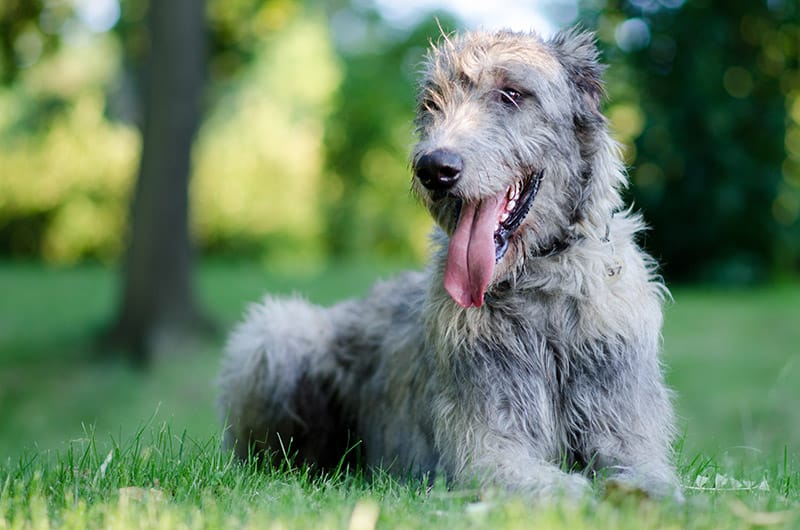
It’s 2:47 AM, and you hear that familiar scratching at the bedroom door, or maybe a cold nose nudging your arm. Again. Your dog is wide awake and apparently convinced that right now is the perfect time for… something. If this sounds like your nightly routine, you’re not alone. But the question is: should you be concerned, or is your pup just being, well, a pup?
The truth is, occasional nighttime wake-ups are normal for dogs. Maybe they had too much water before bed, or dinner was served a little later than usual. But if your dog is consistently interrupting your sleep every single night, it’s worth investigating why. The reason could be as simple as boredom or as serious as an underlying health condition.
Let’s dig into what’s actually happening when your dog refuses to let you sleep.

Understanding Your Dog’s Sleep Needs
Before we tackle the wake-ups, it helps to know how much sleep dogs actually need. Puppies are champion nappers, clocking in anywhere from 12 to 20 hours daily. You’ll notice they crash hard after those chaotic bursts of energy, the infamous zoomies, then wake up ready to do it all over again.
Adult dogs typically need around 12 hours of sleep per day, though they’re more likely to sleep through the night than puppies. Senior dogs often need even more rest as their bodies age, and their energy naturally declines. If your older dog is suddenly sleeping less or waking more frequently, that’s definitely worth noting.
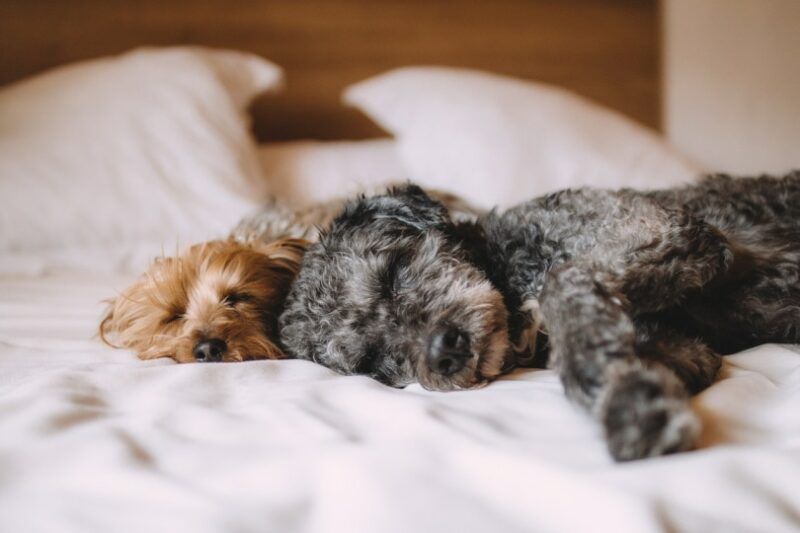

The 6 Common Reasons Your Dog Wakes Up at Night
1. Something Might Be Wrong Medically
This is the one you don’t want to ignore. If your dog has recently started waking up during the night, especially if it’s happening multiple times, a medical issue could be the culprit. Urinary tract infections, kidney disease, diabetes, hormone imbalances, gastrointestinal problems, cognitive dysfunction, or even muscle pain can all disrupt your dog’s sleep. These conditions might cause an urgent need to eliminate physical discomfort or general restlessness that sends them looking for you.
Even if it seems like a minor change, it’s smart to check in with your veterinarian sooner rather than later. Catching health issues early makes a real difference.
2. They Actually Need a Potty Break
Here’s a scenario: your dog eats dinner, lounges around for a bit, then heads straight to bed without a trip outside. Fast forward a few hours, and surprise, surprise, they need to go. Dogs typically need to eliminate about 30 to 60 minutes after eating, so if there’s not enough time between dinner and bedtime, nighttime bathroom breaks are practically guaranteed.
The fix? Make sure your dog’s evening meal happens early enough that they can do their business well before lights out.
3. Hunger or Thirst is Striking
Most dogs eat twice daily, roughly 12 hours apart. But if your dog is waking up ravenous in the middle of the night, that feeding schedule might need tweaking. Consider pushing that evening meal a little later, or offering a small snack before bed. Just remember—snack means potty break is coming, so plan accordingly.
The same goes for water. If your dog drains their bowl right before bed, they’ll likely need to go out later. It’s all about timing.
4. They’re Bored Out of Their Mind
A dog who hasn’t burned off their energy during the day is going to find ways to entertain themselves at night. Usually, by waking you up. If your pup seems restless after the sun goes down, they probably need more physical activity and playtime when it’s actually daylight.
But don’t forget the mental side of things. Dogs need to exercise their brains just as much as their bodies. Puzzle toys, nose work games, and obedience training can tire them out mentally, creating the perfect conditions for deep, uninterrupted sleep. A truly exhausted dog, both physically and mentally, is a dog who sleeps through the night.
5. Separation Anxiety is Kicking In
Does your dog scratch, bark, or whine when they can’t be near you at night? That’s likely separation anxiety. For some dogs, the solution is simple: let them sleep in your bedroom on their own bed. They just want to be close.
On the flip side, maybe your dog already sleeps in your room, or even in your bed, but they’re still disrupting your sleep with movement, snoring, or constant repositioning. Training them to sleep in a crate in the corner of your bedroom, or even in another room, might help everyone rest better. Fair warning, though: if your dog has slept with you since puppyhood, this transition takes serious patience, consistency, and training. You’ll also want to make sure you’re giving them plenty of attention during waking hours to maintain that bond.
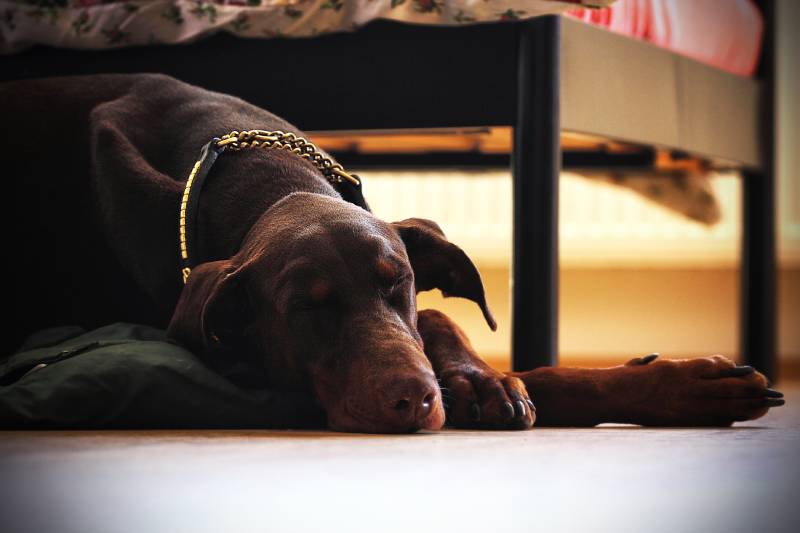
6. A Sleep Disorder Could Be at Play
It’s rare, but dogs can suffer from sleep disorders like insomnia, sleep apnea, narcolepsy, or REM sleep behavior disorder. Insomnia is more common in older dogs and usually stems from something else—canine cognitive dysfunction (basically doggy dementia), anxiety, stress, pain, or intense itching from allergies.
If your dog has insomnia, you might notice pacing, whining, or barking at night. They may also wake you up simply because being near you brings them comfort.
What to Do When Your Dog Wakes You Up
If your dog wakes you at 3 AM wanting to play, get a second dinner, or just hang out, ignoring them is probably your best move. Dogs are smart—they learn what gets your attention and what doesn’t. If waking you up gets them nowhere, they’ll eventually stop trying.
That said, you need to know why they’re waking up before you start ignoring them. If there’s a medical issue or genuine need, ignoring them isn’t just unhelpful—it’s unfair. This is why consulting your vet first is so important, especially if the behavior appeared suddenly.
Setting Your Dog Up for Better Sleep
Beyond ignoring non-urgent wake-ups, here are some strategies to help your dog (and you) actually sleep through the night:
Take your dog out for a full potty break right before bed to minimize bathroom-related awakenings. If possible, set up a designated indoor spot where they can relieve themselves during the night if absolutely necessary. Place their bed or crate in a quiet area of your home away from noise and distractions.
Provide puzzle toys or interactive games during the day to keep their mind engaged and prevent boredom from building up. If crate training is new, start by placing the crate in your bedroom so they can adjust without feeling abandoned. And most importantly, make sure your dog gets enough exercise and playtime during daylight hours.
The Bottom Line
Your dog waking you up at night could mean a lot of things. Most commonly, it’s a potty need, boredom, hunger, or thirst. But underlying health problems shouldn’t be dismissed, especially if this is a new behavior.
When in doubt, talk to your veterinarian. They can help you decode what your dog is trying to tell you. In many cases, dogs wake their owners simply because they want attention—and ignoring those attempts can break the cycle. Understanding what your dog actually needs and responding appropriately will help both of you finally get the restful night’s sleep you deserve.
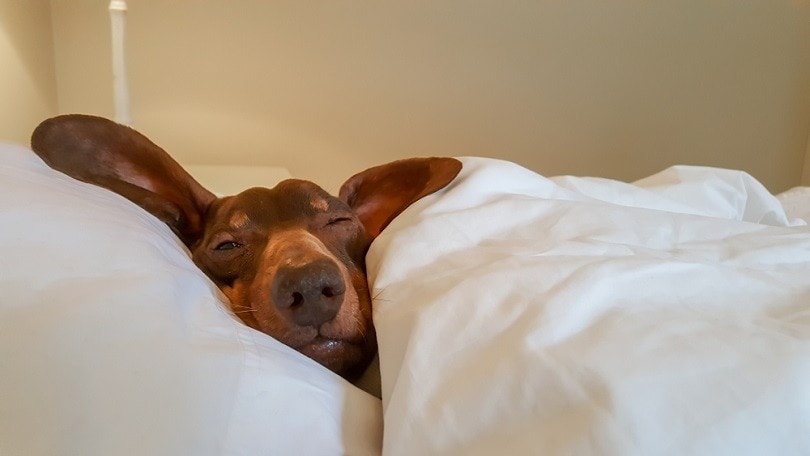
Feature Image Credit: mveldhuizen, Shutterstock
Did You Know?
 Understanding Your Dog’s Sleep Needs