Is a Boston Terrier Hypoallergenic? Vet-Verified Facts & FAQ



In this article
The Boston Terrier is a much-loved family companion in many homes. This is especially true in the US where, according to the AKC’s breed popularity ranking, Boston Terriers are currently the 24th most popular dog breed. But how do allergy sufferers get along with this breed? In short, Boston Terriers are not labeled “hypoallergenic”.
In this post, we’ll explore the Boston Terrier’s shedding habits and the “hypoallergenic” label, and share some top tips for allergy sufferers living with dogs.

Do Boston Terriers Shed a Lot?
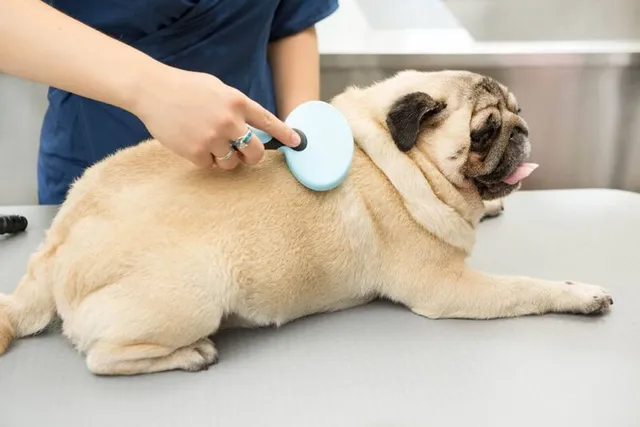
No, Boston Terriers are not heavy shedders at all. They have short, smooth, single coats that are easy to care for, only requiring weekly brushing sessions to keep the skin and coat in good condition.
Their coats are low-shedding for most of the year, especially when compared with big shedders like the Labrador Retriever and the Akita, though it’s normal for them to shed a bit more than usual in shedding seasons. They shouldn’t be losing an alarming amount of hair, though, even during shedding seasons.
The fact that Boston Terriers don’t shed much may leave some wondering why they’re not considered to be hypoallergenic. The reason for this is that their shedding level, though low, is still not as light as breeds like the Poodle and the Schnauzer—breeds often labeled as hypoallergenic.

Boston Terriers & Canine Allergies
Another thing you should know about Boston Terriers is that they are known for suffering from allergies related to both food and the environment. They can be triggered by various allergens, like pollen, dust mites, mold, smoke, and wheat gluten.
This is important to know because, if your Boston Terrier suffers from a skin allergy, they may scratch themselves more frequently, thereby depositing more dander around your home. This dander is what causes allergic reactions in human allergy sufferers.
Do “Hypoallergenic” Dogs Shed at All?
Yes. Dog breeds labeled “hypoallergenic” still shed, though very minimally, and, therefore, the dander they shed could still trigger allergies in someone who is allergic to dogs.
When someone suffers from a pet allergy, they’re not allergic to the animal’s hair, but rather to proteins they shed naturally. This is commonly found in what is known as “dander”. Saliva, urine, and sweat can also get you sneezing, as can allergens carried in on your dog’s coat, like pollen or dust. This is why it’s simply not possible to find a dog that comes with no allergy risk.

How to Manage Allergies Around Dogs
The good news is that allergies can often be managed so that dog lovers and their faithful pooches can continue to live together harmoniously.
First of all, it’s a good idea to have an allergy test done to make sure it truly is a pet allergy that’s causing your symptoms and not something else. You might also want to take the opportunity to talk to your allergist about your situation and see what they advise.
In addition to sharing your concerns with an understanding allergist, here are some ways to reduce the risk of an allergic reaction when living with a dog:
Final Thoughts
To recap, while Boston Terriers don’t shed very much and have short, smooth coats, they still shed year-round and are not considered to be hypoallergenic. They’re also prone to allergies themselves.
That said, no dog breed is completely allergen-free because all dogs shed and can get allergens trapped in their coats. For this reason, it’s a good idea to have some management strategies under your sleeve, regardless of the type of dog you decide to bring home.
Sources
Featured Image Credit: Zakharova_Elena, Shutterstock
Expert dog care, straight to your inbox
News, insights, expert advice, and everything dog.

No spam — unsubscribe anytime.
By signing up, you agree to our Terms & Conditions and Privacy & Cookies Policy.
How useful was this post?
Click a star to rate. You can leave written feedback afterwards. (We read all feedback.)
Kit Copson is a freelance writer and lifelong animal lover with a strong interest in animal welfare. She has parented many furry beings over the years and is currently a proud cat mom of two—one very chilled (unless hungry) Siamese and a skittish but adorable Domestic Shorthair—and dog mom of one—an adopted Bichon Poodle cross. When not writing about or spending time with pets, Kit can be found drawing in her sketchpad, reading, or more often than not, drinking tea.