How to Help a Dog Express Their Anal Glands Naturally: 7 Vet-Approved Options


In this article
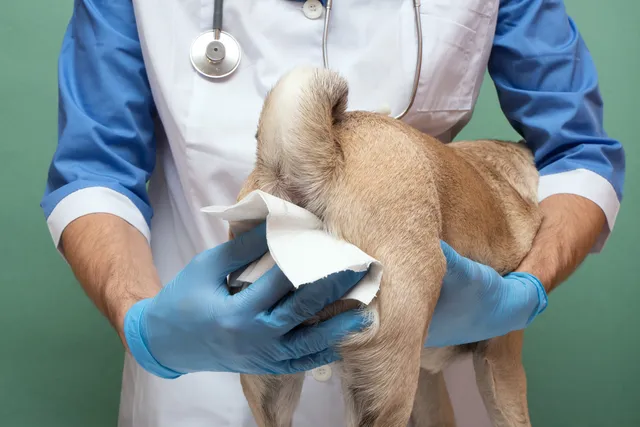
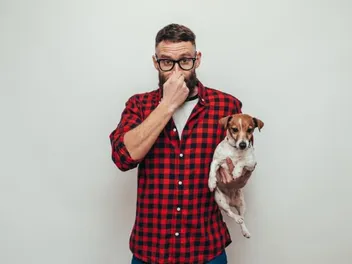
If you have a dog, you have a fairly decent chance of running into a few anal gland issues. Sometimes, your dog's anal glands can become impacted or swollen, eventually secreting a greasy substance with a fishy odor.
This can be pretty disgusting for any pet owner, and you want to know what to do about it! A few things we want to cover in this article include how to tell if your dog has anal gland issues, what you can do for your dog, and tips on how to relieve a dog's anal gland issues or avoid them in the first place.

Before We Begin
Always Contact Your Veterinarian
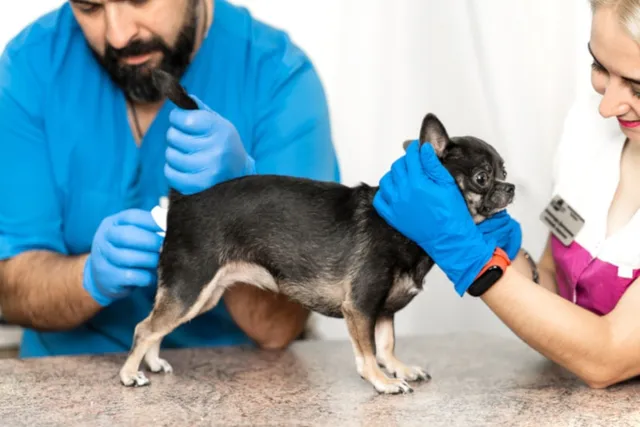
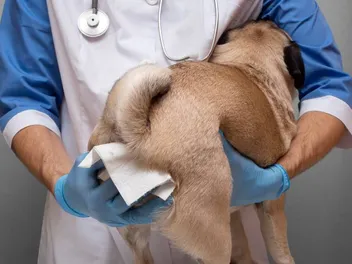
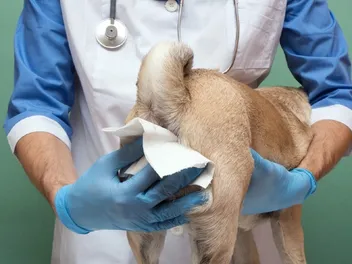
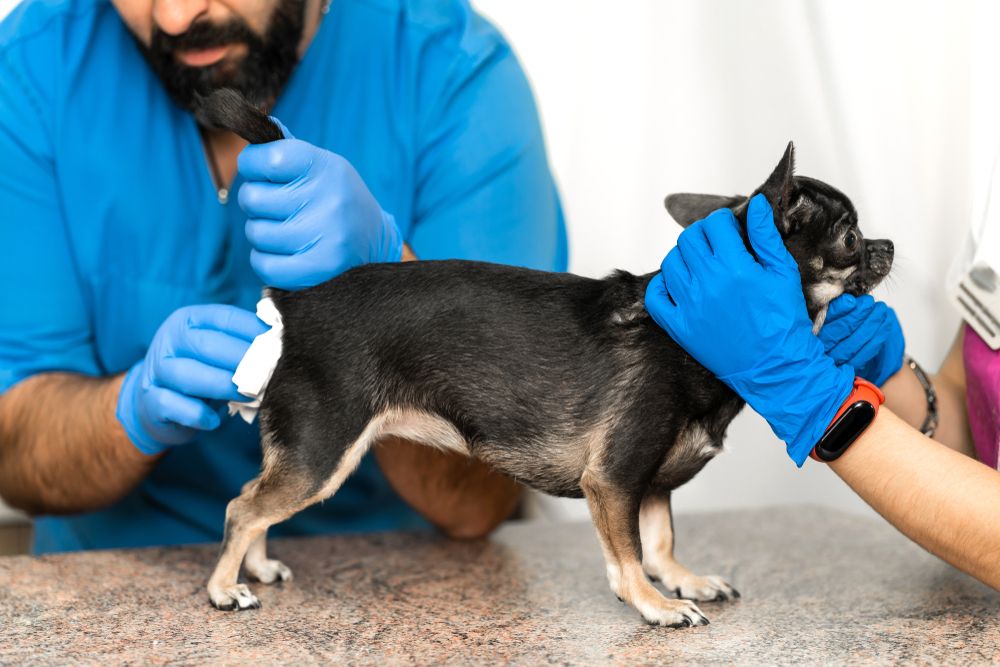
Before ever attempting to help your dog express their glands naturally, it is crucial to consult your veterinarian. After all, they know your pup better than anyone, medically speaking, and it is vital that they confirm that your dog has an anal gland issue so they can advise the proper treatment.
What Are Anal Sacs in Dogs?

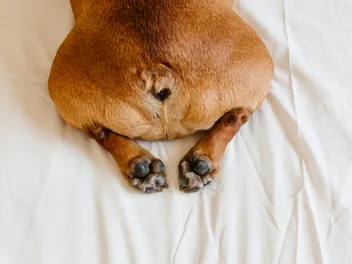
Anal sacs are small pouches located on both sides of your dog’s sphincter. They are lined with glands that produce a scent that tells other animals a lot about them—just by one sniff! So, these smelly sacs are very important for canine communication.
A dog’s anal sacs should be able to express on their own, usually when they pass feces, but some health conditions can cause them to become swollen and impacted. If this happens, it can be uncomfortable for your dog and sometimes painful.
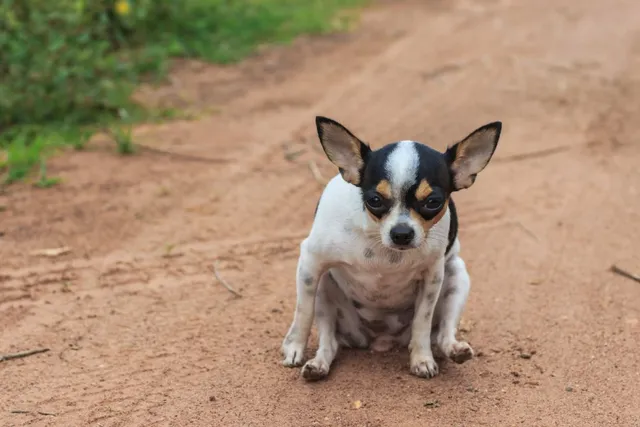
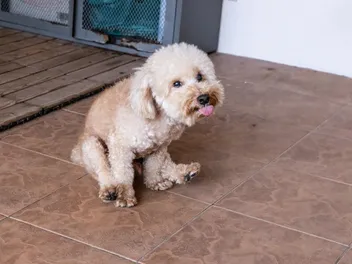
You may notice your dog scratching at their rear end a lot or scooting across the floor to try to relieve some of this discomfort. If this happens frequently, you may need to make some changes to your dog’s diet and lifestyle to help them express their anal glands.
What Causes Anal Gland Swelling?
Anal gland swelling can happen for a variety of reasons that stem from mild to severe in nature. Generally, issues with anal glands are very easy to treat if you act quickly enough. They generally stem from the following issues.
- Obesity
- Low fiber in the diet
- Sedentary lifestyles
- Small or soft stools
So you can guess how these issues can be corrected through a combination of diet and exercise changes. If your dog has gotten used to lounging about, it might be time to get them up and moving again.
Find something that lights them up, such as a game they want to play, places they want to see, or things they want to do.
If your dog is showing any of these signs and you are seeking the best possible treatment for your pup, we recommend speaking with a vet.
The 7 Ways to Help a Dog Express Their Anal Glands
1. Give Your Dog Additional Dietary Fiber
Additional fiber in the diet can really help to relieve a dog’s anal glands swelling. You can either switch to a high-fiber dog food recipe or supplement by adding certain foods to your dog's diet.
Some fantastic ways to add natural fiber to your dog’s diet include giving them raw veggies (pumpkin is a particularly good one), putting a scoop of powdered supplement into their daily meals, or giving them supplemental doggy treats.
Flaxseed or psyllium husk are also very good components to add to your dog's diet, introducing a healthy amount of fiber. Be careful with flaxseed and measure appropriately; too much might upset digestion and actually have the opposite effect, causing diarrhea.

2. Increase Overall Moisture Content
Along with fiber, lack of overall moisture can be a real problem with canines. You can encourage your pup to drink more frequently or add moisture-rich foods to their daily diet. There are lots of ways to encourage dogs to drink more.
You could start by getting them a flowing water fountain, enhancing the desire to hydrate. You can also turn on the bathtub or sink so they can lap it up on their own. Running water makes the process a little more exciting for some dogs.
In addition to those fun water ideas, you can also add snacks into your pup's diet that use a lot of extra moisture, such as doggy-specific popsicles, broth, ice, and fresh or canned dog foods as toppers.
3. Create a Weight Loss Plan
Believe it or not, your dog being overweight can contribute a lot to anal gland issues. It's always best to keep our dogs at a healthy weight to avoid a huge number of health concerns.
Gland disease is among the things that can flare up if your dog doesn't have their weight under control. Since you manage all meal portions, it's best to discuss the proper portions and dietary needs with your veterinarian to make sure your dog loses weight while still staying healthy.

4. Prebiotics and Probiotics
Adding in a supplemental prebiotic or probiotic helps maintain a healthy digestive system. You would be surprised what a little dose of live probiotics can do to your pup's overall gut health. On top of promoting healthy anal glands, these supplements make your dog's gastrointestinal system run more smoothly.
You can buy prebiotic and probiotic supplements both online and in-store. We highly recommend clearing any supplements you plan on adding to your dog's diet with your veterinarian before serving.
Some dogs can react poorly to certain supplements, so it's always best when your vet is the one to give the green light.
5. Apply a Warm Compress
If you know a dog's anal glands are currently impacted, you can try putting on a warm compress to encourage them to drain on their own. This will encourage the body to alleviate some of the pressure associated with this painful gland swelling. If they are too painful to tolerate this, they need to go to the vet.

6. Increase Exercise
If you increase your dog’s overall exercise, it can sometimes reduce the frequency of anal gland impaction. Healthy exercise promotes all of the systems in the body to flow as they should. So, naturally, anything that’s moving sluggish in your dog's body will start to move along.
If your dog is becoming more sedentary, it is a good idea to encourage them to exercise more often. This might mean more frequent walks on your part, visiting the dog park, going on a hiking adventure, or just playing in the backyard.
7. Consider Switching Diets
If your dog continues to have anal gland issues, your vet might recommend a dietary change. They might suggest a prescribed diet that consists of dry kibble. Or, they might suggest something a little more natural, like a raw diet, homemade meal, or fresh food selection.
These diets not only add moisture, but they also offer more nutrients than your standard commercial dog foods. That is because they do not require the same preservatives and fillers to keep them shelf-worthy. Ultimately, you, your veterinarian, and your budget will decide the best option to take care of the issue.

Conclusion
So, now you have some tips to help your dog express their glands naturally. Of course, we recommend that you go to your vet for treatment and future preventative ideas. This is a common problem that can often be managed with diet and lifestyle changes. However, ongoing anal gland issues can lead to pain and infection, so it’s important to address it with your vet early.
See Also:
Sources
Featured Image Credit: Try_my_best, Shutterstock
Expert dog care, straight to your inbox
News, insights, expert advice, and everything dog.

No spam — unsubscribe anytime.
By signing up, you agree to our Terms & Conditions and Privacy & Cookies Policy.
How useful was this post?
Click a star to rate. You can leave written feedback afterwards. (We read all feedback.)
Nicole has loved animals of all sizes her whole life so it's no wonder she has dedicated her career to helping them through what she loves best: learning, writing, and sharing knowledge with others. She’s the proud mom of two dogs, a cat, and a human. With a degree in Education and 15+ years of writing experience, Nicole wants to help pet parents and pets around the planet to live happy, safe, and healthy lives.