How to Groom a Labrador: Step-by-Step Guide

In this article
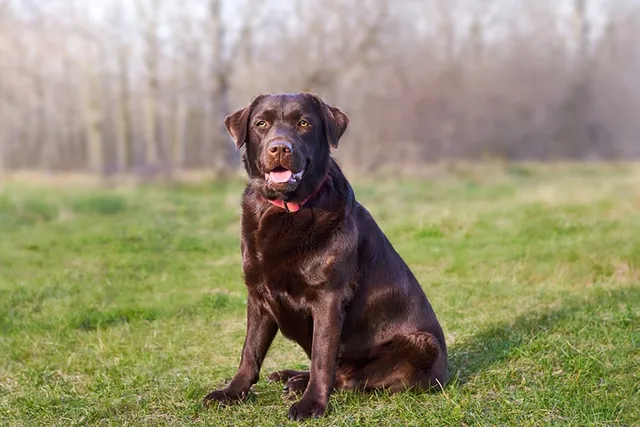
If you're among the many people who share their home with a Labrador, you're probably already aware that the breed has short hair, but that doesn't stop them from shedding—a lot! Labs also love water and playing outdoors, which can lead to a dirty dog needing serious grooming attention.
This article examines how to groom a Labrador, including the tools needed to get it done properly. We'll also show you how to recognize potential medical problems while grooming your dog.

Before You Begin
Before you get started grooming your Labrador, here are the supplies you'll need to have on hand:
- Brush
- Nail trimmers
- Clotting powder
- Ear cleaner
- Cotton balls or gauze
- Washcloth and warm water
- Dog toothbrush and toothpaste
- Shampoo
- Towels
- Treats (or another reward)
Schedule a grooming session after your Labrador has had plenty of exercise to minimize the wiggles. Also, ensure your pup isn't hungry or thirsty before you start.

How to Groom a Labrador in 8 Steps
1. Choose the Right Brush
The Labrador sports a thick, water-resistant double coat since they were bred to retrieve waterfowl from cold Canadian waters. The dogs shed year-round but experience heavier shedding as they lose their fluffy undercoat.
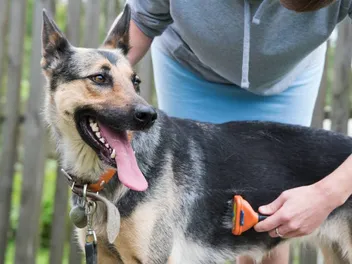
For the best results, you'll need a sturdy brush to penetrate their dense coat and remove loose hair. A slicker brush or a de-shedding tool like the Furminator are two suitable options. Look for a brush that's easy to clean since you'll collect a lot of hair at once.

2. Brush 2 to 3 Times Per Week (More in Shedding Season)
To keep as much loose fur as possible out of your house, brush your Labrador thoroughly at least 2–3 times weekly. During heavy shedding periods, you'll probably need to brush your dog daily to keep the hair under control.
Brush firmly but gently to avoid damaging your dog's skin, especially on areas with lighter fur coverage, like the face, groin, and legs. Without regular brushing, your Lab can develop mats and tangles during heavy shedding times.
3. Trim the Nails As Needed
When brushing your Lab, ensure their nails aren't too long. Labradors wear their nails down at different rates, depending on how active they are and the type of surfaces they run and walk on regularly.
If you hear your dog's nails clicking on the floor or the nails look too long, it's time for a trim. You can use nail trimmers or a nail grinder to accomplish the task. Ask your vet or groomer for a tutorial if you aren't sure what to do.
Remember that your dog's nails can bleed if you cut them too short; you can keep clotting powder on hand if needed.

4. Clean the Ears Once a Week or As Needed
Labradors can suffer from ear infections because the shape of their ears traps dirt and moisture inside. You can perform regular ear cleanings on your dog to reduce the chance of infection. Aim for about once a week unless your vet suggests doing it more often.
Your vet or their staff can provide a quick tutorial on ear cleaning upon request. Use a pet-friendly ear-cleaning solution, along with cotton balls or gauze. Don't stick cotton swabs or anything else too far into your dog's ear canal in case of damage.
Later in this article, we'll list some warning signs of an ear infection to watch out for as you clean.
5. Brush the Teeth Daily if Possible
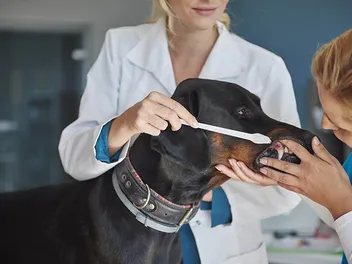
Regular dental care can do more than keep your Labrador's breath smelling fresh. Dental disease can lead to bacteria in your dog's mouth. The bacteria can infiltrate the bloodstream and infect other parts of the body.
Ideally, you should brush your Lab's teeth daily with dog-safe toothpaste. If your schedule doesn't allow that frequency, try to brush 2–3 times per week and consider using other products like dental chews.

6. Wipe The Eyes As Needed
Healthy Labrador eyes shouldn't need much care. If you spot a discharge or dirt near your dog's eyes, wipe it carefully with a warm washcloth starting from the inside corner. Use a clean cloth or separate corner of the washcloth for the other eye.
We'll list some signs of eye problems to watch out for after this grooming guide.
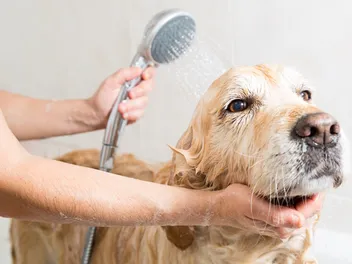
7. Bathe Your Dog As Needed (But Not Too Often!)
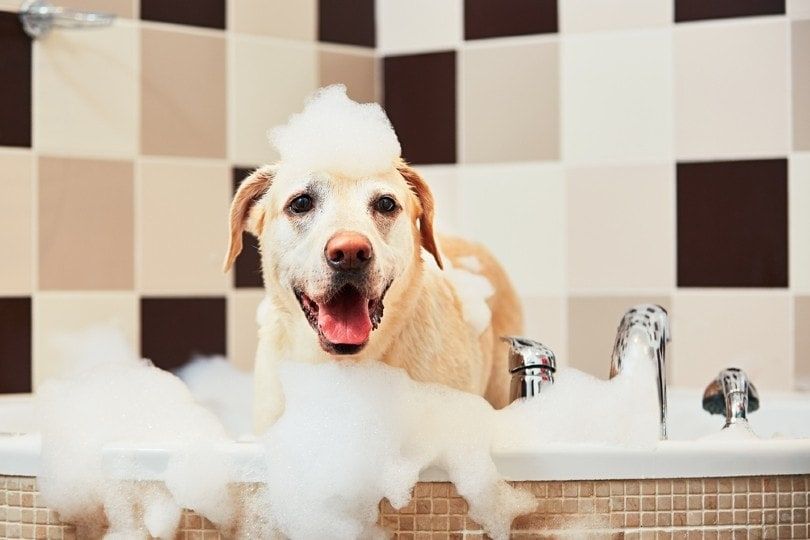
Unless your Labrador has a skin condition that requires medicated baths, bathing too often is not recommended. Labrador coats contain a natural oil balance that keeps them healthy and water-resistant. Frequent baths can remove the oils, leading to dry skin and other complications.
If you want to bathe your Lab, try not to do it more than once a month unless they get dirty or go swimming in a pool. Use a dog-friendly shampoo and avoid getting soap in your dog's eyes.
Rinse your Labrador thoroughly after the bath and dry them with old towels.
8. Reward Your Labrador!
After all grooming tasks are completed, reward your Labrador for its cooperation. Labs love food, and treats are ideal rewards. Consider a quick play session or walk instead if your pup is watching their weight.
If you're training your Labrador to tolerate certain parts of the grooming routine (especially nail care), you may need to offer rewards more frequently. The goal is to keep the entire experience positive for your dog.
Signs to Watch Out for During Grooming

Grooming your Labrador provides an opportunity to give them a thorough check-over at the same time.
As you brush your dog, run your hands over them, feeling for any new lumps or masses. If you find any, note the size and location and have them checked out by your veterinarian.
Check your dog's feet for cuts or torn paw pads when trimming their nails. As you brush your dog, look for any signs of fleas and ticks. Also, check for dry, flaky, red, or irritated skin or hair loss.
If your Labrador's eyes seem painful, red, swollen, or have colored discharge, contact your veterinarian right away. Eye issues can worsen quickly and should not be neglected.
If you notice these signs, we suggest you speak to a veterinarian. Regular grooming allows you to spot problems early when they may be easier to treat.
Conclusion
Compared to other breeds, grooming a Labrador isn't complicated. However, it takes some time, especially during seasonal shedding periods. Besides gathering the right equipment and following our step-by-step guide, the most important thing you can do to make grooming a Lab easier is to get them used to the process as puppies. Labs grow into big, energetic dogs, and you may find grooming them less tiring if they learn what to expect when they are young and impressionable.
See also:
Sources
Featured Image Credit: Jaromir Chalabala, Shutterstock
Expert dog care, straight to your inbox
News, insights, expert advice, and everything dog.

No spam — unsubscribe anytime.
By signing up, you agree to our Terms & Conditions and Privacy & Cookies Policy.
How useful was this post?
Click a star to rate. You can leave written feedback afterwards. (We read all feedback.)
Elizabeth Gray is a lifelong lover of all animals great and small. She got her first cat at 5 years old and at 14, she started working for her local veterinarian. Elizabeth spent more than 20 years working as a veterinary nurse before stepping away to become a stay-at-home parent to her daughter. Now, she is excited to share her hard-earned knowledge (literally--she has scars) with the readers. Elizabeth lives in Iowa with her family, including her two furry kids, Linnard, a husky mix and Algernon, the worldʻs most patient cat. When not writing, she enjoys reading, watching all sports but especially soccer, and spending time outdoors with her family.