In this article
The excitement of having a newborn puppy at your home is immense, and the last thing you would want is to bring unnecessary issues to your newborn puppy.
During the first few weeks, pups are in their early socialization stage, mastering to be dogs. Proper socialization gives your puppy the ideal head start for being a socially healthy pet. Separating them from their mother and littermates can lead to many issues. Therefore puppies should stay with their mother for 8 to 10 weeks.

Typical Nursing Time

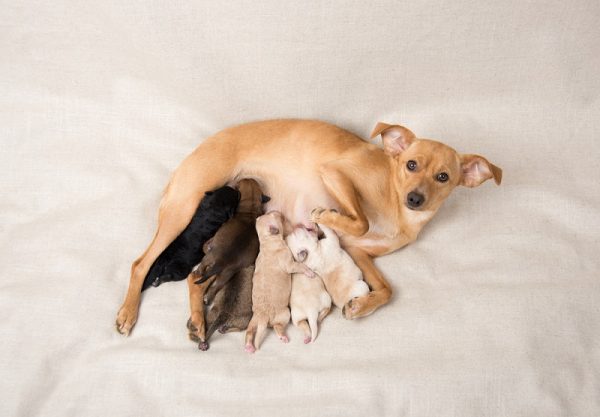
Puppies should remain with their mother up to when they are 8 to 10 weeks old. Allowing your pups to be their mother during this time ensures that they remain healthy both physically and emotionally. Along with their mothers, your young should also remain with their siblings.
Playtime with their littermates allows them to learn socialization. Therefore, you should wait for a minimum of 8 weeks before separating a puppy from its mother.
Caring for Your Newborn Puppies
Like human babies, newborn puppies require continuous care and attention. There are several things you need to think about to raise a healthy, well-adjusted pup.
Colostrum
Newborn pups need to receive the first milk or colostrum within 12 hours of their birth. Colostrum contains dominant antibodies that give puppies passive immunity for the first few weeks of their lives. When your pups fail to ingest this exceptional milk, they may be prone to diseases and infections.
Orphaned Pups
If your pups can’t nurse for at least 4 weeks, you will need to step in as a surrogate mother. You will need to feed your young puppies a high-quality milk replacement until they transition to solid food. Make sure that their tummies are round and full after every meal.
Furthermore, pay close attention to each pup’s weight and appetite. If you notice a puppy that does not want to eat or that doesn’t gain weight, make sure to consult a vet as soon as possible.
If you need to speak with a vet but can't get to one, head over to PangoVet. It's our online service where you can talk to a vet online and get the personalized advice you need for your pet — all at an affordable price!
Weaning Puppies
The weaning process should start when your puppies are 3 to 4 weeks old. This is when the pups’ teeth begin to sprout.
Mix nutritious dry or canned food with milk until it makes a thin, mushy paste. Each day, increase the amount of mush the pups consume. However, they will feed less on their own since their bellies will be already full.
In the fourth week, gradually increase the liquid-to-solid ratio. By the end of the fourth week, your puppies should be eating semisolid food and be ready to be fully weaned. During the fourth to seventh week, they should be fit to take regular commercial puppy food.

When to Begin Giving Puppies Solid Food

Your puppies require their mother’s milk to supply them with antibodies that protect them against diseases. Puppies continue nursing up to 8 weeks of age, though they can transition to solid food at 4 weeks old. The transition must be gradual to avoid stomach upset.
Your pups will start teething at 3 to 4 weeks of age and will be ready to practice solid food. Lift each puppy and place a small amount of food in its mouth. It will begin to chew as it starts to experience this new taste. It will not take long before they adapt to the taste of solid food. Once the pups like the taste and begin to chew, place the food in a shallow basin. Make sure to get rid of any uneaten food.
Or else, you can introduce the mush by placing it on a solid surface and letting the puppies walk on it. They will quickly lick off the food from their paws. However, this might not work for all puppies, especially if one is being pushed away by others.
Kibble
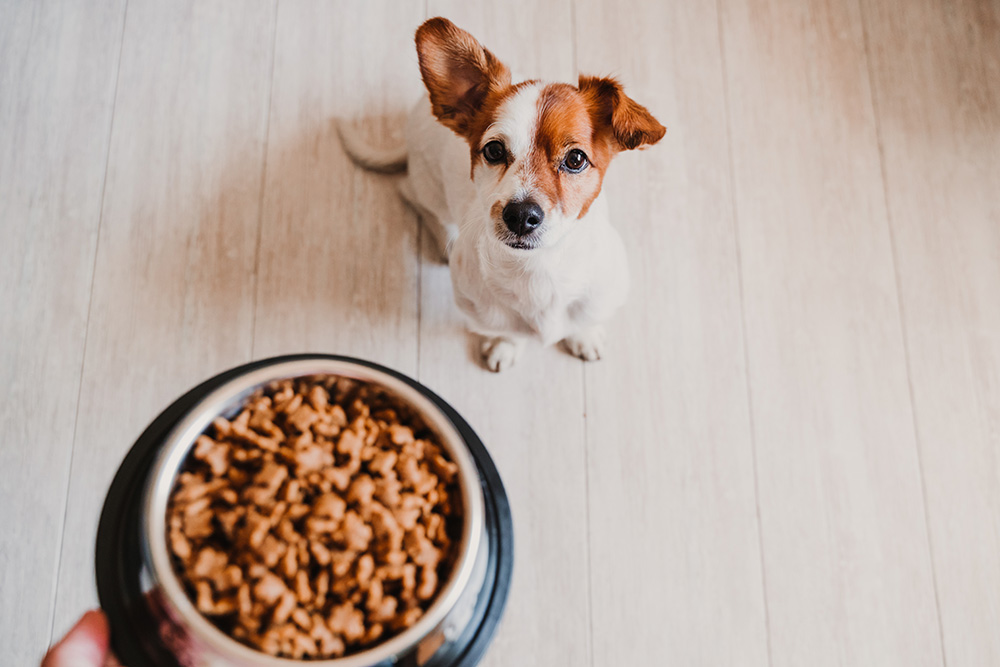
Introduce kibble or dry food during the eighth week of age. Look for a pet kibble that is highly nutritious and rich in calcium, protein, and calories. However, avoid dry food that contains meat or corn by-products, such as kidneys, head, or feet.
Mix the dry kibble with milk replacer and warm water and blend the mixture to the consistency of oatmeal.
Feeding
Feed your puppies three to four times a day. Gradually begin to minimize the amount of milk replacer and water to avoid and reduce stomach upset. By the time your pups are 8 weeks old, they are ready to consume dry puppy kibble.
Considerations
Some puppies are bullies, while some are not. If you have a puppy that pushes others aside, feed it separately from the litter.
As the puppies eat more solid food, they will suck less of their mother’s milk. At this point, you can introduce them to water. But make sure to boil the water and allow it to cool. Fetch a little water with the cup of your hand and let each puppy drink from your palm. Then, you can put the water in a shallow basin and allow your pups to drink from there.
Effects of Separating Newborn Puppies from Their Mother Too Early
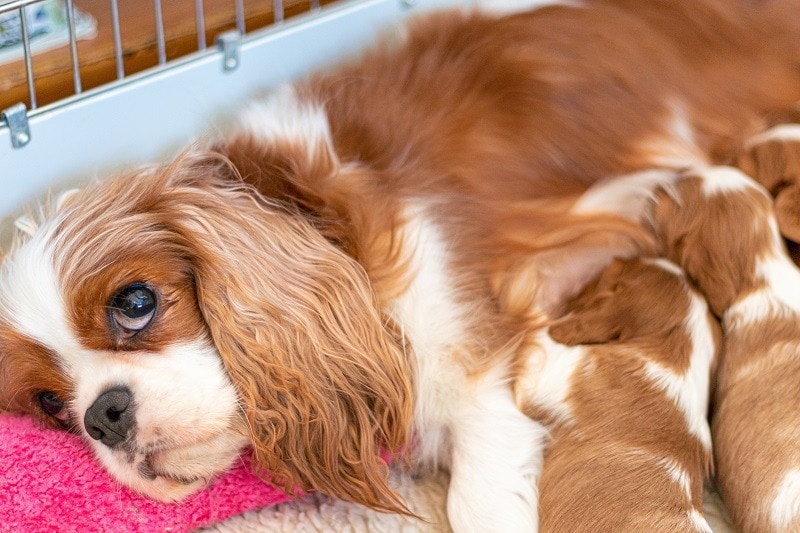
Newborn puppies require their mother to nurse them and teach them essential social behaviors. Without their mother’s care, before they are entirely ready to wean, these little creatures may develop nutritional deficiencies, become sick, or even experience behavioral problems later in life. Keep both the mother and puppies together until they reach at least 12 weeks of age to prevent such issues.
Essential Care
A mother dog offers essential care for her pups. Within the first day after delivery, she produces special milk for her puppies, which supplies antibodies to protect the puppies against disease. Without these antibodies, your puppies are at risk of infection and disease.
During the first 2 to 3 weeks, your pup cannot see, hear, or move without the help of his mother. Plus, their mother helps to keep them warm. If you separate her care too soon, your pups may become hypoglycemic, hypothermic, or dehydrated.
Early Socialization
Puppies learn vital social behaviors from their mother dog. Their mother teaches them behavior lessons, including the signs of dominance in dogs, bite inhibition, and the importance of submitting to superior dogs. In addition, she disciplines any violent play and biting with offspring and softly grooms the pups to teach them that touching is an acceptable social interaction.
If there are no such lessons, your pups will grow without interacting with other dogs and humans, even during their adulthood.

Final Thoughts
There are varying opinions regarding the appropriate age to separate a pup from its mother. As a pet owner, you will probably want to separate your newborn puppies as soon as possible. However, it is vital not to separate them too early.
Puppies learn great lessons during their first few weeks from their mother and siblings. They learn to be social and develop emotionally during this time. The characters that they grow in the first 8 weeks stay with them throughout their lives.
Although you can give them all the affection and care, there are some things that they can only learn from their family.
Related Reads:
- Presa Canario vs Pitbull: Notable Differences (With Pictures)
- Pitbull vs Mastiff: The Key Differences (With Pictures)
Featured Image Credit: stockphoto mania, Shutterstock