The Pug is goofy, devoted, and a tiny companion with a lot of heart. With their loving nature and eagerness to please, they make wonderful pets. However, to ensure success in training, you’ll need to have a few tricks up your sleeve. Starting your training as early as possible and using a training schedule are good ways to start, but you can use some extra tips to make training sessions as effective as possible.
You’ll need to work with your Pug if you want your training to succeed. We’ve gathered some of the best tips and tricks in this guide to help you teach your Pug how to behave.

The 11 Tips & Tricks for Training a Pug
1. Start Early
Training your Pug should start the first day you bring them home. You shouldn’t jump straight into expecting them to be wonderfully well-behaved, but you can introduce them to the behavior you expect from them. This helps puppies and older dogs if you adopt from a shelter.
Puppies are the easiest to work with from the get-go because they won’t have learned behavior you’ll need to correct. By working on their training from the start, you’ll be able to avoid the problem of them teaching themselves how to do things which can often lead to bad behavior. Adult dogs will need much more time and patience to correct any bad behavior they might have learned.
2. Create a Training Schedule
With the right training, your Pug will be the envy of every other dog owner you know. You can’t teach them everything all at once, and in your excitement to teach them new things, it’s easy to try to do too much.
If you’re not used to training dogs, creating a training schedule can help.1 It’s also a good way of keeping your family involved and ensuring everyone follows the same methods.
Your training schedule should include everything your Pug needs to learn. Give them plenty of time to master commands, and take regular breaks from training sessions. You’ll need to consider obedience commands, house training, socialization, and other knowledge your dog will need, such as introducing grooming.
3. Socialization
Pugs were bred to be companions and can be traced back to ancient China and the imperial court.2 They’re naturally friendly and adore everyone, even strangers, but this doesn’t mean you shouldn’t socialize them properly.
Proper socialization can help your Pug mature by introducing them to various people, places, and situations. The more experience they have, the more confident they’ll be as adults. This is one of the most critical training measures you should do for any dog and should be started as early as possible for the best results.
4. Take a Puppy Class
Training classes might be more expensive than training your Pug at home, but it can be a lifesaver if you’re new to dog ownership. Pugs might be eager to please most of the time, but they also have a fierce, stubborn streak. They’re not afraid to take advantage of their big eyes and your fondness for their cuteness. If they don’t want to do something, they won’t.
Puppy classes can help you and your Pug. You’ll be able to learn how to train your dog with the assistance of a trainer and other dog owners. Group lessons can help you socialize your puppy too. You and your Pug will be able to make many human and canine friends and learn plenty of new tricks.
5. Be Firm but Fair
Pugs can be a challenge for new dog owners to train because of their stubbornness and willingness to use their cuteness against you.
You need to make sure your commands are firm and authoritative without being cruel or harsh. Pugs are happy when you are, and scolding them for mistakes can quickly make them adverse to working with you during training sessions. Consistency to prevent confusion and the willingness to take a step back or have a break if your Pug is struggling with something is of utmost importance.
6. Positive Reinforcement
Regarding dog training, positivity is always the best way forward. Pugs can be stubborn as well as playful and if they decide training with you is boring or scares them, they’ll be more likely to ignore your commands. As we mentioned, you need to be firm without making your Pug think everything they do is wrong.
Effective training isn’t always a linear process. Your Pug might have an excellent training day and completely forget everything during the next session. Don’t get angry when this happens. Instead, you should take a step back and return to the stage your Pug succeeds at consistently and reward even the smallest of successes.
It’s a long process, and the more positive you make the experience, the more you and your Pug will enjoy it. This will ensure that both of you look forward to your next session.
7. Use Their Favorite Treat
Every dog has preferences, and a good training session will use their favorite things to reward good behavior. Food is one of the best motivators for Pugs, and using their favorite treats is a surefire way to get them interested in listening to you. Once your Pug knows that they’ll get something they love if they do what you ask, they’ll be much more likely to repeat the behavior later on.
Remember to carefully adjust your Pug’s diet and activity level to account for the amount of treats you give them. Their fondness for food and willingness to laze around all day can quickly lead to them gaining weight. As your Pug masters tricks, you can slowly wean them off the treats.

8. Tackle Separation Anxiety
Since Pugs are naturally social, they may not enjoy being left alone for extended periods. Their strong attachment to their owners can make them particularly sensitive to being on their own. If not properly managed, this can lead to separation anxiety, which may result in destructive behavior.3 You might come home to find furniture damaged or even receive noise complaints from your neighbors.
Part of your training should focus on teaching your Pug that when you leave, you will come back again. Create a safe spot in your home with access to fresh water for your Pug to stay in while you’re away. Puzzle toys can help distract them from your absence too.
Start by leaving your Pug alone for a few minutes and gradually increasing to longer periods. Depending on your dog and your schedule, you should aim to not leave them alone for more than 5–6 hours at a time.
9. Crate Training
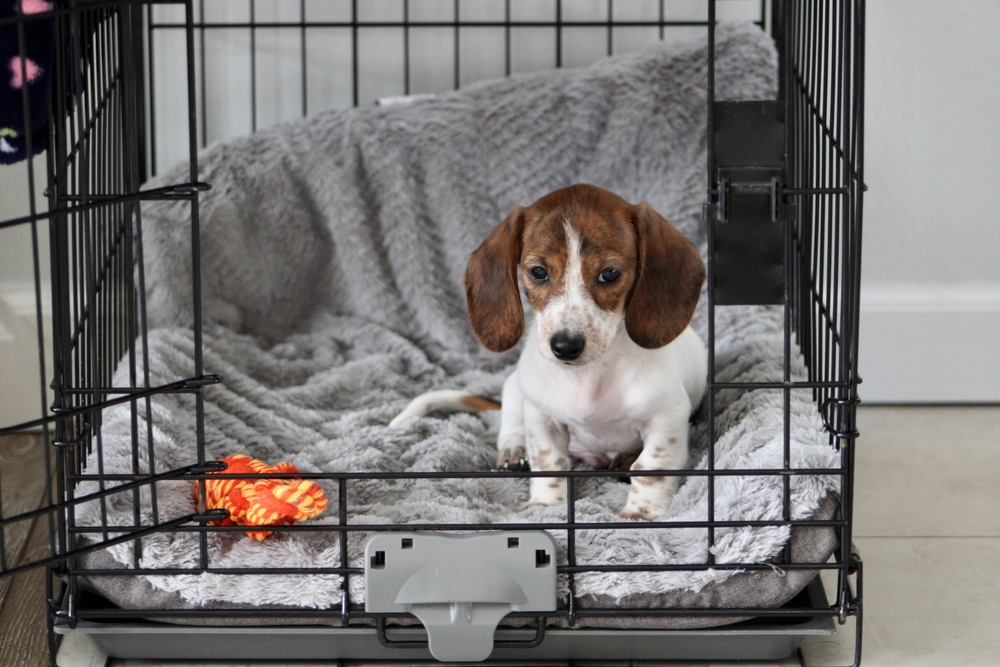
Although not all dog owners (and dogs) like crate training, it can be helpful when you’re house training your Pug. Dogs have an instinctive aversion to soiling their den, and a crate acts as their home. The idea is that you teach your Pug to view their crate as a haven rather than a punishment. They’ll retreat there when they want to sleep or to get away from the noise if they’re feeling nervous.
A crate also allows you to leave your Pug unattended for a while. While accidents happen, your Pug will prefer to use the bathroom when you let them out, allowing you to guide them to the right spot.
Never leave your dog locked in their crate all day. Puppies don’t have the bladder control adult dogs have and will have more accidents if you push them to hold it for too long.
10. Potty Training
When training Pugs, potty training is one of the most challenging tasks many dog owners face; it is a time-consuming task that requires patience, consistency, and positive reinforcement.
This is where your hard work shows its worth. You also need to supervise your puppy closely while you’re training them. Supervision will help you catch your Pug trying to use the bathroom where they shouldn’t and prevent other behaviors like chewing your furniture.
Interrupting and redirecting your Pug to their potty spot and then praising them will work much better than scolding them for accidents. Be prepared for house training to take up to 5–6 months of age as they learn how to control their bladder.
11. Use a Harness
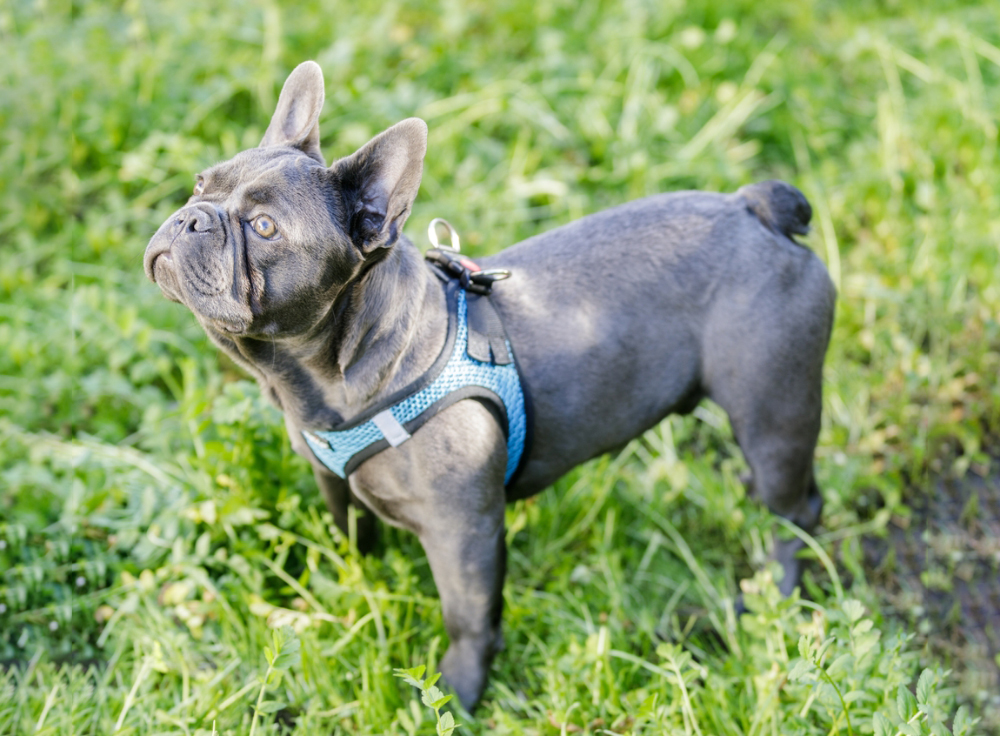
Although they’re small dogs, Pugs have a lot of muscle and are well-known leash pullers. Their short noses also give them plenty of breathing issues to deal with, and walking them on a collar is often a bad choice. A sturdy harness can help you when you’re teaching your Pug to walk nicely on a leash and can be used to discourage their pulling.
No-pull harnesses have a D-ring on the front and will redirect your Pug toward you when they start pulling. Not only does this stop them from pulling at the leash, but it also keeps the pressure off their neck and doesn’t restrict their breathing.
Should You Crate Train Your Pug?
Several dog owners swear by crate training, while plenty of others prefer never to go near it. Some dog owners see crates as something akin to “puppy jail.” While a crate should never be used as a punishment—your Pug should see it as a positive and secure spot they enjoy spending time in—some owners prefer old-fashioned supervision over locking their dog away.
Whether you crate-train your Pug is dependent on your dog’s temperament and your preferences as a dog owner and trainer. Crate training allows you to give your dog a safe spot to sleep and leave them unattended for short periods without worrying about them soiling their sleeping area.
What Is the Fastest Way to Train a Pug?
Unfortunately, there is no guide on how to train your Pug in 5 minutes or less. As with all things worth doing, dog training takes time, patience, and a high level of dedication. However, the right training technique can help your Pug learn things faster. They are an intelligent breed and, taught the right way, will excel at doing what you ask of them.
Using the right rewards, plenty of praise, and keeping your training sessions short and fun are all excellent ways of encouraging your Pug to listen to you. Holding out against their stubbornness and puppy-dog eyes can be challenging but necessary if you want to succeed in your training.
Conclusion
Pugs are intelligent, playful, and enjoy a good training session. However, sometimes their stubbornness can make them challenging to be trained. They are eager to please, but they’re not afraid to use your fondness for their goofiness and appearance against you. You’ll need to ignore their puppy-dog eyes if you want to train them and employ all sorts of tricks to keep them interested. We hope the tips and tricks in this guide help you work with your Pug to ensure they’re adequately trained.
Featured Image Credit: berni0004, Shutterstock
 The 11 Tips & Tricks for Training a Pug