How Do Dogs Drink Water? Vet Reviewed Methods & Hydration Tips


In this article
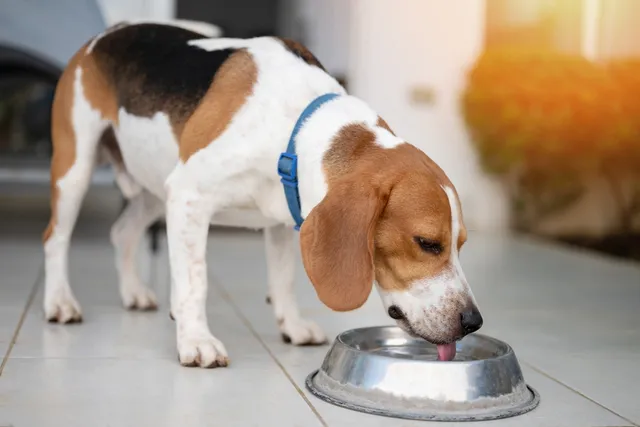
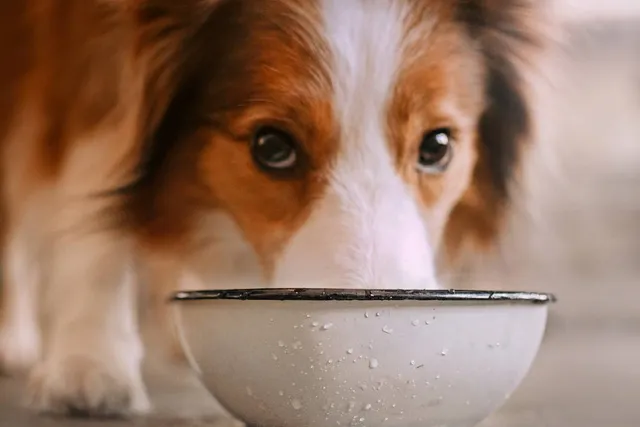
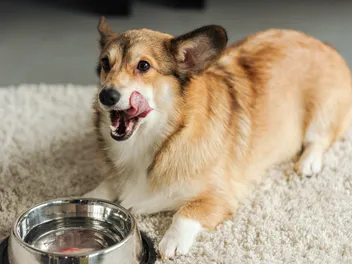
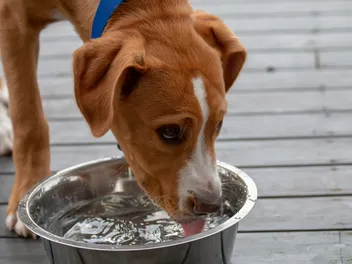
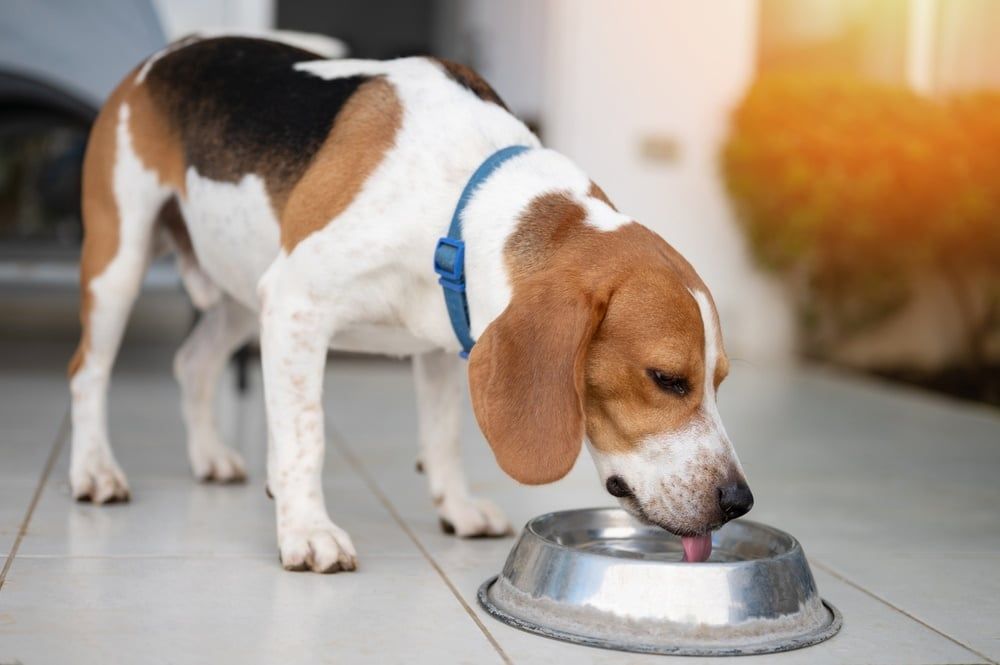
Have you ever wondered why your dog drinks the way they do? They seem to splash about in their bowl until they’re satisfied, leaving behind a mess on the floor for you to mop up. There is a pretty good reason for this–it’s because dogs use their tongue to lap water, sometimes messily.
The ability to lap water, rather than suck it, allows them to drink from almost any water source, even limited ones. Keep reading to discover how dogs drink water and how to help them stay hydrated.

How Dogs Drink Water
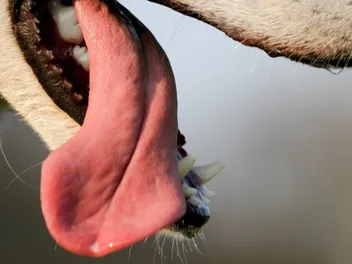
You may have always known that dogs lap up water or even that they curl their tongue to do so. What you may not have known is that a dog curls their tongue posteriorly, or backwards, when they plunge it into the water. Rather create a scoop, this increases the area of the tongue that touches the water. They then quickly retract their tongue into their mouth.
With retraction, water is pulled into the mouth, creating a water column, which the dog bites down on to keep it in their mouth and stop it from pouring out. They then swallow the water. This action happens over and over again until your dog is satisfied.
The faster a dog can move their tongue, the more water they can drink. This is why it’s no secret that water drinking for dogs is a messy activity. Although all dogs drink in the same way, smaller dogs tend to make less mess because they have smaller tongues.


Different Methods to Encourage Drinking Water
Messy or not, all dogs need to drink water regularly. Sometimes it can be challenging to ensure that they are drinking enough. Here are some ways that you can help keep your dog hydrated.
1. Offer Your Dog Ice Cubes
Most dogs love ice cubes because they’re fun to play with, are noisy on the ground, and are cold and crunchy to chew, especially on a hot summer’s day. Not only are ice cubes mentally stimulating, but they’re a sneaky way to get more water into your dog’s body.
Some dogs might be put off by their water because it’s warm and not to their liking. Place a few ice cubes into their water bowl to cool it down, as this might encourage drinking.
Another tip you can try is pouring water into your dog’s favorite toys and freezing them. When you give the toys to your dog, they’ll naturally lick and chew their toys, and as they do so, they’ll be taking water in.
2. Add Wet Food to Their Diet
Giving your dog kibble is perfectly fine, and it has many benefits. However, it is dry and provides little hydration for your dog. You can change this by adding canned food to their kibble, as this is high in moisture. You could also add hydrating fruits and vegetables to their kibble or as a treat throughout the day. Most hydrating fruits and vegetables are low in calories, which allows you to give your dog a few per day without contributing a lot of extra calories. Just be sure to speak to your vet first to make sure the foods you are offering are safe and in the right amounts.
Try adding water to your dog’s kibble or offering water with their meals. Some dogs won’t want to eat soggy kibble, but others may prefer it.
3. Offer Running Water
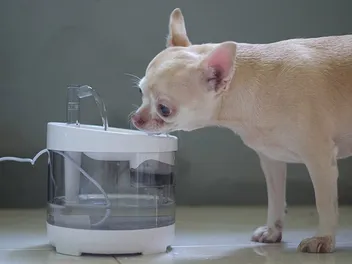
Sometimes, changing things up a bit can encourage your dog to increase their water intake. This includes trying running water from a dog water fountain or even turning on the tap or garden hose a few times a day so that your dog can lap it up.
Your dog may prefer running water because it tends to be fresher and the noise and movement can pique their curiosity. Stagnant water may harbor bacteria or other dangerous parasites, although this is more of a concern in the wild and probably not the case with the water in their water bowl.
4. Add Some Flavor
Your dog might be disinterested in their water because they find the taste boring or unappealing. This isn’t unique to dogs, as many humans may feel the same way and will prefer to drink water if it has a bit of flavor added to it. You can change the way your dog’s water tastes by adding a little bit of low sodium chicken or beef broth to it or adding in a few cucumber or strawberry slices. You can even add a few drops of low sugar apple juice.

5. Switch to an Elevated Bowl
Sometimes it can be painful for a dog to lower their head to the ground to lap up their water, so they avoid doing it altogether.
Injuries, joint disorders, and orthopedic conditions can also cause dogs to have trouble drinking from a bowl on the floor. You can help your dog drink water without experiencing too much discomfort by switching their bowl to an elevated one. This type of bowl can make drinking water more comfortable because it doesn’t put as much strain on the dog’s shoulders, back, and neck.

Why Your Dog May Not Be Drinking Water
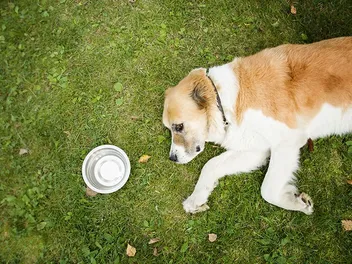
If your dog isn’t drinking as much water as they usually do, you might be starting to worry about them becoming dehydrated.
There are a few reasons why their water intake may have changed:
Signs of Dehydration
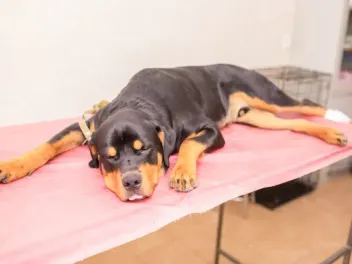
If a dog isn’t drinking enough water, they can quickly become dehydrated.
Signs of dehydration may include:
If your dog isn’t drinking water from their water bowl, try to hydrate them by using other methods of drinking water, which we discussed above. However, if they’re not getting fluids in fast enough, are losing fluids, or are showing signs of dehydration, contact or take your dog to the vet urgently. Extreme dehydration can lead to organ failure, so it isn’t something you can ignore. Your vet may administer intravenous fluids or give you electrolyte-enhanced fluids that you can administer at home.
In Conclusion
Dogs drink water by lapping it with their tongue. This is done by curling the tip backwards, hitting it into the water, and then retracting the tongue back into the mouth. This creates a water column, which they bite down on and swallow. They do this in a fast motion over and over until they’ve had enough to drink. Although all dogs drink the same way, larger dogs tend to make more of a mess because they have larger tongues, which make larger splashes into the water. Different methods of increasing water intake are eating ice cubes, adding water or wet food to your dog’s kibble, introducing a water fountain, adding flavor to their water, and using an elevated bowl. Related stories:
Featured Photo Credit: PixieMe, Shutterstock
Expert dog care, straight to your inbox
Vet-reviewed advice, training tips, and the best of Dogster. Free, and you can unsubscribe anytime.
By signing up, you agree to our Terms & Conditions and Privacy & Cookies Policy.
Keri-Beth is a freelance writer from South African who specializes in animals. She has grown up with a range of pets, volunteered at many shelters, and is highly passionate about pet care. Currently, Keri-Beth is raising two dogs - Benji, the Golden Cocker Spaniel, and Gracie, the Boerboel. With so much information out there, Keri-Beth has made it her questo to make pet care as easy and straightforward as possible for any pet parent in the world.
In her spare time, Keri-Beth enjoys photography, camping, and spending time with her husband, who is a professional drummer.
Join the conversation
Ask a question, share your story, or send private feedback.