Are Home Remedies Effective for Fleas on Dogs? Our Vet Explains



In this article
If you're fighting a battle against fleas (because, let's face it, a battle is what it might feel like), you're probably wondering what you can do to help your dog. A quick online search yields mixed results. Should you try treating fleas at home? What home remedy will kill fleas on my dog and is it effective? The answer is no, home remedies are ineffective and other safe options are available. Read on to learn more.

What Fleas Do to Dogs
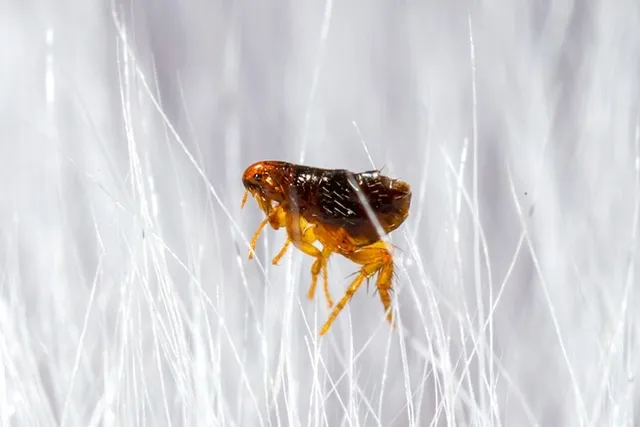
Fleas are the bane of many pet owners. All it takes is a visiting pet or some wild animals running through your yard, and your dog can readily get exposed to fleas. When fleas bite our pets (and us), their saliva can trigger intense itching, so your dog might develop hair loss, scabs, and even a skin infection. Fleas transmit diseases and other parasites like tapeworms. Fleas feast on blood, so dogs with a heavy infestation can quickly become anemic.

So, Do Home Remedies Work on Fleas?
While there's some anecdotal support that things like diatomaceous earth can help eliminate fleas, the sad fact is that most of these remedies aren't very effective at eradicating a flea infestation.
Unfortunately, there's no real home remedy for fleas on dogs that can substitute for quality prevention products. The Companion Animal Parasite Council recommends that all dogs be on year-round flea prevention.1
The good news is that there are many options, and some even include heartworm prevention in the product.
Some examples are:
Yes, these products do have possible side effects. Topical flea prevention can cause hair loss at the application site. Oral products can cause gastrointestinal upset, such as vomiting. Some oral products are also associated with a lowered seizure threshold. You should work with your veterinarian to determine the most effective product for your dog and your situation.
I've seen too many cases of anemic dogs and cats to recommend anything but using a reliable flea preventative. Avoid the cheaper products that are over the counter because they often don't work. Also, please don't use flea prevention for dogs on cats. It is usually hazardous because cats lack certain enzymes, and that can make these products highly toxic to cats when applied.

Flea Control Measures That Can Help
There are a few different home measures for fleas that may help your dog. Keep in mind that, because of the fleas' life cycle, eggs hatch every few weeks. You'll need to be diligent about using prevention every month to help break the flea life cycle in your house and yard.
Don't be afraid to seek professional help if you're having issues with fleas. Your veterinarian can recommend a suitable prevention method to kill the current fleas, and you could contact an exterminator to treat the house and yard.
1. Vacuuming

Flea eggs fall off our pets, into their bedding, and on the ground anywhere they walk. You can vacuum up those eggs regularly while treating your dog to help reduce the number of eggs that might hatch. According to Texas A&M, vacuuming can reduce flea eggs by 60 percent and 30 percent of larvae.
Don't forget to empty the vacuum outside. You don't want fleas hatching in the vacuum and hoping to repopulate your house. Consider even vacuuming the furnishings.
2. Heat
Wash all your dog's bedding that can be laundered in the washing machine and dry it, if possible, with high heat to kill eggs. You can steam clean your furniture and drapes, which could also help.

3. Outside Control
Do your best to make your yard inhospitable to fleas. They like dark, shady areas. Cut the grass. Prune back trees and bushes if you can to get more sunlight on the ground. Clean up yard debris rather than letting it sit, especially in areas your dog frequents.
There are some natural flea predators that you may want to encourage in your yard. First, birds will eat fleas, so consider attracting them to your yard with feeders and bird baths.
Certain invertebrates may help control fleas, including:
You can purchase ladybugs and even nematodes for your yard.
A Note on Home Remedies for Fleas on Dogs
Garlic is sometimes touted as a flea prevention, but it is not something you should give to your dogs. Garlic can cause anemia and can potentially make your dog quite sick. There's also no objective scientific evidence that supports giving garlic (or brewer yeast) to treat fleas.
Some people have read about the benefits of diatomaceous earth for fleas. However, even diatomaceous earth can irritate dogs if applied to their bodies or to an area where they walk or lie down.

Frequently Asked Questions (FAQ)
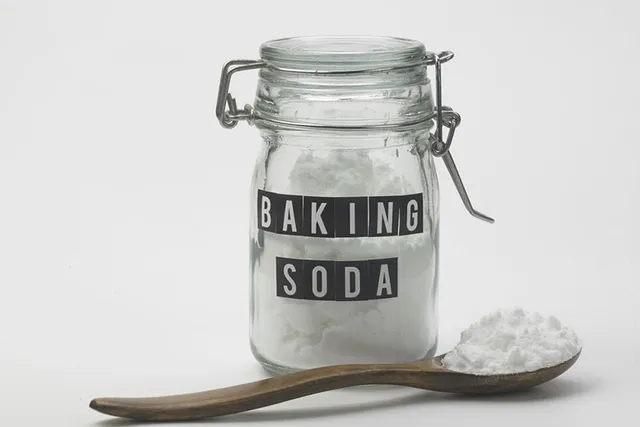
Can I put baking soda on my dog to kill fleas?
There's no evidence that putting baking soda in your dog will kill fleas, likely making quite a mess. Stick with formulated flea prevention products.
Will vinegar kill fleas on my dog?
A common at-home flea treatment for dogs is vinegar, though it's not likely to kill fleas on your dog, it might help repel them. That said, the vinegar can disrupt the normal pH of your dog's coat and lead to skin issues.
Will hydrogen peroxide kill fleas on my dog?
Peroxide is not likely to kill any fleas on your dog, but it can delay wound healing if your dog has wounds from itching related to the fleas. It can also cause serious damage and even blindness if it gets into your dog's eyes or vomiting if it gets into your dog's mouth.
Can I spray rubbing alcohol on my dog to kill fleas?
While rubbing alcohol kills fleas, it can also be toxic to your dog. This household chemical can significantly dry out your dog's skin and burn any open sores if it comes into contact with it. It can also cause damage if your dog gets it into their eyes. Alcohol is toxic to dogs if they end up ingesting any or licking it off their fur, depending on the amount.
Conclusion
Fleas are hard to get rid of and incredibly frustrating for pet owners to deal with. Talk to your veterinarian about reliable prevention products if you're facing a flea problem or want to prevent one.
See also:
Sources
Featured Image Credit: schubbel, Shutterstock
Expert dog care, straight to your inbox
News, insights, expert advice, and everything dog.

No spam — unsubscribe anytime.
By signing up, you agree to our Terms & Conditions and Privacy & Cookies Policy.
How useful was this post?
Click a star to rate. You can leave written feedback afterwards. (We read all feedback.)
Dr. Samantha Devine DVM (Veterinarian)
Dr. Samantha Devine is a practicing veterinarian who enjoys caring for animals and sharing her knowledge with pet owners. Preventative care, ranging from nutrition to vaccination, is her specialty and passion!
With over 12 years of veterinary experience, Dr. Devine has extensive knowledge to share about small animal medicine, horses, aquatic species, and even zoo animals. She has also been writing for online pet sites for most of that time.