A dog’s tongue is something dog owners are faced with almost every day—your dog may lick you to say hello, you may feel it when playing fetch, and you see it when they eat and drink water. But how much do you know about this busy muscular organ?
A dog’s tongue is used to aid in swallowing, breathing, regulating their temperature, and getting them into a bit of trouble—but its functions don’t stop there. There is so much to learn about your dog’s tongue and understanding more about it will help you understand your dog better.
Read on below to find out more.

The 12 Facts About Your Dog’s Tongue
1. Your Dog’s Health Can Be Seen in Their Tongue
When checking the health of a dog, many people look at the quality of their coat and the wetness of their nose, but it’s important to check their tongues too.
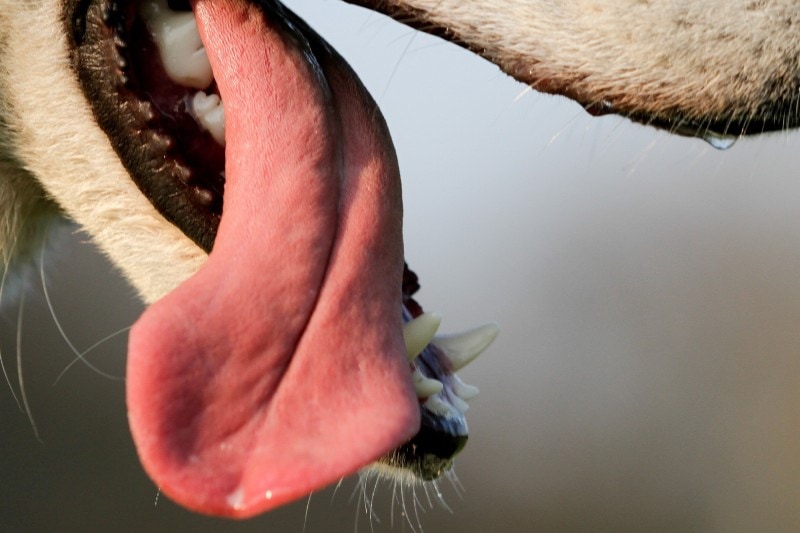
Most dogs have pink tongues. It’s a healthy indication that the tongue has a good blood supply. However, if it changes in color, even slightly, it’s often an indication that not all is well with your pup.
If your dog’s tongue is white or pale in color, they might be suffering from leukemia, anemia, internal bleeding, or poisoning. If it has small white growths, this can be a sign that they have cancer. A sudden change to purple means that your dog isn’t getting enough oxygen which could be due to heart or respiratory problems. In most breeds, any color other than pink is a sign that your dog needs veterinary attention immediately.

2. Some Breeds Don’t Have Pink Tongues
If you’ve had a dog with a blue, lavender, or black tongue since they were a puppy, don’t be alarmed. Some breeds of dogs, such as the Chow Chow and the Shar-Peis, don’t have pink tongues but are healthy and happy. Their blue tongues are hereditary and are part of the breed standard for some purebreds.
Other breeds may have blue spots on their pink tongues, which is caused due to pigmentation. These spots also aren’t a sign of an unhealthy dog and can commonly be found in Labrador Retrievers.
3. It’s Used for Grooming
It’s a well-known fact that cats are meticulous groomers who spend most of their day taking care of their coats. And their rough tongues are the perfect tool. Well, dogs use their tongues for grooming purposes too. Because it’s smooth, it’s not as effective as a cat’s tongue, but it’s still able to remove dirt and lose hair. However, self-grooming isn’t enough, and you need to brush through their coats regularly.
Part of the grooming process is caring for any small wounds. Your dog’s tongue is great at spreading saliva into those areas to disinfect them. Saliva contains histatins, which are proteins that can inhibit infection. However, if the wound is deep, vet care will be necessary. Also, please note that your dog’s saliva also contains a lot of bacteria. Although this is normal flora for them, it can cause infections in humans.

4. It Keeps Them Cool
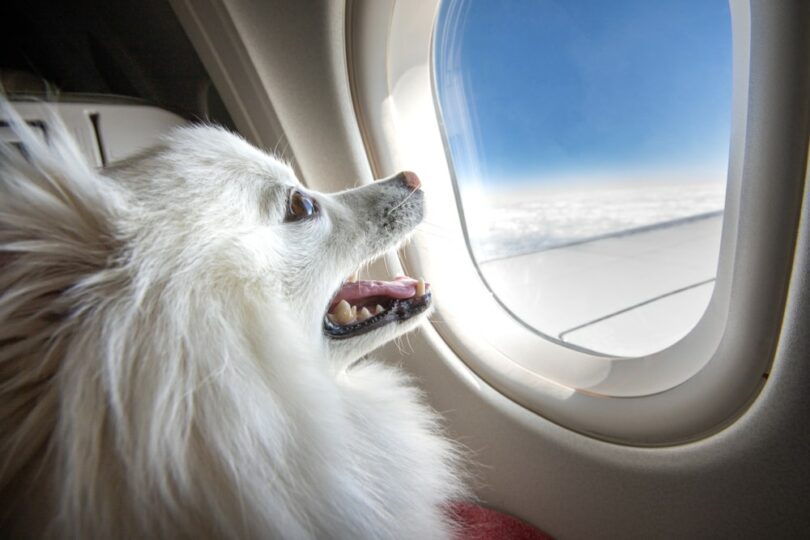
When it’s hot, your dog doesn’t sweat and cool down the same way you do. They have sweat glands on their nose and paw pads but not all over their body like humans do. Regulating their temperature has to be done differently—and it occurs through panting.
When dogs pant, they open their mouths and expose their tongues to the air, allowing it to move over their tongues as they rapidly breathe it in. As this happens, the saliva and moisture in their mouths evaporate and cool them down. Heavy panting speeds up this process and cools them down faster.
You can help your dog cool down by leading them into a cooler room or area or giving them something cold to lick or drink.
5. It Helps Them Choose What to Eat
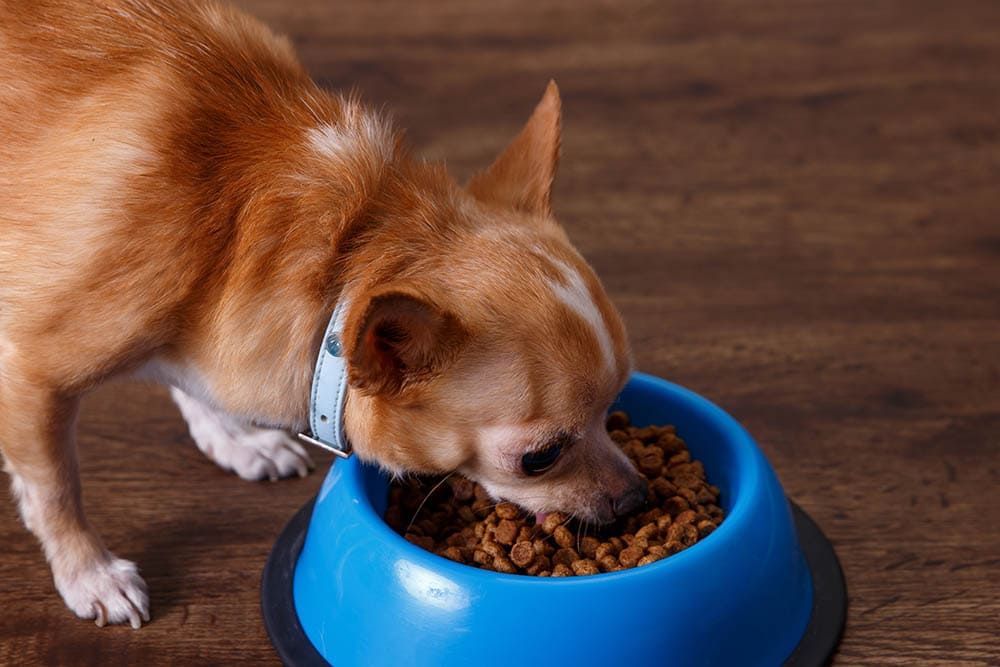
Dogs rely on their ability to smell to choose their food, but their sense of taste is another big contributor when it comes to what they like and don’t like. Dogs have around 1,700 taste buds in their mouths that protect their stomach from dangerous substances because they recognize whether something is tasty enough to eat or tasteless enough to avoid.
Although that’s a high number of taste buds, dogs have fewer than humans, who have around 9,000.
With these taste buds, dogs can distinguish between sweet, salty, sour, and bitter foods and substances. They even have taste buds at the tip of their tongues that can taste water, making it more appealing.

6. Tongues Are Warm
If you’ve never noticed the warmth of your dog’s tongue before, pay extra attention to its temperature the next time your dog licks you. Dogs have warm tongues because they have a higher body temperature. Because our body temperature is lower than that of a dog’s, dogs and their tongues often feel warmer to us.
Don’t be alarmed; a warm tongue isn’t an indication that your dog is running a temperature. However, if their tongue feels hot and they’re showing other symptoms, then you may have a sick dog on your hands that needs to see the vet.
The only times your dog’s tongue may not be warm is when they’ve had something cool to drink or lick or have been panting in a cool area. However, it’ll warm up again soon enough.
7. It’s Used for Communication
Dogs can’t talk, but they do communicate with their tongues. In different situations, licking can communicate different things. It can be a sign of submissiveness or an act of affection between two dogs. If a mother licks their young puppies, it can also be to encourage pooping and urinating.
There’s no hard proof that dogs lick their owners out of happiness or affection, but dogs behave that way toward each other to show those emotions, so it’s highly likely. However, prevent kisses on your face, as dogs have plenty of bacteria in their mouths.
Instead, allow them to kiss your hands because you can wash them afterward.

8. Some Tongues Are Extra Long
There are many dog breeds that have long tongues that stick out of their mouths, but some dogs have a rare condition called macroglossia. It’s characterized by a tongue that is so long for a dog’s mouth that it causes breathing, eating, and swallowing difficulties, excessive salivation, and a limited range of movement with the tongue.
A puppy can be born with this condition and latching onto their mother sometimes isn’t possible. These puppies do better when tube-fed or bottle-fed with a long teat.
9. They Make Water Drinking a Messy Activity
Both dogs and cats drink water with the use of their tongues, but cats are much less messy than dogs. This is because cats use the tip of their tongue to dip into the water and pull it up into their mouths quickly. After a cat licks up their water, they quickly close their mouths to trap in the water. Their tongues are small, which causes less of an impact in the water, and the whole ordeal is almost mess-free.
However, dogs use their much larger tongues to spoon the water up into their mouths like a ladle.

10. They Affect Your Dog’s Bark
If you know anything about the human tongue, you’ll know that singers have to move it in different ways to create different sounds. Without our tongues, we wouldn’t be understood by the people around us when we tried to talk. The same is true for dogs.
A thicker tongue will make the opening of a dog’s throat narrower. If a dog has a large tongue, their bark is going to sound different from that of a dog with a smaller tongue.
11. They’re Not Cleaner Than Human Tongues
Although humans may have more taste buds than dogs, we share a similar number of different types of bacteria. So then, why is it recommended that you don’t let your pooch lick your face or kiss you on the mouth? Well, dogs and humans are different species, and each species has different bacteria in their mouths that are normal for that species.
However, although some of those bacteria may be similar, they don’t belong in the respective species’ mouths, and you’ll be much safer avoiding cross-contamination.

12. Licking Calms Dogs Down
Dogs lick to smell things better and explore everything around them. But they also use their tongues to lick things in an effort to calm themselves down. Licking causes a calming effect on your dog because the action releases endorphins in their brain. It’s okay for dogs to feel a little stressed out sometimes and need to self-soothe, but if they’re constantly licking everything, there might be a more serious problem.
If your dog is licking excessively, it could be because they’re hungry, in pain, have OCD, are feeling nauseous, itchy, or uncomfortable.
If you have any concerns about your dog or their health, we recommend you contact your vet directly.
If you need to speak with a vet but can't get to one, head over to PangoVet. It's our online service where you can talk to a vet online and get the advice you need for your dog — all at an affordable price!

Conclusion
There is so much to learn about your dog and understanding their most used muscular organ is a great place to start. A dog’s tongue is used to communicate with other dogs and people; its color can be an indicator of your dog’s health; it cools them down; they use it to groom themselves; it affects the sound of their bark, and it’s essential for drinking and eating.
Understanding your dog’s tongue and how they use it will teach you a lot about your dog, so keep a close eye on it.
See Also:
Featured Image Credit: Rolf Dobberstein, Pixabay
 The 12 Facts About Your Dog’s Tongue