While the idea of living in a new home is often exciting, the actual process of moving is often stressful. Moving to a new home can be especially stressful to dog owners because they must consider how the move will affect their dogs.
Moves can be stressful to dogs because we can’t verbally communicate what’s happening to them. They often just see things going into boxes, strangers taking away their belongings, and being plopped into a new living space.
Careful preparation and planning can reduce the stress your dog experiences during a move. Here are some things you can do to help your dog adjust to living in their new home.

The 7 Tips for Helping Your Dog Adjust to Your New Home
1. Let Your Dog Visit Before Moving
If you’re able to access your new home before moving, try to schedule a few dates when you can take your dog there. Let your dog explore the space and become familiar with it. These visits will reduce your dog’s shock after a move because they’ve already been in the new house.
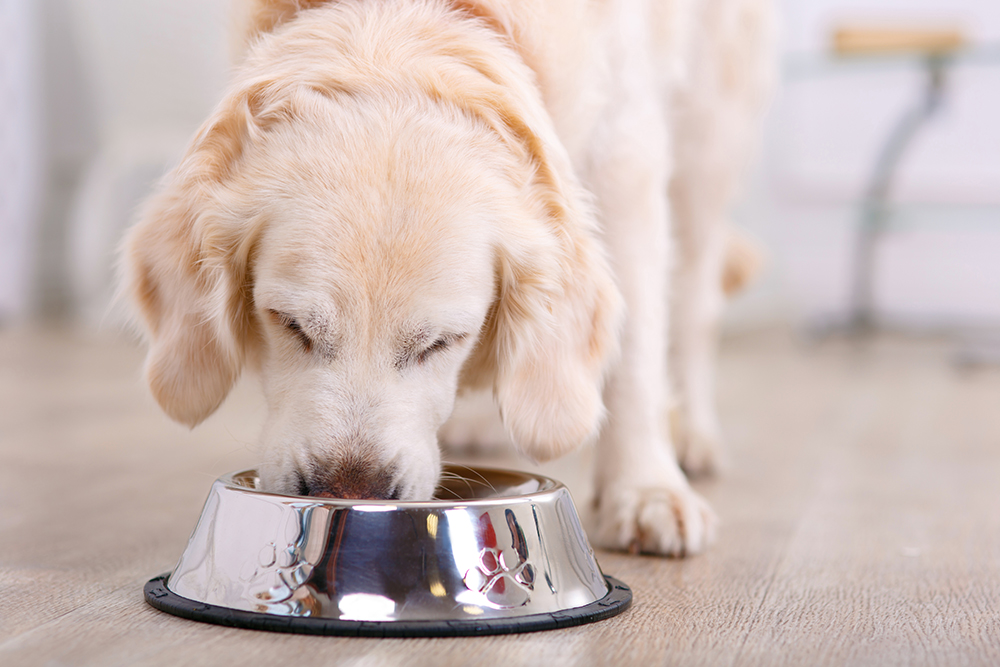
It’s also helpful to place some of your dog’s items in the new home, as this can help build a positive association for dogs. If you have the time, try feeding your dog at your new home and letting them play with their favorite toys there.
2. Hire a Dog Sitter During Your Move
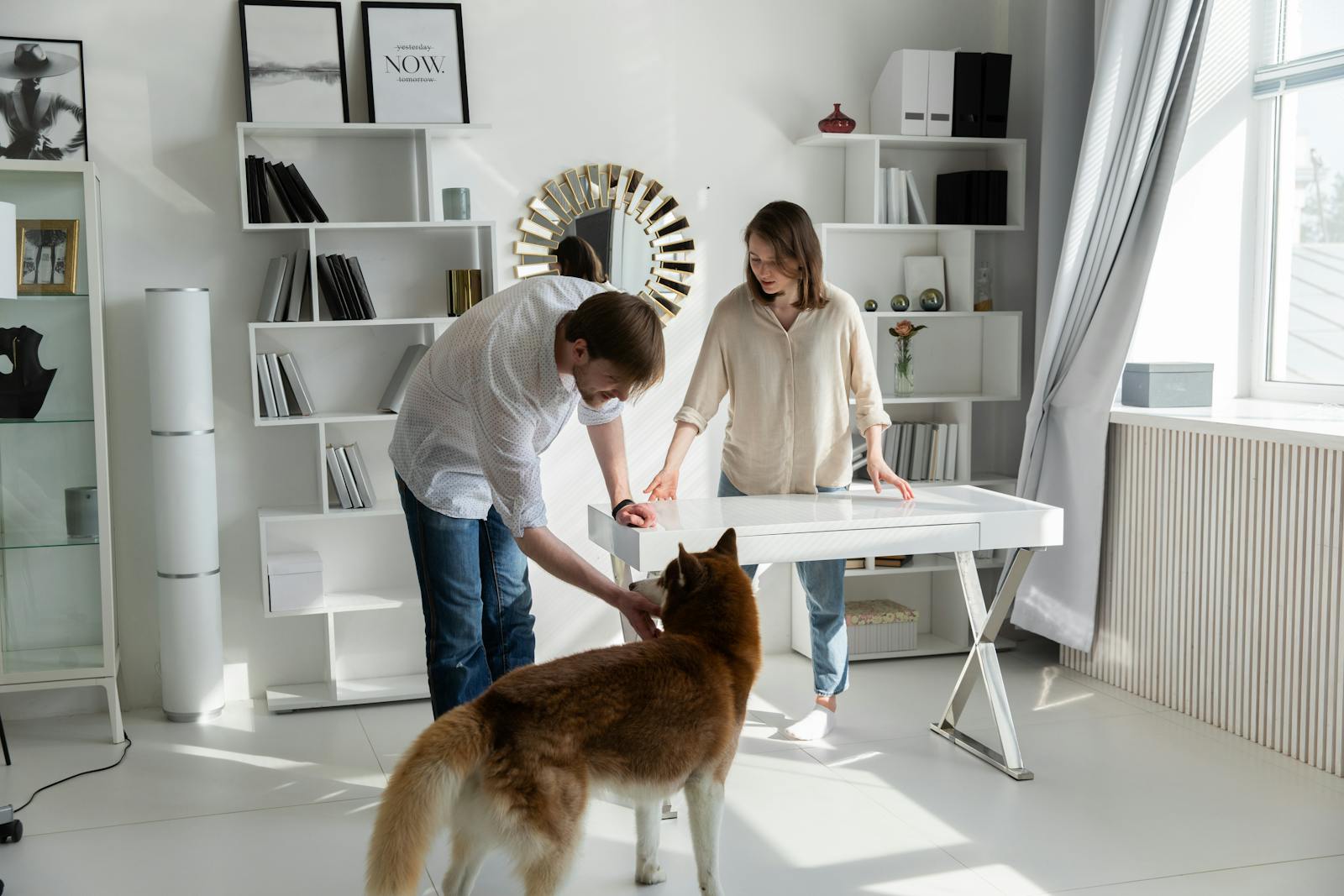
Moves can be stressful for your dog, too. They won’t understand why things in the house are suddenly getting hauled out, and they’ll also feel any stress that you’re feeling. Since your dog won’t help with the move and you may be too distracted to watch them at all times, try to find someone who can keep an eye on them. If you don’t have any family or friends who are available to look after your dog, consider hiring a dog sitter for the day. This will greatly reduce the risk of dogs getting lost during the move, and it’ll let them avoid feeling any stress throughout.
3. Set Up Your Dog’s Living Space Beforehand
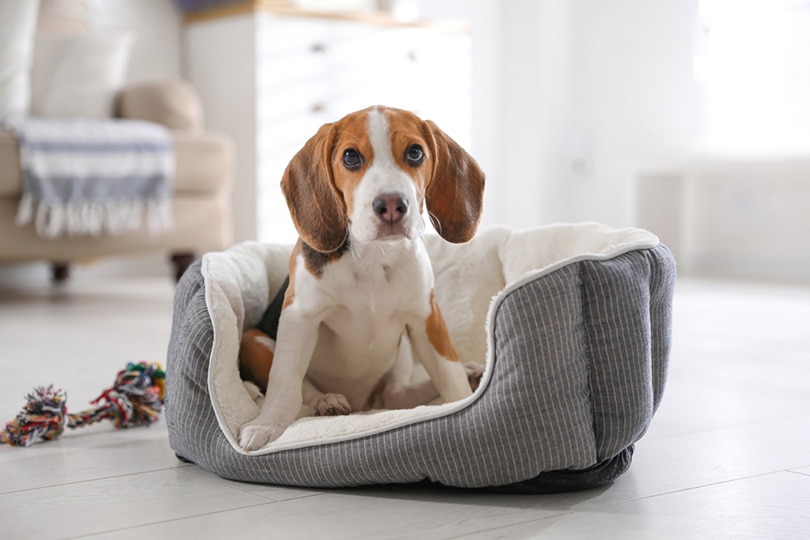
Make it a priority to set up your dog’s things before they arrive in your new home. Place their beds in their new sleeping area and set up their food and water station. Preparing your dog’s things beforehand can lessen their confusion and help them settle in faster. It’ll also be helpful for you because you won’t have to scramble and sift through boxes to look for things that your dog needs.
Scent is very important in helping your dog adjust to a new home. Bringing in things like beds and blankets that smell familiar will be reassuring for them. Consider buying plug-in diffusers that release a synthetic form of dog appeasing pheromone (DAP) which can also help dogs feel more safe and secure in their new environment. Ideally plug in the diffuser at least 24 hours before your dog comes into their new home.
4. Let Your Dog Explore on Their Own
After you’ve moved everything into your house, let your dog explore their new home on their own terms. Some dogs may be very excited, while others can feel anxious and want to stick by your side. Don’t force your dog to explore or walk into any rooms in the house if they don’t feel comfortable. They’ll eventually want to check out their new home when they’re ready. When they do, make sure to praise them and give them treats to encourage and help them feel more comfortable in their new home.
5. Maintain Your Dog’s Daily Routine
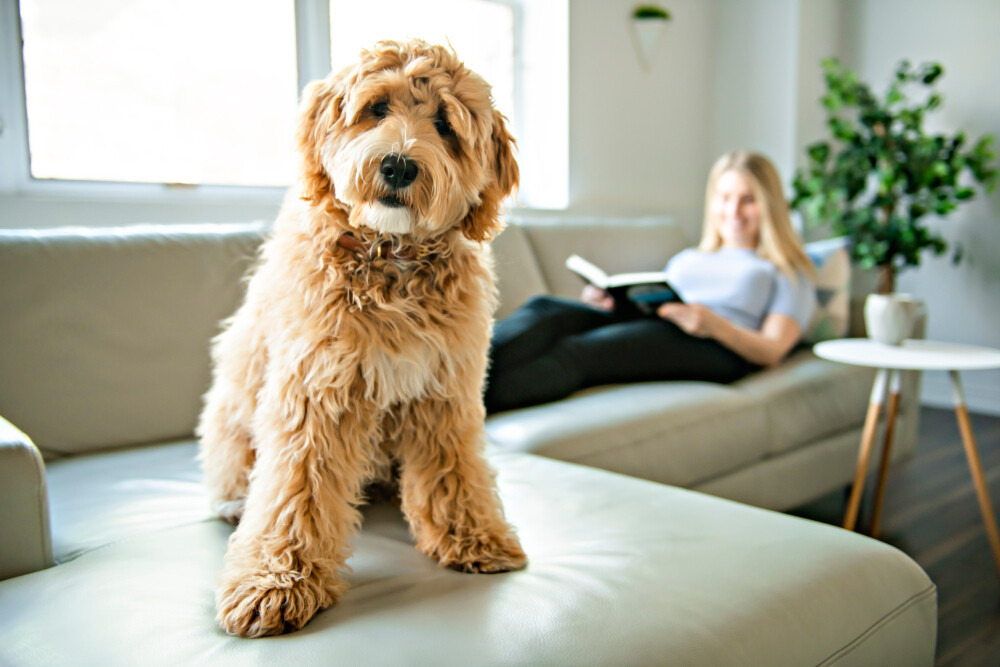
Your dog’s daily routine will be a source of comfort for them. So, do your best to stick to their usual routine when in the new home. Dogs will feel less anxious when they notice consistency and know what to expect. Make sure you’re feeding them at the same time, walking them at the same time, etc.
If your move causes you to make switches to your dog’s daily routine, try your best to make gradual changes so that your dog doesn’t feel lost or disoriented from too many significant changes.
6. Be Mindful of Your Own Emotions
Dogs are very sensitive to people’s emotions and can discern when we’re feeling anxious or stressed. They’re also very good at mirroring their owners’ emotions and will start to act like how their owners act. Therefore, if you’re feeling anxious about your move, your dog is likely also to feel anxious. If you’re stressed out about things in your new home, your dog will also feel stressed.
Moves are usually stressful, no matter how much you prepare in advance. So, make sure to be aware of your emotional well-being during this time. When you feel happy in your new home, your dog will eventually follow suit and learn to love their new home.
7. Don’t Leave Your Dog Home Alone Right Away
It’s likely for your dog to feel uncomfortable for the first few days in their new home. Some dogs can feel fearful or distressed in their new homes and may develop separation anxiety.
So, do your best to ensure your dog isn’t by themselves while they’re adjusting to their new living space. If you can’t be with your dog, ask friends or family members if they can spend time with your dog while you’re out, or give them something that you know will keep them busy for a little while.
If you do have to leave, try to keep your time away from the house as short as possible until your dog adjusts.
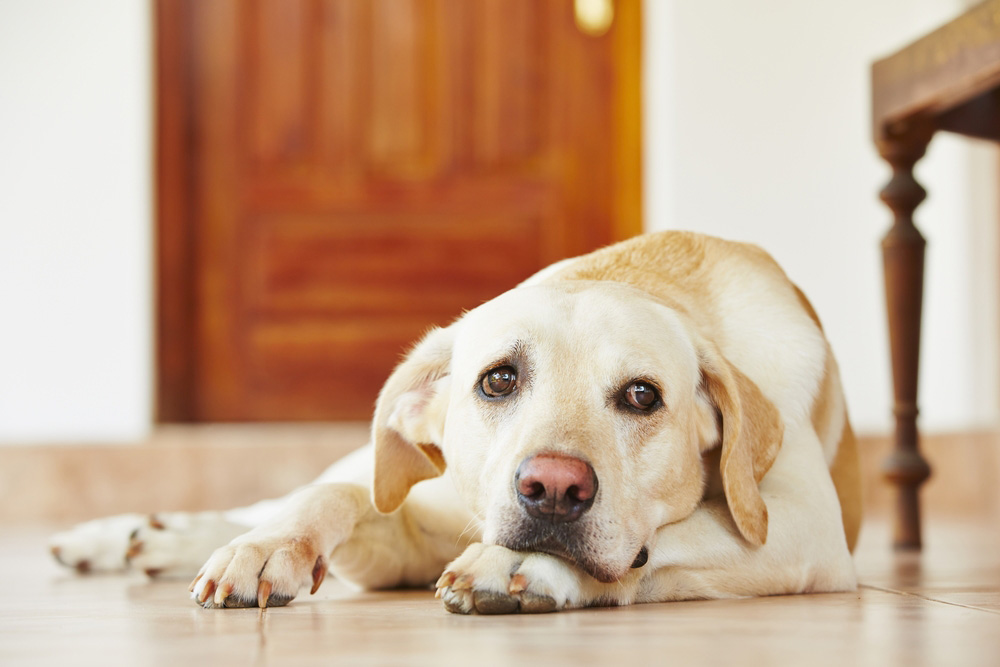

How Long Does It Take for Dogs to Adjust to a New Home?
The time it takes for dogs to adjust to their new homes varies from dog to dog. Some dogs will need just a couple of days to feel comfortable in their new house, while others can take weeks. It’s important to be patient with your dog and establish a consistent daily routine for them during their adjustment period. Ensuring your dog gets plenty of exercise and attention can help dogs feel calmer and more comfortable in their new home.
If your dog is having a particularly challenging time adjusting after you move, consider working with a dog trainer or behaviorist. They can help you understand your dog’s behavior and come up with a training plan to help your dog feel less anxious or distressed in their new home.
If you have any concerns about your dog or their health, the best resource you have is your vet.
If you need to speak with a vet but can't get to one, head over to PangoVet. It's our online service where you can talk to a vet online and get the advice you need for your dog — all at an affordable price!

Conclusion
Moving to a new house can be stressful for everyone in your family, including your dog. It’s likely that your dog will need some time to adjust and feel comfortable living in their new home. Sticking to a consistent routine and being mindful of your own emotional state can help immensely with helping dogs adjust. If it’s taking a long time for your dog to feel comfortable and less distressed, work with a behaviorist or trainer to see how you can best help your dog. It’ll take some time and patience, but your dog will eventually learn to love their new house.
Featured Image Credit: New-Africa, Shutterstock
 The 7 Tips for Helping Your Dog Adjust to Your New Home