What Is the Dunbar Dog Bite Scale? Vet Approved Facts & FAQ


In this article
Dog aggression is an emotive topic, whether the dog is being aggressive toward another dog or a person. If someone has been bitten by a dog, the Dunbar Dog Bite Scale gives an objective way to categorize the bite based on the wounds inflicted.
Dog bites are a serious public health concern and also affect animal welfare. The severity of the injuries is important to help understand the dog’s future prognosis. However, while the Dunbar Dog Bite Scale helps to assess the severity of biting problems, even snapping and lower-level bites will often lead to more serious bites and future injuries if the behavior and reasons behind them are not addressed.

How Does It Work?
Developed in the 1970s by veterinarian and behaviorist Ian Dunbar, the Dunbar Dog Bite Scale uses characteristics of bites, especially bite marks, to determine the severity of a dog bite. It takes into account factors like the depth of the bite compared to the dog’s teeth, as well as any additional bruising and other injuries.
The scale means it is not necessary to rely only on human accounts of the attack, which might not be accurate, and reliably uses physical evidence instead.

Where Is It Used?
The scale is used by medical practitioners to determine the severity of a dog bite attack. It may also be used by law enforcement and animal welfare officers to determine whether a dog is dangerous and what further action needs to be taken. It can be used by behaviorists and trainers to determine the best course of action for an owner to take with their dog. Other evidence, such as the dog’s actions before and during the bite and the details surrounding the bite, such as any potential causes and reactions, also need to be considered. The Dunbar Scale measures the physical severity of the bite.
The Dunbar Dog Bite Scale
The scale has six levels, which equate to how severe the bite is. These levels consider the depth of the bite, the injury and damage caused by the bite, and the frequency. The levels are as follows:
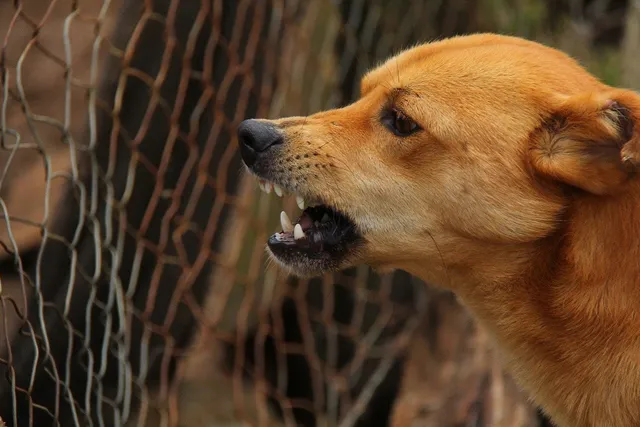
- Level 1: Aggressive behavior such as lunging, snapping, and growling, but no physical contact from the dog. This is the most common level of bite and is often described as a pre-bite. Earlier warning signs that the dog was unhappy or fearful were likely misunderstood or ignored. It is important to avoid punishing a dog for displaying these signs, or a dog may progress to an actual bite without warning. With training, classical conditioning, and positive reinforcement, dogs can have a good prognosis.
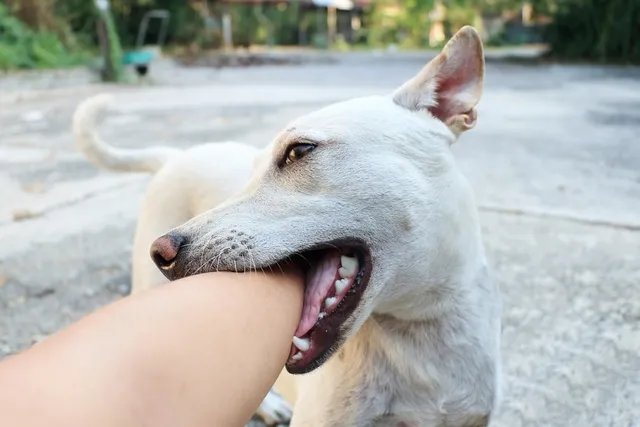
- Level 2: Contact is made with the skin, but there is no puncture. The skin may be nicked when the teeth are scraped over the skin. This is another common level of dog bite that is frequently seen and is described as a near-bite. The bite is inhibited but is still concerning as it could turn into a real bite in the future if the reasons behind it are not understood and addressed with more intense training.
- Level 3: There are between one and four puncture marks on the skin. None of the marks are any deeper than half the total length of the dog’s canine teeth. There may be additional damage caused by the victim trying to pull their hand away or by the dog being pulled away at the time of the bite. This level of bite is reportable.
The prognosis can be favorable if a suitable behavior modification plan is followed. However, treatment requires dedication and takes time. If a dog has bitten at this level, they will always be considered a liability since there is a risk of future bites. If there are multiple level 3 bites, it is considered a more severe incident.
- Level 4: A single bite wound with between one and four puncture marks, and at least one is more than half the depth of the dog’s canine teeth. There will likely be an additional injury, typically bruising or lacerations, from where the dog has shaken the injury site.
A level 4 bite is extremely serious, and the dog should be considered dangerous. They are highly likely to bite again and have shown no bite inhibition. Special care must be taken with a dog that has bitten to this extent, including keeping the dog confined and only allowing contact with adult owners. The authorities should be informed of any attacks of this nature. The dog’s quality of life also needs to be considered.
- Level 5: Multiple level 4 bites have occurred. A level 5 attack is likely to have caused severe injuries, depending on the size of the breed. Rehabilitation is highly unlikely, and in these and level 6 cases, euthanasia is likely to be recommended.
- Level 6: The victim dies as a result of the dog bites.
Frequently Asked Questions
What Should I Do If My Dog Has Bitten Someone?
If your dog has bitten someone, you should speak to your vet and a veterinary behaviorist. They will work with you to identify the cause of the bite and determine whether your dog can be rehabilitated. They will need your cooperation and will give you a series of training routines and steps to take to minimize the risk of bites in the future.
Can Aggressive Dogs Be Rehabilitated?
One of the ways in which the Dunbar Bite Scale is used is to determine how likely it is that a dog can be rehabilitated. Dogs guilty of level 1 or 2 bites can usually be trained so that they are unlikely to bite again. At level 3, rehabilitation is possible but more difficult. Animal experts agree that dogs at level 4 or above cannot be rehabilitated.
If you're concerned about your dog's behavior we suggest you speak to a vet.
Conclusion
Dog bites can be terrifying for the victim and heartbreaking for the dog’s owner, no matter the cause or the events that led to the bite. They can also be very dangerous, and there are other factors to take into account beyond the severity of the bite wounds. However, the Dunbar Dog Bite Scale is a very useful tool because it removes emotions from the question of how severe a dog bite injury is. It uses physical evidence to determine how aggressive an attack is and helps assess the likelihood of whether a dog is likely to bite again based on that evidence.
Sources
Featured Image Credit: Den Rozhnovsky, Shutterstock
Expert dog care, straight to your inbox
News, insights, expert advice, and everything dog.

No spam — unsubscribe anytime.
By signing up, you agree to our Terms & Conditions and Privacy & Cookies Policy.
How useful was this post?
Click a star to rate. You can leave written feedback afterwards. (We read all feedback.)
Matt is a freelance writer from the UK. He lives with his partner and daughter, as well as two cats and one dog. A data analyst by profession, Matt moved from numbers to words more than 15 years ago and has been writing ever since. Having volunteered at a local animal sanctuary, he has a lot of experience with dogs, cats, and horses. Matt has also kept bearded dragons, a variety of birds, fish, guinea pigs, hamsters, mice, and rats. His daughter has adopted the same passion for animals, keeping and breeding snakes. A geek at heart, Matt is a member of a local board gaming group and regularly forces his family to “enjoy” board games with him at home.