In this article
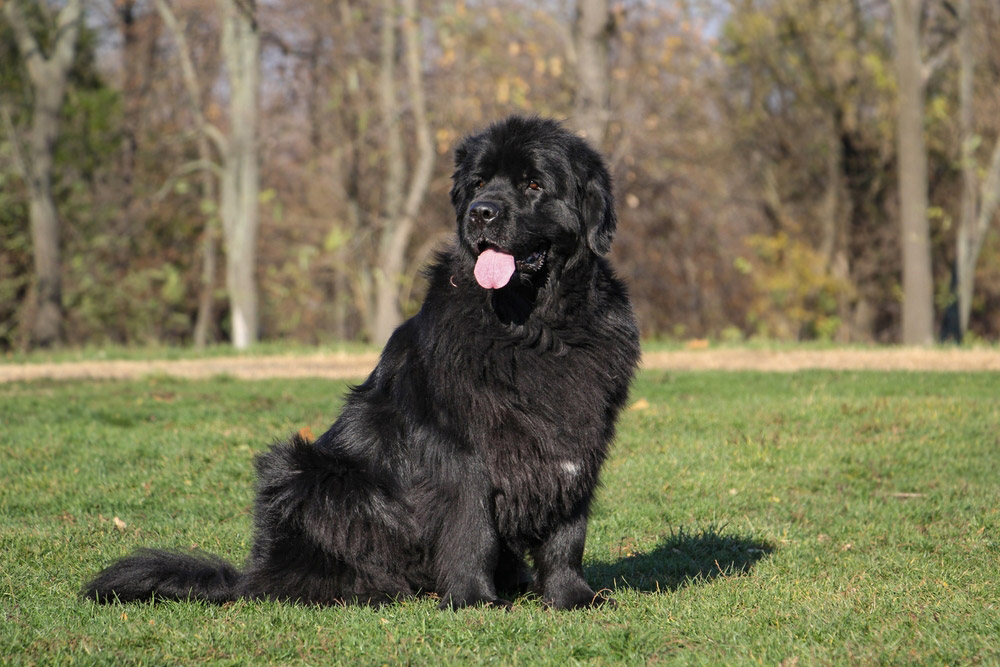
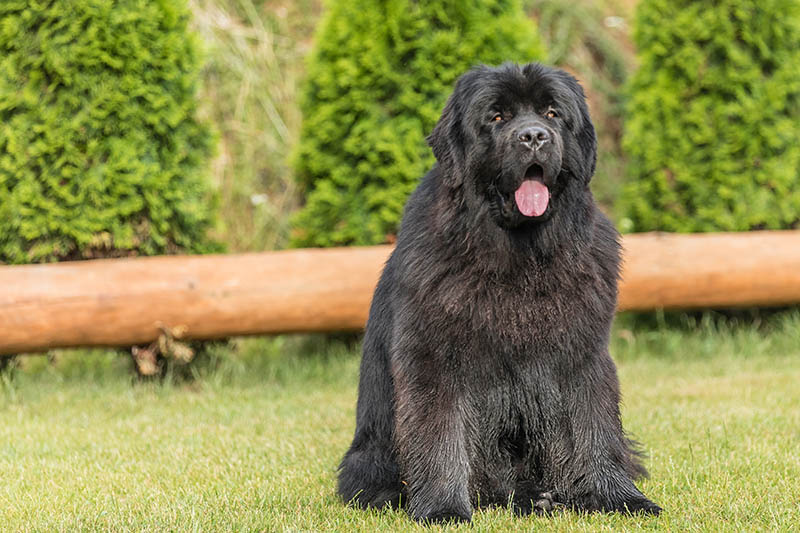
View 8 More +The Newfoundland Dog, or Newfie, is a large, big-boned, and grizzly bear-looking retriever breed from Canada. Newfies are the epitome of a gentle giant dog breed, and they’re also well known for their cold-water rescue history. Besides their furry bulk, the Newfies are known to be a stoically dignified, loyal, and intelligent cold-weather breed.
If you’re interested in learning more about this breed or how to take care of them, join us below as we get into all things Newfie.
Breed Overview
Height:
26 to 30 inches
Weight:
100 to 150 pounds
Lifespan:
8 to 10 years
Colors:
Black and white, black, brown, gray, tan, beige
Suitable for:
Active singles or families with or without kids, those who don’t mind dog hair
Temperament:
Loyal, loving, intelligent, easy to train, friendly
Newfies are a big furry blend of a bunch of breeds. They’re known to be related to the Labrador Retriever, Irish Water Spaniel, Curly Coated Retriever, and the now-extinct St. John’s Water Dog, among others. Originally bred to be cold-water working dogs, Newfies proved excellent at retrieving fishing nets, passing messages, and even rescuing overboard sailors. Today, they’ve earned a gentle reputation as “nanny dogs” that get along well with children.
Newfoundland Dog Characteristics

Newfoundland Dog Breed Puppies
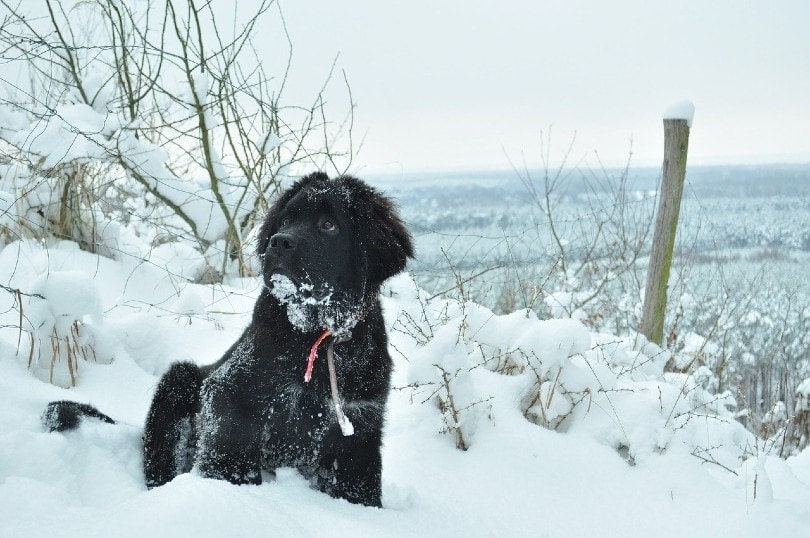
Newfoundland puppies are some of the sweetest and most easy-going pups you’ll ever meet, but the catch is finding a reputable breeder! Thankfully, Newfie devotees have made this easier than ever. We recommend joining or meeting members of your regional chapter of the Newfoundland Club of America (NCA). By joining or making friends with members, you can learn all you’d ever want to know about the Newfie and, most importantly, who the most reputable breeders are.
For now, let’s check out some all-purpose tips you can apply to your search for a responsible and reputable Newfie breeder.
Tips for Finding an Ethical Newfoundland Dog Breeder
- Ask to visit a breeder’s facility. Ethical breeders will be happy to accommodate you and show you their premises, while shady breeders will avoid it.
- Ask to see a litter’s parents in person or ask for photos of them if they don’t live on-site. This will help give you a visual idea of what a puppy may look like at maturity.
- Ask to see any genetic and health screening results, if not already offered. Good breeders always ensure their puppies are healthy and are happy to prove it.
- Don’t be afraid to ask questions! Ask the breeder how long they’ve been breeding, whether they have formal certifications, and anything else important that springs to mind. Responsible breeders are happy to clarify any concerns or questions you may have.

Temperament & Intelligence of the Newfoundland Dog 🧠
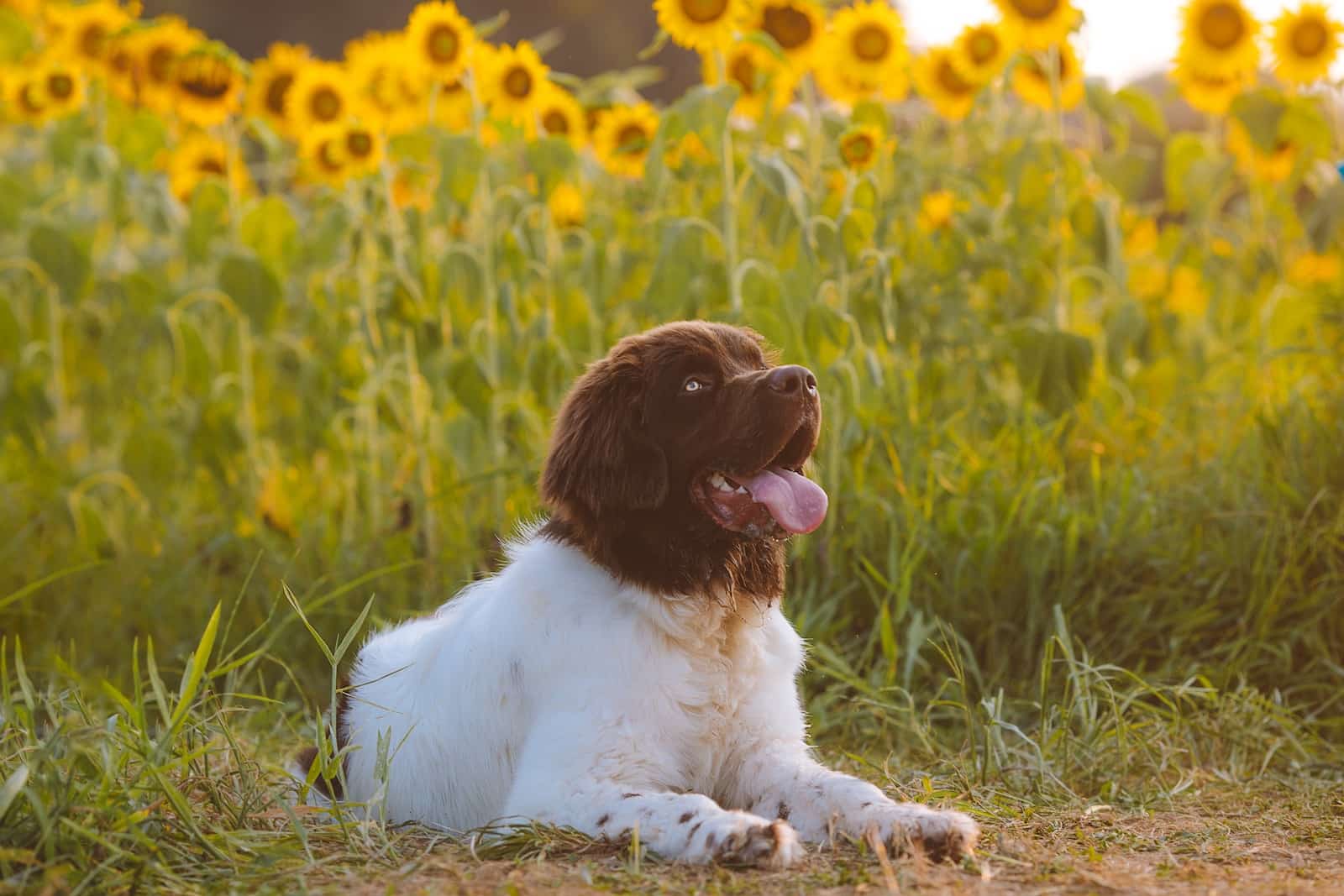
Despite their intimidating size, the Newfoundland Dog is a mild-mannered gentleman with an intelligent, loyal nature. Stoic and loyal, Newfies are happiest at your side. Sweetness is an intrinsic trait of the breed. They don’t have a contrary bone in their bodies and are known as very easy to train from a young age with a well-natured intelligence. Placid like the water they traversed, Newfies are considered stellar therapy dogs.
While loyal, Newfoundland Dogs are so gregariously charming that they can politely greet and even make fast friends with strangers. That said, they’re smart enough to know when strangers are ill-intentioned, and they make excellent watch and guard dogs for families at home. With a deep, imposing bark, the Newfie is sure to scare off intruders while you slumber and will happily drool all over you for a walk in the morning.
Are These Dogs Good for Families? 👪
Yes, Newfies are ideal family dogs because of their patient and even-tempered personalities. In fact, they’re so famously tolerant with kids that they’re known as a “nanny dog” and immortalized in this role with the depiction of Nana in Peter Pan! They have a deep, imposing bark that makes them perfect guardians. Still, they need supervision because they’re so large and can accidentally knock small kids over.
Does This Breed Get Along With Other Pets? 🐶 😽
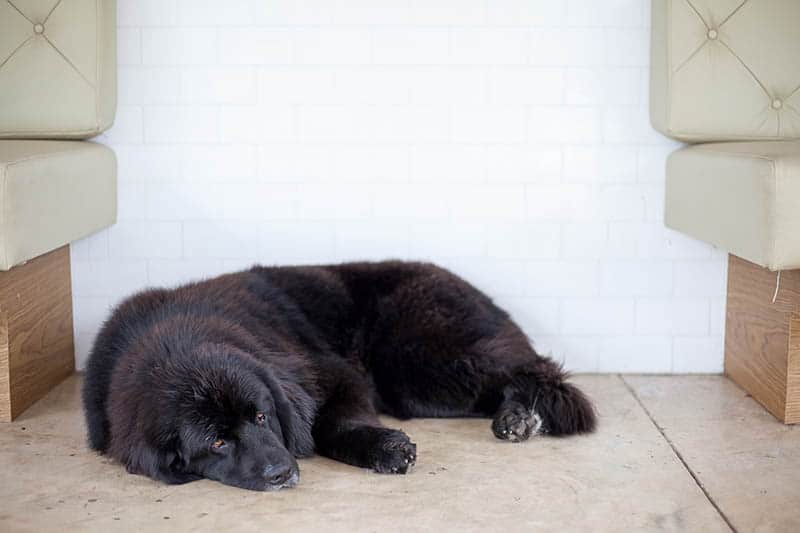
Yes, Newfies are great “bigger siblings” for other dogs and often even cats, but it depends on their individual temperament. Adolescent males can be pushy and dominating toward smaller animals, but they mellow out over time. We must stress that early socialization is key here to temper hormonal impulses like territorialism and aggression.
If possible, it’s best to raise your Newfie from a young age around other animals with heavy supervision until they learn how to behave.

Things to Know When Owning a Newfoundland Dog
Food & Diet Requirements 🦴
As you can imagine from their size, Newfoundland Dogs require a lot of high-quality dog food. As puppies, they do best with high-protein puppy food with 25% to 32% protein and a healthy balance of carbs, veggies, and nutrients like minerals and vitamins. Once they reach their full size at about 2 years old, you can switch to a more moderate maintenance diet with 20% to 24% protein.
There are a lot of foods you can supplement with to give your Newfie a more varied diet. Popular protein sources include lamb, chicken, turkey, duck, eggs, beef, and fish, so you have options! The best veggies to feed are loaded with vitamins and healthy dietary fiber, so think green beans, carrots, broccoli, and sweet potatoes.
Meats and veggies can be added right to your dog’s bowl with slightly reduced kibble portions or fed as treats to mix things up and incentivize training. However, if you do this, you need to ensure they are eating the appropriate amount of calories and getting a complete and balanced diet, so it may be best to talk to your vet about this first.
Exercise 🐕
Newfoundlands are an active breed that easily falls into a sedentary couch-potato lifestyle without a good exercise routine. Overeating and indolence can quickly lead to obesity, so be careful! They excel at water sports and have a natural love for the water that makes them perfect for swimmers and frequent pool-goers. However, swimming and some rousing rope tugging can fit the bill for their bulky bodies too.
Training 🎾
Trainable and eager to please, Newfies are a great pick for newcomers to dog training. They have a strong work ethic and can quickly learn commands with the right reward—usually treats and a healthy shower of praise. This is most helpful during early leash training, which is essential to prevent leash tugging when they’re full-sized.
They take to obedience training and water sports well, too! You can start training at a young age by teaching your dog their name and then giving them both treats and praise for responding. This same tactic extends to more advanced commands like sit, stay, and come, as well. Those commands, in particular, are invaluable for safety, such as if your house catches fire and you need your dog to immediately follow you.
We recommend introducing your Newfie to water while young too—they love it! They even have webbed feet that help them maneuver and stay aloft in the water where other big dogs might struggle. Kid-sized swimming pools are the perfect way to introduce your Newfie to water, but make sure to have a lifejacket and water shoes handy when trying deeper bodies of water.
Grooming ✂️
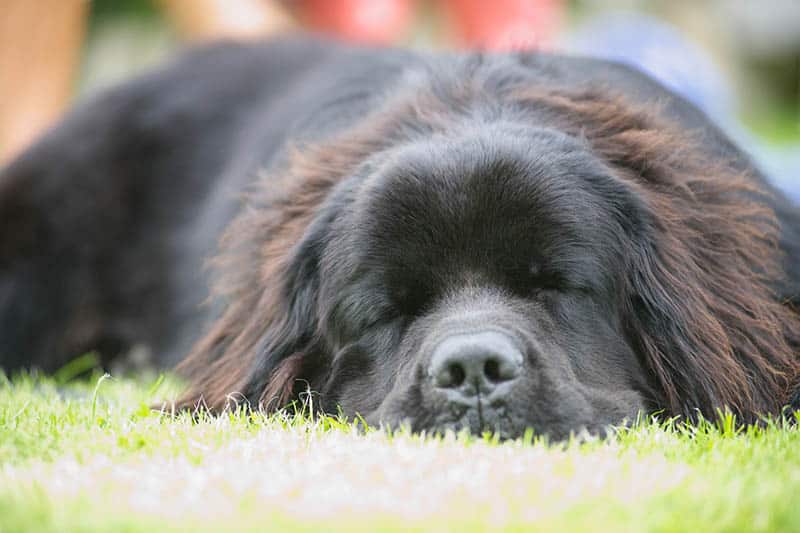
Newfies boast a thick, water-resistant double coat that sheds moderately throughout the year, especially during the spring and fall shedding seasons. This means you’ll spend a lot of time with a sturdy double-sided grooming brush. Pick a brush with sturdy metal pins to tackle thick mats and tangles, while the soft side is mostly for restoring fur shine by redistributing oils. Pay special attention to the fur behind their ears, which gets matted often.
As far as dog hair, we recommend having a good vacuum with attachments—telescoping wands and crevice tools are king for dog parents. If anyone in the home is allergic to dog hair, we strongly recommend a vacuum with a HEPA-rated filter to catch the most allergens.
Health and Conditions 🏥
Newfoundlands are big and strong dogs, but like all big dogs, they suffer from a relatively modest lifespan at an average of 8 to 10 years. Newfies are sadly also more prone to certain health and genetic conditions than other large breeds, making early health screenings imperative.
- Dysplasia: A nasty arthritic joint condition commonly afflicting larger dogs, usually in the hip and elbow joints.
- Newfie neck: Umbrella term for slipped discs, pinched nerves arthritis, and injuries to the neck that is uniquely common in Newfies due to collar strain and overly strenuous exercise.
- Gastric Dilatation-Volvulus: A form of life-threatening bloat that is more common in deep-chested breeds, like Newfies, where the stomach fills with gas/food and twists. This requires immediate medical intervention.
- Osteosarcoma: Typically heralded by signs like limping, this aggressive bone cancer is most common in large breeds, such as the Newfoundland.
- Heart problems: Heart conditions and especially dilated cardiomyopathy (DCM) are common among Newfies. It is treatable but frequently leads to congestive heart failure later in life.
- Eye problems: Eyelid problems like entropion and ectropion are fairly common among Newfies, but more severe conditions like glaucoma are known to plague them too.
Male vs. Female
Male Newfoundlands are larger and grow up to a mammoth 150 pounds versus the female’s daintier 130 pounds. Male Newfoundlands are known to be more active, playful, and even clownish. Notably, males are more likely to exhibit stubborn streaks or bursts of aggression.
By contrast, females are more likely to be clingy, docile, and sweet. Females are also thought to mature faster than males, who experience a seemingly extended goofy adolescence.
3 Little-Known Facts About the Newfoundland Dog
1. Newfoundlands Are Famous as Water Rescue Dogs
Newfies were bred from a mix of Retrievers, Spaniels, Mastiffs, and other working breeds in Canada to create a more rugged working breed. Their most prominent job was to rescue people who fell in the water, and most famously, a Newfoundland was said to have saved Napoleon Bonaparte’s life at one point.
2. Black and White Newfies Are Sometimes Called Landseers
Certain patterns of black and white Newfoundlands painted by famous artist Edwin Landseer are still known as a distinct breed of Newfie today. Their personalities are about the same, but subtle markings, like black ticking on the Landseer’s legs, distinguish the two.
3. Lewis & Clark Cherished Their Newfoundland Dog
Iconic explorers Lewis and Clark blazed a trail through North America from the Mississippi to the Pacific with their beloved Newfoundland Dog Seaman. He was the only animal of hundreds to make the whole trip and back home!

Final Thoughts
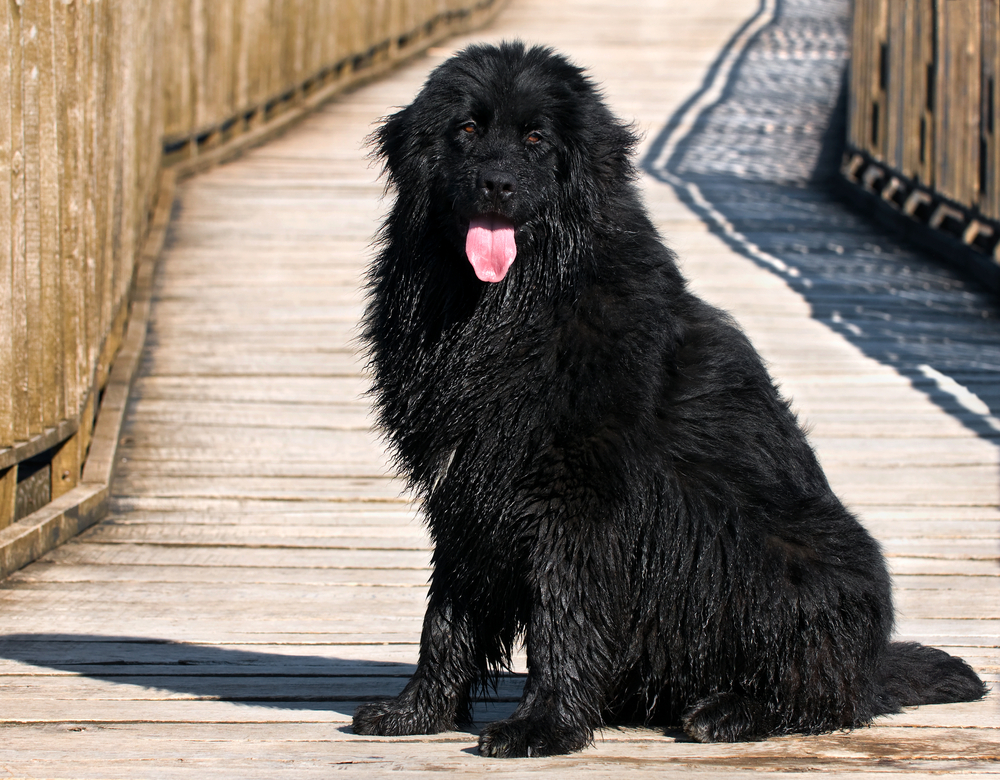
Newfoundland Dogs are a sweet, benevolent giant that does well with children and radiates a calm energy. They’re a perfect fit for any household, with or without pets, that can give them the nutrition and early leash training they need to grow into a well-behaved fuzzy guardian.
Featured Image Credit: Madeeva_11, Shutterstock