Can Dogs Use Human Toothpaste? Vet-Verified Info & Facts


In this article
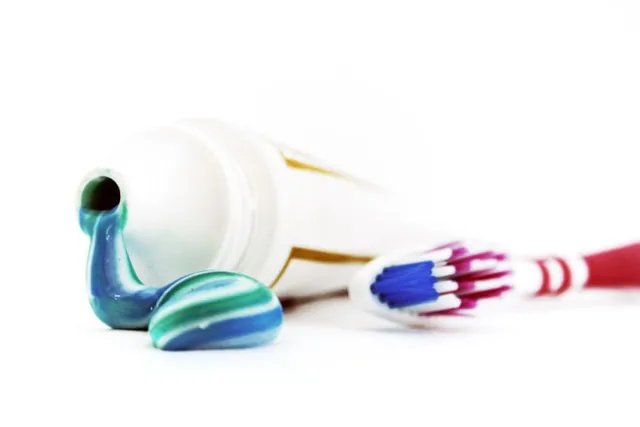
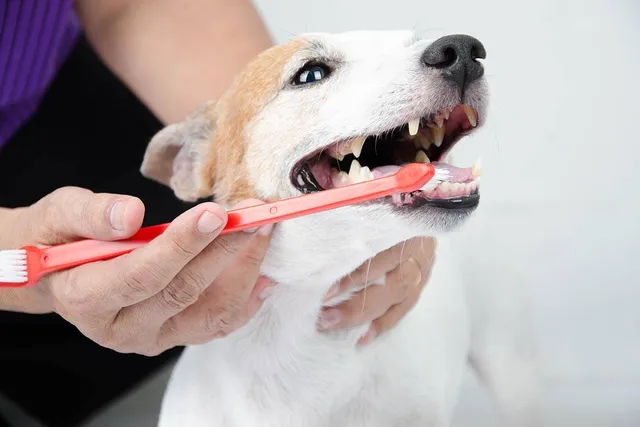
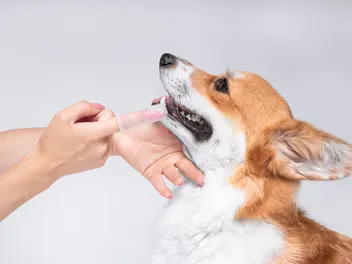
Dog owners know that if there’s one step of the grooming process where you can’t slack off, it’s dental care. Preventing periodontal disease takes dedicated brushing several times a week with a quality toothbrush and pet-friendly toothpaste. While you may want to try your preferred brand when your dog’s tube runs out, you should never use human toothpaste for your pets.
With different biology and tooth brushing habits than their human owners, dogs also need unique toothpaste to keep their mouths fresh and healthy. We’ll discuss why dogs can’t use human toothpaste so you can plan a safer dental routine for your pup.

Can Dogs Use Human Toothpaste?
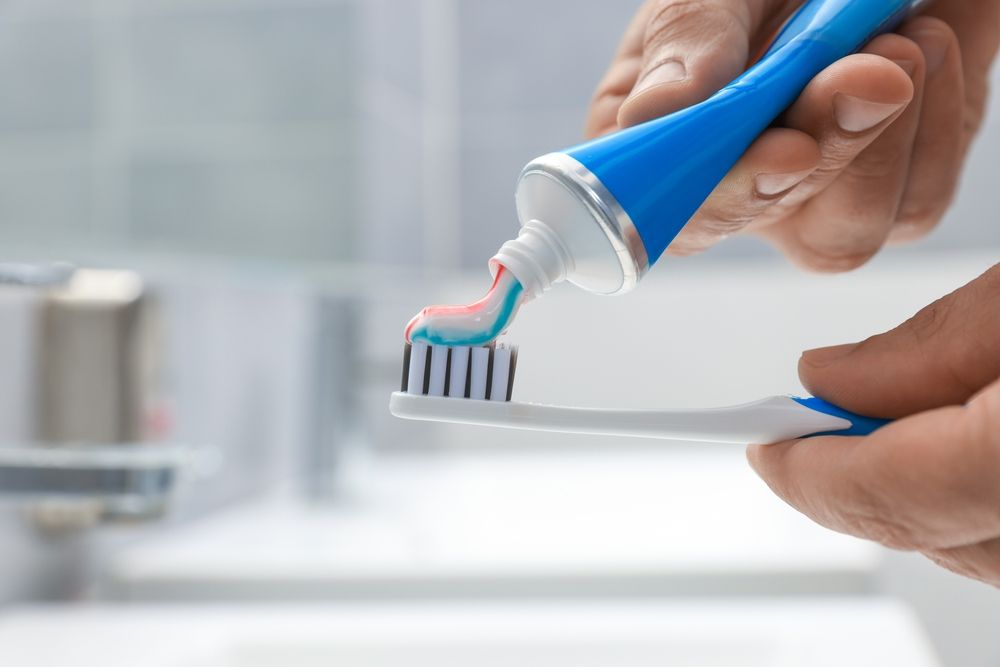
Dogs can’t use human toothpaste due to the toxicity of various ingredients, including fluoride and xylitol. Since dogs don’t know how to spit, they can swallow a significant amount of toothpaste.
In excessive amounts, this can cause several health issues ranging from lethargy and an upset stomach to seizures and even death.

Fluoride
Fluoride is the active ingredient in most human toothpastes because of its potent anti-caries properties. It is the negative ion of fluorine, an abundant element that has received considerable attention in recent years due to its potential effects on mammals as more of it enters the environment through natural and anthropogenic causes, including our toothpaste use.
Dogs, like most mammals, readily absorb fluorine. If a toxic amount is ingested your dog may experience toxic effects and even die. With low-dose exposure over time, some fluoride binds calcium and ends up in the skeletal system, primarily in the ribs and other areas of spongy bone. Since fluorine in bones is cumulative, older dogs tend to have more in their bodies than young dogs, however growing bones deposit the fluoride at a higher rate. This means exposure at a young age is more critical than in adulthood.
Over time, this fluoride accumulation can lead to skeletal problems. Dogs can experience bony growths, sclerosis of bones, and lameness. Signs of chronic fluoride exposure include:
- Mottling in the enamel of developing dog teeth (dental fluorosis)
- Lameness and stiffness due to abnormal bone growth and tissue hardening
- Lethargy
- Decreased appetite
- Weight loss and muscular wasting
If your dog is showing signs of chronic fluoride exposure, we suggest you speak to a vet.
Fluoride Poisoning
While small amounts of fluoride can increase damage over time, large amounts of fluoride can have immediate toxic effects on a dog. If your dog eats a large amount of toothpaste, the influx of fluoride can quickly inflame the stomach and intestines.
Pets may experience GI upset, drooling, vomiting, and diarrhea. Blood calcium levels can plummet to spur a weakened, rapid, or irregular heartbeat, and your dog may show signs of nervous system effects.
How Much Fluoride Is Toxic to Dogs?
The toxic effects of sodium fluoride, a common active ingredient in human toothpaste, may occur at less than 1 mg/kg of body weight. At 5-10 mg/kg, they can become fatal. For a 50-pound dog, that would put the potentially lethal amount around 113–227 mg.
A small tube of toothpaste may not be immediately toxic to a dog of this size. For instance, a 24-gram travel-sized tube of Crest containing 0.243% sodium fluoride, or 0.16% fluoride, would only contain about 38 mg, enough to make a large dog feel ill but unlikely to cause severe harm.
If they ingested an entire 158-gram (5.6 oz.) tube, however, that would subject the dog to over 250 mg, a potentially fatal amount. Smaller dogs have an even lower threshold for fluoride toxicity, and excessive amounts can still cause considerable discomfort if they aren’t fatal.
Fluoride absorbs into the system in roughly 90 minutes, presenting signs within 2 hours of ingestion. Without prompt treatment, dogs can collapse and succumb within only a few hours.

Xylitol
You may think you’re out of the woods if your dog gets their mouth on a more kid-friendly fluoride-free toothpaste, but even those can contain hazardous ingredients. Many owners know the dangers of xylitol, an artificial sweetener we use in numerous food products.
Given its anti-cavity properties, manufacturers often use it as a top ingredient in flavorful products.
Xylitol Poisoning
When they ingest xylitol, dogs can experience sudden hypoglycemia from a massive surge of insulin. Higher doses can also cause acute liver failure with or without signs of hypoglycemia. Signs of xylitol poisoning include:
- Lethargy and weakness
- Poor coordination
- Vomiting and diarrhea
- Lack of appetite
- Collapse
- Tremors and seizures
Xylitol poisoning can kill a dog in sufficient amounts. Dogs that ingest over 75 mg/kg are generally at risk of sudden blood glucose drops, with liver failure becoming a major concern when they have over 500 mg/kg.
Hypoglycemia can occur within only 30–60 minutes after ingestion, making it crucial to contact a vet immediately if your dog ingests xylitol toothpaste by mistake.


Frequently Asked Questions (FAQ)
What Should I Do If My Dog Ingests Human Toothpaste?
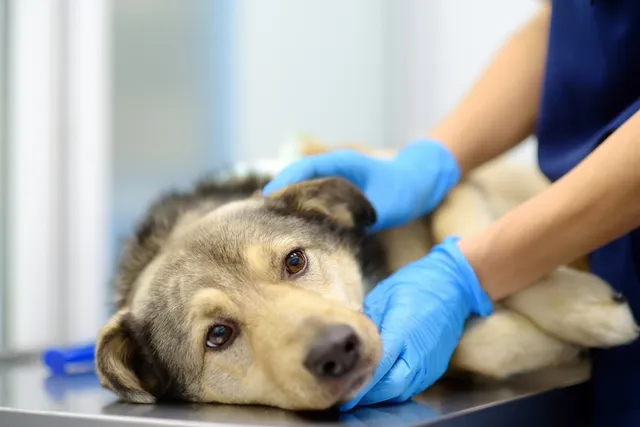
Since fluoride and other toxic compounds tend to absorb quickly, you must contact a vet immediately if you suspect your dog ate human toothpaste. They can offer information about the risk to your dog based on what they have ingested and your dog’s weight. If needed, they can recommend treatments to reduce your dog’s exposure, monitor them, and aid their recovery.
You can also call Animal Poison Control or Pet Poison Hotline for a phone consultation and advice.
What’s in Dog Toothpaste?
When choosing a toothpaste for your dog, select one approved by the Veterinary Oral Health Council (VOHC), as these are proven to help reduce plaque and tartar. Some products to look at are:
- Petsmile Professional Pet Toothpaste comes in different flavors and the chicken flavor contains Calprox. Deionized Water, Glycerin, Citric Acid, Dicalcium Phosphate Dihydrate, Cellulose Gum, Urea Peroxide, and Carbopol 934P.
- Pettura Oral Care Gel is a brushing-free option for dogs that don’t like the sensation. You apply the gel to your dog's gum line with your finger, ideally twice a day. It contains Caprylic Acid, Whey Protein Isolate, Purified Water, Glycerol, Carbopol, 974p NF, Potassium Sorbate, Lecithin, Sodium Benzoate, Sodium Saccharin, Apple Flavor, Poloxamer, and Capric Caprylic Triglyceride.
- HealthyMouth® Topical Gel for Dogs is designed to be applied to the teeth after brushing. It contains Sodium Bicarbonate, Sorbitol, Organic Glycerin, Water, Potassium Sorbate, Tetrasodium, Pyrophosphate, Organic Pomegranate, Natural Xanthan Gum, Organic Yucca Extract, Zinc Gluconate, Organic Blueberry, Organic Papain (Papaya Extract), Riboflavin (Vitamin B2), Ascorbic Acid (Vitamin C), Organic Clove Extract, Organic Cinnamon Extract, Chlorophyll, and Sorbic Acid (natural preservative derived from mountain berries).
There are also various water additives, chews, and diets that can help keep your dog’s pearly whites healthy.
Final Thoughts
We can all appreciate our dogs having a fresher mouth and better-smelling breath, but making that happen should never risk their health. If all you have is human toothpaste, you’re better off brushing their teeth without any toothpaste and restocking a pet-friendly brand as soon as possible.
By sticking with tried-and-true dog toothpaste, chews, and dental additives for food and water, you can make this grooming routine as fun, safe, and efficient as possible.
Featured Image Credit: JumpStory
Expert dog care, straight to your inbox
News, insights, expert advice, and everything dog.

No spam — unsubscribe anytime.
By signing up, you agree to our Terms & Conditions and Privacy & Cookies Policy.
How useful was this post?
Click a star to rate. You can leave written feedback afterwards. (We read all feedback.)
Nicole has loved animals of all sizes her whole life so it's no wonder she has dedicated her career to helping them through what she loves best: learning, writing, and sharing knowledge with others. She’s the proud mom of two dogs, a cat, and a human. With a degree in Education and 15+ years of writing experience, Nicole wants to help pet parents and pets around the planet to live happy, safe, and healthy lives.