Get

In Your Inbox

Dogster is reader-supported. When you buy via links on our site, we may earn an affiliate commission at no cost to you. Learn more.

Can Dogs Recover From Poisoning? Vet-Verified Signs & Treatments

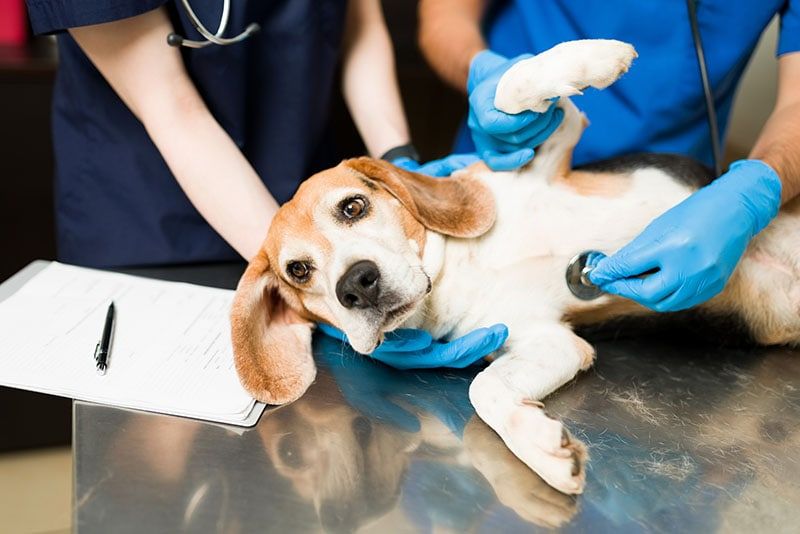
Cute and beautiful beagle dog lying on the exam table at the veterinarian. Two vets examining a sick and scared pet with a stethoscope

Finding out that your pet has been poisoned is one of the most frightening things to happen to a pet owner. Luckily, dogs promptly treated by a veterinary professional tend to recover from cases of poisoning. While death will be unavoidable in some cases of poisoning, many cases can be treated by medical professionals. But time is of the essence. Contact your veterinarian immediately if you suspect your dog has ingested something poisonous. Delaying treatment could be a life-or-death situation for your dog.

divider dog paws 2 oct 2024

What Are the Signs of Poisoning in Dogs?

The signs of toxicity vary based on what toxin was ingested. However, there is a cluster of signs that are more often associated with poisoning in dogs.

  • Vomiting
  • Diarrhea
  • Drooling
  • Seizures
  • Neurological disturbances
  • Loss of blood via bruising, bloody stools, nosebleeds, or anemia
  • Irregular heartbeat
  • Pale gums
  • Difficulty urinating
  • Balance issues
  • Skin rashes
  • Swollen tongue
  • Muscle rigidity
  • Tremors

If your dog displays any of these signs, get them medical attention immediately. These signs are not specific to poisoning and other illnesses can cause them, but it is still important to get your dog seen by a vet.

If you need to speak with a vet but can't get to one, head over to PangoVet. It's an online service where you can talk to a vet online and get the personalized advice you need for your pet — all at an affordable price!

PangoVet_Mention-in-Content Savings V1

What Are the Treatments for Toxicity in Dogs?

The first step for any dog parent who believes their dog has been poisoned is to call their vet, out-of-hours clinic, or pet poison helpline. If necessary, your vet can help you administer first aid and direct you on your next steps to nursing your dog back to health. While you may consider inducing vomiting, it’s crucial that you only do so if a veterinarian recommends it.

Vomiting up a toxin can result in your dog’s health outcomes being negatively impacted in some cases. So, it’s crucial not to do so unless directed by a veterinarian.

If your veterinarian recommends that you induce vomiting they will advise you on what to do. It is more likely that they will recommend bringing your pet to them to induce vomiting.

You should also collect anything your dog vomits up (gross, we know, but do it!) and seal it in a plastic bag to bring to the vet. It may help to determine what your dog ate and treat the poisoning more effectively.

Have the following information prepared for your veterinarian to speed up diagnostics and treatment:
  • Breed
  • Sex
  • Age
  • Weight
  • Substance, your dog, ingested, if known
  • How your dog came in contact with the substance
  • How much of the substance your dog came in contact with
  • How long it’s been since your dog ingested the substance
  • Packaging of the substance where appropriate

For skin or eye contact, follow the instructions on the label for humans exposed to the product in a toxic way if your vet instructs you to do so. You may need to wash your dog’s skin or flush their eyes with a lot of water.

veterinarian examines a dog teeth
Image By: Yavdat, Shutterstock

What to Do After Your Dog Has Been Treated

Once your dog has been treated by a veterinary professional, they enter the long road to recovery. How long it takes your dog to recover from poisoning will be determined by what poison they came in contact with.

Skin rashes, bites, or stings can generally be cared for using topical treatments and veterinarian-approved medications such as antihistamines. However, ingested poison is harder to recover from as the poisoning may affect the liver and the kidneys.

Your vet will be best placed to give you a prognosis for your pet’s poisoning and expected recovery times. Your dog may need regular follow-up appointments during this time.

divider dog paws 2 oct 2024

Final Thoughts

Poisoning is one of most pet parents’ nightmares but is thankfully not too common. Luckily, veterinary attention can often restore your pets’ health. Once again, you must contact your veterinarian as soon as you realize your dog has ingested something they weren’t supposed to. Doing so will give your dog the best chance of a speedy recovery!

Related Reads:


Featured Image Credit: Beach Creatives, Shutterstock

Want content like this delivered to you?

Sign Up For Our Newsletter

News, insights, expert advice, and everything dog

* By submitting, you agree to our Terms & Conditions and Privacy & Cookies Policy.

How useful was this post?

Click on a star to rate (you can leave written feedback after clicking submit)

Help us improve Dogster for pet parents!

Your feedback really matters.

What did you like about this post? Also how can we improve it?

Join the conversation

Leave a Reply

You’re very welcome to leave a comment or question. Please know that all comments must meet our community guidelines, and your email address will NOT be published. Let’s have a positive and constructive conversation.

Talk With A Vet Online

Peace of mind,
anywhere, anytime

Affordable vet advice

Are Dobermans More Protective than Other Dogs? Facts & FAQ

Dobermans were bred to guard humans and property, and they will protect their owners with whatever force is necessary. While owning a Doberman...

International Chihuahua Appreciation Day 2025: When & How It’s Celebrated

Chihuahuas are the tiniest dog breed on the planet, and on International Chihuahua Appreciation Day, the world celebrates them. Chihuahuas have been celebrated...

How to Choose a Puppy From a Litter (3 Vet-Approved Tips)

Choosing the correct puppy from a litter can seem like a huge decision. After all, what happens if you don’t choose the right...

4 Airedale Terrier Grooming & Haircut Styles (With Info & Pictures)

Airedale terriers have a distinctive coat that requires some amount of grooming. Unlike other dogs, they do not need regular trimmings. However, their...

More related

Are Korean Malteses Different Than Regular Ones? Facts & FAQ

The Maltese dog breed is known for their elegant appearance and charming personality. However, you may have heard the term “Korean Maltese” and...

12 UK Dognapping & Dog Theft Statistics to Know in 2025

Note: This article’s statistics come from third-party sources and do not represent the opinions of this website. Dogs are the most popular type...

Prebiotics for Dogs: Our Vet Explains Uses & Potential Side Effects

All of us want a healthy digestive tract, both for ourselves and our dogs. Nowadays, what we consume and what our dogs consume...

How to Teach Your Dog Recall: A Vet-Approved Training Guide

A reliable recall is among the most crucial skills a dog can learn and one of the most liberating commands their owner can...

Keep reading

How Often Should Puppies Eat? Vet-Approved Guide & Scheduling

Raising puppies is not for the faint of heart. It’s a tough gig, not unlike raising a newborn baby, but it is extremely gratifying, rewarding, and a whole lot of fun. One of the most important parts of successfully caring...

puppies eating from bowls together

10 Best Dog Foods for Rat Terriers in 2025 – Reviews & Top Picks

Rat Terriers are adorable, medium-sized dogs that can bring light to your world. They are compact little dogs coming in at around 13 inches tall that love to play, be loved, and are tough as nails. Like with any dog...

Rat Terrier Smiling

Evolve Dog Food Review 2025: Recalls, Pros & Cons

Review Summary If you’re looking at different food brands, and trying to decide what would work best with your pooch—let us introduce you to Evolve. It can work very well for the right canine, and we want to explain what...

Dogster_Evolve Dog Food Review

What Is DHA in Dog Food? Vet-Reviewed Benefits, Drawbacks & FAQ

DHA is an omega-3 fatty acid that is found in fish oil. It is a popular ingredient in dog food because it is thought to have many health benefits. These include reducing inflammation, improving heart health, and aiding in cognitive...

dog eating dog food

American Journey vs Taste of the Wild Dog Food: Our 2025 In-Depth Comparison

Choosing the right dog food is a hard decision for a pet owner. You want to provide your pup with the best food possible and hope that whatever brand you choose doesn’t do too much damage to your budget. But...

Dogster_Dog Food American Journey VS Taste of the Wild

Is Food Coloring Safe for Dogs? Health Facts & FAQ

Food coloring, or color additive, is any dye, pigment, or substance that imparts color when it is added to food or drink. Food coloring has always played a role in the food industry for multiple reasons. It makes processed food...

Dogster_Is Food Coloring Safe for Dogs

Can Dogs Eat Spinach? Vet-Reviewed Facts & FAQ

If your dog already eats nutritionally balanced dog food, they should get all the necessary vitamins and minerals. However, if you want your dog to get an additional boost by eating vegetables, you might wonder if it’s okay to feed...

Can Dogs Eat Spinach

Can Dogs Eat Flour? Vet-Verified Health & Nutrition Info

Flour is one of the most common ingredients in kitchens and pantries, especially for those who love baking. If you love to bake and tend to make a mess when you do, you might wonder if it’s safe for your...

Can Dogs Eat_flour