Can All Dogs Swim? Canine Water Vet-Verified Safety Facts & FAQ


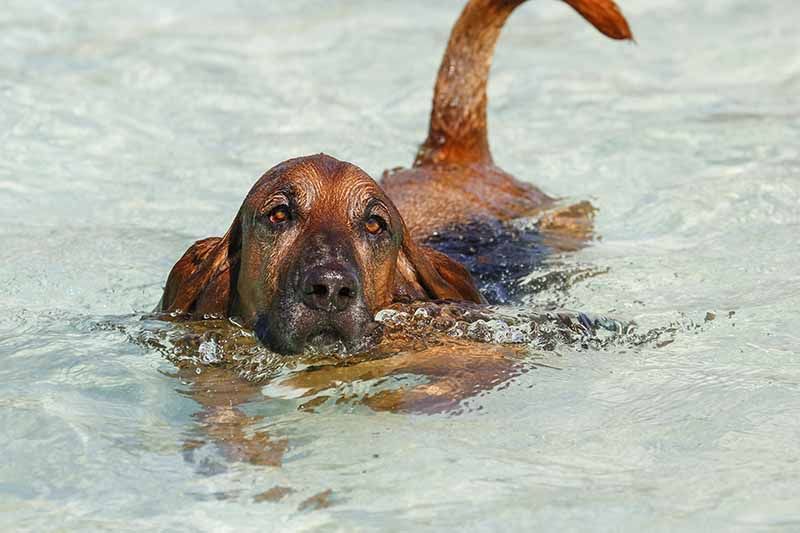
Many new dog owners eagerly anticipate the warm weather and plan outdoor activities with their canine companions. Among the exciting adventures that come to mind is the prospect of swimming together in lakes, rivers, or even the ocean.
But can all dogs swim? Unfortunately, not all dogs are comfortable in the water.
Understanding the factors influencing a dog's swimming capability and recognizing the breeds that may struggle in the water is essential for their safety and well-being.
This article will explore dogs' ability to swim, factors that influence their aptitude for swimming, and provide insights on how to teach your dog how to swim and keep them safe.

The 9 Possible Reasons Why All Dogs Can't Swim
A dog's aptitude for swimming relies on factors they usually cannot control. These factors are also the reason why certain breeds excel in the water while others may require additional support or alternative activities. Some of these include.
1. Breed-Specific Limitations
A dog’s breed is one of the most important determinants for activities such as swimming, hunting, guarding, or herding. Some breeds may have inherent physical characteristics that present challenges.
For example, some dogs can have trouble swimming owing to their short legs, heavy body mass, or a brachycephalic (short-nosed) structure. These breed-related issues can affect buoyancy, breathing, or movement in the water.

2. Body Structure and Proportions
A dog's body structure will determine whether they can swim confidently or not. For example, dogs with a streamlined body shape, balanced proportions, and strong musculature are generally good swimmers. This is because these features allow for efficient movement through the water.
3. Coat Type and Water Resistance
A dog’s coat can affect their buoyancy and swimming prowess. Some breeds have water-resistant coats that help repel water and keep them afloat. Others, like Retrievers and Newfoundlands, have double coats with an outer layer that acts as a barrier against water, making swimming easier.

4. Tail and Limb Features
A dog's tail and limb structure will also determine whether they can swim well or not.
The tail serves as a rudder and stabilizer, helping with balance and direction in the water, alongside adequate body composition. Breeds with longer, muscular tails, such as Labrador Retrievers, swim more easily. Also, limb structure, joint flexibility, and muscular development contribute to a dog's ability to propel themselves through the water efficiently.
5. Natural Instincts
A dog’s instincts could determine whether they can swim or not.
Usually, these instincts stem from factors such as their ancestor’s attitude towards water, passed through generations by breeding for certain traits. Breeds such as Retrievers, Water Spaniels, or Newfoundlands have ties to water-loving ancestors. Therefore, they have natural swimming instincts and an affinity for water.
Other dogs might have inherent instincts that make them more inclined to swim. This can include a natural curiosity for water, a desire to retrieve objects from the water, or a strong drive to follow scents that lead to water sources.

6. Early Exposure and Training
How soon you expose your dog to water determines how well they swim. Early exposure to water during a dog's critical socialization period (typically between 3 to 14 weeks old) plays a vital role in shaping their comfort and confidence in aquatic environments.
Start with shallow wading, controlled environments, and then include positive reinforcement techniques to build their confidence and trust.
You can also teach dogs the basic skills necessary for swimming. This includes introducing them to water entry and exit, developing their buoyancy, and teaching effective paddling techniques.
If you need guidance on keeping your dog safe while learning how to swim, we suggest you speak to a vet.
7. Fear of Water
It is also possible that some dogs are terrible swimmers because they fear water. This fear or aversion to water can originate from traumatic experiences, lack of exposure during critical periods, or individual temperament.
Luckily, it’s possible to help a dog that’s afraid of being in water through techniques such as desensitization and counterconditioning. The techniques involve gradually exposing the dog to water in a positive and controlled manner while providing rewards and reassurance.

8. Physical Limitations
A dog could also fail to thrive in water due to health conditions such as orthopedic problems, respiratory conditions, neurological disorders, or injuries. These will affect a dog's mobility and coordination in water and pose risks.
9. Individual Variations
There are also occasions when dogs that belong to breeds that swim well can’t swim. This should not be surprising because each dog is unique, and even within a breed, there can be variations in swimming abilities. These variations usually occur due to the dog's size, weight distribution, muscle tone, previous experiences, or overall fitness level.


What Breed of Dog Can't Swim Well?
Some dogs can’t swim due to characteristics present in their breed. These limitations are not absolute and can vary among individual dogs. Here are some breeds that may face challenges in the water.
Brachycephalic Breeds
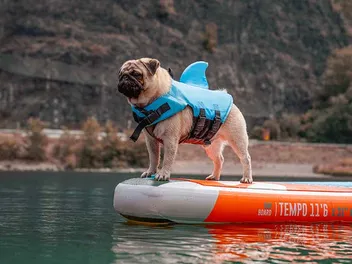
Brachycephalic breeds have short noses and flat faces. This structure makes breathing harder for the breed and may affect their swimming ability. Breeds like Bulldogs, Pugs, and Boston Terriers have compromised narrow airways, making it harder to regulate their breathing while swimming.

Toy and Small Breeds
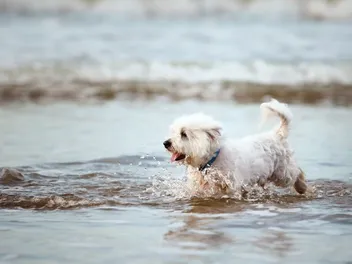
Dogs in the toy and small breed categories, such as Chihuahuas, Yorkshire Terriers, and Maltese, may find swimming challenging due to their smaller body size and shorter legs. Their compact body structure and limited leg length can affect their buoyancy and propulsion in the water.
Heavy-Bodied Breeds
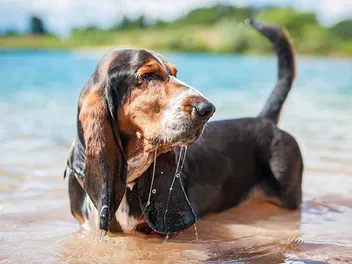
Breeds with heavier bodies, such as Bulldogs, Basset Hounds, and Mastiffs, may struggle with buoyancy and tire more easily in the water due to their weight. The extra weight can make swimming more physically demanding for them.
Dogs With Short Legs
Breeds with short legs, like Dachshunds and Corgis, may face difficulties due to their shorter limb length. While they can still paddle and move in water, their shorter legs make it harder to maintain a streamlined body position and efficient propulsion.

Dogs With Dense or Non-Water-Repellent Coats
Some breeds have dense, non-water-repellent coats that can make swimming more challenging. These coats absorb water, weighing the dog down and reducing their buoyancy. Canines like Shih Tzus have dense, curly coats and are some of the victims here.

How to Teach Your Dog to Swim
Not every dog is born to swim effortlessly; some might require coaching and practice to become at ease and confident in the water. Helping your dog learn how to swim can be a delightful and fulfilling activity for both of you. However, follow your dog’s clues and be patient. If your dog is not enjoying swimming, find another activity that suits them better and keeps them happy.
The following are some tips on teaching dogs how to swim safely.
Choose the Right Environment
You must provide the right environment for your dog to learn how to swim. Start in a calm and shallow body of water, such as a pool with a gradual entry or a calm lake or pond.
Don’t start with areas with strong currents or rough waves, as this might scare your dog or, even worse, lead to drowning. Also, make sure that the water temperature is comfortable for your dog.

Use Positive Reinforcement
Positive reinforcement through praise, treats, or their favorite toys during water-related activities will create a positive association with water. Allow your dog to explore independently while providing reassurance and encouragement.
Support Your Dog
Support is one of the best things you can offer your dog while it is learning how to swim. Stand beside them in the water and provide physical support by placing one hand under their belly or chest. This will help them stay afloat. Most dogs will instinctively start paddling once they feel stable.
Use positive reinforcement such as praise, toys, or treats to build confidence and make the experience enjoyable. Gradually reduce your support as the dog becomes more comfortable, allowing them to paddle and float independently.
Keep initial sessions short and always watch for signs of fatigue, stress, or discomfort.
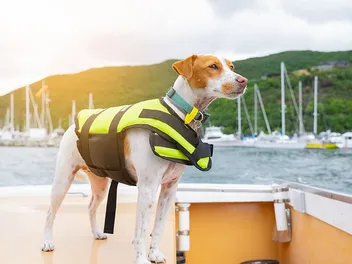
You should also use a buoyant aid, such as a doggie life jacket, to provide additional support and buoyancy as your dog learns to swim.

Water Exit Training
Teach your dog to safely get out of the water by guiding them towards a shallow area or a designated exit point. This helps them understand how to navigate getting out of the water independently.
Practice and Progression
Regular practice is one of the best ways to ensure your dog learns to swim.
Make swimming a regular activity for your dog by taking them out with you every time you go swimming. Make a point of gradually increasing the water depth as your dog gets more confident in the water.
You could also enroll in a professional dog swimming class or work with a certified dog swimming instructor. The instructor will offer more proper guidance and structured training for your dog.

How to Keep Your Dog Safe and Healthy
Keeping your dog healthy and safe as they learn to swim is crucial for their overall well-being and success. The following are some things to keep in mind.
Regular Veterinary Care
Schedule regular check-ups with your veterinarian to monitor your animal's health, receive vaccinations, and address any potential issues early on. Even good swimming dogs will have trouble navigating in water if unhealthy.

Provide a Balanced Diet and Hydration
Always give your dog a nutritionally balanced diet suitable for their age, size, and breed. Consult with your veterinarian to determine the appropriate type and amount of food. Don’t forget to ensure access to clean and fresh water throughout the day.
Offer Exercise and Mental Stimulation
Regular physical exercise helps to maintain a healthy weight and promotes overall health and happiness. This is important in keeping your dog safe in the water. Don’t forget to keep your dog mentally stimulated through interactive toys and puzzles.
Provide a Safe Living Environment
Create a safe living space for your dog by securing hazardous areas, keeping toxic substances out of reach, and providing a comfortable shelter from extreme weather conditions. Use pet-friendly household products, and be cautious with plants, foods, and medications that can be harmful to dogs.

Summary
Swimming is a natural and enjoyable activity for many dogs. However, not all dogs are adept at it.
Some dogs can’t swim well due to their body structure, coat type, and instincts. Others have difficulty swimming due to health issues, lack of proper training, and a fear of water. Regardless of whether a dog can swim, it’s important to prioritize their safety and well-being by creating a safe environment, providing proper supervision, and considering their needs and limitations.
If you decide to introduce your dog to swimming, taking the time to teach them the necessary skills and ensuring a positive and gradual approach is crucial. With the right strategy, you can create beautiful experiences for your dog, whether they are natural swimmers or not.
Related Reads:
Sources
Featured Image Credit: GoDog Photo, Shutterstock
Expert dog care, straight to your inbox
News, insights, expert advice, and everything dog.

No spam — unsubscribe anytime.
By signing up, you agree to our Terms & Conditions and Privacy & Cookies Policy.
How useful was this post?
Click a star to rate. You can leave written feedback afterwards. (We read all feedback.)
Nicole has loved animals of all sizes her whole life so it's no wonder she has dedicated her career to helping them through what she loves best: learning, writing, and sharing knowledge with others. She’s the proud mom of two dogs, a cat, and a human. With a degree in Education and 15+ years of writing experience, Nicole wants to help pet parents and pets around the planet to live happy, safe, and healthy lives.