Age-related hearing loss is one of the more common types of hearing loss in dogs. However, dogs can experience it at any life stage. They can be born with deafness or develop it later in life. There are also different kinds of hearing loss. Dogs can be deaf in one or both ears or have limited hearing, and some types of hearing loss are progressive.
Caring for a dog with hearing loss comes with its own set of challenges. Being well-informed about their special needs can help make caring for them much easier and less confusing. Therefore, it’s recommended to schedule an appointment with your veterinarian if you suspect hearing loss in your dog. Here are some things you can expect and how you can take care of dogs with hearing loss.

What Is Hearing Loss in Dogs?
While it’s more common for senior dogs to start experiencing hearing loss, deafness can occur at any stage of a dog’s life. Puppies can be born with deafness, and hearing loss in adult dogs can occur for a variety of reasons. Dogs can experience varying degrees of deafness as well. Some dogs may be partially deaf, while others have complete hearing loss. Dogs with bilateral hearing loss have their hearing affected in both ears, while unilateral hearing loss refers to deafness in one ear.
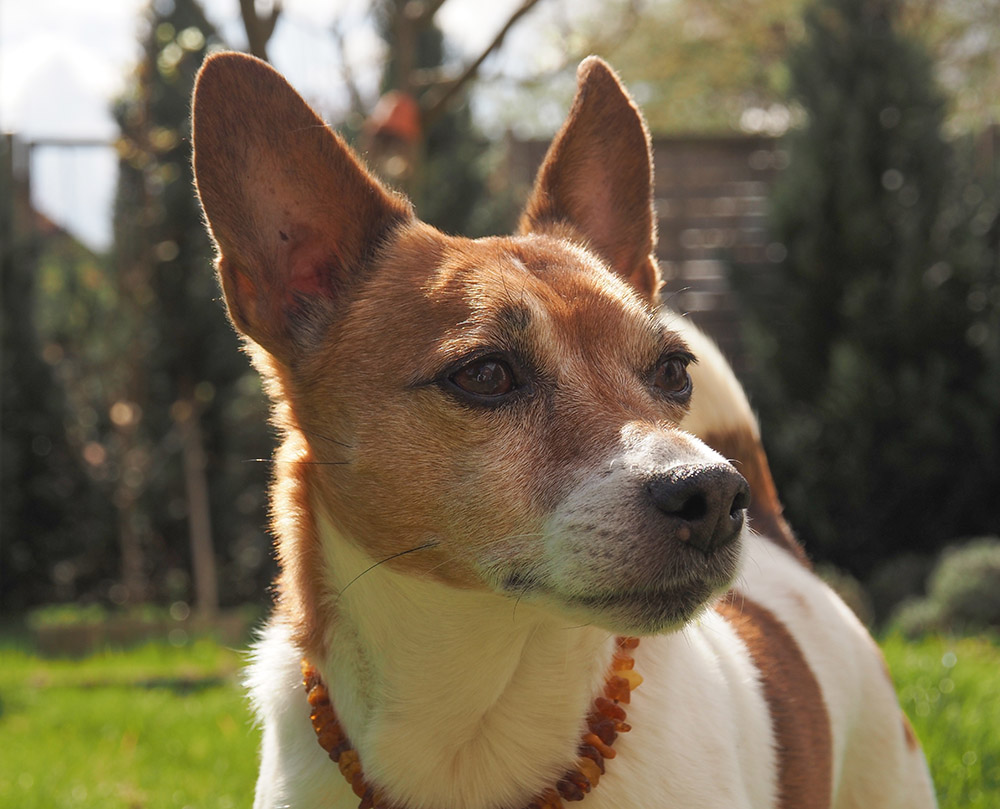
Most cases of deafness are associated with genetics and are, therefore, hereditary. Hereditary deafness is often associated with a white coat color and blue eyes. This makes certain breeds more susceptible to deafness than others. Purebred dogs that have a higher risk of hereditary hearing loss include Dalmatians, Catahoula Leopard Dogs, Bull Terriers, Australian Cattle Dogs, English Setters, English Cocker Spaniels, Boston Terriers, and Parson Russell Terriers.
What Are the Signs of Hearing Loss?
Since many different factors can contribute to hearing loss, you may notice a variety of signs from your dog. Puppies born with partial or complete deafness often seem like they’re having trouble with obedience training. They won’t respond when their name is called, and getting their attention is more difficult. They may also act more cautious or timid.
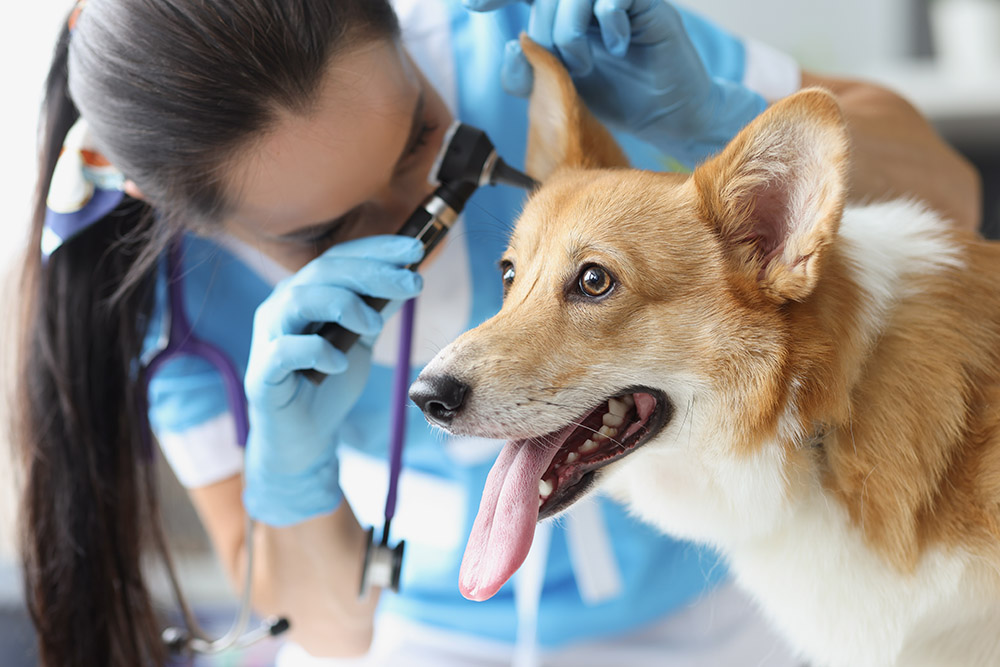
Hearing can also be affected by head and ear injuries and ear infections. So, it’s important to check their ears and head for signs of pain or ear infections. Dogs with ear infections can have red or inflamed ears. Infections can be extremely itchy and irritating, so you may notice an increase in them scratching their ears or shaking their head. They may also smell, so if you notice an unusual odor coming from their ears, it’s most likely due to an ear infection.
If you suspect your dog has hearing loss, you can test your theory by seeing if they respond to certain sounds. You can try squeaking a dog toy, whistling, or shaking a bag of treats. Just make sure to do these things away from your dog’s line of sight. If your dog’s ears don’t perk up or if they remain unfazed, they may be experiencing some hearing loss.
If your dog is showing any of these signs, we recommend speaking with a vet.
If you need to speak with a vet but can't get to one, head over to PangoVet. It's our online service where you can talk to a vet online and get the advice you need for your dog — all at an affordable price!
What Are the Causes of Hearing Loss?
Hearing loss can be caused by a variety of reasons. Dogs can experience hearing loss as they age and enter into older adulthood. Their eardrums can become less flexible, which affects how sound waves travel through the ears. They can also start to experience degenerative changes within the ears, which can further impair their hearing.
Some puppies can be born with hearing loss. This condition is often referred to as congenital deafness, and puppies can either have partial or full hearing loss. A genetic condition known as cochleosaccular deafness is affected by coat color patterns. Dogs with white coats and blue eyes are more susceptible to cochleosaccular deafness, along with dogs with piebald and merle coat types.
Other ways that dogs can develop hearing loss include traumatic injury to the head or ear, as severe impact and damage can negatively affect a dog’s ability to hear. Dogs may also develop hearing loss with significant cases of earwax buildup or chronic ear infections. If an ear infection gets too deep into the ear, it can reach the eardrum. This may lead to an inner ear infection and increases the risk of hearing loss. Some cases of severe ear infections may also require ear canal surgery, which can result in deafness.
How Do I Care for a Dog With Hearing Loss?
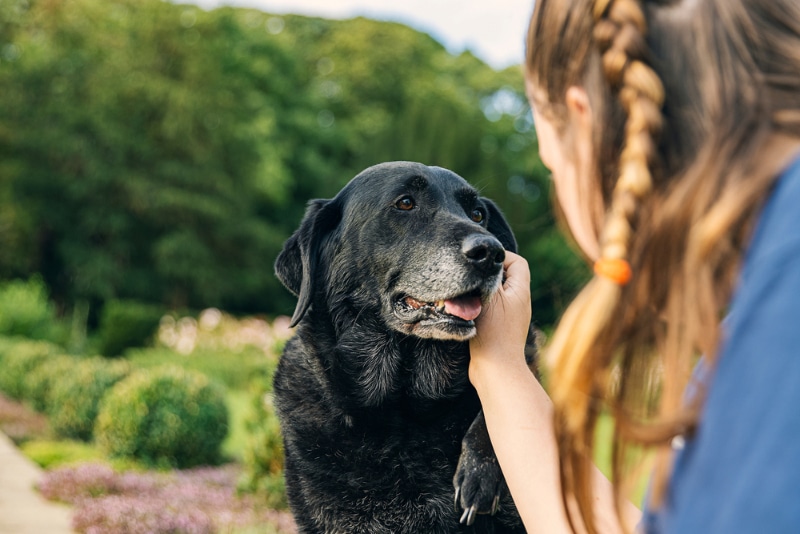
Dogs with disabilities can be stigmatized, but dogs with hearing loss can still live full and happy lives. Working with a dog trainer is often recommended to better understand how to communicate with your dog and build trust and a strong bond between the two of you. Dog trainers can help you understand canine behavior and communication, and they can provide helpful tips on obedience training and creating a safe home environment.
Deaf dogs will rely on their other senses to navigate and understand the world around them. They usually become very sensitive to feeling vibrations. To prevent yourself from startling them, make heavier footsteps when you start approaching your dog so that they can feel you walking closer to them. Try not to approach your dog from behind, as this can surprise them which can cause fear, potentially resulting in a bite.
When training a deaf dog, it’s important to establish good eye contact. Rather than using verbal cues, you’ll have to use motion cues to teach dogs new obedience commands. Make sure to be consistent with your motions and use plenty of treats or pets for positive rewards and reinforcement.
While not necessary, some dogs may learn faster if they wear a vibrating collar. Vibrating collars are different from shock collars as they only give a soft vibration to get a dog’s attention. Dogs can learn to respond to a vibrating collar through positive reinforcement and can be trained to look at you every time their collar vibrates. It’s usually recommended to consult a dog trainer before buying a vibrating collar because they can let you know if it’s necessary to purchase one for your dog.
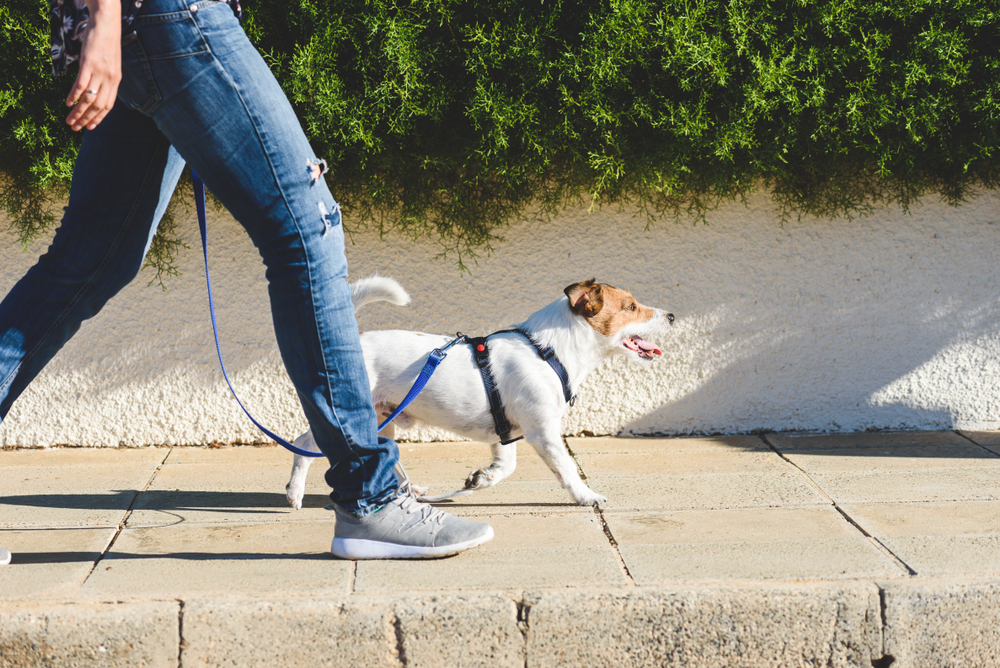
When you’re outside with your dog, always keep them leashed because they won’t be able to hear any vehicles driving nearby. If your dog gets startled easily, consider purchasing a vest or leash attachment that lets others know not to pet your dog.
It’s also important to stay on top of veterinarian appointments and annual physical exams. Your veterinarian can assess your dog’s hearing loss to see if it’s progressed. They can help you figure out how to provide the best medical care for your dog and let you know if any adjustments to current treatment plans and medications have to be made.
Frequently Asked Questions (FAQ)
How do veterinarians test for hearing loss in dogs?
Veterinarians will initially start with a physical exam to gather information on possible reasons for your dog’s hearing loss. They can check for any head injuries, earwax buildup, or ear infections. They may also do basic hearing tests by playing loud or high-pitched noises to observe how much a dog can hear.
Your veterinarian may also do a brainstem auditory evoked response (BAER) test or refer you to an animal hospital that can do it. A BAER test is a non-invasive procedure that determines your dog’s hearing threshold. BAER tests are most commonly done on puppies before breeders are ready to sell them, especially if the puppies are from breeds that are known to have congenital hearing loss.
How difficult is it to take care of a deaf dog?
Caring for a dog with hearing loss comes with a set of challenges to navigate. However, the experience is unique and individualized, as it depends on different factors, including your dog’s temperament, the cause of hearing loss, and the degree of hearing loss.
When caring for a deaf dog, it is important to have a good grasp of canine behavior because it will help you learn what your dog is trying to communicate with you. Since it’s common for deaf dogs to startle easily, it’s important to figure out ways to interact with them in a way that doesn’t end up scaring them. They’ll also benefit from gentle socialization methods that introduce them to new environments in gradual and manageable increments.
Caring for a deaf dog is a fulfilling experience, and many deaf dogs can continue to live long, healthy, and happy lives. It gets easier as you get the hang of it, and caring for them will soon become a normal part of your daily routine.
Conclusion
If you suspect hearing loss in your dog, make sure to contact your veterinarian. Your veterinarian can diagnose the cause of the hearing loss and give you concrete steps for how to care for your dog. It’s also recommended to enlist the help of a dog trainer who can help you make adjustments and learn how to live with a dog that has hearing loss.
Caring for a deaf dog has its challenges, but it is a rewarding experience. With some time and patience, you and your dog can share a happy and fulfilling life and teach each other new things along the way.
Featured Image Credit: beanimages, Shutterstock