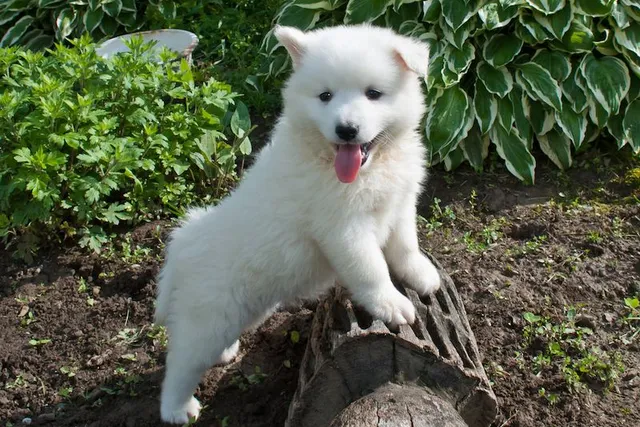
Kimola (American Eskimo Dog & Lhasa Apso Mix): Info, Pictures, Care & More

In this article
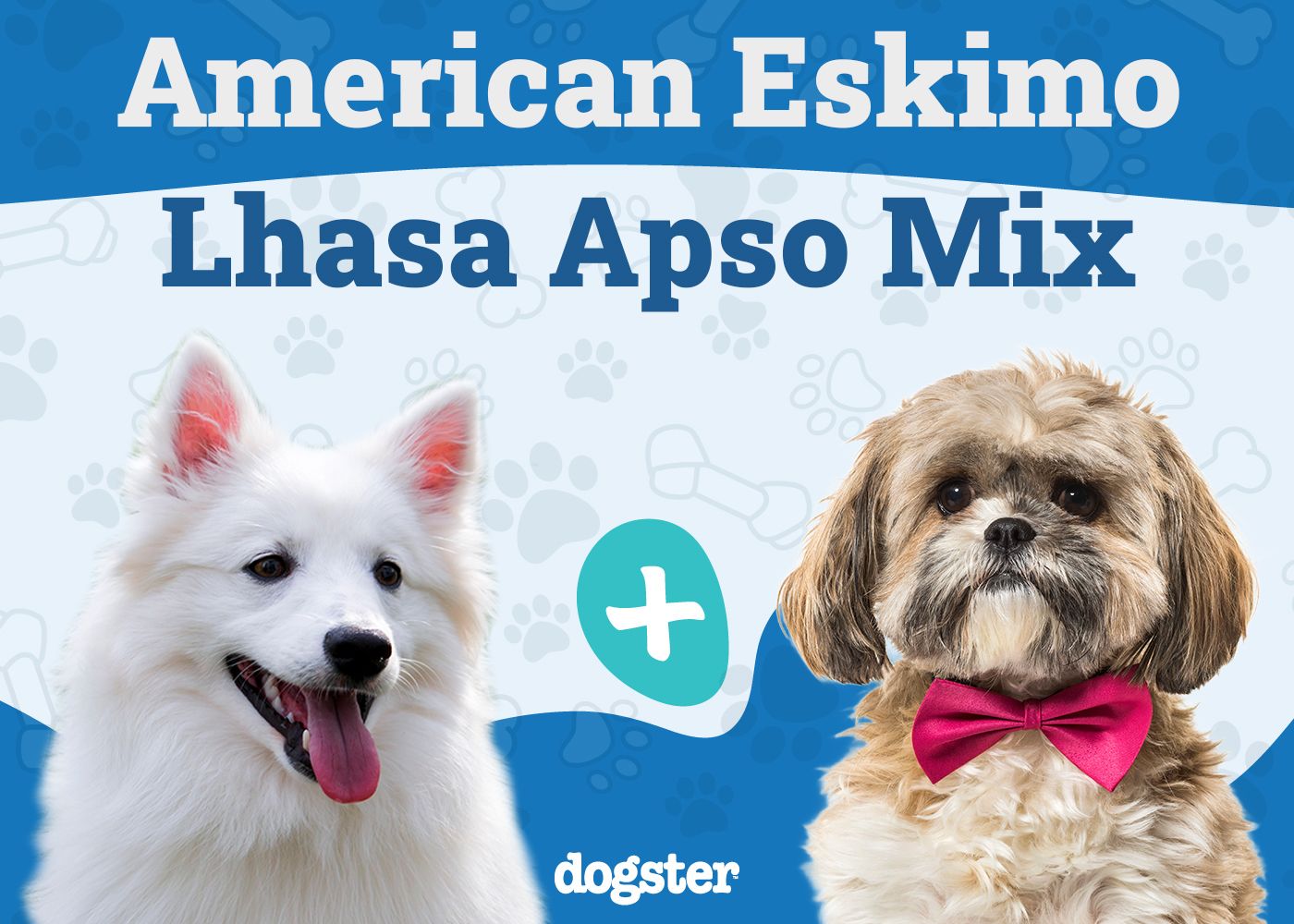
The Kimola is a small to medium mixed breed of the American Eskimo Dog and the Lhasa Apso. Kimolas are very loyal and friendly and make great pets for many different types of homes.
Breed Overview
Height:
Weight:
Lifespan:
Colors:
Suitable for:
Temperament:
In this article, we will discuss every aspect of owning a Kimola, from the price of buying a Kimola puppy to the notable differences between male and female Kimolas. Keep reading to learn more about these designer dogs and whether this breed is right for you and your family!
Kimola Characteristics

Kimola Puppies
If you are thinking about buying a Kimola puppy, you should know that one of these dogs will not be very affordable. When looking for a breeder, make sure to do your research. Unfortunately, not every breeder does the job with the dog’s best interest at heart. Any good breeder will be willing and able to answer your questions about the dogs. Ask for a tour of the breeding facility so that you can familiarize yourself with your dog’s parents and get a good sense of the dog’s health and wellbeing.
Also, be sure to ask about your Kimola puppy’s health history. Since the Kimola is a mixed breed dog and is not registered with the American Kennel Club, your puppy will not come with pedigree papers that give a detailed overview of your dog’s lineage. However, your breeder should be able to tell you information about your dog’s lineage and the health histories of each parent dog. Consider it a red flag when a breeder dodges your questions or refuses to allow you to visit their breeding facilities.

Temperament & Intelligence of the Kimola 🧠
The Kimola is an affectionate and lovable hybrid pup. These dogs are intelligent and can be trained as long as you can keep their attention long enough to teach them a new trick! They are courageous despite their small size and loyal to the end.
Are These Dogs Good for Families? 👪
Kimolas are very social animals that make excellent companions for children and families with children. Of course, it always helps to socialize your Kimola from a young age to help acclimate it to children and people in general. Lhasa Apsos can be a bit more challenging to socialize with children than American Eskimo Dogs, so if you find that your dog takes after its Lhasa Apso ancestor, you may need to spend more time working with your dog in this particular area.
Does This Breed Get Along With Other Pets? 🐶 😽
As with children, the Kimola tends to do well with other pets as long as they are socialized from a young age. Without proper socialization, your Kimola may be tempted to chase after smaller animals in your home, such as cats and rabbits. So, do your best not to tempt their prey drive.
Things to Know When Owning a Kimola
Food & Diet Requirements 🦴
When searching for the right brand and type of dog food to feed your Kimola, look for foods made from high-quality ingredients. The best dog foods will list high-quality protein as the first ingredient. Look for dog foods specifically formulated for small to medium breeds. You should also consider your dog’s age when buying food. Puppies and senior dogs need more protein than adults and often require specially formulated foods to meet their nutritional requirements.
It is recommended that you feed your Kimola at least two meals a day, splitting up its daily allotment of food between the meals. Kimolas are prone to weight gain, so free eating is not recommended. If you are wondering how much food is appropriate to feed your Kimola, the exact amount depends largely on its age, activity level, and ideal weight. If your dog is overweight, feed it based on the weight your veterinarian deems appropriate, not its current weight. You can use charts such as this one to estimate how much food your Kimola should be eating. If you have questions about your specific dog, don’t hesitate to ask your veterinarian.
Exercise 🐕
Kimolas are relatively high-energy dogs for their size, but they do not require as much exercise as larger breeds. Be sure your Kimola gets a moderate amount of exercise each day. A long walk or several walks spread throughout the day, and some dedicated playtime should be sufficient for your dog. You don’t necessarily need a yard to have a Kimola, which means they can be well-suited to living in an apartment or another small space. If you find that you are struggling to get your Kimola the exercise it needs, consider taking it to a local dog park so that it can run around and expel some of its energy.
Training 🎾
Kimolas tend to be quick learners, so training is relatively easy, even for beginners. Your Kimola will respond most positively to firm, consistent, and reward-based training. Yelling at your Kimola and other forms of negative reinforcement aren’t likely to get you very far. They aim to please their owners, so make sure to encourage and praise them whenever appropriate.
Grooming ✂️
Kimolas are moderate shedders that will benefit from daily brushing. Your Kimola does not need frequent bathing; in fact, you should only bathe it when it gets dirty to preserve natural oils that help keep your dog’s coat healthy. Don’t forget to brush your Kimola’s teeth at least twice a week and trim its nails as needed.
Health and Conditions 🏥
Kimolas are generally healthy dogs. However, like all species, they are prone to developing certain health problems that you should be aware of if you are going to adopt one of these dogs. Below, we have outlined both serious and minor conditions you should look out for.
Male vs. Female
When choosing your Kimola, you may want to take some time to consider whether a male or female dog best completes your family. It’s important to note that dogs are individuals; like humans, they each have their own unique personalities which cannot be predicted by their biological sex. However, there are some commonly known differences between male and female dogs that you should consider before making your final decision.
Though little information is known about the difference between male and female Kimolas, we can infer sex-based differences based on Kimola’s parent breeds: the American Eskimo Dog and the Lhasa Apso. Male American Eskimo Dogs are often significantly larger than their female counterparts, so if your dog tends to take after its American Eskimo Dog parentage, this could be true for your Kimola as well. Because the Kimola is still a fairly small breed, the difference in size is unlikely to make a huge difference for you.
In terms of behavior, it’s important to note that male Lhasa Apso dogs can sometimes be more aggressive and independent than their female counterparts. Males are more likely to wander off and display sexual behavior than females, though much unwanted sexual behavior can be curbed if you get your dog neutered.
Regardless of sex, make sure to spend some time with a Kimola before making a final decision about whether or not to adopt it.
3 Little-Known Facts About the Kimola
1. Kimolas Are Very Versatile Companions
Kimolas are known for their friendly, affectionate, and lively temperament. They can inherit the American Eskimo Dog's outgoing and playful personality, making them great companions for families with children and other pets. The Lhasa Apso's influence adds some independence and intelligence, resulting in a well-rounded furry companion.
2. They Are a Relatively New Breed
Being a designer breed, the Kimola hasn’t been around for that long. As with many designer breeds, the exact origins of the Kimola are not well-documented. However, the intentional breeding of American Eskimo Dogs and Lhasa Apsos likely began in the past few decades along with the rise of designer breeds in general as breeders started wanting to combine desirable traits from different breeds.
3. The Kimola’s Looks and Size Can Vary Greatly
Due to the notable differences between the parent breeds, Kimolas can end up looking very different depending on which parent they inherit most of their genes from. Their height can be anywhere from 12 to 19 inches and they can weigh between 16 to 40 pounds.
Final Thoughts
The Kimola isn’t for everyone. The cost of buying a Kimola puppy can be prohibitive for some families, and while they are usually great with kids, some Kimolas can be difficult to socialize with children. However, there are many positives to this breed. Because it doesn’t require as much exercise as other dogs, the Kimola could be a great choice for a senior or a family with a busy schedule that doesn’t allow for taking too many walks during the day. These dogs are also relatively easy to train, making them suitable for beginner dog owners.
At the end of the day, only you can make the decision as to whether or not the Kimola is the right breed for you, but we hope we have provided you with the necessary tools to make that decision.
Expert dog care, straight to your inbox
News, insights, expert advice, and everything dog.

No spam — unsubscribe anytime.
By signing up, you agree to our Terms & Conditions and Privacy & Cookies Policy.
How useful was this post?
Click a star to rate. You can leave written feedback afterwards. (We read all feedback.)
Nicole has loved animals of all sizes her whole life so it's no wonder she has dedicated her career to helping them through what she loves best: learning, writing, and sharing knowledge with others. She’s the proud mom of two dogs, a cat, and a human. With a degree in Education and 15+ years of writing experience, Nicole wants to help pet parents and pets around the planet to live happy, safe, and healthy lives.