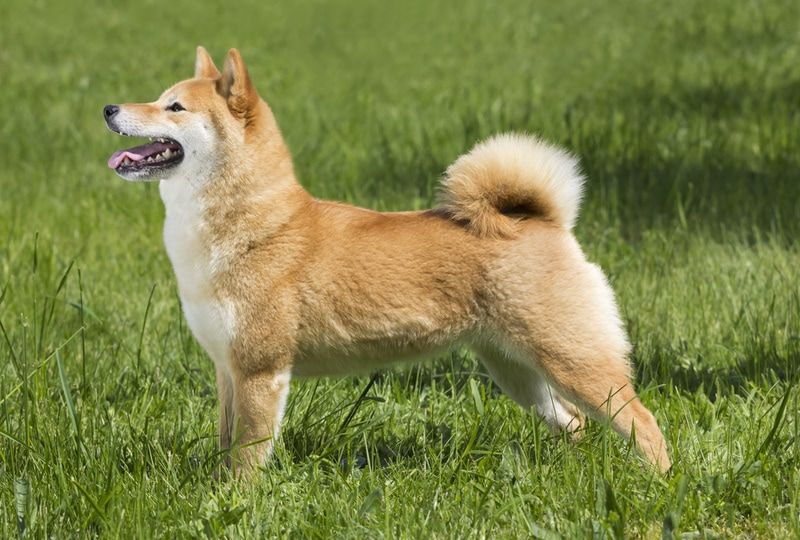
How Aggressive Are Shiba Inus? Vet-Verified Temperament & Personality Traits


In this article
View 3 More +Shiba Inus originated from Japan and was originally used for hunting. However, because they are independent, aloof with strangers, and loyal, they were quickly utilized as guard dogs as well. While they are not necessarily aggressive dogs, hundreds of years of breeding for protective instincts can make them quicker to aggression than some other breeds.
However, how you raise a particular dog is important. A Shiba Inu that is well-socialized and trained won’t be aggressive. They require consistent training and plenty of exercise, though. This may be a bit much for dog owners who simply thought they were getting a cute-looking dog.

Are Shiba Inus Aggressive?
According to the American Temperament Test Society (ATTS),1 which conducts tests to measure a dog’s ability to interact with humans, human situations, and the environment, Shiba Inus have a temperament test pass rate of 69%. Out of 29 Shiba Inus that were recorded, 20 passed the temperament test, and 9 failed.
Just because a dog failed doesn’t mean they were aggressive, though. It simply means that something about the test caused them to behave in an unacceptable manner (like an umbrella scaring them, for instance). Many Shiba Inus are dominant towards other dogs, so they likely have difficulty interacting with other dogs during the test as well.

Here is a list of other common breeds and their pass rates:
As you can see, Shiba Inus have a lower pass rate than some of the most popular and friendly breeds but also higher than some of the smaller or more protective breeds. Shiba Inus are not extremely aggressive, but they are somewhat more challenging to handle than a Labrador Retriever.
Are Shiba Inus Naturally Aggressive?
Shiba Inus aren’t naturally aggressive. Aggression is caused by a range of different factors, such as genetics, environment, socialization, and health—even the most laid-back dog may become aggressive when injured. This sort of aggression is natural, but the Shiba Inu isn’t particularly prone to it when compared to other breeds.
With that said, Shiba Inus are naturally independent, energetic, and stubborn. Therefore, without proper training and socialization, they can become aggressive. Their protection instincts can become too much if they aren’t socialized, as they may perceive everything as a threat.

Is a Shiba Inu a Good Family Dog?

Shiba Inus can be a good family dog, depending on the family and dog. They’re often intelligent, loyal, and affectionate. They bond well with the members of their family. They’re also watchful and protective, making them a great option for families looking for a guard dog.
They can be extremely strong-willed and independent, and they’re naturally harder to train than other breeds and need consistent reinforcement, especially as puppies. They may also resist leash training or recall commands, as they have a high prey drive and a tendency to chase or wander off. They are not suitable for inexperienced or passive owners who cannot provide firm and confident leadership. Experienced dog owners are best.
Furthermore, these dogs are also very energetic and do best in active families for this reason. They can become bored, frustrated, or destructive if they are not given enough outlets for their energy and intelligence. If you’re just looking for a cuddle buddy, this probably isn’t the best dog for you.
Shiba Inus are reserved and aloof dogs that can be wary of strangers, other dogs, or unfamiliar situations. They need early and frequent socialization with different people, animals, and environments to learn how to behave appropriately and confidently. Puppy classes are highly recommended, as they provide a safe place for them to socialize when very young.
They may also be territorial or possessive of their food, toys, or space and may not tolerate sharing or intruding. They are not ideal for families with very small children, those who have frequent visitors or other pets in the house. They’re particularly bad with other dogs, especially those of the same gender.
Shiba Inus also tends to be extremely loud. They make the infamous “Shiba scream,” which can be a bit much for some owners. They aren’t best for those that live in noise-sensitive areas, like apartments.
Whether or not this dog works well in your family depends largely on how you raise the canine and what you’re looking for in a dog.
Why Is My Shiba Inu Getting Aggressive?

Shiba Inus can be aggressive for a range of different reasons. The most common reason is fear, which is often due to a lack of socialization. Any dog will become aggressive when they are feeling insecure or scared of something. Therefore, introducing your dog to many things when they are younger is often required to prevent them from being scared as adults.
However, traumatic experiences and stress can make a dog fearful of situations they were once fine with.
Shiba Inus may become aggressive if they are in pain, though this applies to all dogs. Health issues can suddenly make a dog aggressive, so sudden personality changes should be checked out by your vet.
Shiba Inus may become aggressive if they are trying to assert their dominance or leadership over other dogs or people. Dominance-based aggression can be adjusted with training and socialization. However, Shiba Inus are particularly prone to trying to dominate dogs of the same gender.
There are several ways you can prevent aggression in your Shiba Inu.
Here are some things to consider:
If your dog is severely aggressive (or training doesn’t fix the aggression), you may need to seek professional help. A veterinarian or behaviorist can help you determine why your dog is aggressive and lend a hand in fixing the underlying problem.

Final Thoughts
Shiba Inus are not naturally aggressive. They are naturally protective, though, with a strong willpower and prey drive. These traits can translate into aggression faster than they might for other dogs. Therefore, it is vital to provide them with the socialization and training they need to prevent aggression—how you raise your Shiba Inu matters a lot.
Because socializing and training these dogs properly is so important, we only recommend Shiba Inus for experienced dog owners.
However, if you’re a new dog owner, don’t let their potential problems keep you from owning a Shiba Inu if you really want one. Instead, you should find an experienced dog trainer near you and plan on spending plenty of professional training classes. Chances are you will learn and have fun too!
See also:
Sources
Featured Image Credit: TOM KAROLA, Shutterstock
Expert dog care, straight to your inbox
News, insights, expert advice, and everything dog.

No spam — unsubscribe anytime.
By signing up, you agree to our Terms & Conditions and Privacy & Cookies Policy.
How useful was this post?
Click a star to rate. You can leave written feedback afterwards. (We read all feedback.)

Kristin loves to help pet parents create a fulfilling life for their pets by informing them on the latest scientific discoveries and helping them choose the best products for their pets. She currently resides in Tennessee with three cats, four dogs, two fish, and a lizard, though she has dreams of owning chickens one day!