Can Dogs Eat Ramen Noodles? Vet-Verified Nutrition Facts & Risks


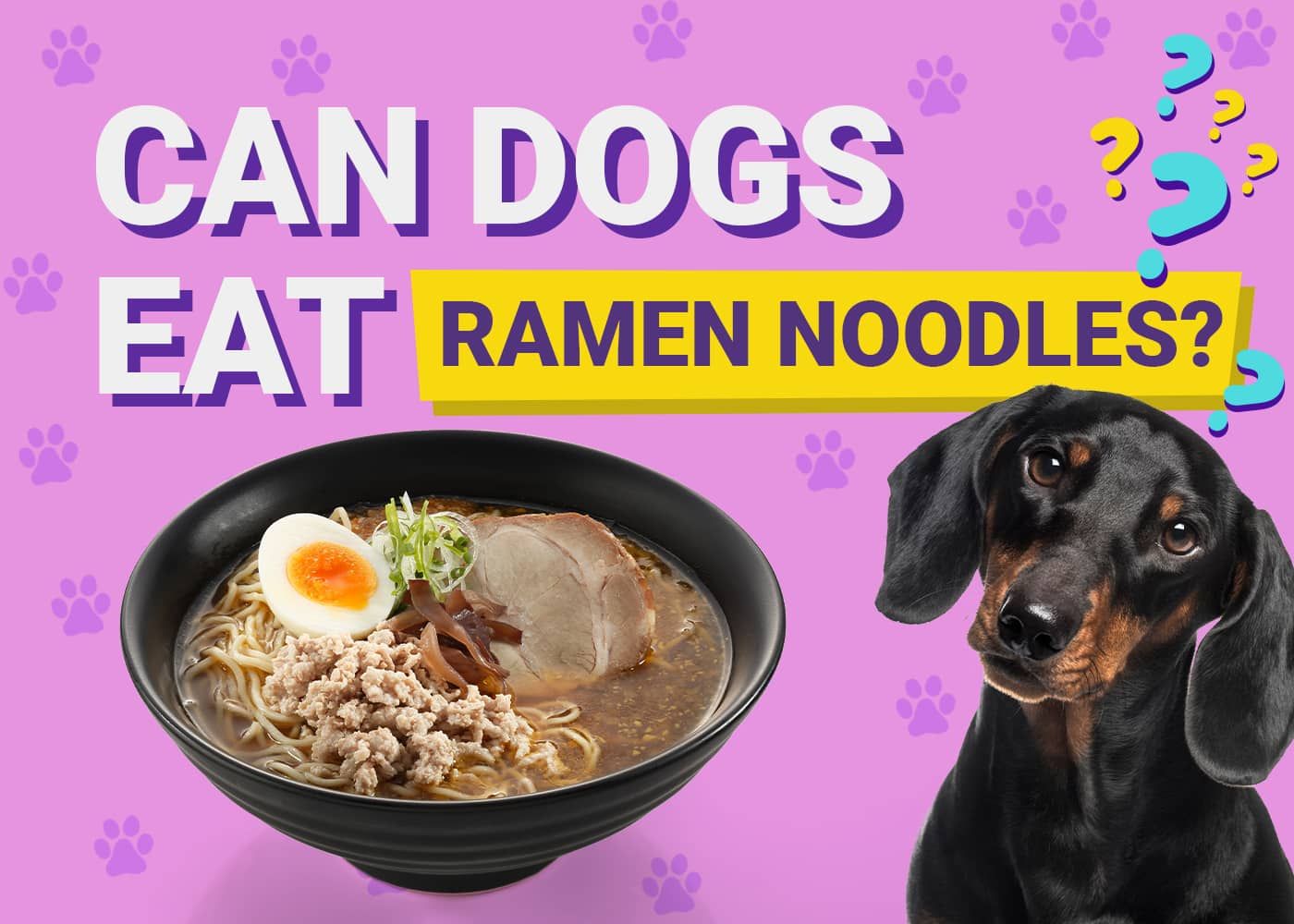
If you're a fan of ramen noodles and wondering whether you can share a bowl with your dog, sorry, but no. Instant ramen and authentic ramen are bad for dogs. While ramen is not toxic to dogs when ingested, most of its components are neither healthy nor safe for them to consume, especially long-term and in large amounts.
In this article, we'll discuss why you shouldn't feed your dog ramen and what to do if they accidentally consume it.

Why Instant Ramen Is Bad for Dogs
Instant ramen is a classic comfort food. It's cheap, has countless delicious flavors, and is ready in minutes. Unfortunately, ramen is unhealthy for humans and dogs, too1. Here are the main reasons why instant ramen is unhealthy for dogs:
High Levels of Sodium
Ever wonder why instant ramen tastes so good for such an inexpensive meal? It's packed with sodium. For instance, this popular instant ramen brand contains 830 mg of sodium per serving. In case you didn't know, there are often TWO servings in ONE packet of instant ramen. So, in just one packet, you're consuming 1,660 mg of sodium—over half the recommended daily amount for humans.
While dogs need sodium in their diet to maintain their fluid balance and regulate nerve and muscle function, they need very little. Dogs should consume a maximum of 15 mg of sodium per kilogram of body weight. For a 6.5-pound Chihuahua, that's just 45 mg of sodium a day. A 65-pound Labrador should only have 450 mg a day—ideally, much less. Most dog food brands already include the proper amount of sodium, so there’s no need to give them any outside of their regular kibble.
Eating instant ramen will put your pup way over their daily sodium allowance. Too much salt can lead to serious health issues like dehydration, heart problems, electrolyte imbalances, and vomiting. In severe cases, it can lead to hypernatremia in dogs, a life-threatening condition caused by a high concentration of sodium in the bloodstream.
Unsafe Seasonings
The seasonings added to instant ramen are also bad for your pup. Most of these seasonings contain high amounts of MSG, garlic, and onion, which can be toxic to dogs. The MSG component is especially concerning, as it has been linked to neurological issues in dogs. Ingesting a significant amount of MSG can cause excessive excitement, restlessness, depression, disorientation, and convulsions in dogs.
Some ramen varieties also contain seasoning oils. These oils can upset your pup's digestion, leading to vomiting, diarrhea, and dehydration.
If your dog has consumed ramen and you want some advice on next steps, we recommend contacting a vet for some advice.
Unhealthy Carbs & Empty Calories
Instant ramen may be filling, but it's not healthy food. The noodle blocks are usually made of refined flour, salt, and oil. Dehydrating the noodles (to make them “instant” and give them a longer shelf life) involves frying them in oil and removing the moisture. This causes the calorie content to skyrocket and makes it difficult for your pup to digest them.
The carbs in ramen noodles are also unhealthy. Refined flours have been stripped of most of their fiber and nutrient content. Consuming too many unhealthy carbs can lead to weight gain and other health problems in dogs. That is why it's also bad for dogs to eat plain or raw ramen.
Allergy Trigger
There are potential allergens in instant ramen, such as soy and wheat. If your pup is sensitive to these ingredients, eating just a tiny amount can lead to stomach issues, skin reactions, and, in severe cases, even anaphylaxis.
How About Authentic Ramen?
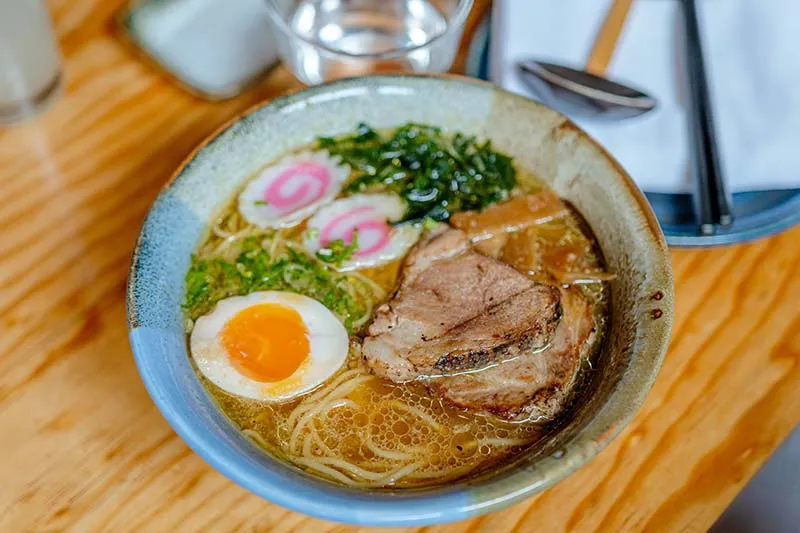
Authentic ramen (the kind you can get in Japanese restaurants) has better flavor and uses higher-quality ingredients. Still, it's best not to serve it to your dog. That tasty ramen broth is too salty, fatty, and rich for dogs. Like instant ramen flavoring, it also contains ingredients that are toxic to dogs, like onions and garlic. Although the noodles are fresher, they're made with the same basic ingredients that dogs shouldn't eat: wheat flour, oil, water, salt, and a quick dip in alkaline water to give it that signature chewiness.
My Dog Accidentally Ate Ramen! What Should I Do?
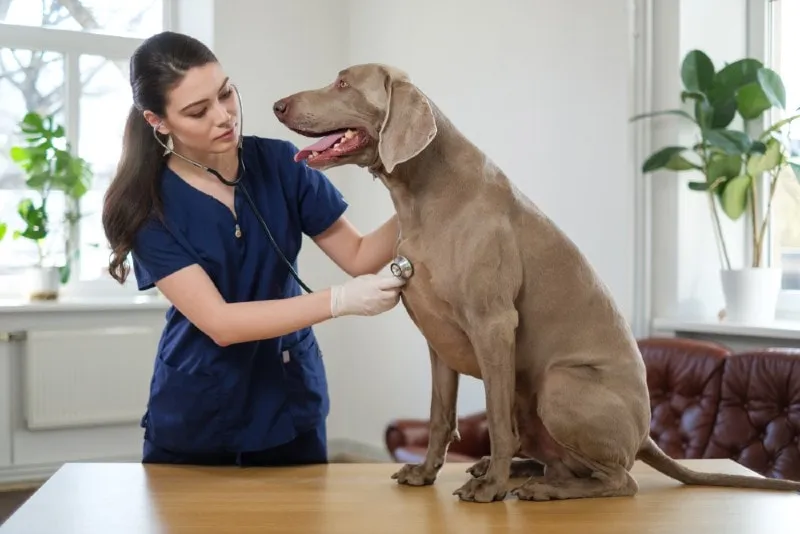
Ramen is unhealthy for dogs, but it's not the end of the world if they eat a bit. If your dog is otherwise healthy, they'll likely not suffer any ill effects. At most, they may have diarrhea and become thirsty due to the saltiness of ramen. Simply observe them for signs of distress like lethargy, vomiting, allergic reactions, or appetite loss. If their signs persist or worsen, contact your vet right away.
Beyond that, just keep the bowl away from their reach next time.
Conclusion
Ramen can be a convenient snack or meal to have around the house, but it doesn't belong in your dog's diet. From the insane salt content to the potential allergens, unsafe seasonings, and generally unhealthy ingredients, it's not healthy for your pup.
Accidents happen, so if your crafty canine manages to eat your ramen, watch out for any adverse effects. But in general, you have nothing to worry about. Your pup may be upset that they can't share a bowl of noodles, but they'll stay healthier by eating high-quality dog food.
Expert dog care, straight to your inbox
News, insights, expert advice, and everything dog.

No spam — unsubscribe anytime.
By signing up, you agree to our Terms & Conditions and Privacy & Cookies Policy.
How useful was this post?
Click a star to rate. You can leave written feedback afterwards. (We read all feedback.)
Nicole has loved animals of all sizes her whole life so it's no wonder she has dedicated her career to helping them through what she loves best: learning, writing, and sharing knowledge with others. She’s the proud mom of two dogs, a cat, and a human. With a degree in Education and 15+ years of writing experience, Nicole wants to help pet parents and pets around the planet to live happy, safe, and healthy lives.