In this article
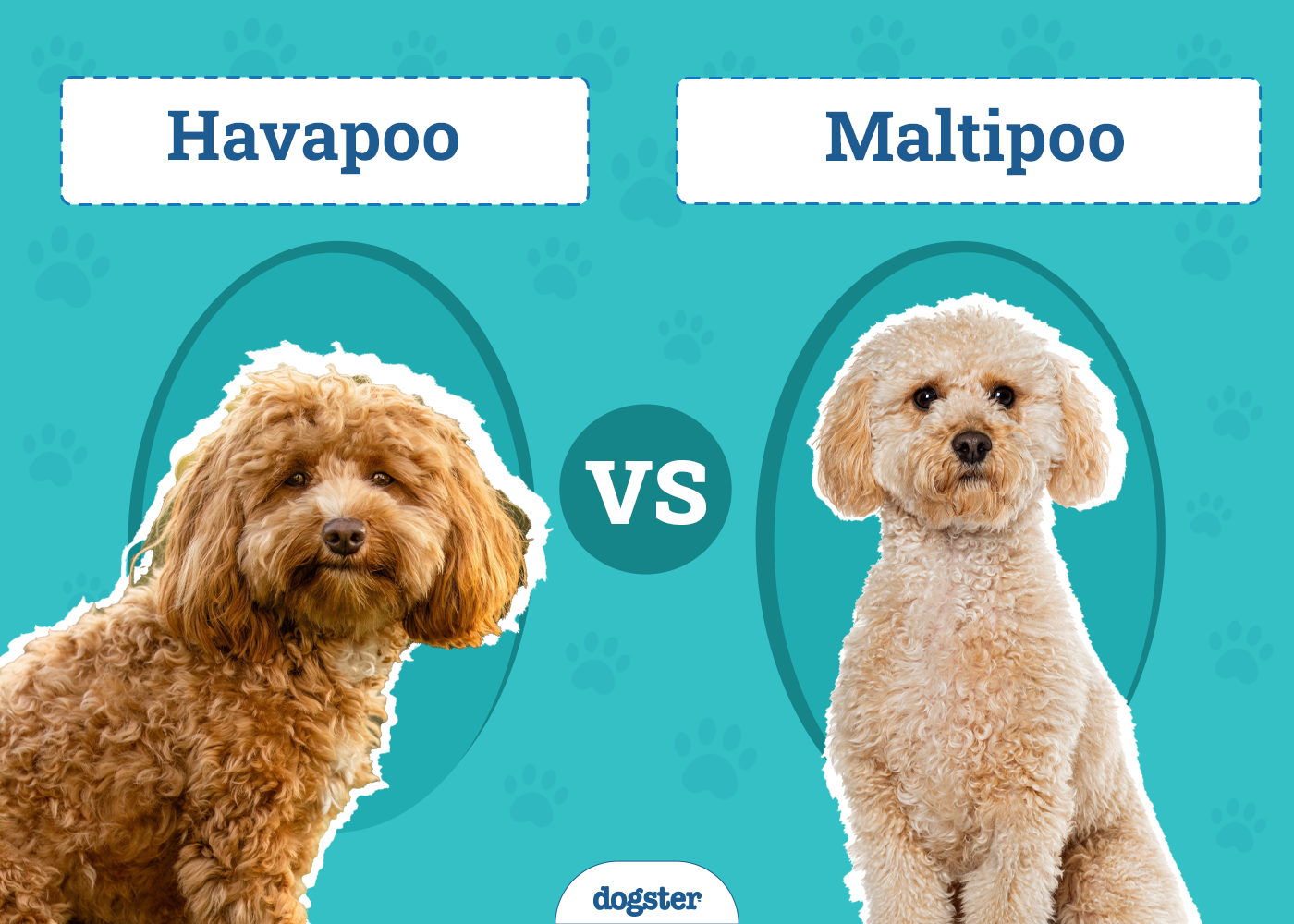
View 3 More +Havapoos and Maltipoos are mixed breeds created to have the best characteristics of each parent. Both are Poodle mixes, with Maltipoos having one Maltese parent and Havapoos getting half their genes from a Havanese. The Poodle contribution usually comes from a toy or miniature variety, and both Havapoos and Maltipoos are relatively small.
While Havapoos tend to be a bit bigger than Maltipoos, neither usually grows much more than 15 inches. Havapoos and Maltipoos often inherit that famous Poodle anxiousness, and they do best in families where they get lots of love, attention, and exercise.
As lap dogs, both enjoy a good cuddle. There’s not much difference between the two breeds regarding size, health conditions, and lifespan. But overall, Havapoos tend to be a bit larger, easier to groom, and less inclined to bark than their Maltipoo counterparts.

Visual Differences
At a Glance
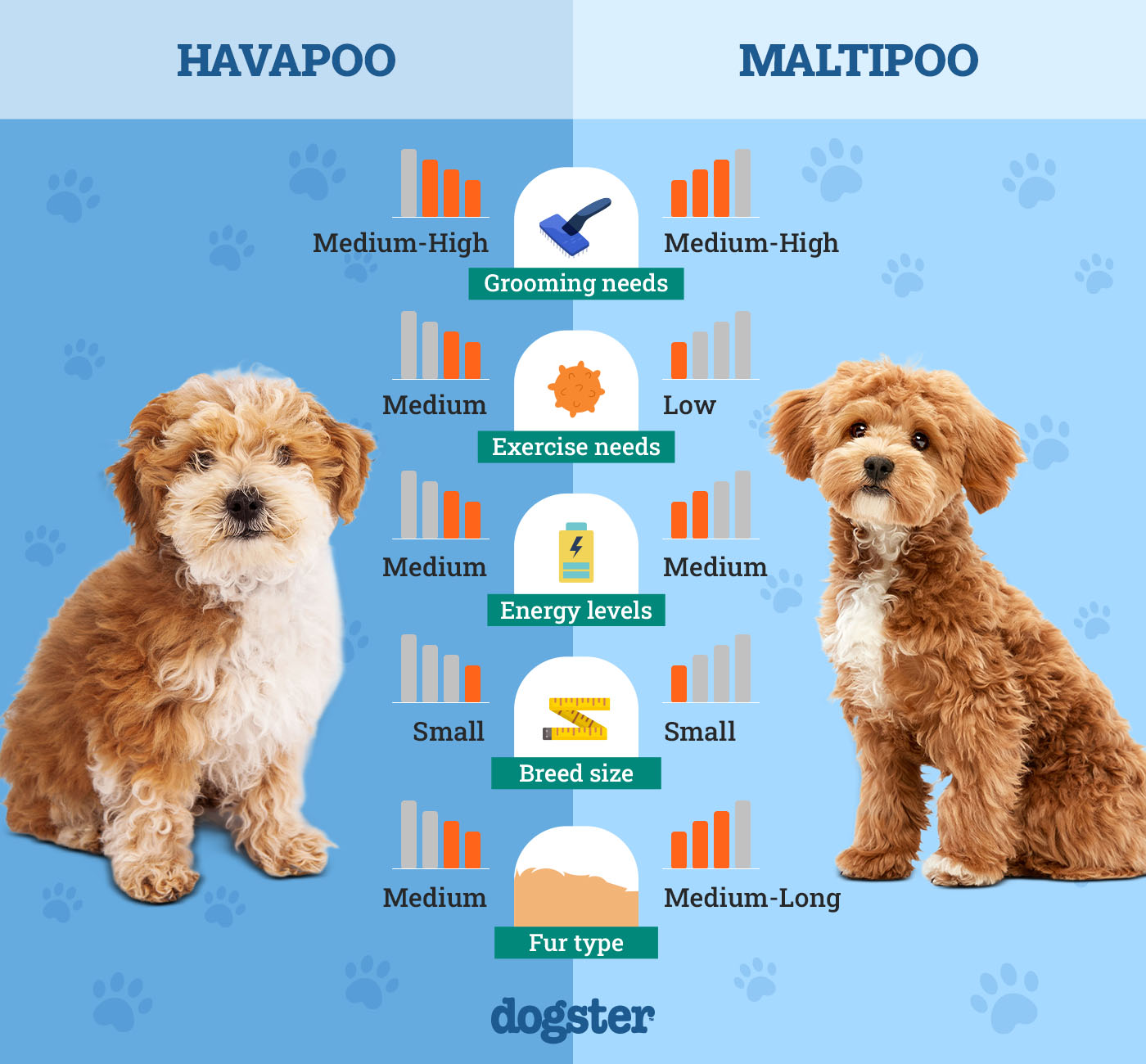
- Average height (adult): 8–15 inches
- Average weight (adult): 7–30 pounds
- Lifespan: 10–14 years
- Exercise: ±1 hour a day
- Grooming needs: Moderate
- Family-friendly: Yes
- Other pet-friendly: Yes
- Trainability: Intelligent, easy to train, and not prone to excessive barking
- Average height (adult): 8–14 inches
- Average weight (adult): 5–20 pounds
- Lifespan: 10–15 years
- Exercise: ±1 hour a day
- Grooming needs: Moderate
- Family-friendly: Yes
- Other pet-friendly: Yes
- Trainability: Intelligent, cheerful, and eager to please

Havapoo Overview
Havapoos are sweet designer dog mixes with Havanese and Poodle ancestry. Havanese dogs tend to remain relatively tiny, even when fully grown, with most topping out between 8.5 and 11.5 inches and weighing 7 to 13 pounds. Havanese dogs are native to Cuba and were the aristocratic lapdogs of choice until the Cuban Revolution.
Poodle mixes inherit characteristics from both parents, although it can be difficult to tell ahead of time precisely how each dog will turn out. Havapoos tend to be a bit bigger than Maltipoos; they usually weigh around 7 to 30 pounds and can reach up to 15 inches at the withers. They tend to bark far less than Maltipoos, and they require a bit less grooming as well.

Personality
Havapoos are affectionate and gentle. They love to spend time with their owners, often following them from room to room. Havapoos are happiest curled up in their favorite person’s lap, and most are patient and do well with other animals and well-behaved children. Because they’re so small, Havapoos don’t enjoy rough play; these tiny sweethearts need to be handled with care. Unfortunately, they can become anxious, particularly when left alone. But they aren’t inclined to excessive barking, making them great apartment dogs.
Exercise
Havapoos don’t require much exercise to stay fit. Most are fine with easy walks augmented with daily playtime. They love taking walks and playing games like fetch and hide and seek. They have little legs and are also at increased risk of developing conditions such as hip dysplasia, so it pays to take it easy when enjoying the great outdoors with your pet. Limit the total distance you cover and try to avoid rugged terrain.
Training
These intelligent dogs love to do tricks, and because they’re so smart and people-oriented, they’re also incredibly easy to train. Most do best with reward-based training, as they become easily discouraged by criticism or when spoken to harshly.
They are relatively active dogs and are usually more than happy to learn a new trick or two, particularly when tempted with the right motivation. Some Havapoos are motivated by treats and others prefer praise. Owners often find figuring out precisely what motivates their pet to be the most challenging part of training their Havapoo.

Health & Care
Havapoos are relatively healthy, with most living 10 to 14 years. However, they have heightened chances of developing certain breed-specific conditions commonly seen in their parents’ breeds. Poodles often suffer from Addison’s disease, diabetes, and bloat, and Havanese dogs risk developing heart murmurs and hearing problems.
Havapoos need to be monitored for these conditions as well. They don’t require much maintenance; regular brushing and monthly baths are sufficient. Havapoos also need to have their ears cleaned once a month and their teeth brushed a few times per week.
Suitable For:
Havapoos are excellent pets for busy families and those looking for steady companions. They don’t do well when left alone, as they frequently suffer from separation anxiety. Havapoos don’t have high exercise needs but require about 40 minutes of exercise and 20 minutes of playtime per day to stay mentally engaged and physically fit.
Physical activity can help get those doggy endorphins flowing, which can sometimes help ease canine separation anxiety. While these dogs don’t have high grooming needs, they require regular brushing and eye care since they’re prone to developing tear stains.
Maltipoo Overview
Maltipoos are Havapoos’ slightly smaller cousins. These sweet, friendly dogs tend to top out around 14 inches, and most weigh less than 20 pounds. As Poodle/Maltese mixes, they feature characteristics of both breeds. They’re bright, like Poodles, and enthusiastic cuddlers, like Maltese dogs!
They don’t require extensive grooming and are perfect for canine-loving allergy sufferers. While they’re not technically hypoallergenic, they don’t shed much and produce fewer irritating, allergy-causing proteins. They’re a relatively healthy mix, living for 10 to 15 years on average.

Personality
Maltipoos are active, charming, and sweet but don’t like being left alone. They tend to bark when unhappy, but they usually get along well with other pets and children. While they require exercise and activity, they’re not terribly inclined to run around in the house. They often bond deeply with their owners, making them great companions and popular therapy dogs!
Exercise
While Maltipoos love hanging out and napping in the presence of their favorite people, they also enjoy exercise. They have a fair amount of energy and look forward to the mental stimulation of playtime. They need around 40 minutes of exercise per day and around 20 minutes of playtime.
These tiny dogs often enjoy playing interactive games with their humans, and some even enjoy trips to the dog park during reasonably quiet times! Maltipoos love exploring the world through their noses. A smell walk gives your dog a chance to get outside, breathe fresh air, and flex their sniffing muscles.
Training
Maltipoos can get bored incredibly easily. They’re also prone to developing separation anxiety and barking, and early training is a must to ensure your pet doesn’t become an excessive vocalizer. Training decreases pets’ overall anxiety by alleviating boredom and providing mental stimulation. Maltipoos are exceptionally sensitive and do their best with positive reinforcement, and they excel in obedience and agility competitions.

Health & Care
Maltipoos need to be brushed at least once a day, and monthly baths are a must to prevent matting. Like all dogs, Maltipoos require regular ear cleanings and nail clippings; once a month is usually sufficient. And don’t forget to brush your pet’s teeth at least two or three times a week to minimize plaque buildup, which can lead to painful conditions such as gingivitis and periodontitis. A professional can clip your pet’s nails and clean their ears if you don’t feel comfortable taking care of these things on your own.
Suitable For:
Maltipoos make great dogs if you’re looking for a four-footed companion with whom you can spend lots of time. They bond deeply with their owners and can suffer from separation anxiety if left alone for too long. While they require exercise and enjoy a good romp, they don’t need a ton of space, making them good choices if you live in a small apartment. However, the dog tends to bark frequently, which can create problems for neighbors and landlords.
Are Both Havapoos & Maltipoos Hypoallergenic?
Poodles, Havanese, and Maltese pups are all described as hypoallergenic since they don’t tend to trigger allergic reactions as quickly as some other breeds. Havapoos and Maltipoos are often good choices for allergy sufferers since they don’t shed much and therefore spread fewer proteins from shedded hair that often triggers sneezing and itchy eyes in sensitive individuals.
Keep in mind that all dogs produce the proteins that trigger allergies, and there’s no such thing as a 100% hypoallergenic dog. But smaller dogs that don’t shed much are the gold-standard option for allergy sufferers.
Which of These Mixes Has Been Around the Longest?
We don’t know the exact history of either of these designer breeds. Neither has been recognized by the American Kennel Club (AKC) or the Kennel Club (KC) in the United Kingdom. We know they’ve been around for at least 20 or 30 years, and both have quickly become popular due to their size, personalities, temperament, and adaptability.
Poodles were first bred around 400 years ago in Germany, where they were popular water retrievers. Maltese dogs hail from the island of Malta and have been around since the 5th-century B.C. Havanese are native to Cuba but most likely descended from similar dogs that accompanied European sailors as they explored the Caribbean in the 1600s.
Which Breed Is Right for You?
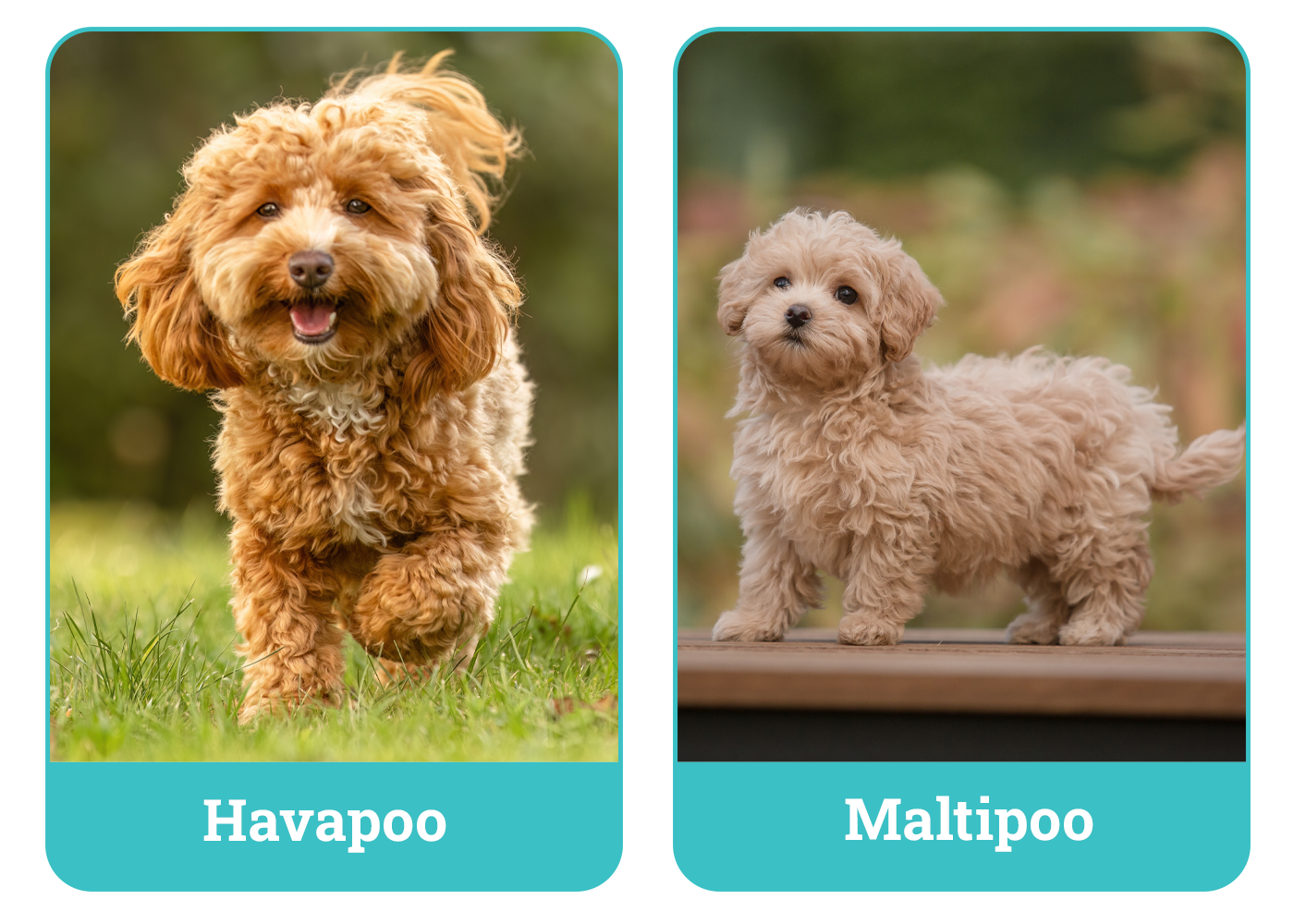
Both of these breeds are sweet, intelligent, and adorable. However, there are a few differences to remember when making your decision, including the amount of time you want to spend grooming your pet and your living situation.
Havapoos tend to be slightly lower maintenance than Maltipoos, but because they’re hybrid dogs, they inherit characteristics from each of their parents’ breeds. It’s possible to have a Havapoo with super curly hair that requires a good bit of maintenance.
While Maltipoos tend to be slightly smaller than their Havapoo cousins, the larger dogs may be a better choice for some apartment dwellers. Havapoos are often slightly mellower than Maltipoos and are certainly far less inclined to bark. They’re also generally less prone to develop separation anxiety, but neither breed is likely to be active enough to disturb your downstairs neighbors.
See also:
- Havapoo vs Havanese: Which One Is Right for Me?
- Havapoo vs Cavapoo: Differences Explained (With Pictures)
Featured Image Credit: Top – Tara Lynn and Co, Shutterstock | Bottom – OlgaOvcharenko, Shutterstock