In this article
View 3 More +Dogs come in all shapes and sizes, which can make choosing which dog is right for you a challenging task. Aside from their physical appearance and personalities, choosing between the Havapoo and the Havanese means also choosing between a mixed breed and a pure breed.
The Havapoo and Havanese have many similarities. But because the Havapoo is a crossbreed between a Havanese and a Poodle, the main differences depend on just how much Poodle DNA is in the Havapoo you’re adopting! Both breeds have their own histories and can differ in appearance, personalities, grooming requirements, and even training.
In this article, we discuss the similarities and differences between these two amazing breeds, while also looking at the history of both.

Visual Differences

At a Glance
- Average height (adult): 8–15 inches
- Average weight (adult): 7–30 pounds
- Lifespan: 14–16 years
- Exercise: 1 hour a day
- Grooming needs: Moderate
- Family-friendly: Yes
- Other pet-friendly: Often
- Trainability: Intelligent, energetic, playful, quick to learn
- Average height (adult): 8–13 inches
- Average weight (adult): 7–13 pounds
- Lifespan: 13–16 years
- Exercise: 30 minutes a day
- Grooming needs: High
- Family-friendly: Yes
- Other pet-friendly: Often
- Trainability: Intelligent, eager to please, energetic, occasionally stubborn

Havapoo Overview
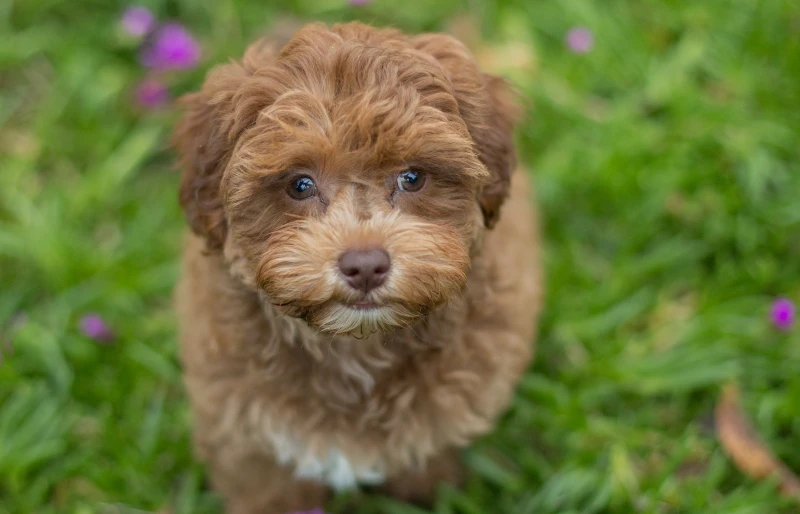
The Havapoo, also known as the Havadoodle, Poovanese, and Havanoodle, is a relatively new hybrid dog breed. The Havapoo is a cross between the Havanese and the Poodle, both of which are popular and well-loved dog breeds in the small-sized category.
The Havanese is an ancient Cuban dog breed that served as a companion to wealthy families. Meanwhile, Poodles originated in Germany as water retrievers and were also bred as aristocrats’ companions in France. Poodles come in three sizes and have a curly, hypoallergenic coat. The Havanese breed nearly died out after the Cuban Revolution, but a few dogs were brought to the US to establish a breeding program.
Although the origin of the Havapoo is unclear, the breeding of Havapoos is said to be part of the popular trend of creating Poodle mixes during the 1980s. The breed likely originated in the US and was developed to highlight the Poodle’s intelligent and affectionate traits, as well as its hypoallergenic coat.
In recent years, there has been an increase in demand for designer hybrid dog breeds, such as the Havapoo. By crossing the Havanese with the Poodle, breeders aimed to create a small, hypoallergenic dog with a friendly and affectionate personality. While the Havapoo is not a recognized breed by the American Kennel Club (AKC) or other major kennel clubs, it has become a popular family pet due to its desirable traits and is truly a mixed breed with the best of both worlds!
Appearance
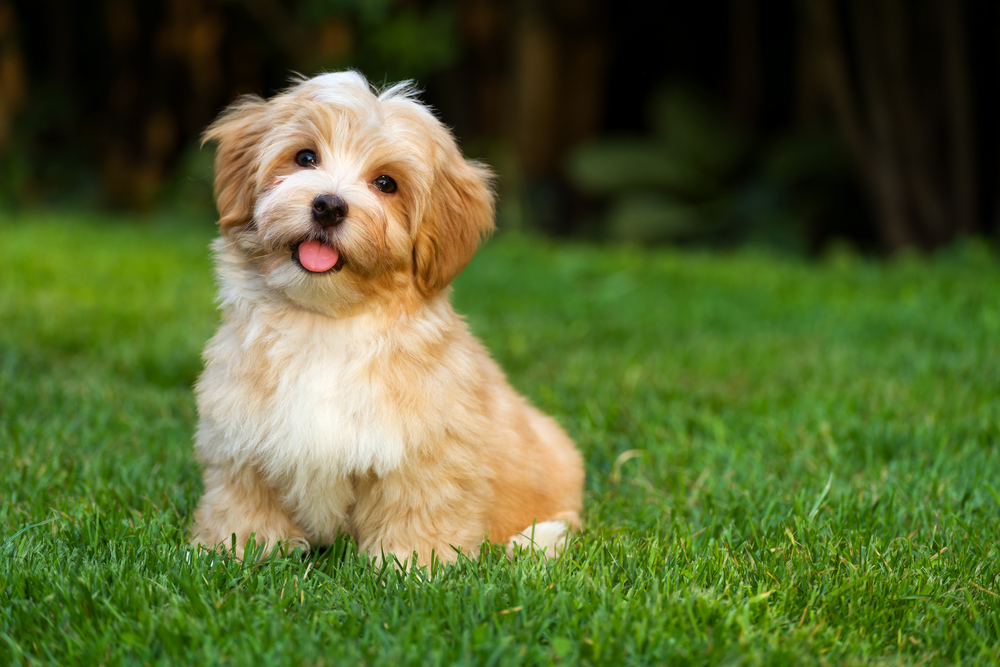
As mixed breeds, Havapoos can vary in appearance depending on their inheritance and distribution of their Poodle and Havanese genes. Generally, they are small-sized dogs that can weigh anywhere between 7–30 pounds with a height of 8–15 inches.
They have a long, curly, non-shedding coat that comes in a variety of colors, such as black, white, brown, cream, tan, gray, or a mix of those colors. Their floppy ears, round eyes, and a compact, sturdy body give them a charming and adorable appearance!

Personality & Temperament
The Havapoo is a friendly and affectionate dog breed that loves to spend time with their owners. Havapoos are incredibly sociable and get along with strangers and other pets. They are intelligent and easy to train, making them an excellent choice for first-time dog owners. Havapoos also have a playful and energetic personality, but they do well in apartments or small homes with daily exercise and mental stimulation.
Because of their sociable nature and their constant need for companionship, the Havapoo dislikes being left alone and can easily develop separation anxiety. They are also incredibly friendly dogs, which may not make them suitable as guard dogs.
Grooming Requirements
Taken from both its Poodle and Havanese parents, the Havapoo has a beautiful curly, non-shedding coat that is considered hypoallergenic. Despite being hypoallergenic and non-shedding, the Havapoo does require regular brushing up to two to three times a week, as well as professional grooming services every one to two months to prevent tangles and matting.
In addition, Havapoos also require bathing and ear cleaning as needed.
Training
Although highly intelligent and incredibly friendly, Havapoos require early training and socialization to help them grow up to be the perfect family dog. They are smart dogs that pick up commands quickly, making them a great choice for novice dog owners. They respond best with positive reinforcement and enjoy learning new tricks!
Exercise
The Havapoo is a mix of two small but incredibly active dogs. They require regular exercise of at least one hour a day to keep them fit and properly stimulated.
Havapoos do well with walks, indoor play, and games. As a friendly and sociable breed, they play easily with other dogs in parks!
Health & Lifespan
The Havanese and the Poodle are generally healthy breeds, which makes the Havapoo a healthy breed as well! With proper exercise and nutrition, Havapoos can live up to 14–16 years. However, just like their Poodle and Havanese parents, the Havapoo is also susceptible to certain diseases, such as patellar luxation, progressive retinal atrophy, Legg-Calvé-Perthes disease, Addison’s disease, and Cushing’s disease.

Suitable For:
As friendly, energetic, and highly intelligent dogs, Havapoos are suitable for both novice and experienced dog owners alike. They make great family dogs and work well with children and multi-pet households. Because of their size, they are suitable for both house and small apartment living. They are also suitable for individuals who are sensitive to allergies!
Due to their separation anxiety, Havapoos may not be the best fit for owners that live alone or in households where everyone leaves during the day. However, they make them ideal companions for seniors who can spend their days and nights with these adorable pups. Havapoos dislike being left alone, so it is essential they have a companion at all times.
Havanese Overview
The Havanese is also a small dog that is known for its friendly and playful personality. As one of the parents of the Havapoo, the Havapoo actually inherited many traits from the Havanese, from physical appearance to personality traits!
As a purebred dog, the Havanese has a very rich history. The Havanese is an ancient breed that originated in Cuba and was developed from the now-extinct Bichon Tenerife breed. The Havanese was bred primarily for companionship and were typically kept by wealthy families as a lapdog. They were also used as circus performers due to their high intelligence and trainability.
Due to political turmoil in Cuba during the 20th century, the Havanese breed almost became extinct. Luckily, a few Havanese dogs were brought to the United States and Europe by refugees, where breeders worked to preserve the Havanese. It was officially recognized by the American Kennel Club in 1996.
With a history of friendliness, companionship, and high intelligence, the Havanese is a delightful breed that makes a wonderful companion for anyone looking for a small, friendly, and playful dog.
Appearance
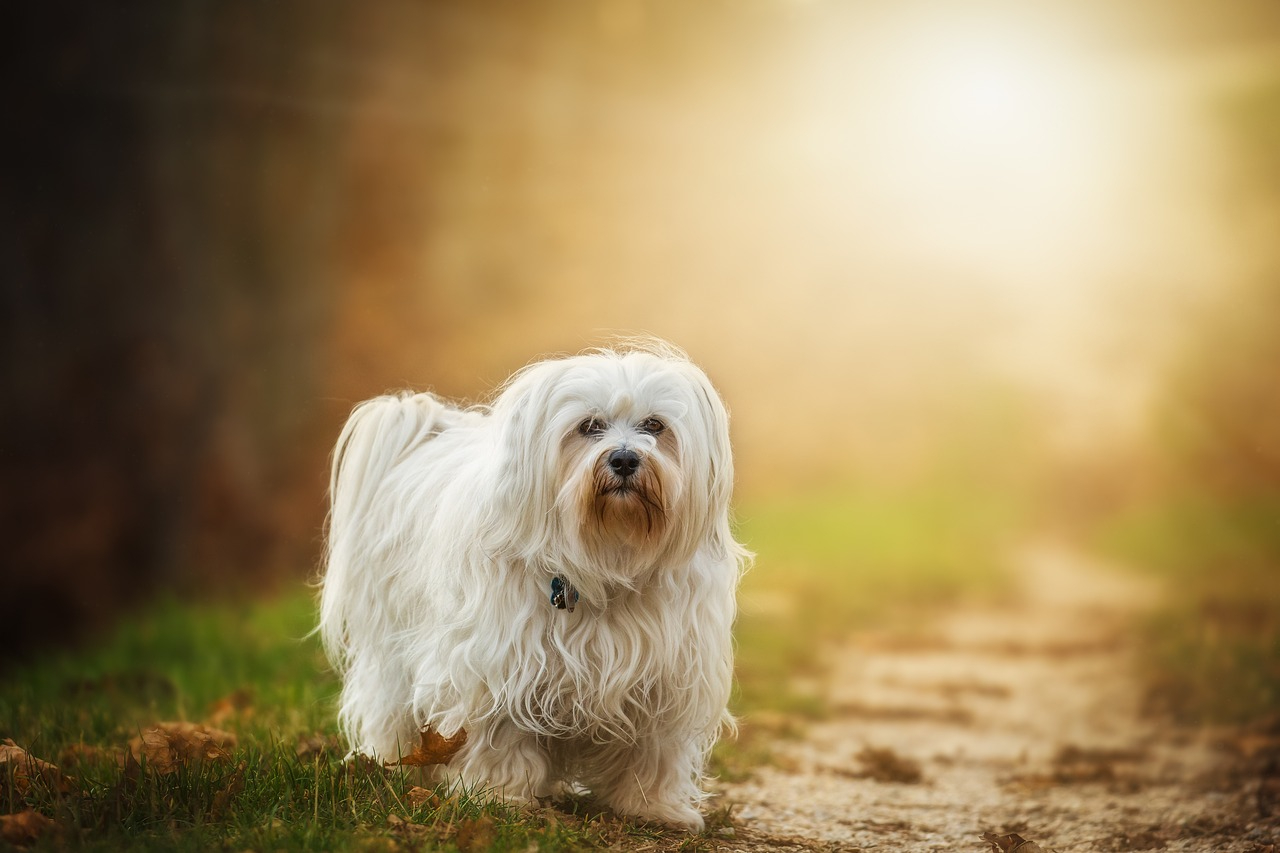
The Havanese is a small breed with a long, silky coat that can be wavy or straight. Poodles are bigger than Havanese, which means that the Havanese are slightly smaller than the Havapoo at a height of 8–13 inches and weighing in at 7–13 pounds.
They have a cute, expressive face with dark, almond-shaped eyes and a black nose. The breed comes in a variety of colors, including white, brown, black, tan, and various mixes of these colors. They have a sturdy build, springy gait, and a tail that falls over their back, adding to their overall charm!

Personality & Temperament
Like the Havapoo, the Havanese are generally friendly dogs that are smart, loving, and full of energy! Bred for companionship in Cuba, the Havanese love spending time with their owners and work well with children.
They are extremely affectionate and love being the center of attention, so you might find them barking to catch your attention. When early trained and socialized, Havanese can grow up to be excellent and well-mannered family dogs.
Like the Havapoo, however, they do not do well with being alone and can easily develop separation anxiety. They work well with other pets, so getting another pet as a companion can help them relax if they’re feeling lonely.
Grooming Requirements
Regular grooming is essential for the Havanese due to their long, silky coat. They are minimal shedders, so they still need their coat brushed two to three times, along with regular bathing to maintain a healthy coat. Their coats also require occasional trimming to prevent them from growing too long, which can make them uncomfortable. Just like the Havapoo, the Havanese is also considered hypoallergenic.
Additionally, their ears should be checked and cleaned often to prevent infections.
Training
Havanese dogs are intelligent balls of energy that love to learn new things. They love playing and spending time with their owners, so positive reinforcement is key to training your Havanese.
The Havanese can also have a stubborn streak and may have a hard time adjusting to new things, so it’s best to start training and socializing your Havanese at a young age by exposing them to different places, people, and even other pets!

Exercise
As a small breed, the Havanese does not need a lot of exercise to stay properly stimulated. They are energetic and playful dogs that only require 30 minutes of exercise a day to keep them fit and healthy. They can easily meet their exercise requirements through daily walks and playtime indoors or in a fenced yard.
However, it’s important to prevent them from becoming overweight by monitoring their diet and providing enough activity to keep them mentally stimulated.
Health & Lifespan
The Havanese is also a generally healthy breed. If kept healthy, properly exercised, and provided with a nutritious and balanced diet, they can live up to 13–16 years!
The Havanese however, are prone to health concerns, such as Legg-Calvé-Perthes disease, cataracts, liver shunts, patellar luxation, and hip dysplasia. Routine veterinary check-ups are essential in monitoring your Havanese’s health.
Suitable For:
Havanese are suitable for families with kids and other pets because of their sociable, playful, and loving nature. They are small-sized dogs that can live in houses and apartments, but it is important to note that Havanese can bark frequently, which can be unsuitable for quiet neighborhoods or apartment living. As hypoallergenic dogs, they are also suitable for people with dog allergies.
They are easily trainable with a stubborn streak, so they may be slightly more difficult to train than the Havapoo, but are still generally easy to train. They are also not suitable for households with people who are away for most of the day because of their separation anxiety, so this makes them the perfect dog for seniors that love to spend time with a small bundle of joy.
Which Breed Is Right for You?

Both the Havapoo and Havanese are small-sized dogs that make excellent family dogs. Both are friendly, sociable, and can easily get along with children, seniors and other pets. They work well with any type of household and are also great options for people who are sensitive to allergies.
The Havanese is a recognized pure breed dog, while the Havapoo is a mix between the Havanese and Poodle. Because of this, the Havapoo can be slightly larger and somewhat easier to train than the more stubborn and louder Havanese, but both breeds of dog are easily susceptible to separation anxiety and can’t be left alone for long periods of time.
Overall, both the Havapoo and Havanese are highly intelligent and loving dogs that are sure to make you and your family happy!
Featured Image Credit: Top – Havapoo (Supreme Shots, Shutterstock) | Bottom – Havanese (Dennis Bautista, Pexels)