In this article
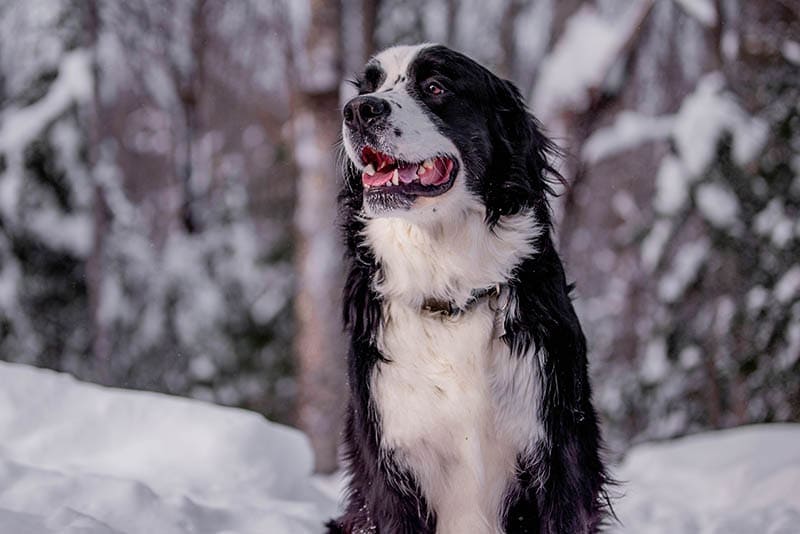
View 8 More +Berniefies are mixes of Bernese Mountain Dogs and Newfoundlands. They’re likely to be enormous, and a Berniefie can weigh 90 to 150 pounds. They’re mixes of two mellow breeds known for being fantastic with children, so you can expect Berniefies to show the same kind of loving patience as well.
Breed Overview
Height:
25 to 29 inches
Weight:
90 to 150 pounds
Lifespan:
7–10 years
Colors:
Brown and black, white and brown, white and black, brown, tricolor
Suitable for:
Active families able looking for a large, devoted companion
Temperament:
Loyal, protective, and devoted with moderate physical activity needs
Berniefies are mixes of two purebred pedigree dogs, which can make it difficult to predict how one will look or develop temperament-wise, as dogs with mixed parentage generally demonstrate a range of traits from both parents. But if both parent breeds share similar qualities, chances are good, but not 100%, that mixes of the two will also have similar traits.
Newfoundlands and Bernese Mountain dogs have lots in common regarding size, exercise needs, and temperament. Berniefies are likely to be large, mellow, devoted dogs that love to be cuddled.
Berniefie Characteristics

Berniefie Breed Puppies
Even as puppies, Berniefies can be larger than some small dogs. Newfoundland puppies can weigh more than 60 pounds when they’re just 6 months old, which is quite a bit considering that the adorable dogs are still learning to control their impulses and enthusiasm. And because both parent breeds typically reach maturity at 2 years old, Berniefies are likely to mature relatively late as well.
Berniefie puppies will almost certainly require special attention regarding food, diet, and exercise due to their size. All large-breed puppies need to eat special diets to ensure they don’t grow too quickly, which can cause damage to their growing bodies by putting too much strain on their joints and bones.
Puppy food formulated for large breeds provides the additional nutrients puppies need while keeping their growth within healthy limits. Large and giant breed puppies generally need to eat special food until they’re fully grown.
And they won’t be able to run and jump around with abandon until their bodies are fully developed. Large-breed puppies can safely enjoy low-impact activities on their growing joints. Slow walks are fine, but Berniefies won’t be able to head out for serious romps until they’re around 2 years old.

Temperament & Intelligence of the Berniefie
Newfoundlands and Bernese Mountain dogs are mellow and devoted dogs known for their sweet devotion to children. Berniefies will likely exhibit a similar blend of patience and laid-back gentleness toward kids. Bernese Mountain Dogs and Newfoundlands were bred to work independently, and Berniefies are usually intelligent and trainable.
Are These Dogs Good for Families? 🧑🧑🧒
Berniefies will likely do well with families, particularly those who enjoy including pets in their regular activities. Newfoundlands and Bernese Mountain Dogs are known for their almost preternatural abilities to get along well with children, and the chances are high that most Berniefies will do just fine around kids. Because they’re likely to be sensitive, Berniefies may do best in homes where someone is home all the time.
Does This Breed Get Along With Other Pets?
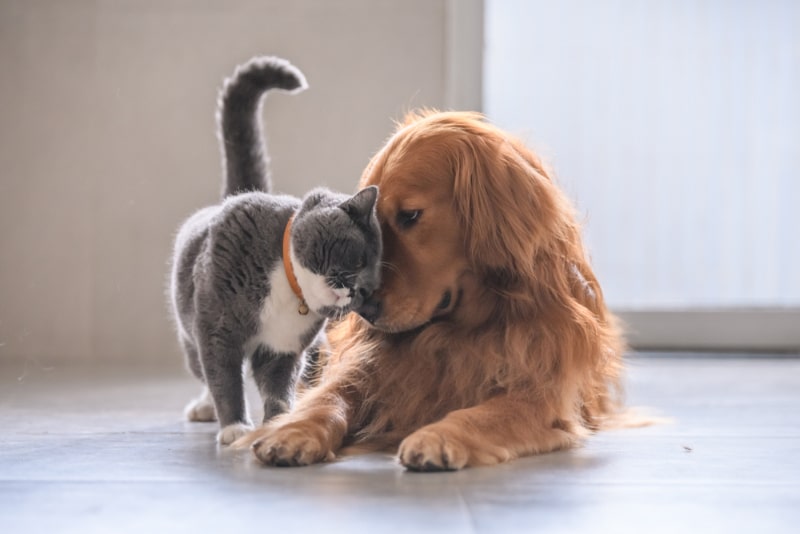
There’s a good chance that any Newfoundland-Bernese Mountain dog mix will be well-behaved around cats and dogs. Newfoundlands and Bernese Mountain dogs are known for getting along well with cats, particularly those they grow up around. And Berniefies are likely to get along well with other dogs since neither of the parents is known for displaying aggression. Early socialization is essential, so these gorgeous but huge dogs learn to behave around people and animals in different situations.

Things to Know When Owning Berniefie:
There are a few things to consider if you’re adding a Berniefie to your family. While these dogs often make wonderful family members, they’re quite large, which creates a few distinct challenges regarding their diet and exercise. Keep reading to learn more about caring for a Berniefie.
Food & Diet Requirements 🦴
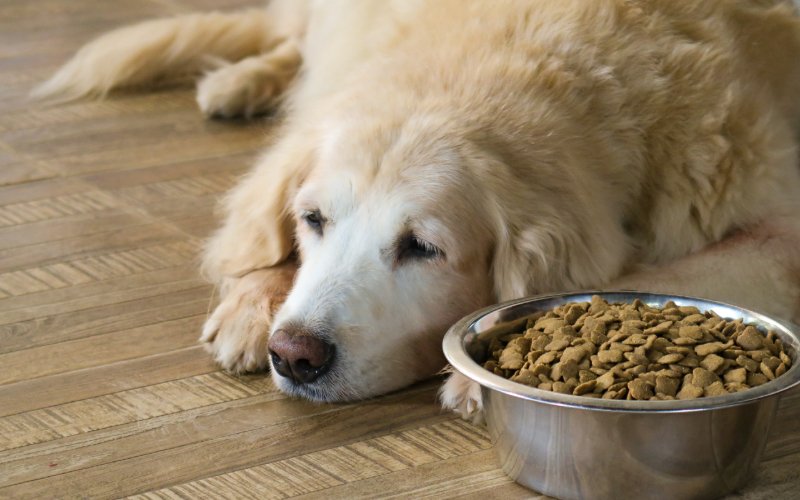
Berniefies require a substantial amount of food to have their nutritional needs met. Newfoundlands and Bernese Mountain Dogs are considered large breeds, meaning they have special dietary requirements. Large-breed puppies need to eat food designed to limit growth or risk developing joint and skeletal problems. Large-breed adult dogs generally do best when eating brands that provide sufficient calories and nutrients.
Plan to spend a good amount of money on dog food! Look for dog food brands that meet your dog’s life stage requirements and adhere to the nutritional guidelines established by the American Association of Feed Control Officials (AAFCO).

Exercise 🐕
Berniefies are likely to have relatively modest exercise requirements. Newfoundlands and Bernese Mountain Dogs do fine with 30 to 60 minutes of daily physical activity. Remember that large-breed puppies shouldn’t stress their growing joints with intense exercise. Due to their heavy bodies and thick coats, Berniefies may become uncomfortable when exercising in hot weather.
Ensuring your dog gets enough physical activity is essential to supporting their mental health and preventing them from becoming anxious. Regular walks and other activities can also help keep Berniefies nice and trim, which is critical for optimal joint health in large breeds.
Training 🎾
Solid obedience training and socialization are critical for large dogs like Berniefies because enthusiastic, uncontrolled, yet well-intentioned behavior can do more damage due to the sheer size of these dogs. Newfoundlands and Bernese Mountain Dogs are happy to learn, but Berniefies with particularly Newfoundland-like personalities may sometimes be a bit stubborn.
Berniefies are often incredibly sensitive and, at the same time, eager to please. Most are happy to learn when sufficiently motivated by positive reinforcement in the shape of treats and praise. Punishment and scolding often do more harm than good to these sensitive dogs. Starting early with the basics often makes dogs more receptive to training. Keep in mind that large puppies mature slower than smaller breeds.
Grooming ✂️
Newfoundlands usually have thick, dense, double coats that rest between medium and long. They generally require at least weekly brushing to keep tangles at bay and shedding under control. Bernese Mountain Dogs have thick, medium-length, silky coats that also need a fair bit of attention.
They also benefit from regular baths. Berniefies are likely to require extensive grooming. Like all dogs, they should regularly have their teeth brushed and their nails clipped. Many veterinarians recommend brushing your dog’s teeth at least 2 or 3 times a week. Most dogs need to have their nails trimmed once a month or so.

Health and Conditions 🏥
Berniefies are a relatively new and rare mix, so veterinarians are still learning whether there are any specific conditions the breed is prone to developing. But mixed dogs like Berniefies can develop most of the conditions seen in each of their parent breeds.
Bernese Mountain Dogs and Newfoundlands are prone to develop conditions such as bloat, in which a dog’s stomach becomes swollen and twisted. It’s often caused by dogs eating too quickly or exercising too soon after meals. It’s prevalent in large dogs with deep chests. Large dogs such as Berniefies are also prone to developing joint problems such as hip and elbow dysplasia.
Newfoundlands are at increased risk for certain types of bone cancers and dilated cardiomyopathy (DCM. Bernese Mountain Dogs can develop histiocytic sarcoma, so Berniefies are likely at increased risk as well.
- Allergies
- Obesity
- Dental disease
- Histiocytic sarcoma
- Osteosarcoma
- Dilated cardiomyopathy (DCM)
- Hip dysplasia
- Elbow dysplasia
Male vs Female
Male Newfoundlands are larger than their female counterparts, and females are often considered to be more independent. Males often have stronger protective tendencies as well. While female Bernese Mountain Dogs tend to be smaller than males, the difference is less pronounced than in Newfoundlands. Male Bernese Mountain Dogs are often described as more predictable than females. It can be difficult to anticipate how or if these tendencies will manifest in Berniefies.

3 Little-Known Facts About the Berniefie
1. They’re Often Champion Droolers
Bernese Mountain Dogs and Newfoundlands are known for being skilled droolers, and Berniefies may inherit the unpleasant trait.
2. Their Newfoundland Parents Have Lifesaving Heritage
Newfoundlands have skills as water rescue dogs; they’re even strong enough to save a grown human from drowning. Newfies are home in the water thanks to their water-resistant coats and webbed feet.
3. They’re Incredibly Strong
While Newfoundlands were valued for their skills in the water and Bernese Mountain Dogs for their herding abilities, both were also used as draft animals.
Final Thoughts
Berniefies are likely to make great companions if you have sufficient room to keep them comfortable and enough money to pay for the mountains of food they need to eat. The giant dogs require a large quantity of kibble to stay fed, which can add up to a substantial amount of money over time. And at 90 to 165 pounds, these large beauties require plenty of space just to hang out.
However, Berniefies generally make wonderful family dogs that are gentle, patient, and loving with children. Neither Newfoundlands nor Bernese Mountain Dogs have particularly high prey drives, so Berniefies are likely to get along well with kitties. And there shouldn’t be too much to worry about when it comes to other dogs either, as Berniefies are inclined to be laid-back and accepting.
While they don’t require much physical activity, Berniefies need regular walks and benefit from lots of opportunities to play and have fun. However, remember that large-breed puppies can only engage in limited physical activities until they’re fully grown, which takes a few years.
Featured Image Credit: Beatrice Foord-St Laurent, Shutterstock