Are Australian Shepherds Good Hunting Dogs? Vet-Reviewed Breed Facts & Characteristics


In this article
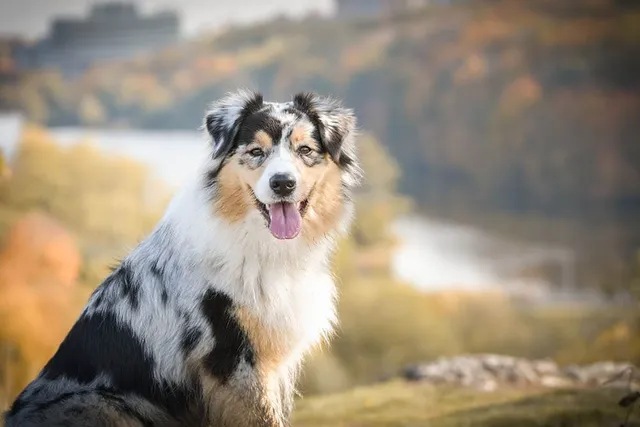
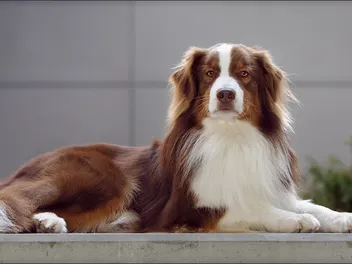
Australian Shepherds are intelligent, athletic, medium-sized herding dogs. They are often associated with ranching and Western culture in the United States, and some are seen at rodeo events and demonstrations.
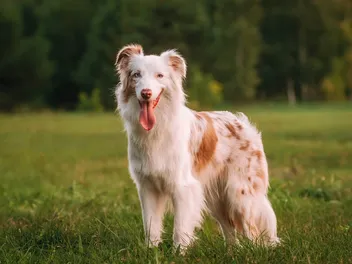
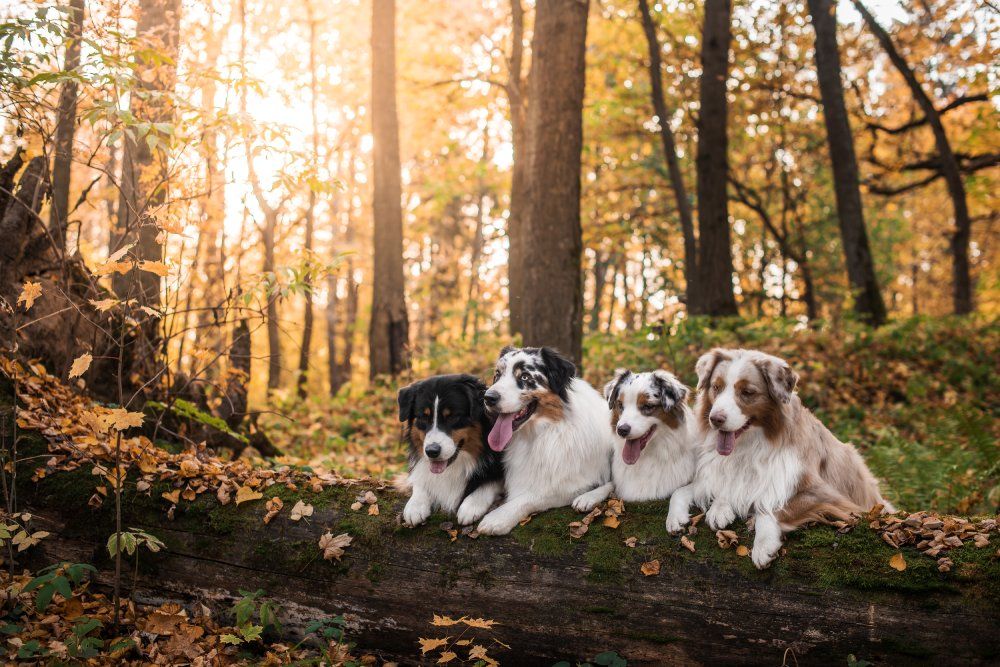
Affectionately known as Aussies, these incredibly trainable dogs come in various colors, including black, blue merle, red, and red merle. So are Australian Shepherds good hunting dogs? While they're best known for their herding abilities, Australian Shepherds can sometimes be trained for hunting-related tasks, though they are not a traditional hunting breed. They are also used as therapy dogs and in search-and-rescue work, and some may be trained for detection roles.

Are Australian Shepherds Good Hunting Dogs By Nature?
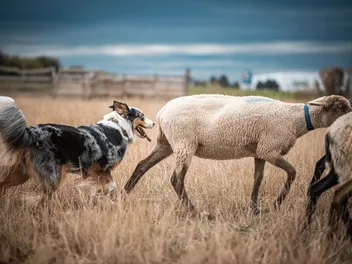
No—they were bred to herd, not to hunt. However, because they are intelligent, athletic, and energetic, they can be trained for a variety of working tasks, though they are not naturally specialized hunting dogs. They enjoy being active outdoors and are highly trainable, but they are not typically used as dedicated hunting dogs.
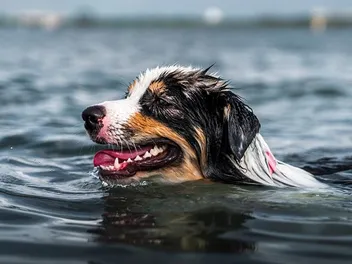
Because of their herding background, Australian Shepherds are not well-suited to hunting small mammals like rabbits, unlike traditional hunting breeds. Many individuals may enjoy water, and water preference varies by dog rather than breed. They also do not naturally possess the “soft mouth” associated with retrievers, as this is not a selected trait in the breed.
Some Australian Shepherds may show prey drive, but their primary instinct is herding rather than hunting, so their usefulness in hunting contexts depends heavily on individual training and temperament rather than breed tendencies.

Do Australian Shepherds Come from Australia?
No. However, they have a history connected to “the Land Down Under." Australian Shepherds are believed to have developed in the United States from a mix of herding dogs, including Collie-type breeds brought by immigrants.
In the 1800s and early 1900s, shepherds from regions such as the Basque Country emigrated to countries including Australia and later the United States, bringing their working dogs with them. These dogs contributed to the development of various herding lines, which were further refined in the U.S.
Ranchers in California admired the overall toughness and herding skills of the medium-sized, incredibly tough dogs, and the Australian Shepherd soon became the ranchers’ dog of choice. California ranchers began calling the dogs Australian Shepherds.
Are Australian Shepherds Good Family Dogs?
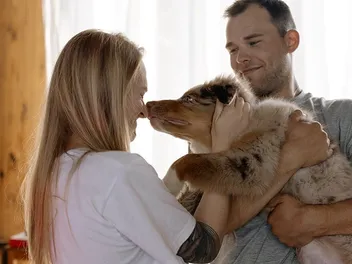
Absolutely. They typically bond deeply with their favorite humans and are known for being particularly protective of those they love. While they tend to be good with kids, their herding instinct can sometimes lead to problems with cats and other dogs, making good training a must for this breed.
They're energetic and are happiest in homes where they get plenty of exercise. They are not the best dogs for those looking for a quiet pet that loves cuddles. Some Australian Shepherds are surrendered because their former owners couldn't keep up with their dog’s exercise demands. However, if you're interested in adopting a rescue dog, you're in luck; several Australian Shepherd rescue organizations with dogs are available for adoption!
Because they're intelligent, Australian Shepherds can be challenging for inexperienced pet owners. The breed is often better suited for active, experienced dog owners. Many are food-motivated and may learn quickly how to access treats if not managed properly.
They may open cabinets and even unzip backpacks if the reward is yummy enough. While they have a medium-length double coat, they do shed moderately to heavily, especially seasonally. Weekly brushing is usually sufficient for maintenance, but they often require more frequent grooming during shedding periods.
They don't have special nutritional needs, tend to live anywhere from 12 to 15 years, don't drool or snort, and aren't prone to excessive barking. Australian Shepherds need plenty of physical exercise and mental stimulation to stay content, healthy, and out of trouble.
They're happiest when working with their favorite human or engaging in mentally stimulating activities such as training or solving food puzzles. Aussies are a bit protective, which is a characteristic that often becomes more pronounced in animals that aren't well socialized as puppies.

Are Australian Shepherds Prone to Any Diseases?
Yes, but that's true of most purebred dogs. Australian Shepherds are predisposed to hip dysplasia and may have higher rates of conditions such as epilepsy and cataracts compared to some other breeds. However, they are generally considered a relatively healthy breed, though they still require regular preventive veterinary care. Yearly veterinary visits, high-quality food, and regular tooth brushing are usually enough to keep the hardy breed healthy.
If you decide to adopt an Australian Shepherd puppy, thoroughly check out the breeder you purchase your animal from and make sure to select one who has well-kept records and can provide documentation showing that the parents have been tested for common hereditary conditions seen in the breed.
Conclusion
Australian Shepherds are some of the smartest and most energetic dogs. These medium-sized athletic beauties are generally healthy, but they do require regular grooming due to their moderate to heavy shedding. They need mental stimulation and physical activity to be their best selves. While traditionally classified as herding dogs, some individuals can be trained for various working roles, though they are not naturally hunting companions.
Sources
Featured Image Credit: Alexandra Morrison Photo, Shutterstock
Expert dog care, straight to your inbox
News, insights, expert advice, and everything dog.

No spam — unsubscribe anytime.
By signing up, you agree to our Terms & Conditions and Privacy & Cookies Policy.
How useful was this post?
Click a star to rate. You can leave written feedback afterwards. (We read all feedback.)
Lorre Luther is a writer from Rotterdam. A former lawyer from the United States, she moved to the Netherlands to follow her dreams and become a writer. Lorre enjoys traveling and reveling in the astonishing beauty of our world. She has a soft spot for animals and is firmly convinced that cats are smarter than humans.