In this article
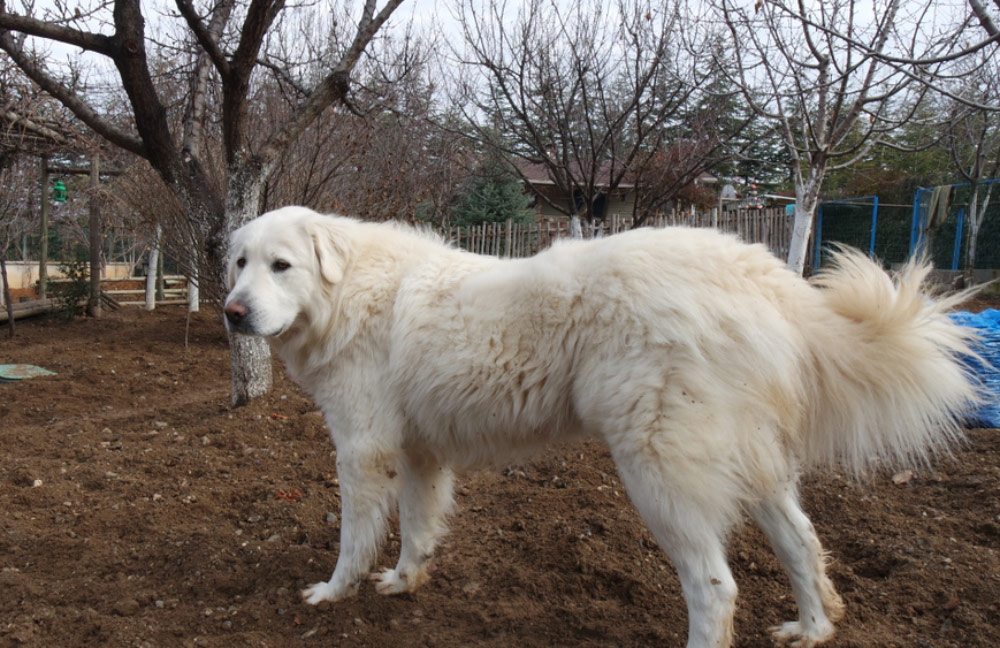
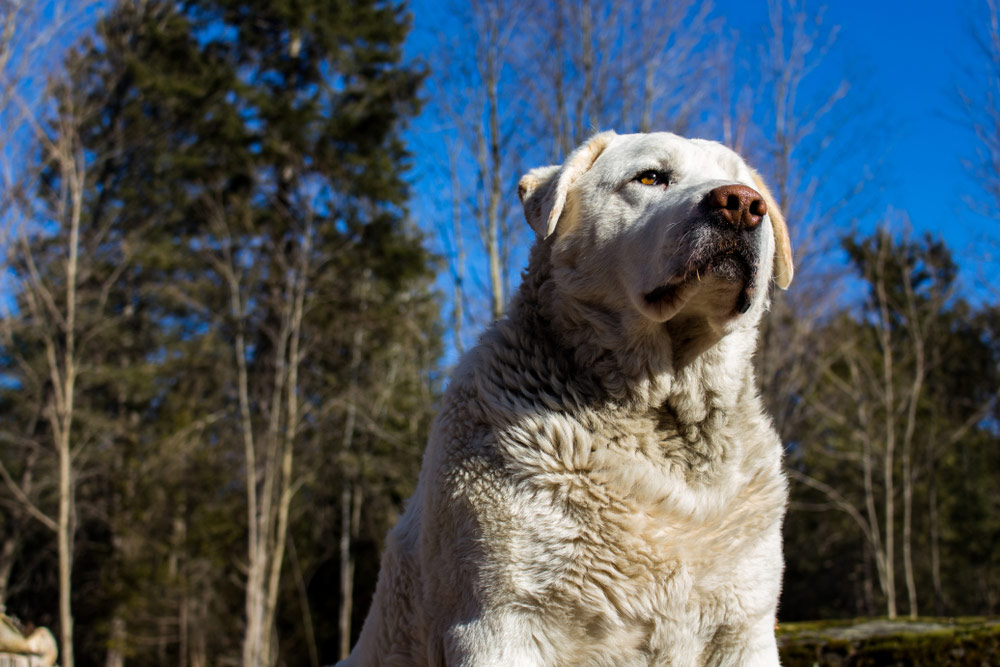
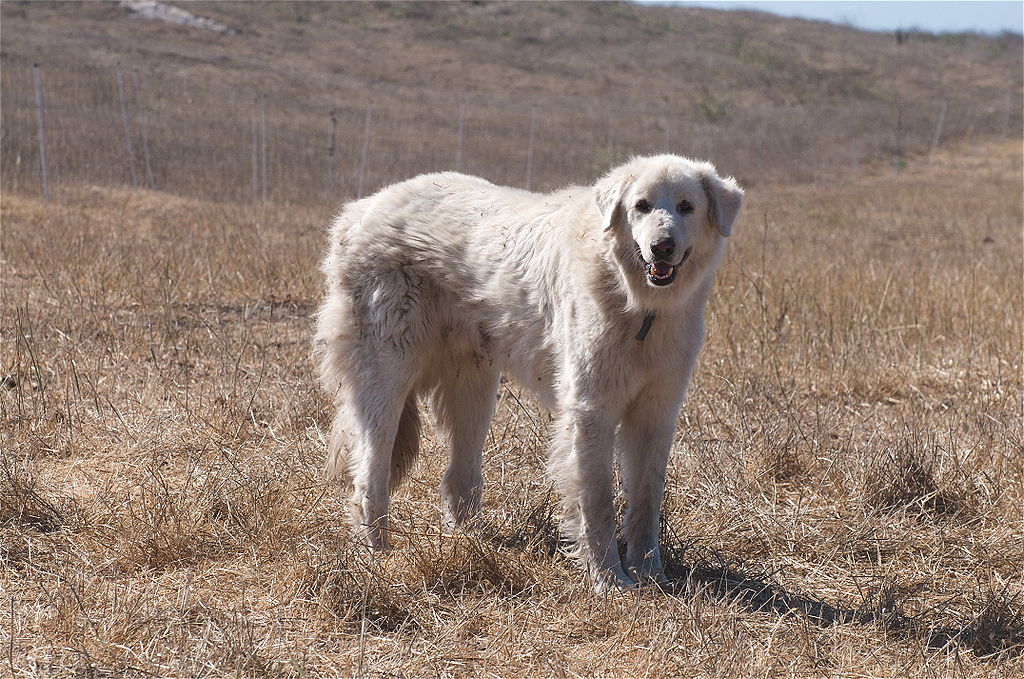
View 8 More +The Akbash is a little-known Turkish breed known for their quiet yet dignified watchfulness, amazing courage, and surprisingly mild temperament. This breed is strikingly always white with some limited tan coloring on their medium to shaggy double coat. They’re a little more wiry than the Great Pyrenees that they resemble but with a similar towering stature.
The Akbash is a very loyal dog that loves their family but is perfectly content hanging out independently too. Overall, Akbash are very adaptable, laidback large breeds that can make a great protective family guardian without demanding a huge amount of exercise. Let’s talk about these beautiful dogs down below in more detail so you can know what they’re like and how to take care of them.
Breed Overview
Height:
27 to 32 inches
Weight:
80 to 140 pounds
Lifespan:
10 to 12 years
Colors:
White
Suitable for:
Active families with older children, experienced dog owners, singles
Temperament:
Quiet, gentle, alert, protective, intelligent
The Akbash was bred in Turkey from sheepdog and sighthound stock to be a more watchful and independent guardian over livestock. Related to breeds like the Anatolian Shepherd and the Kangal Shepherd Dog, the Akbash was given their name from the Turkish word “akbaş,” meaning “white head.”
Akbash Characteristics

Akbash Dog Puppies
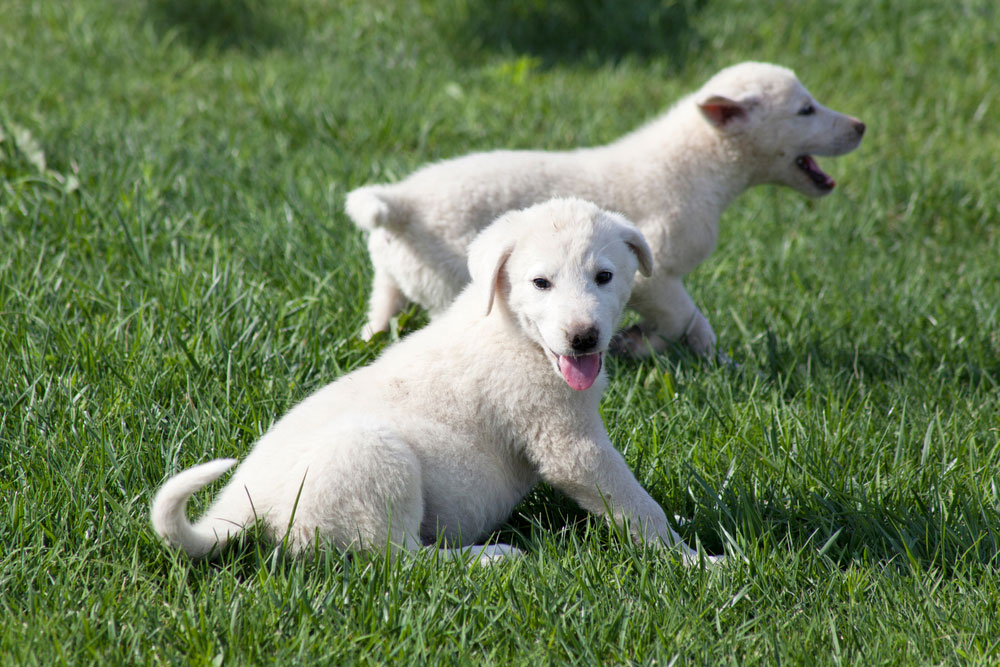
The Akbash is very rare and not recognized by the AKC, so you’ll have to look elsewhere for breeders. The Akbash Dog Association of America is a great resource to start with, connecting you with breed info, reputable breeders, and owners of the breed. Other than that, you’ll have to rely on social media groups devoted to the Akbash while doing your own research on the breeder.
Telling a good breeder from a bad breeder is difficult at a glance, which is why credentials and references are so very important.
Akbash Breed Origin & History
This breed is native to the plains and mountains of Western Turkey. They were bred as livestock guardians, and while their origins are a bit obscure, it is believed to be an ancient breed. Even though this is the Turkish counterpart of other guardian breeds in the Northern Mediterranean Basic, they possess a unique combination of gazehound and Mastiff characteristics.
In Turkey, these dogs were owned and bred by villagers and shepherds. They protected sheep from predators like wolves. Their recognition as a distinct breed only started in the 1970s, when two Americans, David and Judy Nelson, imported over 40 of them into the US and became the foundation stock for the breed in the US and Canada. It was in 1980 when the US Department of Agriculture introduced them to their Predator Control Program, where they excelled. A bit later, in 1998, they were recognized by the United Kennel Club.

Temperament & Intelligence of the Akbash
The Akbash was bred to be a watchful, independent, stoic protector for livestock in mountainous regions of Turkey, which translates surprisingly well to modern family life. They’re gentle giants with a kind heart, and their greatest joy in life is just spending time with you. They enjoy playtime but aren’t hyperactive and learn to see kids and other pets as members of the family flock they must protect.
This breed has a reputation for being a protector because they really don’t like strangers. Akbash are suspicious by nature of anyone they don’t know and will gladly voice their displeasure at unexpected arrivals. They can learn to be polite in public with training but prefer to be homebodies protecting their flock. Akbash are more independent than Velcro breeds and enjoy their own time away from you as well.
Are These Dogs Good for Families? 🧑🧑🧒
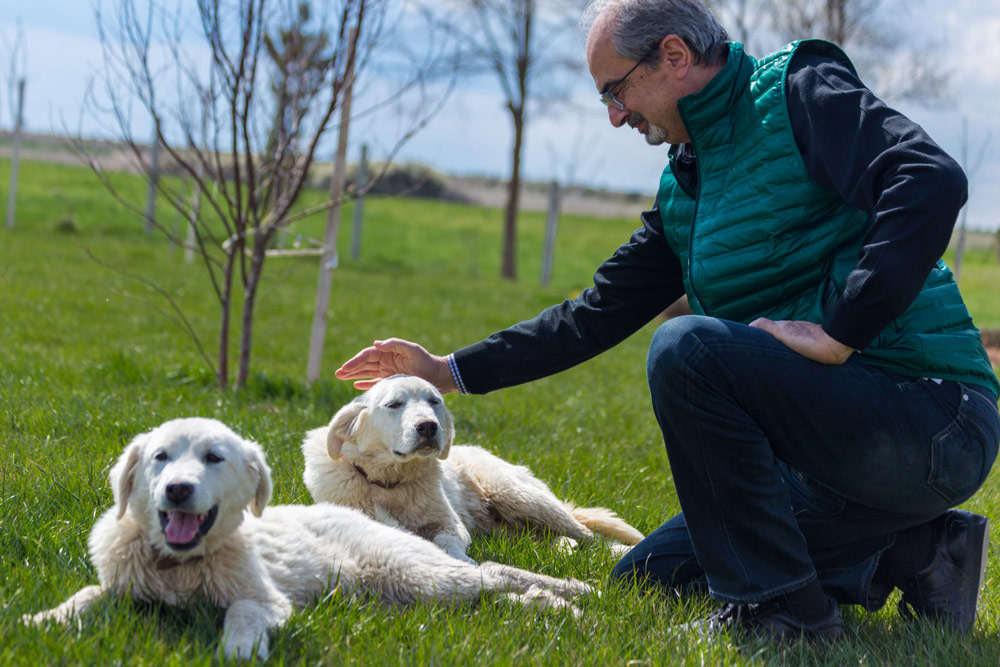
Akbash dogs can be great family protectors as long as they’re properly socialized from a young age, preferably raised around children. This is a very big breed that can easily knock young kids over, so we mainly recommend them for those with older kids or singles. They would even do well with an active senior, but they really benefit from someone with experience training dogs.
Does This Breed Get Along With Other Pets?
Yes, Akbash dogs can become very social with other dogs and even tolerate cats when raised around them. This is a guardian breed that’s always on the watch for threats, so they need to know who’s family and not. They may not play well with small prey animals or birds, but your mileage may vary. We suggest keeping your Akbash separate from other pets until they meet in a neutral, controlled setting and with extensive supervision.
Things to Know When Owning an Akbash
Food & Diet Requirements 🦴
Akbash dogs have a robust physique and sharp mind that needs the highest quality nutrition you can provide. They benefit most from a moderate protein intake of 22% to 28%, but puppies may need up to 32% or beyond. Your average complete and balanced dry dog food has this protein along with energy-fueling carbs, healthy fats, vitamins, and miscellaneous trace minerals. This breed does best with a diet of complete and balanced kibble and plenty of fresh water.
Exercise 🐕
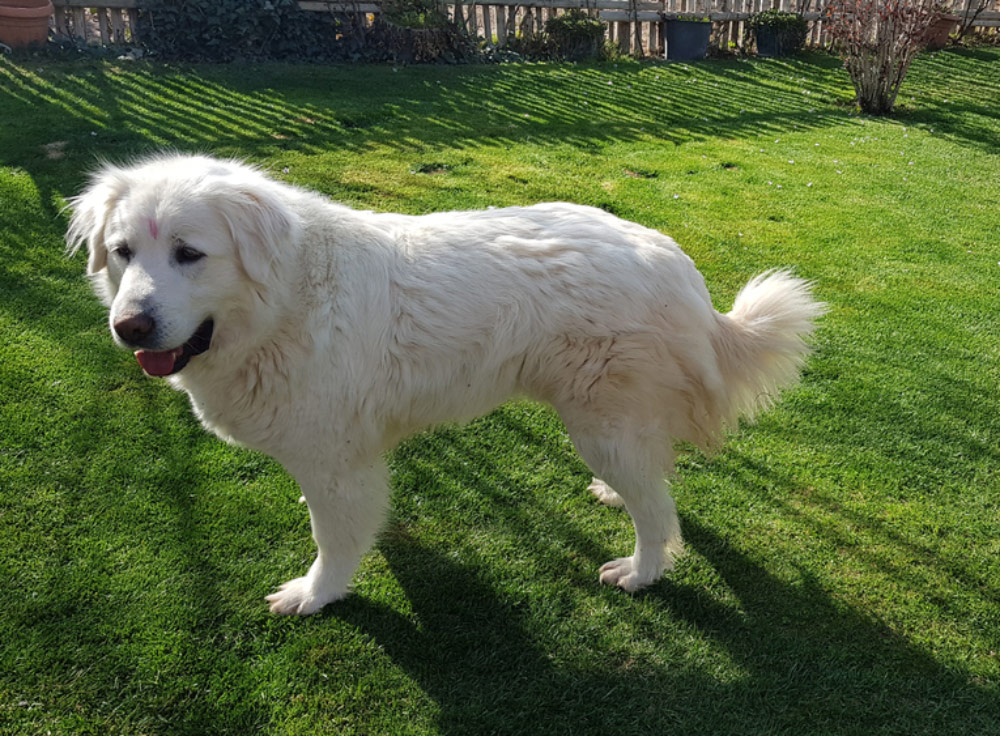
Akbash were bred to patiently watch and guard flocks of livestock, so they’re actually pretty low-energy for such a massive breed. Thirty minutes to an hour of exercise every day should be more than enough for them, but you’ll have to take it at your dog’s pace. Some dogs are more inclined to be couch potatoes while others are more active, so start on the low end and increase exercise as needed.
This is an intelligent breed that appreciates mental games to keep them busy inside even after they’ve had their walks for the day. Invest in fun, tasty games your Akbash can enjoy like snuffle mats to spice up mealtime or a peanut butter-stuffed Kong before a nap. Under-stimulated Akbash may get destructive, chewing up shoes or other small objects throughout your home. Make sure your dog has appropriate toys to avoid this and keep them safe from household hazards!
Training 🎾
The Akbash benefits from early obedience training and bark training early on because adults are known to be very vocal guardians who bark a lot. Start sessions slowly in short bursts to build positive reinforcement. For example, puppies can be rewarded for responding to their name. Leash training should be prioritized early before they get too big as well. This breed isn’t eager to please but will work for the right reward. Occasionally, they can have a stubborn streak, making firm handling and experience training dogs invaluable.
Discourage nuisance barking by teaching the “Quiet” command. It can take a while, but the basis is to wait for your dog to bark at a stimulus, say “Quiet,” and only reward them when they stop barking. Bark training can be challenging by yourself with a willful breed like the Akbash, so don’t be scared to hire a professional dog trainer for training help.
Grooming ✂️
Akbash coats range from medium to long, and they shed moderately throughout the year. A weekly brushing session with a sturdy double-sided brush should do the trick, but watch out for shedding seasons! They blow their coats during spring and fall to prepare for the upcoming hot/cold weather, respectively. Try to brush them twice a week during this time, and maybe buy a HEPA-rated vacuum cleaner to pick up the bulk of stray hair on your furniture.
Health and Conditions 🏥
Akbash dogs tend to be healthy with a moderate 10- to 12-year lifespan, but they do face a number of known significant health problems compared to other dogs. It’s important you be aware of these health conditions so you and your vet can stay on top of your Akbash’s health.
- Cardiomyopathy
- Eye problems
- Bloat
- Hypothyroidism
- Dysplasia
Minor Conditions:
- Cardiomyopathy: This treatable heart condition leading to a thinning in the walls of the heart is more common in Akbash dogs than in other breeds.
- Eye problems: Eye conditions like retinal dystrophy are more common in Turkish sheepdogs like the Akbash.
Serious Conditions:
- Bloat: AKA gastric torsion, this life-threatening emergency happens when deep-chested dogs’ stomachs fill with gas and twist.
- Hypothyroidism: This treatable hormonal condition causes subtle symptoms like fatigue, changes in appetite, and weight gain.
- Dysplasia: Large dogs like this one that get too much strenuous exercise during adolescence can suffer painful dysplasia during adulthood
Male vs. Female
Male Akbash dogs are noticeably larger at 120 to 140 pounds than females at 80 to 120 pounds with a more solidly built frame, whereas females are close to lean. Males are known to be more protective and active than females, who are more docile and social.
3 Little-Known Facts About the Akbash
1. They Were Bred to Fight Wolves
The Akbash became famous as a guardian of livestock in Turkey, but many don’t know that their main enemy was wild wolves! Interestingly, they were heavily bred for agility to be swift enough to keep up with wolves attacking their flock.
2. All Akbash are White
Unlike other dogs with a diverse color palette, the Akbash is exclusively white. UKC breed standards state some light coloring around the head is acceptable, but spots are a mark of crossbreeding. Silver-white to blue skin coloration is considered desirable on top of that strict requirement.
3. They’re Rare Outside Turkey
The Akbash is almost totally unknown outside of Turkey, where they still reside to this day. Outside of Turkey, they’re largely considered an exotic rarity. There’s little concrete information on the breed’s history, but internet anecdotes state the breed arrived in the US during the 1970s.
Conclusion
The bighearted Akbash lives to be your furry, drooly guardian, and their amiable family-oriented personality makes them a great choice if you can find one. They can be a little suspicious, but they quickly become cherished family members once you learn how to get on the same page with training.
Featured Image Credit: bektasaydogan, Shutterstock