Tibetan Mastiff: Dog Breed Info, Pictures, Care & Traits

In this article
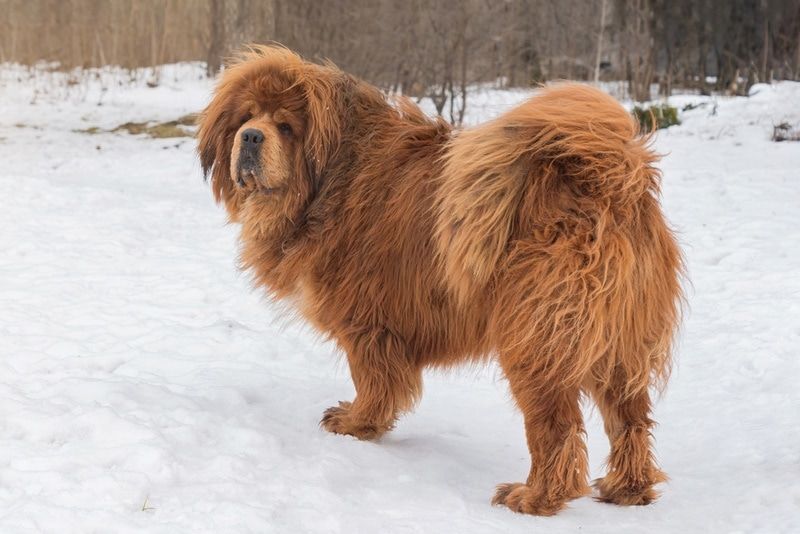
View 8 More +The Tibetan Mastiff is a giant dog breed that was originally used to guard livestock. Although still used as guardians for cattle, Tibetan Mastiffs are also popular pets, and they are regularly seen in the show ring. They can be hesitant around strangers but will typically follow the lead of their human, so they will quickly learn to love friends and new people when introduced properly.
Their size means Tibetan Mastiffs are somewhat prone to conditions like elbow and hip dysplasia, and their coat means they fare better in cold climates and might struggle in hot weather.
Breed Overview
Height:
Weight:
Lifespan:
Colors:
Suitable for:
Temperament:
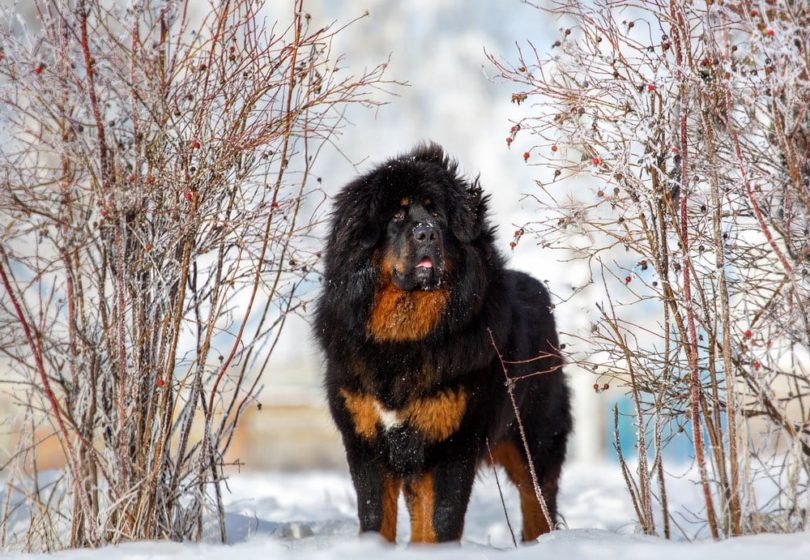
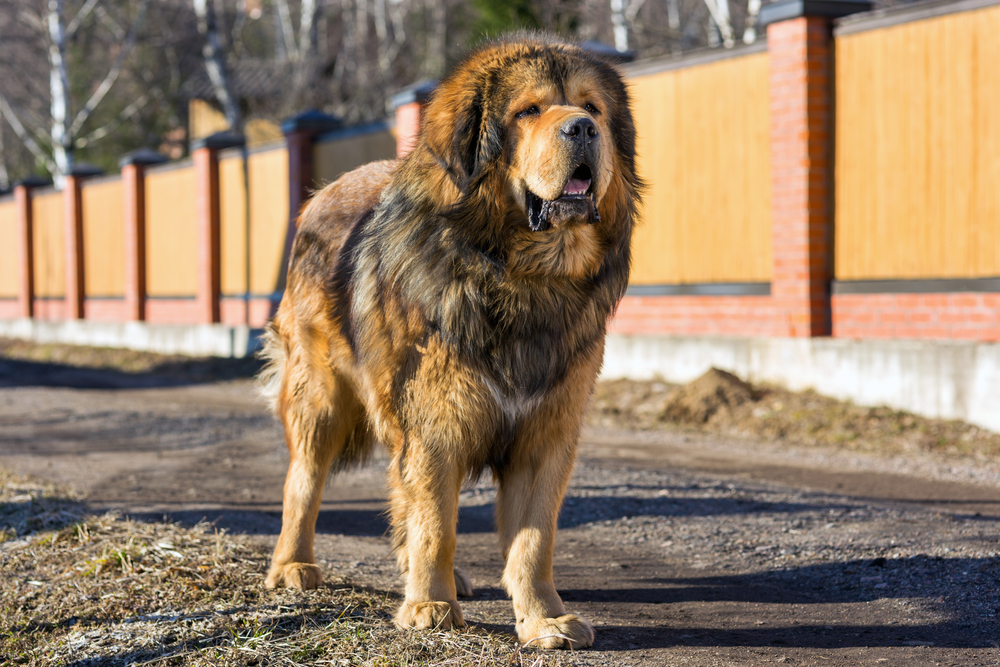
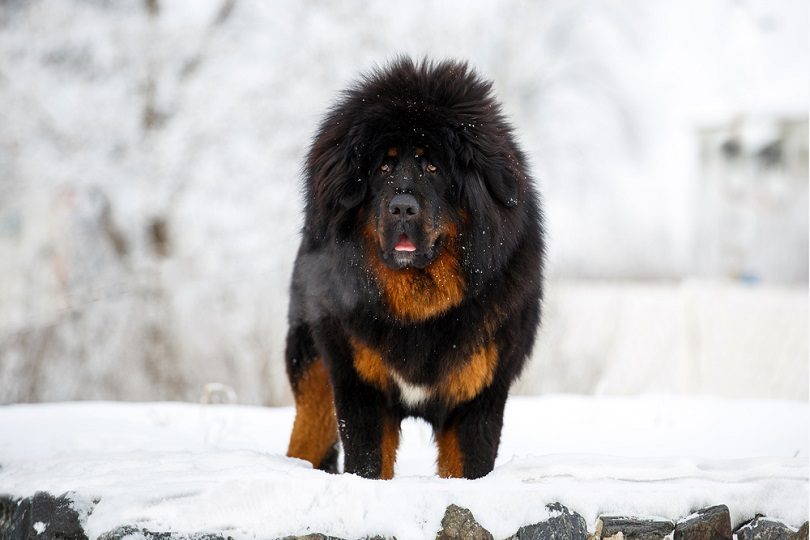
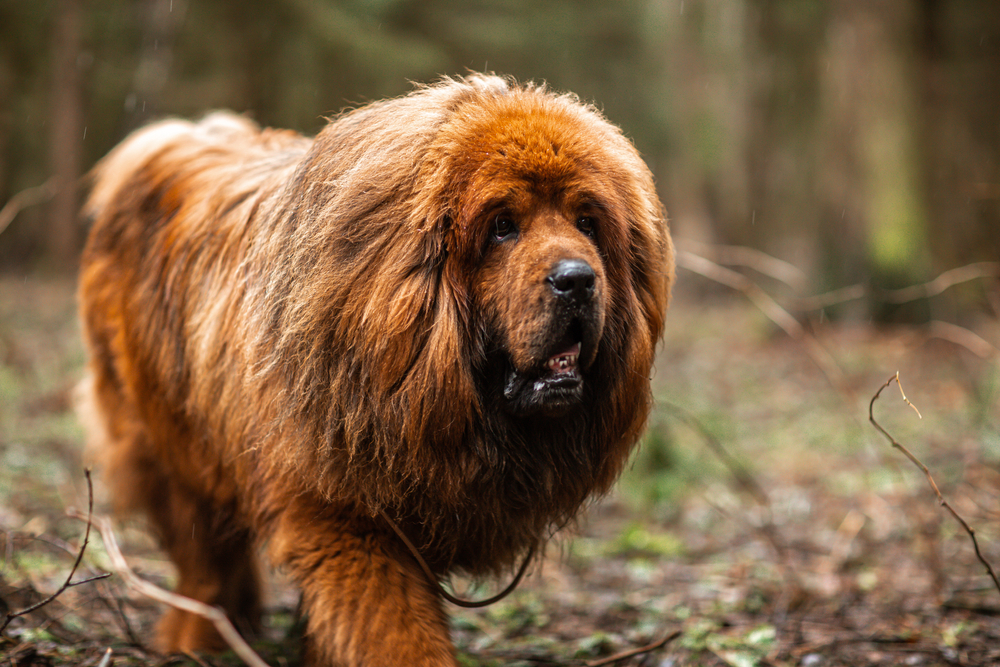
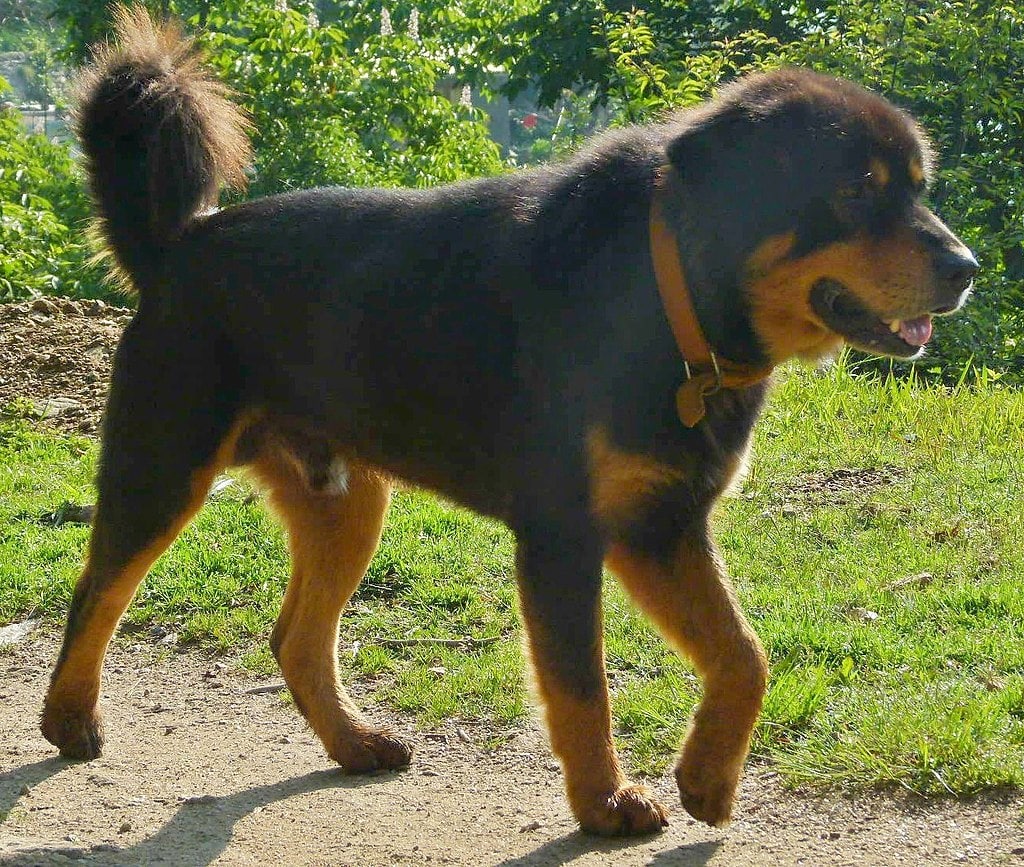
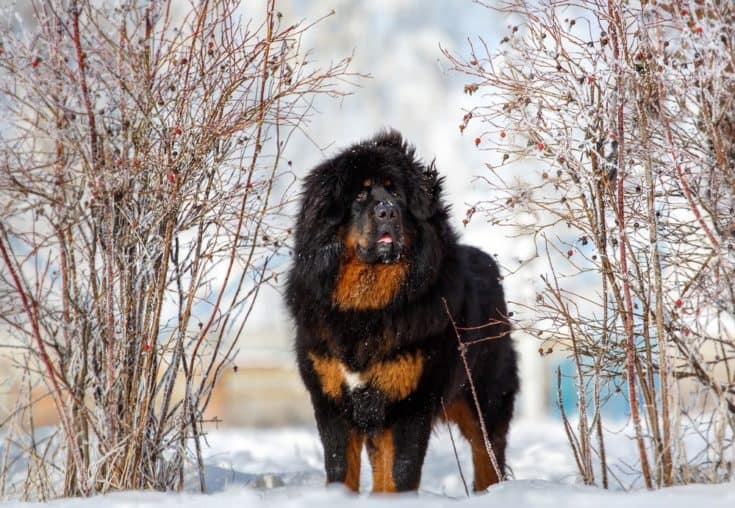
The Tibetan Mastiff is a huge, hairy dog that can weigh as much as 150 pounds and has a long, thick double coat. They are known for being affectionate and gentle with their owners, but they have a guarding instinct, which means they won’t always take to strangers easily. They tend to be driven by their owner and how they greet new people.
Although they are intelligent dogs, their guarding heritage means they are used to being given a task to do and being left to do it. Their independence can manifest as stubbornness, which means training can be more challenging and the breed may be best left to experienced owners.
Tibetan Mastiff Characteristics

Tibetan Mastiff Puppies

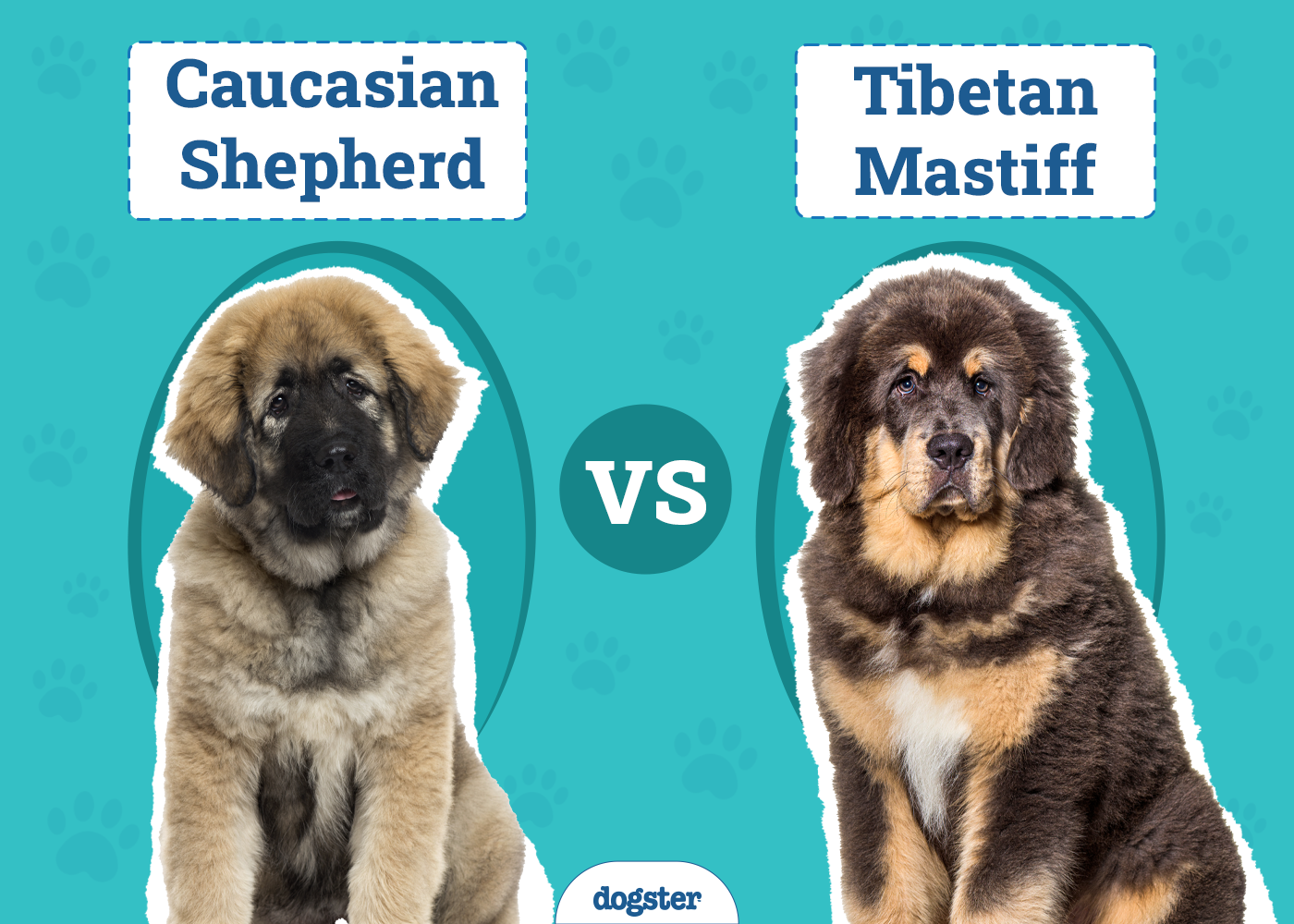
These are very big dogs, and as is typical with such large breeds, it takes a long time for the Tibetan Mastiff to reach its full size and maturity. Your Tibetan could keep growing until it reaches 2 years of age, despite only having a lifespan of up to around 12 years of age. But, while there will be a lot of growth to come, you should still expect your Tibetan Mastiff to be a big bundle of fluffy puppy that will need socialization and training from a young age.
The Tibetan Mastiff is a purebred, and it carries a big price tag. It is also quite a rare breed, with most owners preferring something on the smaller and less independent side. This rarity means that the Tibetan Mastiff can be difficult to find. You will have to cast a wide net to find breeders, and when you do find them, you will need to conduct thorough research to ensure they are reputable. Have the parents been screened for dysplasia and other big-dog problems? Have the puppies had any socialization other than with their mom? Have they met cats? Ask the breeder these and other questions to ensure that you will get a dog that fits into your family.
The Mastiff is a giant breed and even though buyers and owners know they can potentially weigh up to 150 pounds, it’s quite difficult to accurately assess this size without seeing it firsthand. As such, a lot of giant dogs end up in rescues. Their owners can’t handle the size, and once they start to struggle, training and socialization tend to be the first things to slip so unwanted behaviors manifest in the dog.
Although the breed is rare, it is worth checking with local shelters because you might be able to give a dog a new chance at a loving home.
Temperament & Intelligence of the Tibetan Mastiff 🧠
The size of the Tibetan Mastiff might be the first thing most people see, but look beyond that size and you will find a breed that is loving with family, and quite playful when the mood takes it. Owning one takes work and effort, but the breed can be the ideal dog for the right owners.
Most of the challenges of owning a Tibetan Mastiff are borne from the fact that they were originally bred to be livestock guardians. They were given a herd of animals to look after and left to their own devices. They would patrol and it was them that determined what was and wasn’t a threat, as well as how to deal with any perceived threat. A pet Tibetan Mastiff has this same independence.
The instinct to guard also still exists, which means that Tibetan Mastiffs can treat strangers with a degree of mistrust. You will need to be the one to show your dog who they can trust, and once they see this, they will learn to befriend visitors and offer them the same affection they offer you.
The size of this dog means that it isn’t suitable for life in a small apartment, and its strength means it needs a strong, capable handler. They can bark if left outside for long periods, although they don’t tend to be vocal when kept indoors as part of the family.

Are These Dogs Good for Families? 👪
The Tibetan Mastiff is very close to its family and is a loving and loyal pet. However, its guarding instinct can lead to territorial behavior which can be a problem with a dog of this size. The size also means that the breed may not be the best choice for families with small children. It only takes an accidental collision for a small child to get hurt and a 150-pound dog has the potential to hurt a fully grown adult, too.
Bigger children should be fine to live with the Tibetan Mastiff as long they are respectful of the dog’s boundaries. The protective nature of the breed means that a giant Tibetan Mastiff might deem it necessary to protect his children from other children who are visiting, which means that loud and rough games are a bad idea.
Does This Breed Get Along with Other Pets? 🐶 😽
They will usually get along well with other dogs in their family and are not usually aggressive with dogs outside the home unless they see them as a threat. They can also get along with cats, especially if they are introduced when the Mastiff is still young. Adult Tibetan Mastiffs will take longer to introduce but it is still possible to integrate them into an existing pet family.

Things to Know When Owning a Tibetan Mastiff:
The Tibetan Mastiff is a very large dog that has an independent streak, and it can be protective of its family and its territory. It generally requires an experienced owner who has a lot of time to spend working with the dog, but for those with the experience and knowledge, it can make a great companion that is loving and loyal. However, it is not the ideal breed for everybody.
Below, we look at some of the things you need to know if you are considering taking one on.
Food & Diet Requirements 🦴
This is a big dog breed and big dogs eat a lot. The Tibetan Mastiff will need approximately 4 cups of dry kibble a day. The actual amount you need to feed could be a little higher or lower than this, depending on the size of the dog, its activity level, and other factors.
If your vet advises you to feed more or less or put your dog on a specific diet, follow the vet’s advice. Be sure not to overfeed your Mastiff.
Mastiff breeds are prone to putting on excess weight, and an overweight dog is more prone to certain illnesses and health conditions that can reduce life expectancy and make life more difficult for everybody. This also means you need to consider the treats and extra bits of food you give. Treats should make up 10% of your dog’s daily calorie intake, at most, and you will need to reduce feeding levels accordingly. Choose healthy treats that are low in calories, sugar, and fat, if you do feed treats.

Always provide your dog with access to fresh drinking water.
Exercise 🐕
Although this is a large breed, it is also an active one and one that enjoys playing and exercising. Give two walks a day, totaling at least 60 minutes, and look for other ways to offer more exercise. The Tibetan Mastiff won’t typically do well in agility classes but can do very well in strength-based canine sports.
Training 🎾
Training is important with this breed. The independent streak can be difficult to control, especially if you don’t put time and effort into training. There will be times when the Tibetan Mastiff really doesn’t want to listen, and you will need to show persistence to get results.
Start training when you bring your dog home from the breeder or shelter. Look for positive behavior and reward it, rather than punishing bad behavior. If your dog feels you are being harsh, it will likely dig its heels and ignore you even more. Your Tibetan Mastiff will likely weigh around 150 pounds which means leash training is going to be essential. It won’t take much effort for your Mastiff to pull you where he wants to go, so you need to get leash walking mastered as soon as possible.
Socialization is also key to the positive development of your Tibetan Mastiff. And this, too, should start as soon as possible. Take your dog to puppy classes, as a means of socializing with other dogs and people. But don’t let the socialization end here. Go on walks to dog parks, mix up the routes you walk, and introduce your dog to new people and other animals when he is young. Continue with training and socialization throughout your dog’s life.

Grooming ✂️
The Tibetan Mastiff is a hairy dog. It has a double coat with a long coarse overcoat and a soft, wooly undercoat. Males tend to have more hair than females, but all Tibetan Mastiffs take a lot of grooming to maintain a healthy coat. The dog will need brushing two or three times a week, at least, to remove dead hairs. This is important despite the fact that the Tibetan Mastiff is known for being a light shedder. Yours may not shed seasonally.
You will need to brush your dog’s teeth three times a week, too. This helps prevent plaque and tartar buildup, which are the foundations of dental disease.
Trim nails when they are getting long enough that you can hear them clicking on the ground and check inside your dog’s ears regularly. Because the ears are covered by thick fur, they can harbor bacteria and they will need regular cleaning.
Health and Conditions 🏥
The Tibetan Mastiff is prone to many of the same problems as other giant breeds, which means you should keep an eye out for joint problems like hip dysplasia and elbow dysplasia. These occur when the bones of the hip or elbow do not align properly, typically because they have grown unevenly or out of place.
It can be painful and may also lead to the dog developing arthritis as it ages. An operation might be necessary, while pain medication can be used to treat the painful symptoms.
Male vs Female
When it comes to choosing sex, bear in mind the male will be bigger and is more likely to be territorial and protective of your family.
Males can be more playful while females are more likely to be independent, but it is down to the individual character of your dog more than its sex.

3 Little-Known Facts About the Tibetan Mastiff
1. They Are Not Heavy Shedders
When you first see the coat of the Tibetan Mastiff, it is understandable to think that it will shed a lot. However, the breed is used to living outdoors in cold conditions, and likely as a result of this climate, that thick coat is actually low shedding. Rather than shedding twice a year, the Tibetan Mastiff might shed once, but yours might not shed heavily at all.
However, that thick coat still takes a lot of care, provided through regular brushing.
2. They Are Typically Born in December or January
Tibetan Mastiffs only go into heat once a year, and this means that they only give birth typically in December or January. As such, if you are hoping to get a Tibetan Mastiff, you should start looking just before this time of year as you will likely need to get your name on a waiting list to ensure that you get one.
3. They Used to Work with Small Companions
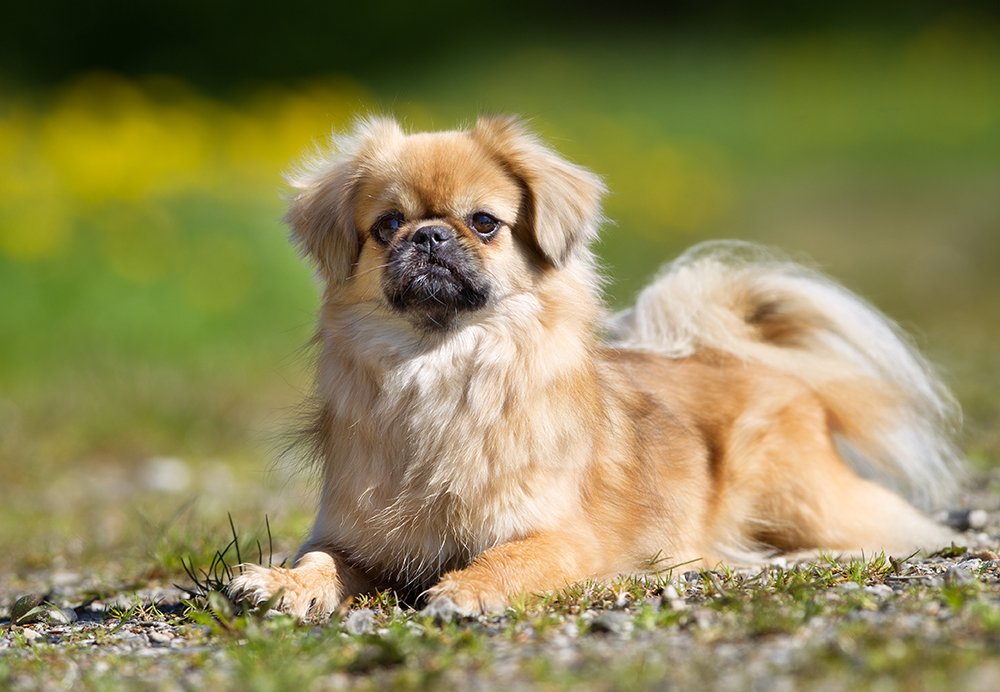
Tibetan Mastiffs are guardian dogs, and they are independent, but they actually used to protect livestock with the help of a smaller canine companion—the Lhasa Apso. The Lhasa Apso would patrol and bark if it saw anything it thought was threatening. On hearing this alert, the Mastiff would join the Lhasa Apso to look for any signs of trouble.

Final Thoughts
The most striking features of the Tibetan Mastiff are its incredible size, weighing up to 150 pounds, and that shock of fluffy hair. They make good family dogs, although their size means it is best not to keep them around small children. And they have an independent and somewhat territorial streak which means they are not an ideal choice for first-time owners.
Expect to put a lot of time into training and socialization, as well as providing ample walks each day, and ensure that the breed is not allowed to put on too much weight, or it can be very difficult to shed the extra pounds.
See also:
Sources
Featured Image Credit: mojahata, Shutterstock
Expert dog care, straight to your inbox
News, insights, expert advice, and everything dog.

No spam — unsubscribe anytime.
By signing up, you agree to our Terms & Conditions and Privacy & Cookies Policy.
How useful was this post?
Click a star to rate. You can leave written feedback afterwards. (We read all feedback.)
Matt is a freelance writer from the UK. He lives with his partner and daughter, as well as two cats and one dog. A data analyst by profession, Matt moved from numbers to words more than 15 years ago and has been writing ever since. Having volunteered at a local animal sanctuary, he has a lot of experience with dogs, cats, and horses. Matt has also kept bearded dragons, a variety of birds, fish, guinea pigs, hamsters, mice, and rats. His daughter has adopted the same passion for animals, keeping and breeding snakes. A geek at heart, Matt is a member of a local board gaming group and regularly forces his family to “enjoy” board games with him at home.