Collie Dog Breed: Info, Pictures, Care & More

In this article
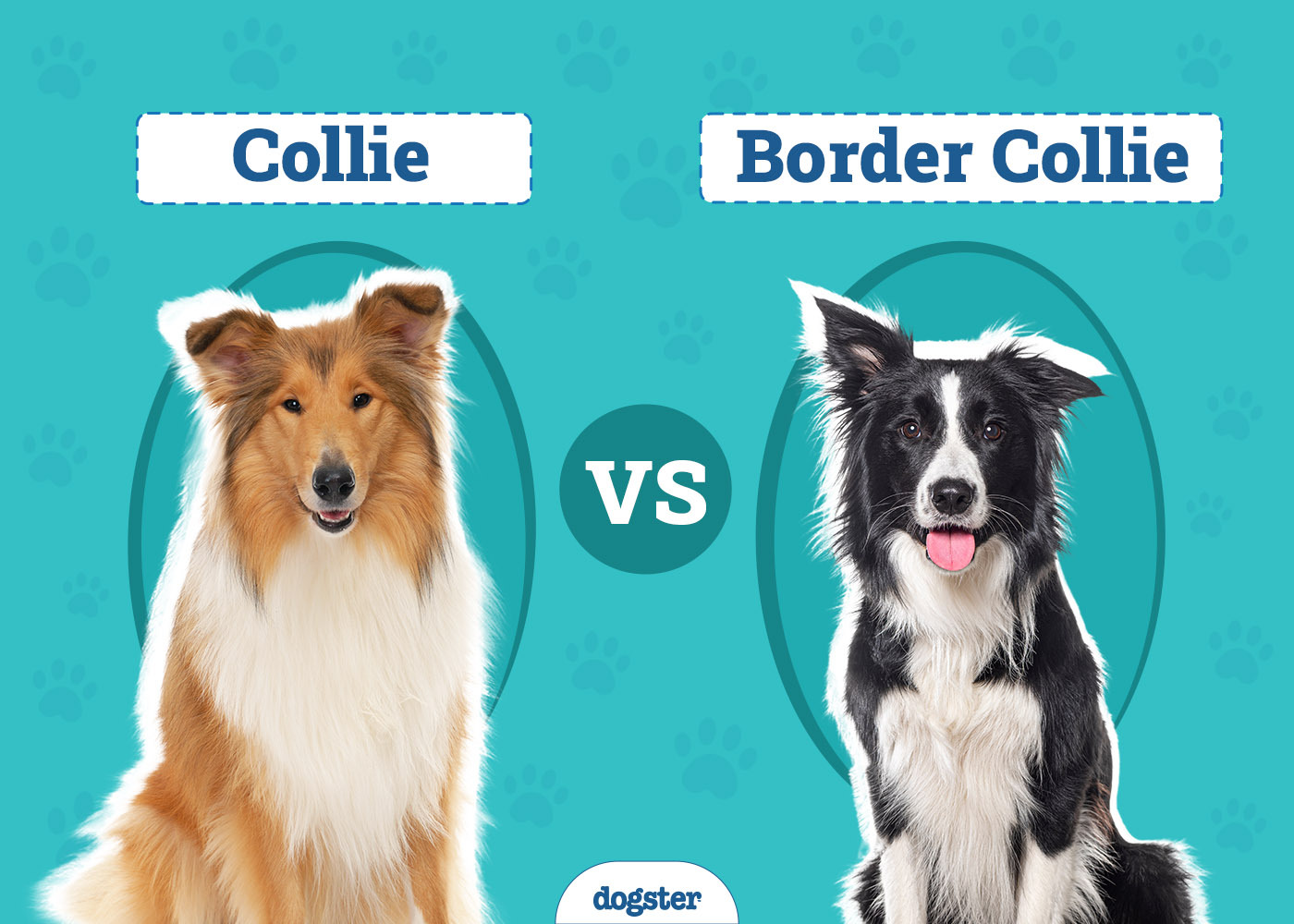
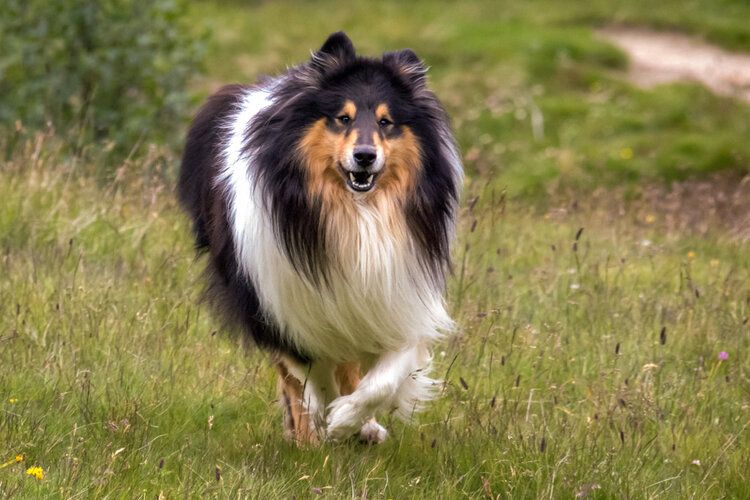
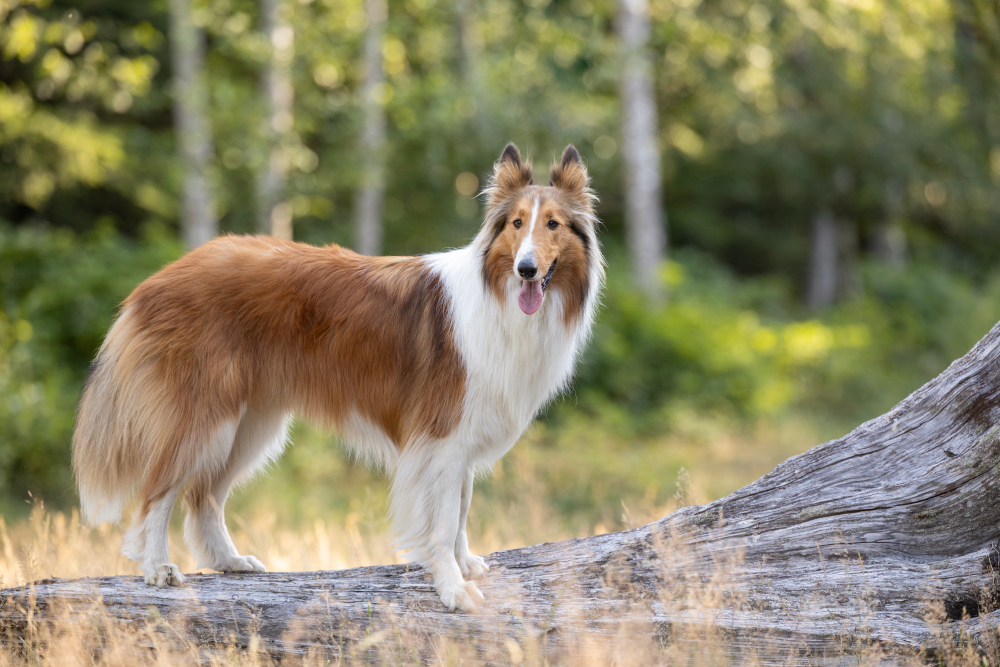
Collies are medium-sized herding dogs from Scotland and Northern England. They have a distinctive pointed snout and a white band around their shoulders. Like many herding dogs, Collies are exceptionally intelligent and hardworking.
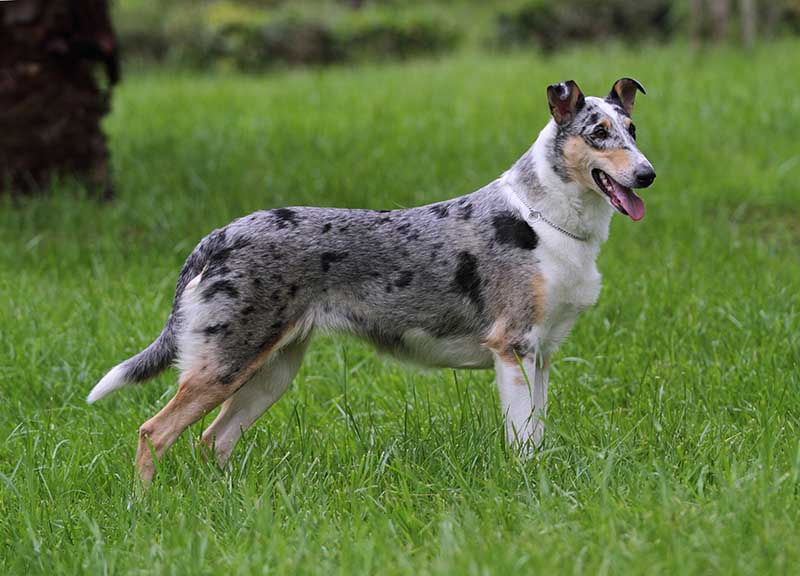
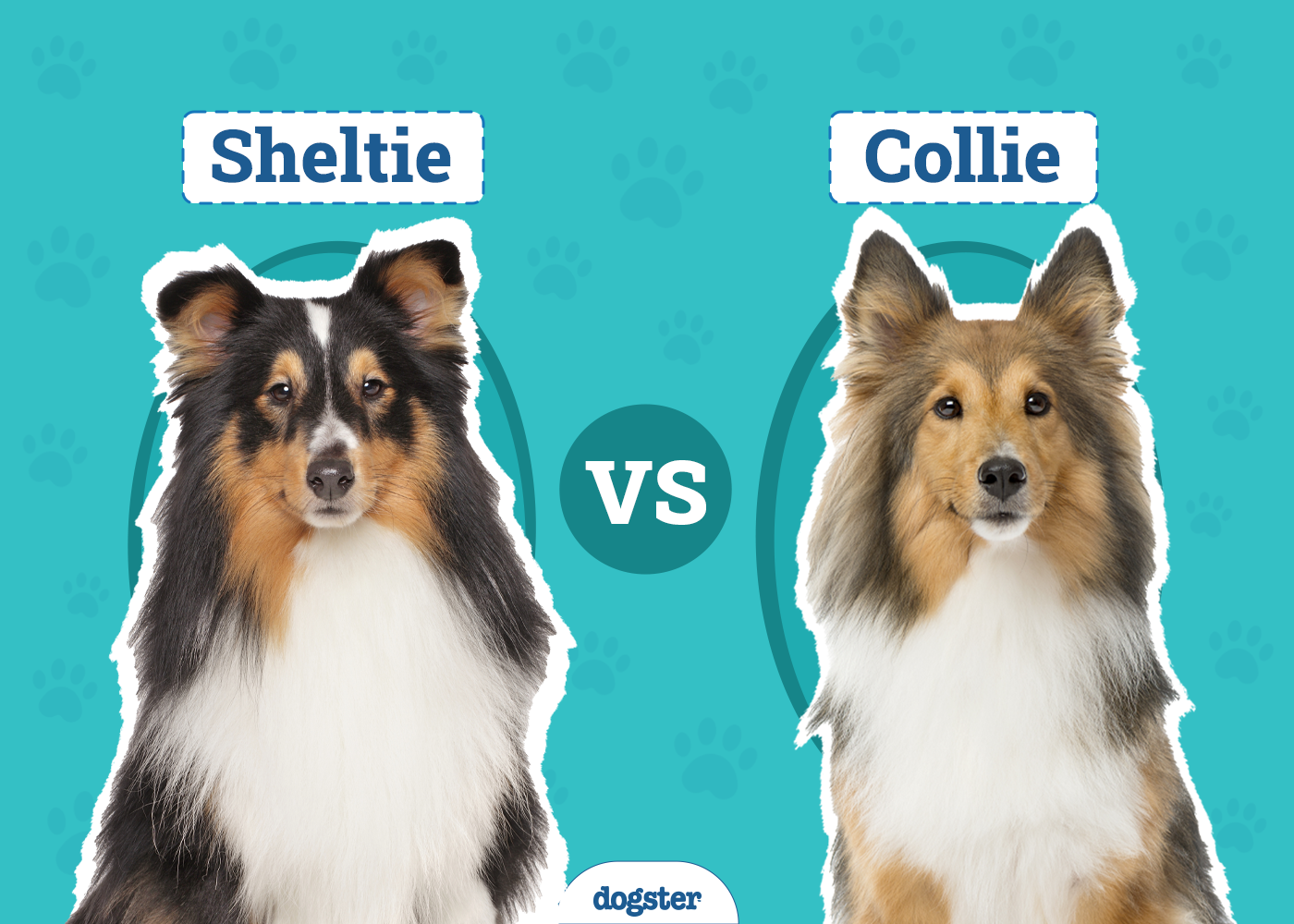
Two main types of Collies are differentiated by their coat type: Rough Collies and Smooth Collies. Rough Collies have very thick, long fur. Smooth Collies have a much shorter smooth coat, hence their name. Both types come in similar colors and have about the same temperament.
Breed Overview
Height:
Weight:
Lifespan:
Colors:
Suitable for:
Temperament:
Originally, Collies were bred to herd sheep, cattle, and other livestock. Therefore, they’re very agile dogs with strong herding instincts. They’re still used as working dogs in many parts of the world. However, they can also be very popular family pets. Collies get along well with children and other pets. Plus, they’re very trainable, so teaching them how to behave indoors isn’t that challenging.
However, they can also be very energetic and need plenty of exercise. We don’t typically recommend them for more inactive families unless they live on a large farm. Keep reading to find out if the Collie is ideal for you.
Collie Characteristics

Collie Puppies

Collie puppies are adorable and energetic. They have boundless energy and spend much of their time playing (or sleeping). Like most puppies, they're curious, and now is a good time to start socializing them. Because they’re herding dogs, they can be a bit nippy, so plan on training this behavior out early. Consistent training and socialization are vital, even though these puppies are well-behaved.
You can find plenty of Collies available from breeders across the world. They can also appear at rescues and animal shelters, but they aren't very common. Finding a puppy at a rescue can be more challenging than finding an adult. Most Collies are adults when they arrive at shelters.
Collie Origin & History
We don’t know precisely when or how the Collie originated. They were developed in Scotland and Northern England centuries ago as herding dogs. Their name comes from the Scottish sheep (Colleys) they often watched.
For a long time, Collies were strictly working dogs without a set standard. It wasn’t until 1885 that the American Kennel Club recognized the Collie as an official breed. Queen Victoria promoted them to the public after she brought a Collie back to England. This royal interest sparked others’ interest, leading to many new breeders.

Temperament & Intelligence of the Collie 🧠
Collies are renowned for their intelligence and are some of the brightest canine companions. Teaching them is very easy because of their eagerness to please and quick grasp of commands. They excel in agility, obedience, and herding trials.
Their intelligence also extends beyond obedience training, and they can think independently to solve problems. This trait can be great for working dogs but can also create unwanted behaviors.
Collies form strong bonds with their families and become devoted very quickly. They’re gentle with children and other pets, assuming they’re properly socialized. However, they’re also very energetic. They require plenty of physical exercise and mental stimulation each day. Otherwise, they can become bored.
While they’re friendly to their family, they can be reserved with strangers. Early socialization is crucial to prevent shyness and anxiety. Collies aren't aggressive, but they can become anxious.
Are These Dogs Good for Families? 👪
Collies are becoming increasingly popular companion dogs. They’re great for some families, but that doesn’t mean they’re a good choice for everyone. They’re exceptionally gentle and patient, making them great companions for children. They tolerate playtime antics and younger children, though we still recommend supervision. Many people love that they’re loyal, too.
Their intelligence makes them easier to train, which is vital for teaching them how to behave. However, it also means they can become bored easily, leading to destructive behaviors. Without the proper mental stimulation, Collies can quickly become troublesome to live with.
Collies do best in homes with yards, but they can also live in apartments with frequent walks. If you’re active and want a dog, you can take them with you on outdoor strolls. Because of their herding instincts, they may herd children. Often, this involves nipping, which can be scary for kids. However, these instincts can be reduced and redirected. Teaching kids how to react properly by standing still and not running is also important.

Does This Breed Get Along With Other Pets? 🐶 😽
Collies get along with other pets when properly socialized. They can live with cats, though they may sometimes try to herd them. Training and socialization can help you prevent confrontations, and many owners live just fine with Collies and cats in their homes.
Collies are energetic, so they do best with energetic pets. They can become annoying to older, less-active dogs. Keep this in mind when deciding which pets to adopt. Introductions are essential, of course. Your Collie may not get along with any dog unless introduced properly. When adopting a new dog, use a slow introduction plan that sets everyone involved up for success.
Things to Know When Owning a Collie:
Food & Diet Requirements 🦴
Collies are very energetic dogs. Therefore, they may need a high-calorie food designed for athletic dogs. High-quality protein is vital to help maintain muscle mass, which is crucial for active dogs. Of course, healthy fats and carbohydrates are also essential. Even though Collies are energetic, be careful not to overfeed. They can be very food-driven, leading to overeating and obesity. Measure all the food your dog eats, and be careful with the treats!
Puppies require different nutrition than adults, and you should feed your younger dog a puppy formula. Otherwise, they may not get all the nutrients they need to grow correctly, potentially leading to health problems later. You can also adjust your dog’s portions according to their activity level. Working dogs need different nutrition than moderately active companion animals. If your Collie is only getting the minimum amount of exercise, they’ll probably need the minimum number of calories.
Because this varies so much from dog to dog, the easiest way to determine how much food your dog needs is to consult your vet. You should be able to feel but not see your dog’s ribs. If they become too overweight or too skinny, adjust their food accordingly. Your vet can provide brand recommendations, portioning tips, and exercise advice.
Exercise 🐕
Collies are a working breed, and you should plan for a minimum of 2 hours a day of exercise. This exercise needs to be more than a leisurely stroll, too. Brisk walks, jogging, and running are necessary for Collies to meet their energy needs. Playing fetch and participating in agility trials are also beneficial since they wear your dog out without wearing you out.
You’ll also need to keep your dog’s mind exercised. Daily training sessions, especially when spread throughout the day, can help with this. Active games, like incorporating commands into agility courses, can challenge your dog's mind. Interactive toys are a good option for when you’re away, but we don’t recommend relying on them exclusively.
Puppies and seniors have different exercise needs than adult dogs. Puppies are still growing, and their joints are delicate. Therefore, we recommend avoiding intense activity. Senior dogs start slowing down at some point, but you should encourage as much activity as they can tolerate.
Always pay attention to your dog’s cues; some dogs are more or less active than others. If your dog is panting excessively or lagging behind, you’ll need to adjust their exercise routine.
Training 🎾
Collies are very intelligent, trainable dogs. You still have to train them, and it requires a significant time investment each day. Start training sessions early to get your dog used to obedience. Keep each session short, aiming for no more than 5 minutes at a time for a puppy. Adults can work up to 10 minutes maximum.
It's crucial to socialize your dog from an early age. Collies are friendly, but they can be aloof with strangers. Introducing them to several people and animals at a young age can prevent anxiety. They’ll learn that strangers are ordinary and don’t mean them any harm.
It's also vital to be consistent with house rules and commands and get everyone in your house on the same page. Not only does consistency prevent your dog from finding loopholes (which Collies are very good at), but it can also prevent anxiety in these somewhat uptight dogs. While Collies are trainable, it’s essential to be patient. Training takes time, even when your dog is on the more intelligent end of the spectrum.

Grooming ✂️
Rough Collies and Smooth Collies have different grooming needs. Rough Collies need daily brushing, preferably, to prevent mats and tangles. You’ll probably need a slicker brush and a pin brush. Smooth Collies don’t need nearly as much brushing. However, we still recommend brushing them at least a few times weekly. A firm bristle brush works best, as it can effectively remove dead hair and dust.
Neither Collie needs much bathing. Once every 3 months is fine, or whenever they roll in mud. Some dogs get dirtier than others, depending on how much work they’re doing. Trimming isn’t necessary for either dog. You should not trim a rough Collie since it can interfere with their coat’s ability to regulate their body temperature. We recommend that you groom your Collie as soon as you bring them home, even if they don’t need much grooming as a puppy. Getting them used to the process can help later when they’re bigger.
Always check their ears for signs of infection. While this isn’t common for Collies, ear infections are very easy to overlook in dogs. You may need to clean out your Collie’s ears, too. Use a wet cloth, and never shove anything into your dog’s ears. Just like people, this can cause hearing damage!
You’ll also need to trim your dog’s nails. If your dog runs on rough terrain frequently, you may not need to trim their nails as often, as they will naturally wear down. Otherwise, plan to trim their nails at least once a month.
Health and Conditions 🏥
Collies are pretty healthy dogs. However, like any breed, they are prone to hereditary health conditions. One of the most common is Collie eye anomaly, which is an inherited condition. It affects the development of the eye, potentially causing blindness. Genetic testing can help prevent it, and it is one of the reasons we recommend a quality breeder.
Collies possess the MDR1 gene, which affects how they respond to certain medications. If your Collie has this gene, their medication may need to be adjusted in some cases. This condition isn’t deadly, but a genetic test is important to see if your dog has it. Like many dogs, Collies can also inherit progressive retinal atrophy, which causes the retina in your dog’s eyes to degrade over time, leading to blindness.
Collies can also develop hip dysplasia, though not at the same rate as other breeds. It occurs when the hip doesn’t develop properly, leading to wear at an early age. The dog usually shows arthritis-like signs by the time they’re three. Luckily, medication is enough for most Collies, though surgery may be required in severe cases.
Male vs. Female
Males are almost always bigger than females. Male Collies usually weigh between 31 and 44 pounds, while females weigh under 42. Of course, each gender also has breeding differences. If not spayed or neutered, the differences will be apparent in the dog’s personality. For instance, males won’t go into heat, while females will. Often, this leads to temperamental changes as a dog’s hormones fluctuate.
3 Little-Known Facts About the Collie
1. They Have a Very Good Sense of Smell.
Although they aren’t hounds, Collies have a surprisingly strong sense of smell. They’re often utilized as search and rescue dogs and in narcotics detection operations.
2. Collies Almost Had a Different Name!
In the beginning, Collies were called “Colley Sheepdogs” due to how often they herded Colley sheep. This name was eventually shortened to “Collie,” which stuck around.
3. Not All Rough Collies Have Long Coats.
Most Rough Collies have long coats, which sets them apart from Smooth Collies. Confusingly enough, there is also a variant of the Rough Collies called the short-haired rough Collie. As you might guess, this variant has short hair. However, their fur is thicker than that of a Smooth Collie.

Conclusion
Collies can be great companion dogs for the right family. They are exceptionally active, and they do best in an active family with a yard. Thanks to their patience and gentle nature, they also get along great with children. Having a pack of children to run around with is this dog’s dream.
However, the whole family must be dedicated to their Collie’s exercise and training. They can be a lot of work, but it’s much easier to care for them when this work is spread across several family members.
Sources
Featured Image Credit: Sharon Snider, Shutterstock
Expert dog care, straight to your inbox
Vet-reviewed advice, training tips, and the best of Dogster. Free, and you can unsubscribe anytime.
By signing up, you agree to our Terms & Conditions and Privacy & Cookies Policy.
Kristin loves to help pet parents create a fulfilling life for their pets by informing them on the latest scientific discoveries and helping them choose the best products for their pets. She currently resides in Tennessee with three cats, four dogs, two fish, and a lizard, though she has dreams of owning chickens one day!
Join the conversation
Ask a question, share your story, or send private feedback.