

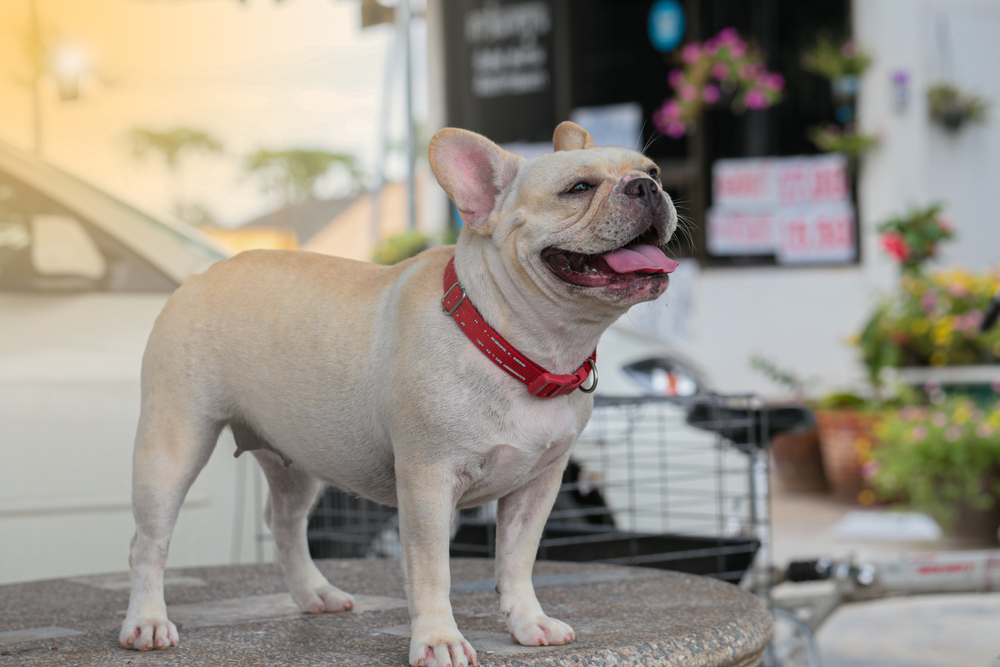
French Bulldogs are exceptionally playful, affectionate, and energetic little pups with a penchant for life. Their sweet and lovable personality is what makes them the most popular dog breed in America, dethroning the Labrador Retriever, who had a firm hold on that number one spot for 31 years!
However, though they may be small, French Bulldogs can be pretty excitable and hyperactive. Some owners say their Frenchies are like “perpetual puppies” right into adulthood. We realize this may not provide the “light at the end of the tunnel” you’re searching for by coming here, but we can help. If you’re at your wits end with your wild Frenchie, read on to find our tips on helping your pup calm down and bring some much-needed peace back into your life.

When Do Frenchies Calm Down?
As we alluded to in our introduction, French Bulldogs often remain rambunctious and high-energy right into adulthood. These pups are known for their naturally curious and playful personality, which owners sometimes perceive as hyperactivity or excitability. That said, as your pup ages, they will inevitably slow down…a little bit. If you’re looking to expedite the process, read on.
The 9 Tips for Calming a French Bulldog
1. Provide Enough Exercise

While Frenchies don’t have demanding physical activity needs like a Border Collie, they still require daily exercise to burn off excess energy. Most will do fine with anywhere between 30 and 60 minutes of exercise every day. This can include short walks, playtime in the backyard, or interactive games at home.
As a Frenchie owner, it’s essential to approach exercise cautiously. French Bulldogs are a brachycephalic breed, meaning their short muzzles can sometimes cause breathing difficulties. They may have a low tolerance to heat, so keep your pup inside during the hottest parts of the day and schedule your walks accordingly. You should give your dog a break if they are panting a lot.
2. Provide Mental Stimulation
Your Frenchie probably won’t be winning any awards for their intelligence anytime soon, but that doesn’t mean they don’t need mental stimulation. Dogs, in general, are intelligent animals that need to be kept busy to meet their psychological needs. Frenchies that are allowed to get bored may turn to other outlets to entertain themselves. This lack of mental enrichment can cause your pup to exhibit undesirable behaviors, such as shoe chewing or excessive barking.
Buy a treat-dispensing toy or puzzle feeder to keep your Frenchie engaged. You can even sign them up for obedience training to really challenge their intelligence.
3. Consistent Training & Socialization

Training is a non-negotiable part of dog ownership, but it’s essential for dogs with a lot of energy, like Frenchies. Training allows you to set clear rules and expectations for your pup and encourages reinforcement of good habits and behaviors. The sooner you can begin training your pup, the better. Keep sessions short, consistent, and rewarding. Use positive reinforcement and yummy high-value rewards to keep your dog interested in their training sessions.
Socialization is vital for Frenchies as it helps them acclimate to new environments, develop and recognize appropriate behaviors, and teaches them how to cope with their excitability.
4. Try Calming Supplements
There are many types of calming supplements on the market, all of which work in different ways. They can come in powders, gels, capsules, or treat form. Calming treats are typically a big hit for Frenchies since they love to eat so much.
Speak with your veterinary team for recommendations about what types of calming supplements will be best for your pup. They all contain different ingredients that perform various actions, so it’s best to have the advice of a professional before giving them to your dog.
5. Consider Crate Training

Crate training is a great way to help your Frenchie calm down. Eventually, their crate will act as a den, providing a safe and cozy space for them to hide away and calm down.
If your pup isn’t open to the idea of crate training just yet, you can still create a den for them in another area of your home. Comfortable surroundings can go a long way in managing your Frenchie’s hyperactivity.
6. Get Into a Routine
Dogs thrive on routine, and your Frenchie’s physical and mental well-being can only benefit from having a set schedule in place. When your Frenchie is a puppy, getting them into a routine for sleeping, eating, playing, and potty training is critical to having a really well-rounded and well-behaved adult dog. When they reach adulthood, schedules can reinforce skills and help them learn and retain new behaviors.
7. Use Positive Reinforcement

Positive reinforcement is a powerful tool for calming a hyperactive Frenchie as it reinforces good behaviors via a tempting and tasty reward system. When your pup behaves in a calm and relaxed manner, offer them a high-value treat and lots of verbal praise. Eventually, they’ll learn what behaviors get them the treats and praise they desire and will repeat these behaviors to please you.
8. Feed a High-Quality Diet
Dogs, like all living creatures, benefit from a healthy and balanced diet catered to their life stage. For example, when your Frenchie is a puppy, a complete and balanced diet will consist of food that contains more fats, protein, and calories to support their growth and energy levels. A Frenchie that continues eating puppy food into adulthood will receive more energy than necessary for their lifestyle and life stage. This excess energy can potentially become unwanted behaviors as your pup will be looking for any outlet to burn off their extra steam.
9. Seek Professional Help

If you’re at a loss with your Frenchie’s wild behavior, it may be time to reach out to the professionals for help. We recommend starting with your veterinarian, who may first suggest running some tests to rule out any health conditions. They can also refer you to an animal behaviorist or dog trainer to help you learn more about your pup and their behaviors so you can restore some balance in your life.
If you need to speak with a vet but can't get to one, head over to PangoVet. It's our online service where you can talk to a vet online and get the advice you need for your dog — all at an affordable price!
Final Thoughts
As frustrating as it can be to deal with a wild and crazy Frenchie, especially if they’re out of their “puppy” years, it may just be a part of owning this breed. However, you can absolutely encourage your pup to calm down by implementing some or all of the techniques discussed above.
If you’ve tried everything and your pup just isn’t responding the way you’d like them to, it’s not a bad idea to contact your veterinarian. They may suggest running some tests to rule out any underlying health problems or even refer you to an animal behaviorist to help address your Frenchie’s issues.
See Also:
- 5 Things Not to Do With a French Bulldog: Vet Approved Safety Tips
- How Many Puppies Can a French Bulldog Have? Vet-Verified Average Litter Size & Pregnancy Info
Featured Image Credit: Jantanee Boonkhaw, Shutterstock
 When Do Frenchies Calm Down?




























2 Responses
I have a 9 mo old male frenchie that refuses to be potty trained. He goes out with my other two dogs & I watch him go. He’s inside & within a 1/2 hr he’s going 1 or 2 again. I’ve tried crate training, bells on the door and taking out every 2 hours. HELP What am I doing wrong?
Hello Brenda,
thank you for reaching out! Sorry to hear about the issues with potty training your Frenchie. Every dog is different so sometimes it takes a time to figure out how to approach each dog.
I would recommend you to book an online video-call appointment with one of our professional veterinarians from www.PangoVet.com. They will gladly discuss your dog's behavior and give you some good potty training tips. This is very accessible and affordable service and you will get tips from experts.
Hope this helps.