In this article
View 2 More +Corgis are strong, athletic, and affectionate Welsh dogs. Originally used as herding dogs, they make loving family pets who are happiest when they have an activity to do. Given their unique body shape, corgis are surprisingly agile. These long dogs are set low to the ground on short, muscular legs.
There are two types of Welsh Corgi: the Pembroke and the Cardigan. Pembroke Corgis almost always have docked tails. Cardigans have long, bushy tails. Aside from that, telling the two apart can be difficult.
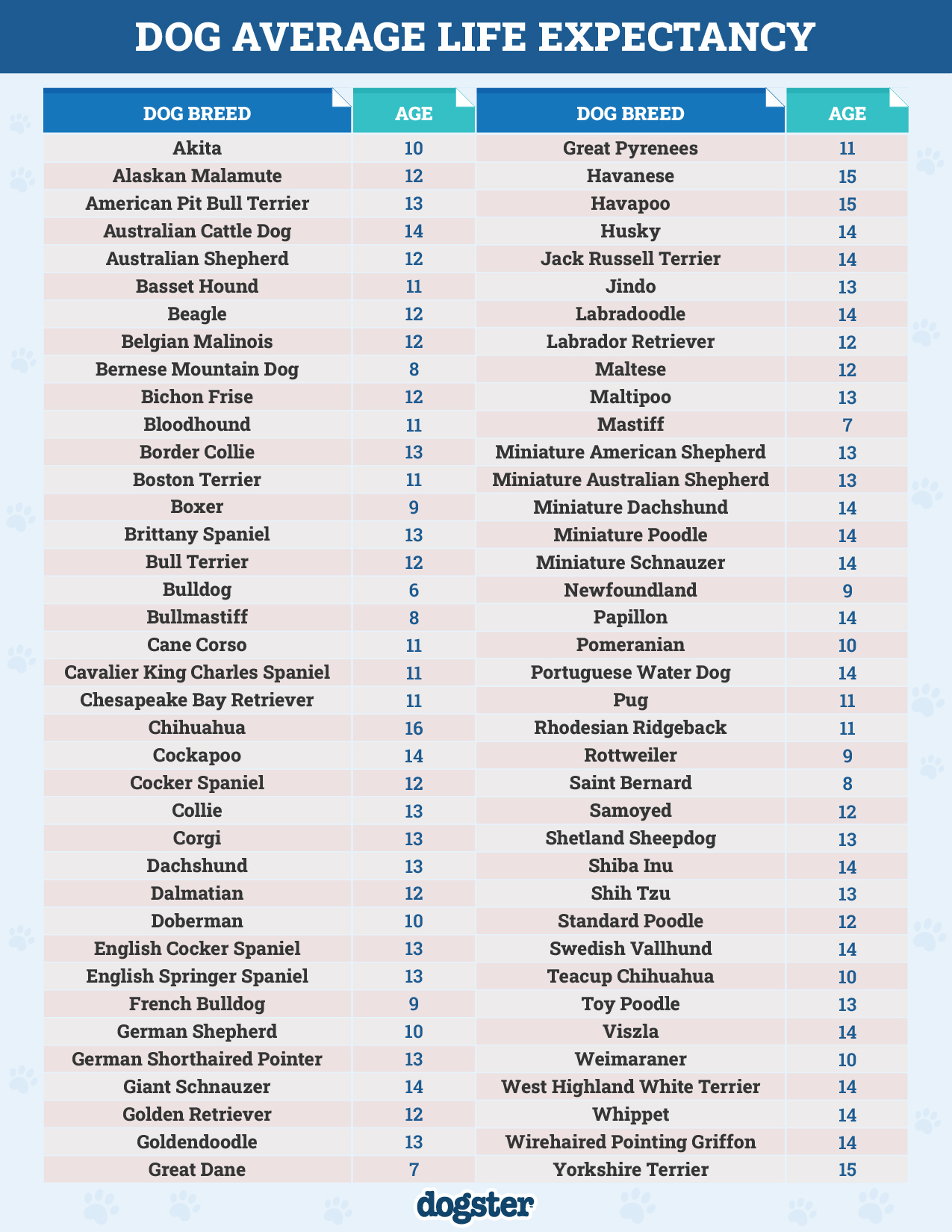
Corgis have an average lifespan of around 12–15 years. Not every Corgi will have the same lifespan, and different factors can affect their longevity. Each dog requires care suited to their needs. Let’s look at how long Corgis live and why.

What’s the Average Lifespan of a Corgi?
While their average lifespan is 12–15 years, it can vary depending on the dog’s health, genetic makeup, and quality of life. Small dogs have a reputation for living long lives, but there are exceptions to every breed.
When you welcome a Corgi into your home, you want to do your best to provide them with everything they need to live long, happy, and healthy lives. There are several factors to consider when caring for a Corgi.

Why Do Some Corgis Live Longer Than Others?
1. Nutrition
Your Corgi’s nutrition plays a prominent role in their overall health. Feeding them high-quality, protein-packed food is the first place to start. Most ingredients listed on the packaging should be recognizable and familiar to you. If you can’t calculate your dog’s daily dietary needs, a vet can tell you how much to feed your dog at each meal.
Nutrition for each life stage of your Corgi is important for your dog’s health. Puppies have different dietary requirements than adult dogs. Adult dogs have different dietary requirements than senior dogs. The life stage should be stated on the food label, so you know which one to pick for your dog’s age.
If you need to speak with a vet but can't get to one, head over to PangoVet. It's our online service where you can talk to a vet online and get the personalized advice you need for your pet — all at an affordable price!

In addition to feeding your Corgi healthy food, the amount you feed them should be monitored. Corgis can quickly become overweight if they’re fed too many calories. Obesity can lead to health issues that shorten your dog’s lifespan.
Treats are acceptable, especially during training, but Corgis shouldn’t have too many. Treats are added calories that can also lead to obesity. However, you can add the number of calories per treat into your dog’s daily caloric intake to ensure you don’t exceed it.
2. Living Conditions
Proper living conditions are vital for any animal to have a healthy life. Shelter is the first important need for an animal to live well. Corgis should not be exposed to the elements for extended periods. They are hardy dogs that can tolerate cold weather, but that doesn’t mean they can live in it permanently.
All Corgis should have a clean, dry place to live. Being cold and wet can lead to illnesses in pets, just like in people. Dogs can suffer from frostbite, hypothermia, and infections. They should also have access to clean water and fresh food at all times. If dogs are forced to live outside and find their own water, they can wind up drinking from contaminated puddles and become ill.
Just like Corgis shouldn’t ever be too cold, they shouldn’t be too hot either. Dogs can experience heatstroke. The environmental stressors’ tolls on their bodies can ultimately shorten their lives. If your Corgi is kept inside, they should be given regular chances to go outside to go potty and exercise. At least once a day, your dog should get exercise either on a walk or playing in an enclosed area, like a backyard.
Your home should be safe and comfortable for your Corgi. If they are constantly living in fear or are depressed, it can affect their lifespan. If you have a naturally nervous dog, providing them with places to feel safe and secure when they want to retreat can help them overcome these feelings.
Keeping your dog in a climate-controlled environment with fresh food and water, opportunities for exercise and play, and a safe place to sleep will keep them healthy. Your Corgi should also see the vet regularly for health checkups. The early detection of severe conditions can help keep your dog healthier longer.

3. Size
Usually, the larger the dog, the shorter its life expectancy. Corgis are considered small to medium-sized dogs, and they have a life expectancy of up to 15 years. A toy poodle is said to have a long lifespan, coming in at 18 years. Since Corgis don’t get very big, they won’t have to deal with many of the health issues that large dogs do, which helps add to their longevity.
4. Sex
The sex of your Corgi does not significantly affect their natural lifespan. What may affect them is whether they are spayed or neutered. Dogs can live happier lives if they are altered because they have less aggression, fewer behavioral issues, and a lower risk of certain cancers.
Spaying female Corgis reduces their risk of mammary, uterine, and ovarian cancer. This procedure also guarantees that the dog cannot have any puppies. A female Corgi repeatedly having puppies can also limit her lifespan.
Neutering your male Corgi reduces his risk of testicular and prostate cancers.

5. Breeding History
Female Corgis that are overbred can have their lifespans cut short due to the stress on their bodies and health issues that may occur with each pregnancy and delivery. Corgis with a history of heavy breeding may have shortened lifespans because of it.
Additionally, the Corgi’s breeding history is important to know. Puppies bred from parents in poor health can inherit genetic conditions and diseases. Reputable breeders take the time to test their dogs before breeding them. This reduces the chances of the puppies having any illnesses or diseases.
If your puppy is the result of parents who passed down genetic conditions, they can shorten your Corgi’s lifespan.
6. Healthcare
Regular vet checkups are crucial to keeping your Corgi healthy. Some illnesses start and progress slowly. A veterinarian can monitor your dog’s health and determine if health issues are developing. Dental care is included in healthcare. Don’t forget to keep your pup’s teeth clean and healthy! Rotten teeth can cause infections, abscesses, and pain.
Infections lead to an overgrowth of bacteria that can flow from your dog’s mouth to their bloodstream. This can lead to kidney and liver disease, heart disease, and jaw fractures. If white blood cells are trying to clear the infections in the mouth, they can erode the supportive structures of the jaw. Keeping your dog’s teeth healthy is a simple and often overlooked way to support their overall health and longevity.


The 4 Life Stages of a Corgi
Puppy
Corgis are considered puppies from the time they are born until they reach sexual maturity. During puppyhood, they learn about the world around them, socialize, and adjust to their lives. They establish routines and learn commands.
Dogs reach sexual maturity at different ages. With Corgis, the males reach sexual maturity anywhere from 6 to 8 months old. Females usually experience their first heat cycle around 9–11 months old.
Junior
This stage ranges from 6 to 12 months old. Your Corgi can reproduce but isn’t fully grown yet. It’s an awkward stage that is also called the “teenager” stage of dog years.
Adult
Once your Corgi stops growing, they will be considered an adult dog. They will look like a fully grown dog and lose many of their puppy behaviors. This stage occurs when they are 1 to 7 years old.
Mature Adult/Senior
Dogs over 7 years old are considered mature or senior. At this stage, their needs are different, and they may be starting to experience health issues. They may require different diets and exercise methods.

How to Tell Your Corgi’s Age
The first way to tell your Corgi’s age is to look at them. Adult Corgis are 10–12 inches tall and weigh approximately 23–28 pounds. If your Corgi is smaller than this, they are likely still in the puppy stage. As Corgis age, they not only get taller but also wider. They can keep filling out until they reach 3 years of age.
Corgi puppies will have all their teeth by the time they are 6 months old. Looking at their teeth can help determine their age during puppyhood and young adulthood. As they age, it can get harder to determine. The amount of tartar on the teeth can help veterinarians guess an age, but some dogs develop tartar and dental diseases earlier in life than others. Small dogs, like Corgis, tend to have more tartar on their teeth than large breeds. Generally, clean, healthy teeth indicate a younger dog.
Fat deposits and muscle deterioration occur over time. As a Corgi ages, their spine will become more visible on their back. Senior dogs also have graying hair and cloudy eye lenses.

Final Thoughts
Corgis are loving family companions with lifespans of up to 15 years. They make lovely additions to any household and can live happily for many years with the proper care. Genetics, breeding, diet, and living conditions all affect a dog’s lifespan. Regular vet checks will keep your dog healthy and determine if health issues are developing. Catching any illnesses early can slow their progression or stop them completely.
Dental care is also important for your Corgi. If they have infected or rotten teeth, it can lead to illnesses elsewhere in their bodies. Even if you don’t know your dog’s background, such as how they were bred or their parents’ health conditions, they can still live a long and happy life. You can help them achieve this by giving them the best quality of care to keep them as healthy as possible.
You might also be interested in:
- Cardigan Welsh Corgi vs Pembroke Welsh Corgi: The Two Types of Corgis
- What Were Corgis Bred For? History of the Corgi
Featured Image Credit: ElfinFox, Pixabay