9 Vet-Reviewed Signs Your Dog Doesn’t Like You: What to Watch Out For


In this article
Everyone wants to form a strong bond with their dogs. However, this is often easier said than done, especially when it comes to rescue dogs. Dogs have their own personalities and preferences, as well as previous life experiences that can be negative and may affect whether or not your efforts are welcomed.
Some dogs love everyone, while others may be more reserved. There are some dog behaviors that are easy to decipher—like a wagging tail. However, some signs may be harder to figure out. As humans, we sometimes misinterpret dogs’ behaviors.
The first step to improving your relationship with your dog is knowing where you stand! Here are some signs that your dog might not be a huge fan of you:

The 9 Common Signs Your Dog Doesn't Like You
Before we begin, rather than assuming your dog doesn’t like you, especially if you have recently adopted them, it’s more practical to think of it in a different way. Dogs can be fearful, cautious, and untrusting, especially if they’ve had previous negative experiences with other people or if they lack early socialization.
This takes time, patience, and dedication to deal with, and may require help from a trained professional or canine behaviorist. It is more likely that your dog is scared and unsure and needs time and patience from you, as well as a positive attitude.
1. Body Language
Our dogs may not be able to speak actual words, but they are talking constantly with their bodies. It’s the main way they can communicate, so it’s important that you understand this unspoken language—even if it takes some work.
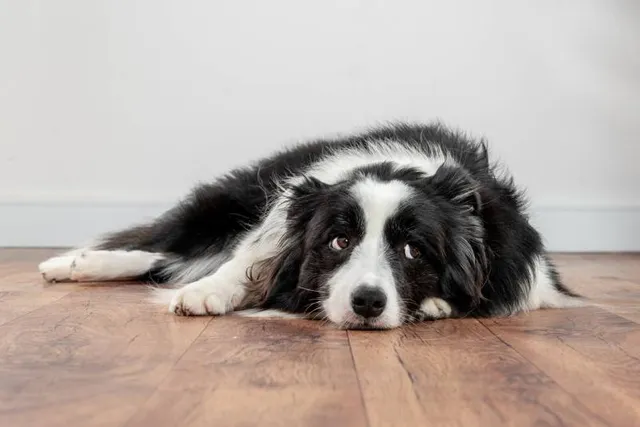
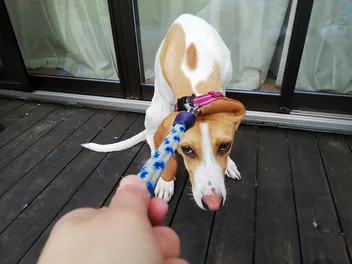
The most obvious signs of discomfort and fear are a tucked tail and flattened ears. Dogs will often show both of these signs when they’re scared, though aggressive dogs may also do them. Less clear signs include a stiff body and “whale eyes,” showing the whites of the eyes. Some dogs may shake, try to escape, or, if they feel threatened or cornered, raise their hackles or start growling. This is a clear warning that they need space and should not be forced to interact if they feel uncomfortable doing so. This can be especially true if you are trying to touch a certain body part the dog is not used to being handled, such as their face or paws.
Dogs may also do “appeasement licks” if someone they don’t like tries to cuddle them—the dog may lick once and then back away. It’s easy to misinterpret the licks as positive when they’re really an indication of discomfort. What your dog does can also be a sign of their inner world. If a dog cowers or hides, it’s probably a sign that they aren’t having a good time.
Of course, none of these signs alone indicate that your dog doesn’t like you. However, they are all signs that your dog isn’t happy, and it’s up to you to figure out why that is.

2. Inconsistent Behavior
Does your dog act one way around other family members and a different way around you? Dogs are plenty smart enough to develop different relationships with different people. It’s not like they will like all people or fear all people.
They often have their favorites, as well as those they fear or don’t trust. If your dog acts happy and cuddly with someone else but not you, it could indicate that they fear you or do not have sufficient trust in you for whatever reason. It could be that they associate you with negative experiences or simply don’t enjoy how you interact with them.
It doesn’t always have to do with something you did, though. Some dogs may fear a certain gender of people, due to a previous negative experience, or people who are loud when they talk, while others tend to be “one-person” dogs, which means that they bond closely with one person. Chihuahuas are a breed that often displays this behavior. You can’t really expect these dogs to love everyone, and their preferring one person doesn’t mean that they don’t like you.
3. Refusing Treats
Particularly fearful dogs may refuse even their favorite treats from someone they don’t trust or they directly fear. If your dog accepts treats from someone else and then not from you, it’s often a sign that they don’t trust you enough. Sometimes, this may be because you’ve fussed at them for eating stuff they shouldn’t, yelled at them, or the other person is seen more as the “fun parent.”
Other times, it may be due to a different problem in the relationship. Of course, if your dog refuses treats from everyone, it’s probably not you. We’ve known plenty of dogs that are exceptionally picky with their treats. Other times, dogs may be experiencing a health issue that causes appetite loss.

4. Resistant to Playtime
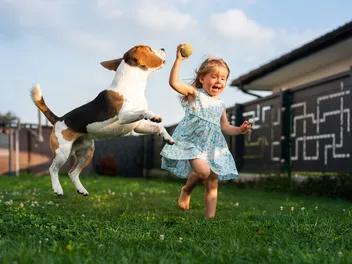
Most dogs like to play, though some are more active than others. If your dog loves to play with others but refuses to play with you, it could be a sign that they don’t trust you or simply don’t like how you play. It’s normal for dogs to sometimes refuse to play with one person over another.
For instance, if your dog starts playing with someone else and is enjoying the game, it is completely normal for them to ignore you if you try to interrupt. Dogs also don’t want to play all the time. Just because your dog played with your friend earlier and doesn’t want to play with you now doesn’t mean that they prefer your friend. They may just be tired!
What we’re referring to here is a larger pattern. If your dog is always more interested in playing with someone else or refuses to play with you all the time, there is a good chance that they are unsure about you—at least as a playmate.
5. No Cuddles
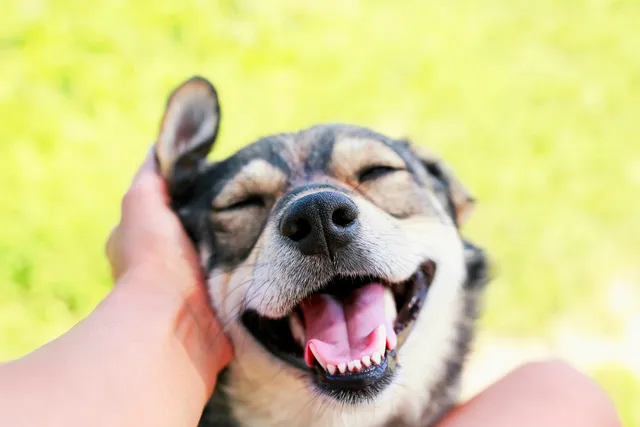
Some dogs don’t like to cuddle or even be petted. It’s a big stereotype within dogdom that all canines like to cuddle and be petted. If your dog doesn’t, there must be something wrong with them! However, this couldn’t be further from the truth. We’ve known and owned many dogs that just don’t like to cuddle much. Some don’t even like to be petted except on their terms.
It may just be a personality thing. That said, if your dog cuddles with others and not with you, it may be the “you” in the equation, not the cuddling. It’s normal for some dogs to prefer one person, as we discussed above.
If your dog doesn’t cuddle you at all or takes off running when you try to pet them, it could be a sign that there is something wrong with your relationship.

6. Outbursts
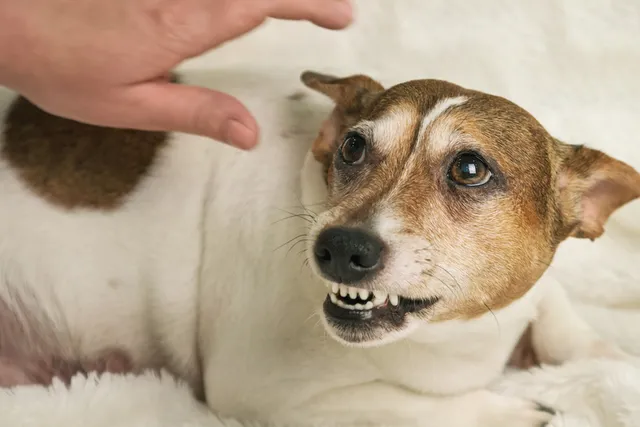
Outbursts are a serious sign that something is off within your relationship with your dog. A dog that growls, barks excessively, or snaps when you try to pet them needs to be seen by a vet first. Many dogs may have these behaviors when they are in pain, and it’s important to rule out an underlying issue before moving forward.
If your dog has a clean bill of health but continues to react aggressively when you try to pet them, there is a good chance that they’re scared of you for one reason or another. Sometimes, this has nothing to do with you. Some dogs may have had a previously bad experience with women, for instance, and may be scared of all women. Or, it may be the hat you’re wearing.
Honestly, there are so many possibilities that it probably isn’t your fault. (And if it is, you probably know what you did!) As you might imagine, this situation can be very dangerous. We recommend working with a professional to figure out why your dog is so fearful and desensitize them to you.
7. Destructive Behaviors
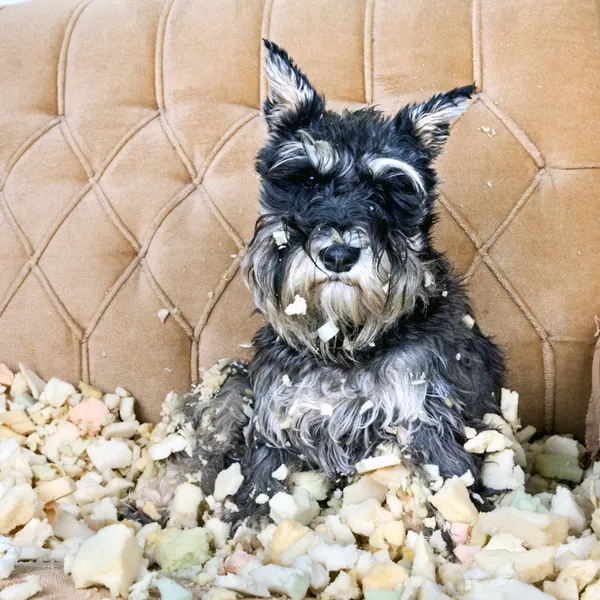
When a dog is anxious, they may display destructive behaviors. These can vary from dog to dog, but they often involve chewing, digging, and barking. If your dog destroys the house while you’re gone, there is something deeper going on that you need to handle.
In some cases, these behaviors may be a sign that your dog likes you a bit too much. Separation anxiety often causes destructive behaviors, but it is caused by your dog being anxious about your absence. Usually, this occurs when your dog isn’t taught how to be alone.
Of course, dogs can be destructive for all sorts of reasons. However, if you’re taking care to exercise your dog and provide enough mental stimulation, it may be the presence of you or others in the household that are causing the anxiety-driven behaviors.
8. Potty Mishaps
Accidents within the house are also associated with anxiety. Once again, this anxiety can be caused by many things, but your presence could be one of them. If your dog is fearful of you for one reason or another, they may have more accidents when you’re around.
This behavior is accidental and anxiety-driven. It isn’t that they’re trying to “get back at you” or make you mad or anything of that sort. They’re just nervous. Potty accidents can also occur due to health issues, though. If your dog suddenly starts having accidents in the house, you should schedule a vet appointment. Conditions like UTIs can cause your dog to have accidents, but they may not have many other obvious signs. And on the other hand, some very excitable and hyper dogs, especially puppies, may not be able to hold in their urined while being cuddled and given attention to. However, it can also be a sign of stress.
If you’re concerned about your pet’s well-being, we recommend you contact a veterinarian.
9. Preferring Others
Another clear indicator that your dog may not trust you all that much is their preference for who they interact with. Just like people, dogs will gravitate towards people they like the best. If they prefer other family members, friends, or even complete strangers, it may be that they just don’t see you as a source of comfort or safety.
If someone else pays your dog more attention, it may not take long for your dog to seek them out for attention. Favoritism is often a clear sign that your dog prefers other people, but it may not indicate that they don’t like you.
Dogs are able to have different levels of relationships with different people. Just because you aren’t their favorite doesn’t mean that they don’t like you at all.

How to Mend Your Relationship with Your Dog
If your dog’s behavior seems to fit some of the behaviors above, it can be a sign that they don’t trust you, or they may even fear you. Luckily, there are tons of ways to repair your relationship with your dog. It’s often best to go back to the basics:
- Ensure they’re cared for: A dog that doesn’t get enough exercise or food may not have time for cuddles or play. Ensure that your dog’s needs are met.
- Take a trip to the vet: Many of the reasons above can also be caused by health problems. Therefore, if your dog is exhibiting these behaviors, it’s important to get them cleared by a vet before assuming they just don’t like you.
- Quality time: The more time you spend with your dog, the better your relationship will be. Dedicate time each day to do something your dog likes, such as taking a walk or playing a game of fetch.
- Positive reinforcement: Dogs will learn to associate you with positivity if positive things happen when they’re around you. For instance, if you regularly provide ear scratches or yummy treats, your dog will begin to see you as a more positive thing.
- Patience: Don’t force yourself on your dog, as this will only backfire. Instead, provide consistent, positive routines and let your dog warm up to you at their own pace.
- Address the underlying problem: In some cases, there may be a reason your dog doesn’t like you. Maybe you’re the only one who reprimands them whenever they do something bad. In this case, you may need to get everyone on board with training so that they don’t gravitate towards the “fun parent.”
If none of these strategies work, it may be time to see a professional. A qualified dog trainer can help you determine why your dog doesn’t like you and provide a personalized plan to mend the relationship.

Final Thoughts
The last thing any of us want is for our dog not to like or trust us, or even worse, to fear us. However, it happens more than you might think. Our communication with our dogs is spotty at best, and it’s easy for us to misinterpret each other’s signals.
Luckily, there is a lot you can do to change your relationship with your dog. Relationships are always changing and adjusting. With the right steps, you can make it adjust in your direction.
Sources
Featured Image Credit: Javier Peribanez, Shutterstock
Expert dog care, straight to your inbox
News, insights, expert advice, and everything dog.

No spam — unsubscribe anytime.
By signing up, you agree to our Terms & Conditions and Privacy & Cookies Policy.
How useful was this post?
Click a star to rate. You can leave written feedback afterwards. (We read all feedback.)
Kristin loves to help pet parents create a fulfilling life for their pets by informing them on the latest scientific discoveries and helping them choose the best products for their pets. She currently resides in Tennessee with three cats, four dogs, two fish, and a lizard, though she has dreams of owning chickens one day!