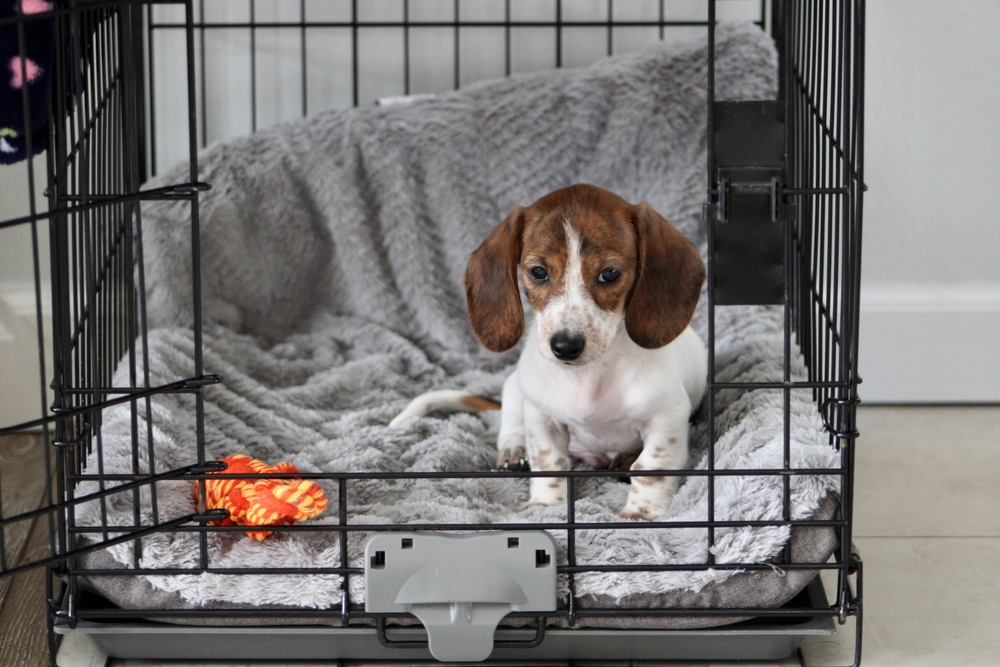
Seeing your beloved fur baby be sick is heartbreaking for every pet parent. It’s even harder when you have a tiny, vulnerable puppy that won’t stop vomiting and seems to be losing weight. Fortunately, these signs are usually not indicators of serious conditions and can be resolved with appropriate treatments.
Let’s look at the potential reasons that your puppy may be throwing up and underweight and what you can do to get them back on track as quickly as possible.

The Common Causes of Vomiting in Puppies
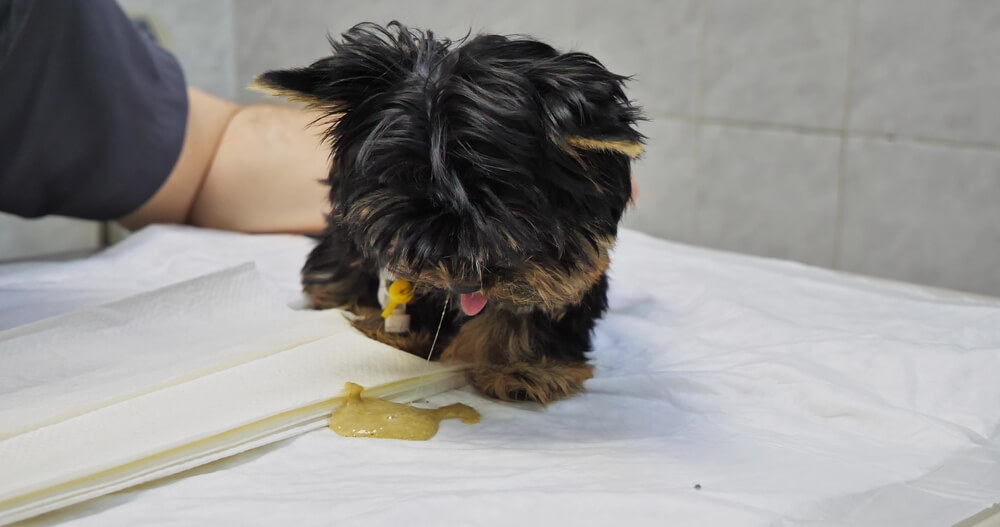
Vomiting is a common issue for pets and often leads to vet visits. It’s also messy and leaves our beloved four-legged companions looking miserable. Puppies in particular are prone to vomiting due to ingesting irritating objects during their exploration phase. Even tiny objects can cause inflammation and lead to vomiting and sometimes, diarrhea. In severe cases, they may cause a gastrointestinal obstruction, requiring surgical intervention to save the puppy’s life.
In short, there are three main causes of vomiting:
- Irritants or obstructions in the gastrointestinal tract
- Stimulants affecting the chemoreceptor trigger zone in the brain, such as toxins or drugs
- Disturbances to the vestibular system, such as motion sickness
But other factors can also cause your puppy to vomit and lose weight, a few of which are particularly concerning.
The 6 Other Causes of Vomiting and Weight-loss in Puppies
1. Parasites
Parasites, such as gastrointestinal worms (roundworms, hookworms, or whipworms), can wreak havoc on a puppy’s sensitive digestive system and are extremely common causes of vomiting and rapid weight loss. In fact, intestinal worms can be a serious problem in young puppies. For example, hookworms can cause anemia, and roundworms, such as Toxocara canis, can significantly stunt a puppy’s growth, cause serious digestive upset, and lead to excessive gas formation in the belly. This is why these puppies, though skinny, often have a characteristic pot-bellied appearance.
2. Eating Something Bad
Like human babies, puppies love to put everything in their mouths, which sometimes leads them to ingest something bad, such as rotten food or cat poop. This can cause bacterial overgrowth or a buildup of toxins in their digestive system, leading to an upset tummy. The ingestion of spoiled or raw food can also lead to gastritis, which is inflammation of the stomach.

3. Poor-Quality Food
Feeding your puppy the wrong or poor-quality food can also lead to digestive problems. For example, some puppies may have food intolerances or allergies, which may cause them to not absorb nutrients well and lead to weight loss. However, changing their food too quickly without giving them an adjustment period can also cause stomach upset. Be sure to seek advice from your veterinarian about what food and quantity is best for your puppy.
4. Viral or Bacterial Infections
Puppies are susceptible to viral infections like parvovirus and bacterial infections like Campylobacteriosis. These serious illnesses can cause vomiting, diarrhea, lethargy, and weight loss if left untreated. Canine parvovirus in particular is highly contagious and can be life-threatening for puppies.
5. Congenital Health Problems
Some puppies may suffer from congenital health issues that affect their ability to digest food properly or absorb nutrients. These can be conditions like exocrine pancreatic insufficiency, which is the inability of the pancreas to produce the enzymes necessary to digest fats, carbohydrates, and proteins. This leads to poor nutrient absorption, weight loss despite a normal appetite, vomiting, and chronic diarrhea.

6. Infectious Diseases
Puppies can suffer from serious infectious diseases that affect organ function, such as infectious hepatitis (adenovirus). In severe cases, usually in young puppies, loss of appetite and vomiting are accompanied by fever, diarrhea, edema, and jaundice. Fortunately, vaccination has been successful in reducing the prevalence of this viral infection.
When You Should Take Your Puppy to the Vet
As a general guideline, if your puppy vomits once but is still eating, drinking, and acting normally, you can simply monitor them for a day. However, if vomiting continues, if your puppy also has diarrhea, especially if it’s bloody (which could be a sign of parvovirus), or if they seem lethargic or off their food, it’s crucial to contact your vet immediately. Puppies can become dehydrated quickly, so they may need medical intervention to stabilize them.
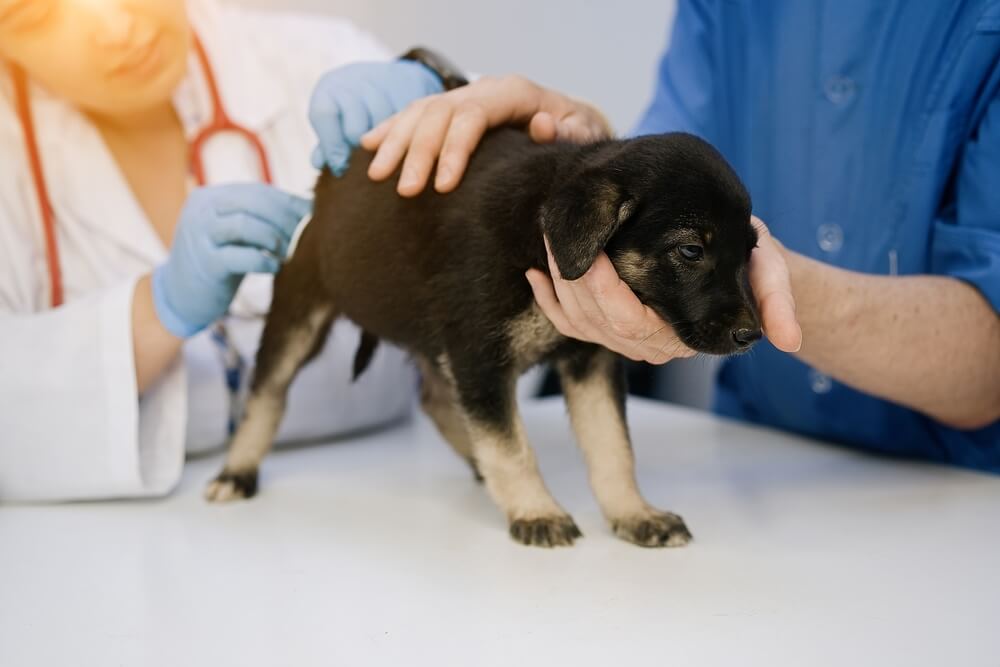
Your vet will conduct a thorough examination, possibly including diagnostic tests like fecal analysis, blood work, and imaging studies, to determine the underlying cause of your puppy’s signs.
Treatment will vary depending on the diagnosis but may include:
- Deworming medication to eradicate parasites
- Prescription diets tailored to your puppy’s specific dietary needs
- Antibiotics or antiviral medications to treat infections
- Supportive care, such as fluid therapy to prevent dehydration
- Management strategies to reduce stress and anxiety
In addition to veterinary treatment, there are steps that you can take at home to support your puppy’s health and recovery:
- Maintain a consistent feeding schedule. Feed high-quality, age-appropriate food to your puppy in measured portions at regular intervals throughout the day. Avoid sudden changes in diet, and refrain from giving table scraps or treats to your puppy that may upset their stomach.
- Practice good hygiene. Keep your puppy’s living area clean and sanitized to reduce the risk of bacterial or viral infections. Wash your hands thoroughly after handling your puppy or cleaning up after them to prevent the spread of germs.
- Monitor your puppy’s health. Keep a close eye on your puppy’s weight, appetite, and behavior. Note any changes or abnormalities and communicate them to your veterinarian promptly. Early intervention can prevent minor issues from escalating into more serious health problems.
If you’re concerned about your pet’s well-being, we recommend you contact a veterinarian.
If you need to speak with a vet but can't get to one, head over to PangoVet. It's our online service where you can talk to a vet online and get the advice you need for your pet — all at an affordable price!
Frequently Asked Questions (FAQ)
My Puppy Vomits Occasionally But Seems Otherwise Healthy; Should I Be Concerned?
Occasional vomiting in puppies can be normal, especially if it occurs shortly after eating or after vigorous activity. However, if vomiting becomes frequent, persists for more than 12 hours, or is accompanied by other concerning signs, such as lethargy or diarrhea, you must consult your vet promptly!
How Can I Prevent My Puppy From Getting Parasites?
Don’t skip regular checkups with your vet; you need to make sure your puppy receives regular deworming medication. Pick up your puppy’s feces promptly, and keep their living area clean. Also, ensure that your puppy doesn’t have contact with other dogs that may be infected with parasites.
What Should I Do If My Puppy Refuses to Eat?
Loss of appetite in puppies can be concerning and may indicate an underlying health issue. If your puppy refuses to eat for more than 24 hours or shows other signs of illness, take them to your vet. They may recommend dietary modifications, appetite stimulants, or further evaluation to determine the cause of your puppy’s decreased appetite.
Can I Give Human Medication to My Puppy for Vomiting?
No, it is not safe to give human medication to your puppy without consulting your veterinarian first. Many medications that are safe for humans can be toxic to dogs, especially puppies. Always seek veterinary advice before administering any medication to your pet.
How Can I Tell If My Puppy Is Underweight?
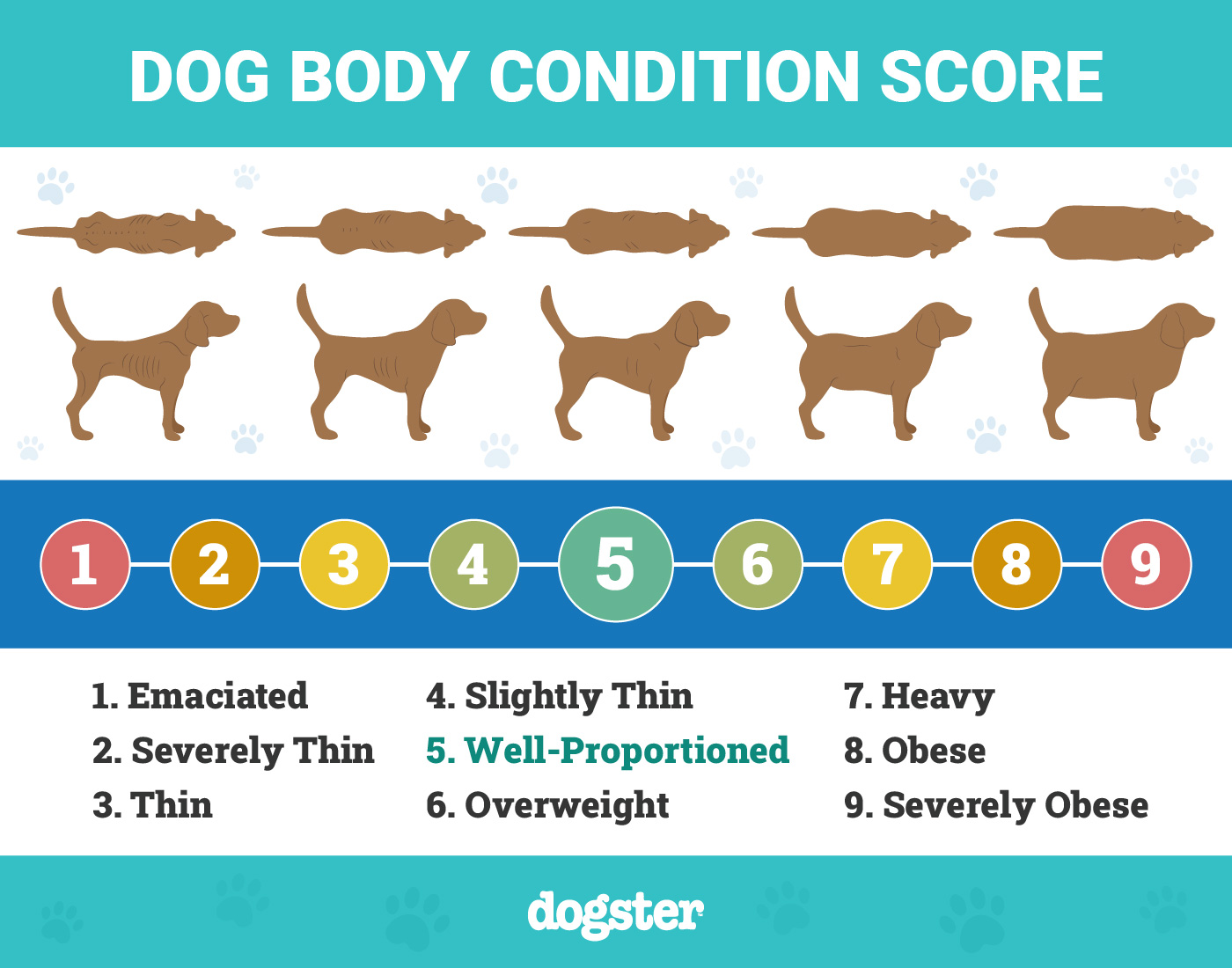
Monitoring your puppy’s body condition is essential for assessing their weight. You should be able to feel your puppy’s ribs without pressing too hard, and they should have a visible waist when viewed from above. Better yet, discuss your puppy’s weight with your veterinarian.
Final Thoughts
If your puppy vomits only once during the day—for example, after wolfing down their meal in two bites—you shouldn’t worry too much. However, frequent vomiting and rapid weight loss are worrying signs that warrant a trip to the vet. These are often the result of intestinal parasites, which are usually easily eradicated with medication. However, these clinical signs can also indicate a serious viral infection, like canine parvovirus.
In short, if you have the slightest doubt regarding the health of your tiny puppy, seek immediate veterinary care.
See also:
Featured Image Credit: Gladskikh Tatiana, Shutterstock