What Causes Dogs to Collapse After Vomiting? Our Vet Explains 5 Possible Causes

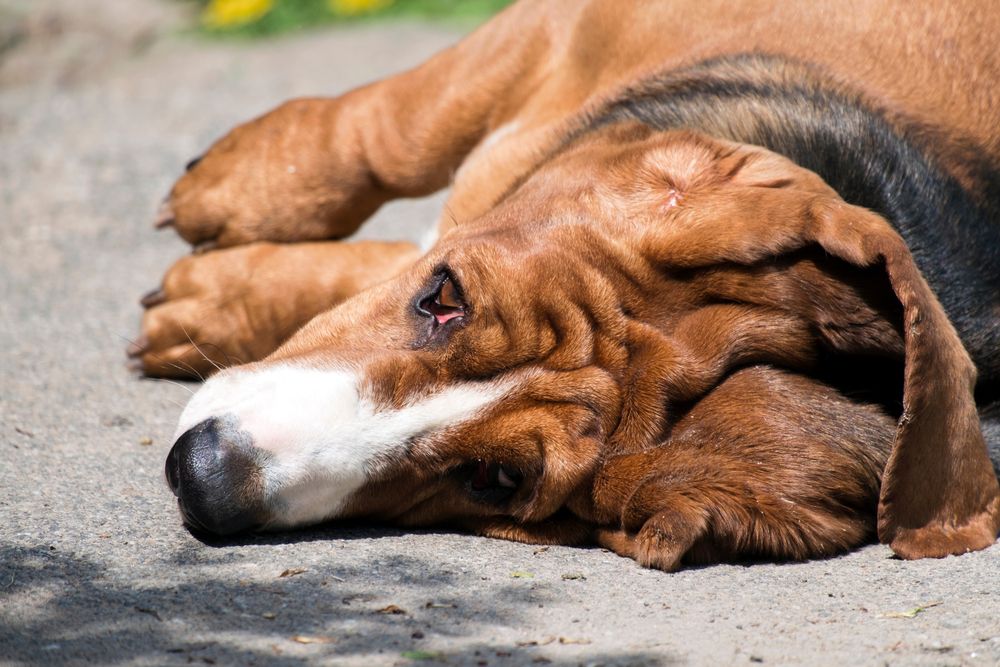
Vomiting is one of the most common reasons that dogs attend the vet clinic. As a vet, I expect to see at least one dog for vomiting every day that I see consults. Most of the time, vomiting is caused by dogs eating something they shouldn’t, and their stomach subsequently trying to get rid of the problem.
However, some dogs will present in a much worse condition. A dog that has collapsed after vomiting is treated as an emergency (as is any collapsed dog). There are five main causes of collapse after vomiting, and each will be discussed below.

The 5 Possible Causes of Why Dogs Collapse After Vomiting
1. Anaphylaxis
Bee stings sometimes cause hives and facial swelling in dogs, but they can also cause anaphylaxis. Anaphylaxis is a severe allergic reaction. When this occurs, the dog’s immune system has recognized something as foreign and has a severe, “over-the-top” reaction to it.
These are sometimes also referred to as hypersensitivity reactions. Common offenders include insect and bee stings, though contact allergies and injection reactions can also cause anaphylaxis. These dogs will often vomit initially, which might be considered a “warning sign.”
As the inflammatory response progresses, dogs collapse and exhibit labored breathing. Immediate veterinary intervention is warranted, as anaphylaxis is life-threatening if left untreated.

2. Acute Hemorrhagic Diarrhea Syndrome
This syndrome is relatively common in dogs 1. It’s a long name for a condition that isn’t extremely well understood: “acute” for sudden onset, “hemorrhagic” for bloody, and “diarrhea” for loose stools. It may be triggered by dogs eating something strange, or a certain bacterium, but neither has been proven.
Either way, dogs initially show vomiting and bloody diarrhea. This condition can progress rapidly, causing shock. Dogs that are in shock are very weak and sometimes collapse. If you notice vomiting or bloody diarrhea, seek prompt veterinary care.
3. Seizures
Yes, vomiting can precede seizures. The “prodromal” period refers to the time between the initial signs and the actual seizure event. Dogs may show unusual behaviors, lethargy, and vomiting. Seizures then occur and are usually very confronting for owners to see.
While seizing dogs will collapse, and they will also show other signs too: rigid legs, muscle tremoring, foaming at the mouth, urinating, and defecating. There are a number of causes of seizures in dogs, ranging from toxins and infections to epilepsy and brain tumors.

4. Bloat
Bloat is a scary and life-threatening disease of large and giant breed dogs. It may also be referred to as a “twisted stomach” or, in the veterinary world, “GDV” (gastric dilation and volvulus). Early on in this disease, dogs will vomit or retch without producing anything.
Within minutes they can collapse, as the stomach has twisted on itself and cut off its own blood supply. The abdomen appears bloated as the stomach distends with gas. Immediate veterinary treatment (including surgery) is necessary.
5. Vagal Response
This is the most benign (or least concerning) cause of collapse after vomiting, though it will still scare any dog owner. The vagus nerve sends impulses that slow the heart and aid digestion—think of it as the main driver of “rest and digest”.
Occasionally, as dogs vomit due to gut upset, the vagus nerve becomes stimulated, and the dog will fall over after vomiting. Thankfully, dogs will usually recover very quickly.

In Conclusion
It is important to note that many other diseases can cause vomiting followed by collapse in dogs; the above list outlines five common causes only. Heart disease, poisoning, heat stroke, and cancer can also lead to vomiting followed by collapse.
Whatever the cause, if you’ve noticed your dog vomiting, or collapsed, do not hesitate to seek veterinary care. This gives your pet the best chance of prompt treatment and recovery.
See also: Why Is My Dog Collapsing?
Sources
Featured Image Credit: McGraw, Shutterstock
Expert dog care, straight to your inbox
News, insights, expert advice, and everything dog.

No spam — unsubscribe anytime.
By signing up, you agree to our Terms & Conditions and Privacy & Cookies Policy.
How useful was this post?
Click a star to rate. You can leave written feedback afterwards. (We read all feedback.)
Dr. Joe Mallat DVM (Veterinarian)
Joe is a veterinarian from Sydney, Australia. When he's not working, he enjoys cooking, exercising, and exploring the Australian wilderness. He has worked for 2 years at a mixed-species practice on the mid-north coast of New South Wales, treating animals of all sizes. His areas of particular interest include wound management, internal medicine, and oncology. Joe's love for the profession comes not only from helping dogs, but also from helping their parents and working with wonderful teams of people.
Joe completed his Bachelor of Veterinary Biology and Doctor of Veterinary Medicine at the University of Sydney in 2020.