My Dog Chewed My Inhaler, Should I Worry? Our Vet Explains What to Do

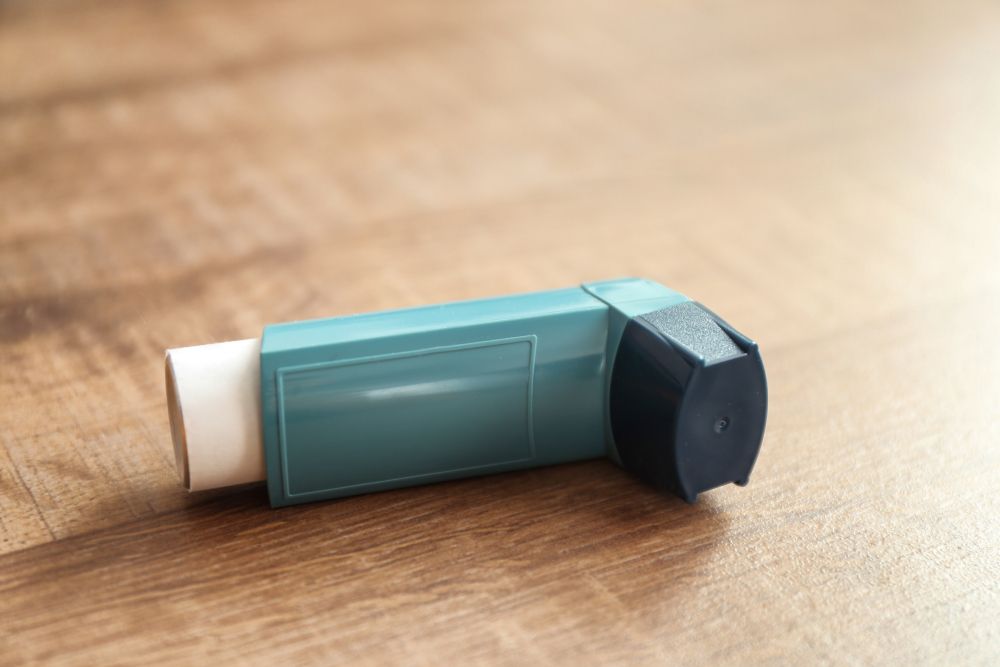
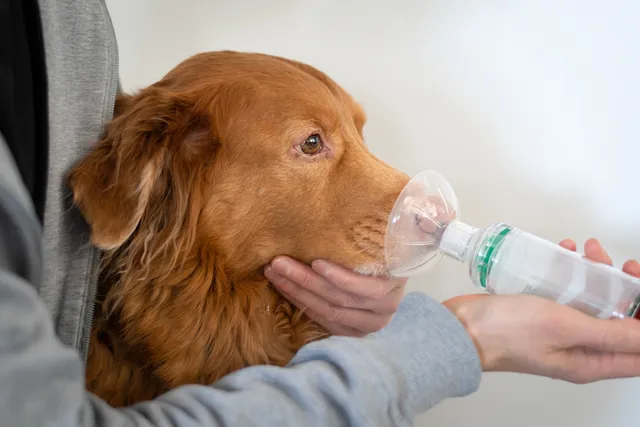
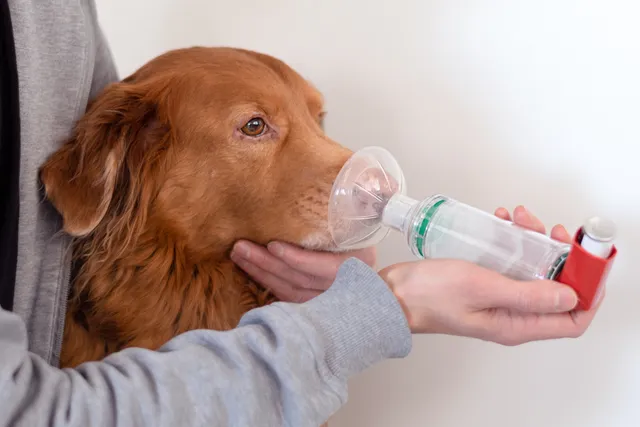
Your dog managed to find your inhaler and made a chew toy out of it. What does that mean for your furry canine? Well, there are some risks that need to be discussed and a few items that need to be explored further. There are medications found in human inhalers that could cause problems in dogs if inhaled in large doses. Furthermore, there is a risk of a foreign body if the inhaler material is ingested.
Continue reading for suggestions on what to do next if your dog has chewed on an inhaler.

Here’s What to Do if Your Dog Chewed Your Inhaler
1. Ensure That Your Dog Is Safe and Stable.
Examine your pet immediately. If they are experiencing unusual signs or appear to be unwell, take them to a veterinary hospital. Call ahead to let the staff know you are coming.
If your pet is stable but suspect they’ve nibbled on your inhaler, proceed to the next steps.

2. Collect the Remnants of the Inhaler and Look up the Ingredients.
Collecting your inhaler from your dog will help prevent further damage and risk. Additionally, it will be important to know what medicine your pet has been exposed to.
3. Call a Pet Poison Helpline to Report the Possible Toxin Ingestion.
If your pet appears stable, you should call the ASPCA Pet Poison or the Pet Poison Helpline. These organizations will gather information regarding your pet, including their name, age, weight, and breed. Additionally, the consultants will look up the drug your pet was exposed to and will be able to determine exposure risks. After the veterinary consultant has gathered all the necessary information, they will be able to advise you on the next steps and potential medical intervention.
4. Record Your Case Number and Seek Medical Attention
The veterinary poison control consultant will provide you with a case number that you can relay to your local veterinary hospital. Your local veterinary hospital will use this number to access the treatment recommendations.
What Medications Are Typically Found in Inhalers?
Inhalers directly deliver medicine to the lungs. They are commonly used to treat asthma, a condition in which the lower airway closes due to an irritant or hypersensitivity. Other conditions that can be treated by inhalers include chronic obstructive pulmonary disease and allergies. Steroids and bronchodilators are common medications that can be found in inhalers, although other possibilities exist as well.
A Special Note on Albuterol
Albuterol is a medication found in inhalers that causes bronchodilation. Albuterol improves breathing by dilating the lower airways and improving oxygen exchange. Albuterol can even be prescribed to cats and occasionally dogs; however, the doses are specific. The concern with a dog chewing on an albuterol inhaler is the risk of inhaling a large dose simultaneously. An overdose of albuterol can result in reduced potassium levels, which causes negative effects on the heart, including heart rate elevation and potential heart failure. Dogs with an overdose of albuterol may be lethargic, have an abnormal heart rate, and have changes to their blood pressure.
Risk of Foreign Body
As with any type of non-food item that is consumed or gnawed on, there is a risk of gastrointestinal obstruction. A consumed foreign body may not be able to be digested by the body and may get stuck in the digestive tract, leading to pain and the need for medical or surgical intervention. The chewed-up inhaler must be closely evaluated for missing pieces. If pieces are missing, this should be brought to a veterinarian’s attention. Depending on several factors—including patient size and amount of inhaler ingested—radiographs and other diagnostic tests may be recommended. Based on the radiograph findings, the veterinarian will make suggestions on how to move forward best.

Conclusion
Although inhalers are useful medical tools when used correctly, they do pose a risk if used incorrectly or if accidentally consumed. The risk of inhaler ingestion or puncture is linked to the medication it contains. If your pet is not stable, you should seek veterinary care immediately. A poison control consultant should be contacted as soon as possible to determine the potential risks to your four-legged companion. As always, it is recommended to set your pet up for success by keeping your inhaler and other medications out of reach.
Sources
Featured Image Credit: Africa Studio, Shutterstock
Expert dog care, straight to your inbox
News, insights, expert advice, and everything dog.

No spam — unsubscribe anytime.
By signing up, you agree to our Terms & Conditions and Privacy & Cookies Policy.
How useful was this post?
Click a star to rate. You can leave written feedback afterwards. (We read all feedback.)
Dr. Marti Dudley DVM (Veterinarian)
Dr. Marti Dudley is a small animal veterinarian with a strong interest in preventative medicine and pet parent education. She enjoys being a resource for pet owners as she believes that having a team approach leads to the best possible care of pets. Dr. Dudley enjoys writing and has been able to use this skill as another avenue to educate pet owners outside of the traditional office setting.
Dr. Dudley has been practicing veterinary medicine since 2014. She has an interest in preventative care and emphasizes the importance of pet owner education. Dr. Dudley’s experience in veterinary medicine is broad, as she has worked as a general practitioner, which has allowed her to see and treat many different types of conditions.
Dr. Dudley received her bachelor’s degree in biology from Longwood University in Virginia. She earned her Doctor of Veterinary Medicine (DVM) degree from Ross University.