In this article
View 4 More +There are few things that an owner dreads more than when their dog gets diarrhea. Also, what if that diarrhea comes with frequency, straining and urgency, and even a bit of blood? You may be looking at a case of colitis, or inflammation of the colon. Read on for information on what this condition is, what causes it, and how you can help your dog.

What Is Colitis in Dogs?
The intestines are divided into two main parts: the small intestine and the large intestine, also known as the colon. The latter’s main duty is fluid and electrolyte balance. Depending on the body’s needs, it can take out more water and electrolytes from the feces or leave more in to be expelled from the body. At least, that’s the process when a colon is happy and healthy.
Colitis is inflammation of the colon. When the intestinal linings get inflamed, they basically get bombarded with immune cells, which are there to help but may end up creating more of a problem. This invasion can make it difficult for the intestines to absorb the fluid that it would normally suck out of the feces passing through. This extra amount of fluid in the feces can lead to watery, loose stools, otherwise known as diarrhea.
Also with colitis, the speed at which feces moves through the colon may rev up, as sort of the body’s way of getting the upsetting item out of there as quickly as possible. The faster that feces moves through the colon, the less water that gets resorbed, also contributing to watery diarrhea.
The reason for the inflammation in the first place may be varied and sometimes unknown. It’s best to have your veterinarian help you get a handle on colitis, as some dogs may suffer from colitis for the short term, or it may stick with them for weeks.
If you suspect your pet is suffering from colitis, you should contact your vet directly for an assessment. They can provide you with more information and a care plan.
If you need to speak with a vet but can't get to one, head over to PangoVet. It's our online service where you can talk to a vet online and get the advice you need for your pet — all at an affordable price!

What Are the Signs of Colitis in Dogs?
When your dog has colitis, they’ll have sudden and frequent needs to go outside, accompanied by soft, watery feces. Colitis typically doesn’t present with impressive blowouts—just small amounts of diarrhea (typically).
- Straining before, during, and after a bowel movement
- Mucus or blood in the feces
- Sometimes, vomiting and a decreased appetite
No matter what else you’re seeing with your dog’s diarrhea, any time that they’re losing extra fluid out of their rear end, you need to make sure they’re replacing it by drinking; otherwise, dehydration can be an issue.
- Sticky, dry gums
- Sunken eyes
- Thickened saliva
- Excessive panting
- Dry nose
What Causes Colitis in Dogs?
Anything that triggers inflammation can lead to colitis, and there are many such triggers. Infections, allergies, and trauma can spur the immune system into action—or overreaction, in this case. Dogs can develop allergic reactions to the food that they eat, or they can become infected with a parasite, virus, or bacteria through contact with an infected dog or contaminated food. They can also injure the digestive tract by eating bones, rocks, or other sharp or pointed objects.
Colitis can also be brought on by stress. The hormones released during stress can upset the delicate microbial balance in the digestive system and increase transit time, potentially causing all kinds of mayhem, including frequent and urgent diarrhea. Colitis can even have a genetic backing, most commonly affecting breeds that are already predisposed to digestive issues, including Boxers and French Bulldogs. There are also cases of colitis that have no known cause, referred to as idiopathic.
How Do I Care for a Dog With Colitis?
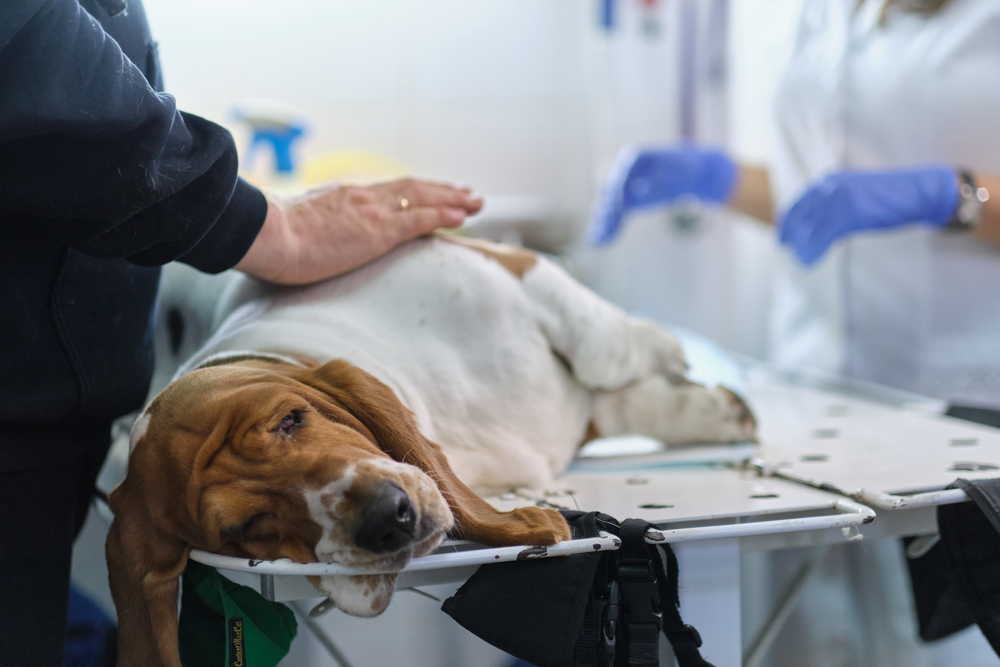
You’ll first want to address your dog’s diarrhea for their comfort (and your carpet). Start with a trip to your veterinarian to help pinpoint the cause of the colitis so an accurate treatment can be chosen.
Your vet will want to take a good look at your dog and do much more. Blood work, fecal samples, X-rays, and rectal exams may all be done. Further imaging, including a colonoscopy or an ultrasound, may be necessary too.
With any luck, your veterinarian will be able to determine the cause of your dog’s colitis. From there, they can start them on a treatment. This may include withholding food for 24 hours and prescribing antibiotics for a bacterial infection, probiotics, anti-inflammatories, or medications that slow down motility in the colon.
Some dogs will also benefit from a dietary change. This may mean switching them to a hypoallergenic, limited-ingredient, or novel-protein diet to help with food sensitivities and allergies. It may also mean increasing their fiber intake with high-fiber food or added fiber supplement and lowering dietary fat.
Reducing stress where possible is vital for dogs suffering from stress colitis. Of course, this is often easier said than done, as it can be hard to tell what exactly is triggering your pup’s stress. Look for things like changes in their environment or schedule, the addition of a new family member or neighbor, a houseguest, or the need to compete with other furry roommates for things like food and attention.
Giving your dog their own safe space, typically a crate with comfortable bedding and familiar toys, can be beneficial. Also, having one-on-one time with them every day, where you play, exercise, or just provide pets, can help. Talk to your vet if you can’t get your dog’s stress under control, as some dogs may need further measures, such as professional training or medication, to get help.
Frequently Asked Questions
What Foods Trigger Colitis in Dogs?
Every dog is different, so there’s no single factor to point to that causes colitis. For some dogs, it may be grains, and for others, protein. That’s why the management of chronic colitis often includes a dietary change to foods that include large amounts of fiber, low amounts of fat, and highly digestible or even hydrolyzed (partially broken down) protein. When treating your dog’s colitis, your vet may have you try several diet options to see which one will work best.
Can Probiotics Help Colitis in Dogs?
Probiotics can be part of the treatment for colitis, but they likely can’t work on their own. These do help rebalance the gut’s natural good bacteria to promote healthy digestion. Just be sure to use a dog-specific probiotic product for the best results.
How Long Does It Take Colitis in Dogs to Go Away?
With proper treatment, most pups with a sudden, uncomplicated case of colitis will feel better within a few days. Dogs that have chronic colitis can take weeks or even months to recover, as you and your vet work through the best approach to treat and manage their diarrhea.
Conclusion
Colitis often results in soft or watery diarrhea that tends to present in small, frequent amounts. Dogs may also excrete blood and mucus with each bowel movement. Colitis can be the result of numerous things, including infection, diet, stress, and genetics.
See your vet if your dog starts having frequent bowel movements with straining and little output to quickly get their diarrheal issues under control.
Featured Image Credit: Yavdat, Shutterstock