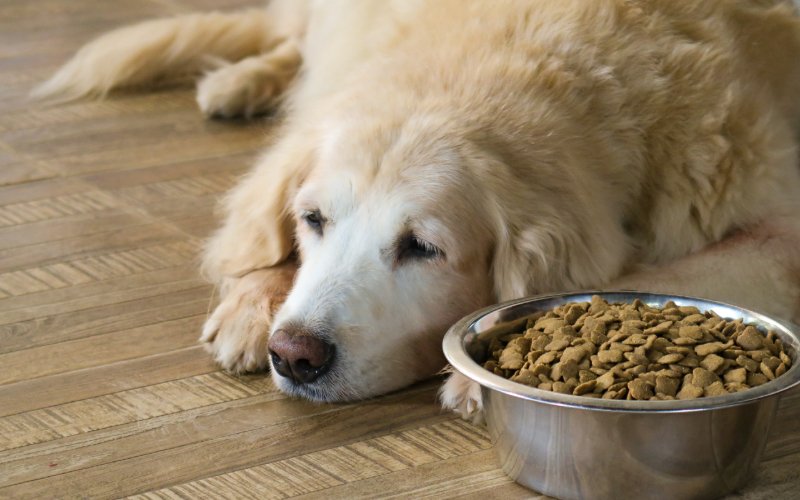
Immune systems like to keep us on our toes, occasionally picking something that we are exposed to and saying, “Hey, you there, intruder! I’m going to fight you!” Unfortunately for our canine companions, allergies do not just affect humans.
Eggs are one of the most common food allergens in dogs, alongside chicken, beef, dairy, soy, and wheat. While food allergies are relatively uncommon in canines, affecting only 1% of the population,1 when they do occur, the clinical signs can be incredibly frustrating. However (and fortunately), diagnosis and treatment are both possible and rewarding.
Read on to learn more about egg allergies in dogs and what you can do if you suspect that your pup has this issue.

What Is an Egg Allergy in Dogs?
Food allergies, independent of the specific allergen, are all a result of the immune system overreacting to the substance and mounting an immune response in defense.
With an egg allergy, the body will mount antibodies to a specific component of the egg (usually the proteins in the egg yolk), treating it as a foreign substance that they must protect the body against. Since it takes time for the body to form this response, it is not uncommon for food allergies to manifest after your dog has eaten the same food for a prolonged period. This means if your dog was once previously okay with eating eggs, they could still develop an allergy to them, even after years.
Food allergies make up 5–15% of the total number of dogs that suffer from skin disorders,2 so it is important to rule out other causes of skin disease with your veterinarian.

Signs of an Egg Allergy in Dogs
The most common clinical sign of egg allergy in dogs is itching, or pruritis. Unlike perhaps more common environmental allergies, food allergies in dogs are mostly continuously present and do not fluctuate with the seasons.
The itching is normally generalized across their whole body but in some cases, can include more localized itching around the face, paws, and ears. Occasionally, repeated and chronic ear infections that recur despite treatment may be the only signs of food allergy in a dog.
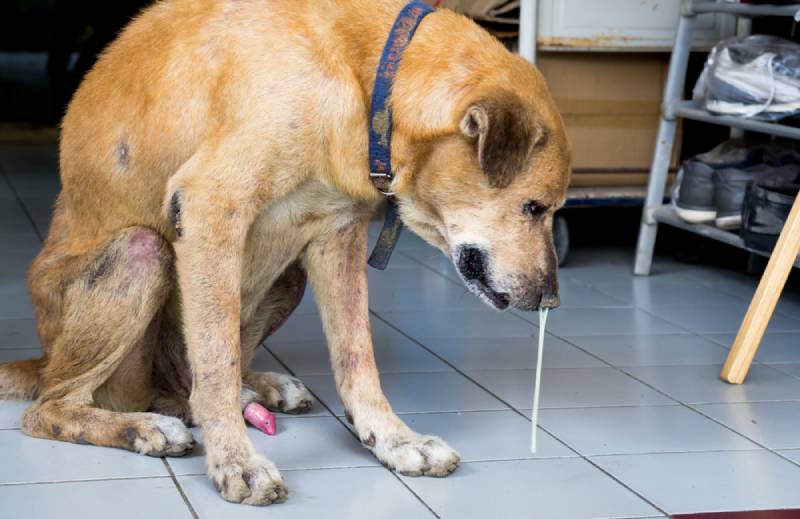
Canines with an egg allergy may also show gastrointestinal signs, such as waxing and waning vomiting, diarrhea, weight loss, and abdominal pain.
Seek veterinary advice if you’re concerned about your pet’s well-being.
If you need to speak with a vet but can't get to one, head over to PangoVet. It's our online service where you can talk to a vet online and get the advice you need for your pet — all at an affordable price!


How Are Food Allergies Diagnosed?
Food allergies and more specifically, egg allergies, are one of many potential diagnoses for dogs displaying any skin or gastrointestinal signs. Therefore, veterinarians normally take a wide-lensed approach when searching for an allergy diagnosis. They will take your pet’s history into account with their clinical signs and proceed with several diagnostic tests.
These include:
- Close examination of the skin and ears
- Skin scrapes and smears to rule out parasites, such as mites and lice
- Close evaluation of the skin cells for any signs of fungal or bacterial infection
- Blood analysis to test for allergens
- Abdominal imaging, such as ultrasound and X-rays if there are any gastrointestinal signs
- Food elimination trials
Treatment of an Egg Allergy in Dogs
Usually in the treatment process, dogs with sore and itchy skin are treated with a combination of antibiotics, immunosuppressive medication (such as steroids or other allergy medication designed to reduce itching, including oclacitinib or cytopoint), and antihistamines. If this treatment resolves the clinical signs of the allergy, and your dog is still eating their ordinary diet, food allergy as a final diagnosis becomes less likely.
However, if the clinical signs don’t resolve, the next step of the treatment is a food trial.

What Is a Food Trial?
A food trial is a prolonged process of intensive dietary elimination. For a specified period (usually about 6–12 weeks), your dog is put on an elimination diet. It is the hope that if your dog has a food allergy, the clinical signs will resolve without any other treatment.
The next step of this process is to reintroduce the original diet or individual foods to observe if the signs of allergy (such as itching, vomiting, or diarrhea) return. If your dog has an egg allergy, the reintroduction of eggs into your dog’s diet will cause them to have a relapse of clinical signs, usually within 1–2 weeks.
It is extremely important that for the duration of the food trial, you feed your dog only the specified food for that time. This means they cannot have any treats, snacks, or scraps from your plate. Many owners find this difficult if their dog’s daily routine is governed by their snack times (we all know just how clockwork our canine companions are when it comes to their meals!).
The specific diet will be agreed upon by your individual veterinarian. Most commonly, your vet will recommend that your dog go on a hydrolyzed diet. This diet breaks down the proteins in the food so they are too small for the immune system to recognize and react to them. Depending on the food chosen, it can also be suitable for long-term feeding, so if your dog has an excellent response to the diet change, they can remain on it.

Final Thoughts
While egg allergies are relatively uncommon in dogs, diagnosis and treatment can yield satisfying results. Identifying the specific allergy can be challenging and time-consuming for a dog owner, so a certain amount of dedication is required.
However, since allergies are a lifelong condition, the payoff is tremendous. Having an open and honest relationship with your veterinarian, in which you can work together with the common goal of giving your dog the most comfortable and happy life possible, will help improve the outcome for your pet.
- See also: Why Does Dog Food Smell Bad?
Featured Image Credit: congerdesign, Pixabay
 What Is an Egg Allergy in Dogs?