Hi, I’m Dr. Karyn! Read my introduction to learn more about me and my five funny dogs, Poppy, Bailey, Kodah, Ned, and Fred.
Ensuring that an athletic and energetic dog gets enough exercise can be tricky, particularly if you’re not naturally athletic or energetic yourself…and I am not. Luckily for people like me, dog toy creators came up with a genius little invention that revolutionized the game of fetch, allowing you to exercise your dog at the flick of your wrist: the ball thrower.
Even those completely devoid of ball pitching skills can get incredible height, speed, and distance when using one of these bad boys, and I certainly made use of them over the years. Poppy and Bailey would be beside themselves with excitement at the site of the thrower, paying attention to nothing else while it was around. They would chase that ball for hours if I let them, but 30 minutes was usually my limit.
And I deeply regret it.
Although these ball throwers seem like an easy way to get your dog running and chasing and letting off steam, they are also killing their joints.
The Problem With Ball Throwers
The obvious appeal of the ball thrower is that you can easily satisfy your dog’s need to exercise and chase without the need for any real power or precision of your own. Plus, there’s the added benefit of not having to handle a muddly, sandy, slobbery ball either!
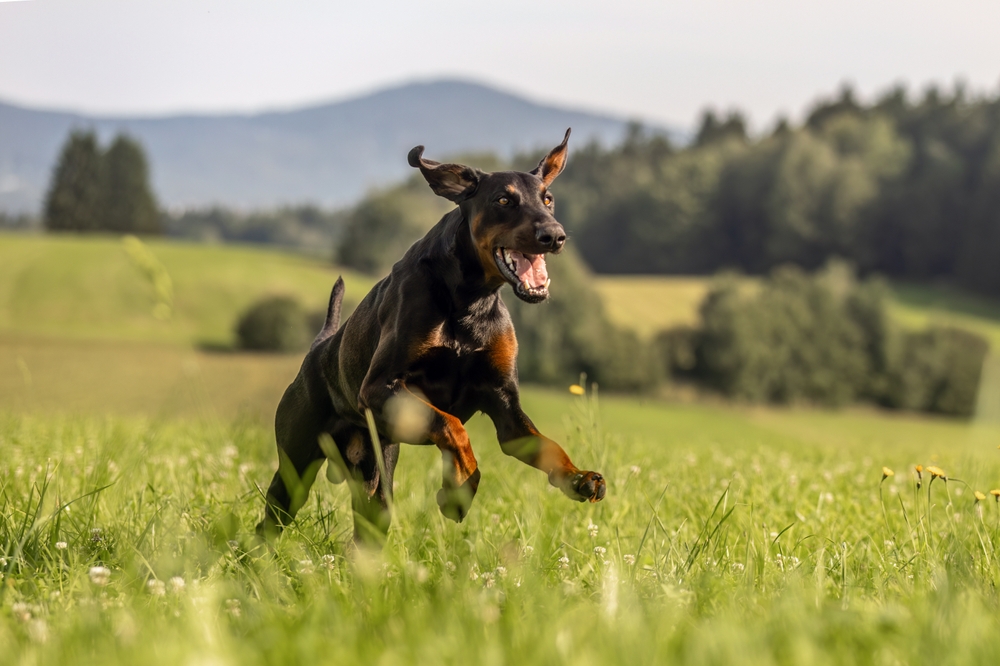
But when that thrower flings the ball 50 yards across the beach or over the field, your dog launches after it, often with little to no warm-up, at speeds of 30-50mph. At those speeds, dogs can’t easily track the ball’s trajectory and inevitably end their chase in a joint-jarring sliding stop, roll, twist, or skid. And they might do this five, ten, or twenty times in a row, depending on the patience and commitment of the thrower.
While this level of exercise may be beneficial to your dog’s cardiovascular health and fitness, the repetitive strain on their joints is a fast track to arthritis.
Is There A Better Alternative?
What are the alternatives, you ask? Fortunately, I’m not suggesting that we all need to work on our throwing arm, and we don’t want to end up ruining our joints either! What we need is a compromise between keeping the game of fetch fun and energy burning for your dog, without putting their joints under such incredible strain, and there are a few ways we can achieve this.
The aim is to reduce the speed and/or distance covered by the ball so your dog can keep track of it in the air as they run, allowing them to better position themselves to catch the ball without sliding to a stop. We can achieve this in a number of ways:
1. Be the ball thrower

If you’re up to it, throwing the ball without the aid of a tool will limit the speed and distance the ball can go (unless you’re a skilled pitcher, in which case, reign it in and stop showing off!). Hate handling a slobbery, dirty ball? Me too! But this can be easily fixed by bringing along a gardening glove.
2. Control the ball thrower
If you don’t want to relinquish the ball thrower just yet, you can try to ease back on the velocity of your throws, though I find this a bit difficult to do, and usually end up hurling the ball straight at the ground!
3. Use an alternative ball-throwing device

Remember these? These ball toss scoops are a perfect, hands-free alternative to the dog ball thrower, as they allow you to get better distance than you would with just your arm, and you can scoop up the ball without touching it – win-win! The other bonus with these little scoops is that you’re not restricted to one ball size, which is great because it means I can use Kodah’s favorite ball!
4. Use a slinger ball
This type of toy can make flinging a ball easier than throwing it by hand, but be aware that your dog might want to engage in a game of tug-o-war at the end.
5. Leave and retrieve
Perfect for hounds and other scent-driven dogs, and also for older dogs with mobility issues, the ‘leave and retrieve’ technique keeps your dog moderately active and engaging their retrieving skills, without putting excessive strain on their joints. It simply involves dropping the ball along your walk and telling your dog to leave it. Once you’ve gone 20 yards or so, give them the go-ahead to go back for the ball. Because they know where it is, and it’s not on the move, there’s no need for them to slide, twist, or jump to retrieve it. Plus, this doesn’t need to be a ball, you can use their favorite toy! Just make sure it’s something they have had for long enough that they know how it smells.
6. The non-ball ball
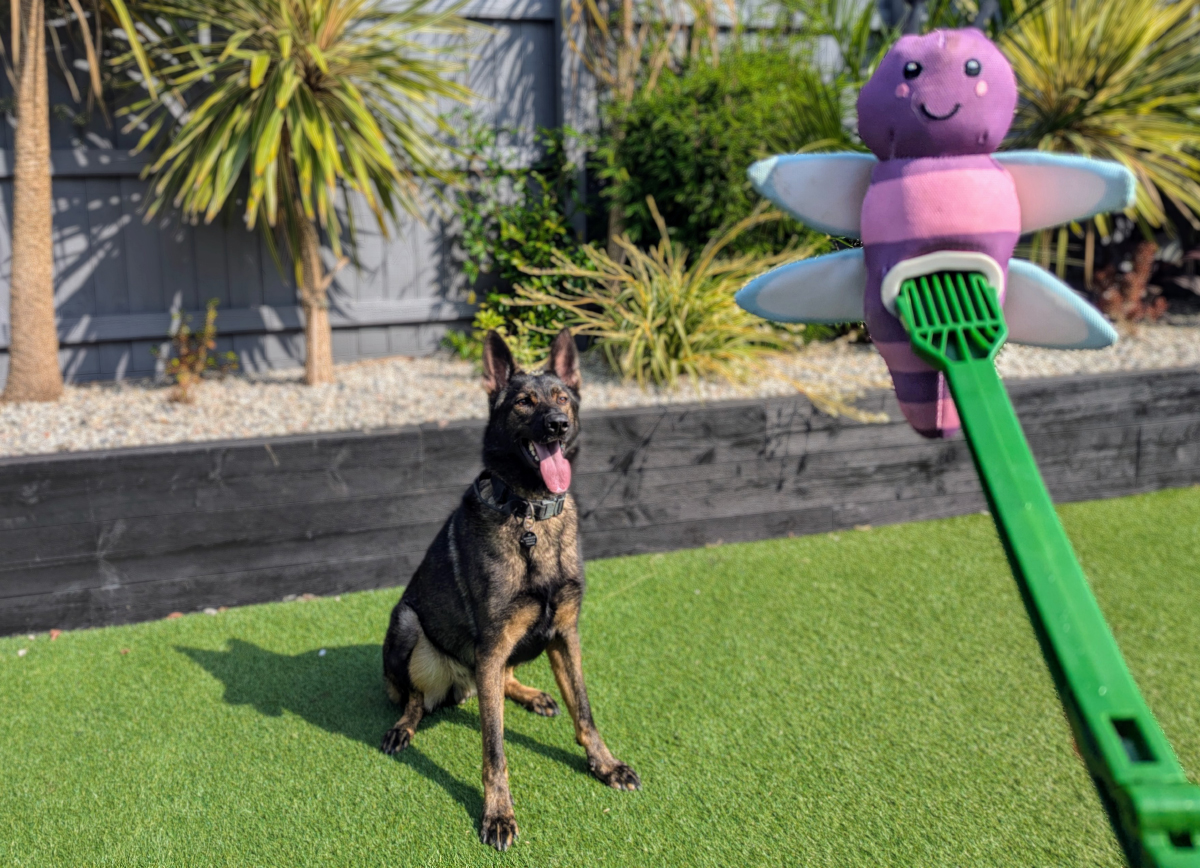
The main problem with a ball thrower is the speed of the ball in the air and on the ground, but we can reduce this by using a less aerodynamic toy. You can try using a soft toy with your old ball thrower, or check out something a bit different, like these toy launchers from Flingerz. They come in a range of options, including a bee, pig, skunk, rabbit, duck, and frog! The only annoying thing is that you can’t buy the toy and sticks separately, so if you want a few options, or if your dog destroys the toy (like mine inevitably do) you have to buy the whole thing.

What About Ball Launchers?
If we’re talking about the hand-held ball cannons, these are a potential option, but it will depend on the velocity they are capable of. Some are adjustable, so you may be able to find a setting that isn’t too harsh on your dog’s joints.
Personally, I’m not a fan of the automatic ball launchers. I think they encourage obsessive/compulsive behaviors in dogs, and they also remove one of the most important components of a dog’s play and exercise regime: you.
Lessons Learned
Unfortunately, I can’t go back and stop myself from using the ball thrower with Poppy and Bailey, and can only console myself with the knowledge that
-
- I didn’t realize the damage I was doing
- They had an absolute blast at the time!
What I can do is make sure that I’m doing everything I can to take care of their joints now, and use the lessons I have learned to take better care of the next generation. And as you can see, Kodah is more than happy with the selection of ball thrower alternatives!

- Read her previous article: Do These Genes Make Me Look Fat? Ned & Fred Weigh In
- Read her next article: My Dog Diarrhea Story Beats Yours
 The Problem With Ball Throwers